- LGBTQ+ Friendly
- 6 City Guides
- 0 Likes
- Leave a comment
About Japan
Japan at a glance
Japan is an island nation in East Asia, stretching along the Pacific edge of the Asian mainland from the Sea of Okhotsk in the north to the East China Sea in the south.
Its geography is one of the country’s great travel appeals: the archipelago is made up of four major islands—Honshu, Hokkaido, Kyushu, and Shikoku—plus many thousands of smaller islands.
Around three-quarters of the country is mountainous, so much of the populated area is concentrated in coastal plains and river valleys, creating a striking contrast between dense, high-tech cities and quiet inland landscapes.
For travelers, that combination makes Japan unusually versatile.
It is a country where you can move from neon-lit rail hubs and world-class museums to historic temples, hot-spring towns, forested mountains, volcanic scenery, and subtropical beaches without leaving the same national itinerary.
The transport network is famously efficient, which makes multi-city travel practical even for shorter trips, and the sheer variety of regional experiences is one of the reasons Japan remains such a compelling destination for repeat visitors.
What draws travelers to Japan
Japan’s appeal lies in the balance between order and diversity.
The country is known for its meticulous public spaces, highly developed infrastructure, and strong service culture, but it is also deeply expressive in its regional traditions, seasonal rhythms, and aesthetic details.
Many visitors come for the urban energy of Tokyo, the historic atmosphere of Kyoto, or the food scene in Osaka; others are drawn by winter snow in Hokkaido, mountain hikes in central Honshu, subtropical islands in the south, or the cultural and historical significance of places such as Hiroshima and Nara.
It is also a destination that changes noticeably with the seasons.
Cherry blossom time, autumn foliage, winter snow sports, and summer festivals each shape the travel experience in different ways.
That seasonal depth gives Japan a strong year-round appeal, especially for travelers who enjoy planning around landscapes, local traditions, and food culture rather than only landmark sightseeing.
Culture, atmosphere, and daily life
Japan’s culture is often described as having a distinctive emphasis on refinement, harmony, and attention to detail.
Ancient court traditions, Buddhist and Shinto influences, postwar modernization, and global pop culture all coexist here, sometimes in the same neighborhood.
A traveler can spend the morning at a centuries-old shrine, the afternoon in a contemporary art museum, and the evening in a neighborhood full of late-night restaurants, karaoke bars, and convenience stores.
That blend of old and new is one of the country’s defining qualities.
Traditional crafts, tea culture, seasonal foods, festivals, and religious sites remain central to the national experience, while anime, manga, design, fashion, rail travel, and urban nightlife give Japan an unmistakably modern face.
For LGBTQ+ travelers, this means the country can feel both highly contemporary and socially reserved: public life is generally orderly and discreet, and experiences often depend on neighborhood, venue, and context rather than on broad assumptions about the whole country.
Food and regional specialties
Japanese cuisine is a major reason many travelers choose the country in the first place.
Washoku, the broader culinary tradition, is built around seasonality, balance, and ingredient quality.
Rice, noodles, seafood, tofu, vegetables, pickles, and fermented flavors appear in countless regional variations.
In major cities, travelers can eat extremely well at every level, from casual standing noodle counters and conveyor-belt sushi to specialty kaiseki restaurants and long-established neighborhood eateries.
Food also helps define regional travel.
Osaka is often associated with hearty street food and lively dining districts, Kyoto with elegant seasonal cooking and refined sweets, Hokkaido with seafood, dairy, and winter comfort dishes, and coastal regions with their own local seafood traditions.
Even a simple trip can feel culinary if you pay attention to station lunches, department-store food halls, small local shops, and specialty regional products.
For many visitors, Japan’s food culture is not just a part of the trip but one of its strongest organizing themes.
Key destinations and travel style
Tokyo is the country’s largest city and a major entry point, offering an enormous range of neighborhoods, museums, shopping districts, nightlife, and dining.
It is a good base for first-time visitors because it reflects so many sides of modern Japan at once.
Kyoto, by contrast, is central to the country’s historic identity, with temples, shrines, gardens, traditional streetscapes, and a more visibly layered sense of the past.
Osaka is often considered one of Japan’s most approachable big cities, with a strong food culture and a more relaxed urban feel.
Beyond those headline destinations, travelers often include Nara for its historic sites, Hiroshima for its peace memorial landscape and nearby island excursions, Hokkaido for nature and winter travel, and Okinawa for a different island culture and subtropical atmosphere.
The country’s rail network makes it easy to build routes around multiple stops, and Japan is especially rewarding for travelers who like to compare cities, landscapes, and local styles within a single trip.
Why Japan stands out for LGBTQ+ travelers
Japan’s travel appeal for LGBTQ+ visitors is shaped by the same qualities that define the country more broadly: safety, efficiency, discretion, and variety.
The legal and social environment is not uniform in terms of rights and protections, and LGBTQ+ travelers should not assume the same legal framework they may find in some other major destinations.
At the same time, major cities are familiar with international visitors, and many travelers appreciate the ability to move through Japan with a relatively low-key, private style of travel.
What makes Japan distinctive is not a single iconic experience but the combination of experiences it offers.
It is a place where a traveler can seek out world-class urban culture, carefully preserved heritage, mountain scenery, thermal springs, and one of the world’s most influential cuisines, all within a country whose identity is strongly shaped by season, place, and refinement.
For LGBTQ+ travelers, that makes Japan a destination that can be both deeply enriching and highly practical, especially for those who value structure, excellent transport, and the freedom to tailor a trip city by city.
LGBTQ+ Overview
Overview
Japan is generally a low-risk destination for many LGBTQ+ travelers in day-to-day terms, especially in major cities and established tourist areas, but it is not a fully equal legal environment. Social attitudes are often polite and discreet rather than openly hostile, and many visitors experience little direct trouble if they keep a low profile. At the same time, legal protections remain uneven, same-sex marriage is not nationally legal, and transgender travelers may encounter bureaucracy or documentation issues that do not exist in more protective destinations.
The overall picture is one of cautious progress. Japan has seen more visible discussion of LGBTQ+ rights and some local recognition mechanisms, especially in the 2020s, but reforms have been partial and vary by jurisdiction. That means travelers should expect a generally manageable visit, while not assuming the kinds of comprehensive protections, service consistency, or family recognition available in countries with stronger equality laws.
Legal status and recognition
Same-sex sexual activity is legal in Japan. However, Japan still lacks nationwide marriage equality, and legal recognition for same-sex partners is limited. Some local governments have introduced partnership systems, but these are not the same as marriage and their practical value can vary. For travelers, this mainly matters if you are visiting as a couple and need to rely on recognition for healthcare, accommodation, inheritance, or next-of-kin decisions; Japan’s legal framework may not treat your relationship the way your home country does.
Anti-discrimination protections are also incomplete. There is no single nationwide, comprehensive law that clearly covers all areas of sexual orientation and gender identity discrimination in private life. As a result, treatment can depend heavily on the setting: a multinational hotel or major urban business district may be straightforward, while smaller businesses, some landlords, or more conservative workplaces may be less accommodating. This is not usually a reason to avoid travel, but it is a reason to plan conservatively and not rely on policy assumptions.
For transgender travelers, documentation can be an issue if your passport, legal sex marker, appearance, or everyday presentation do not align cleanly. Japan is orderly and documentation-driven in many contexts, so the practical concern is less about legal persecution and more about awkwardness, misgendering, or administrative friction. Carrying clear identity documents and expecting some sensitivity gaps is wise.
Social climate
Social climate in Japan is often described as reserved rather than overtly affirming. In large cities such as Tokyo and Osaka, LGBTQ+ people are generally more visible, and many travelers find a comfortable environment in international hotels, commercial districts, and venues that cater to LGBTQ+ patrons. Public displays of affection, however, tend to be conservative in Japan overall, so even heterosexual couples commonly keep physical affection modest. LGBTQ+ couples who follow that local norm usually attract little attention.
Outside major urban centers, visibility can drop sharply, and travelers may encounter more traditional attitudes. That does not necessarily translate into harassment, but it does mean that being openly affectionate, discussing your identity broadly, or assuming familiarity with LGBTQ+ issues can feel less comfortable. Many Japanese people are polite and will not confront you directly, yet that same politeness can also mean that discomfort is expressed indirectly, through silence, evasiveness, or a lack of clear accommodation.
For most travelers, the practical takeaway is that Japan is best approached as a place where discretion and situational awareness help. You do not need to hide who you are, but if safety and convenience are your priority, it is sensible to gauge each setting before being visibly open about a relationship or gender identity. In urban hospitality contexts, this is usually enough to avoid problems.
Common traveler risks
The most common risks are not violent crime or systematic persecution, but miscommunication, inconsistent service, and documentation-related inconvenience. Hotel staff, restaurant workers, or transport employees may not be experienced in LGBTQ+ issues. That can lead to awkward questions, uncertainty about room arrangements for same-sex couples, or confusion over titles and names. These experiences are usually frustrating rather than dangerous, but they can still affect a trip if you are not prepared.
Transgender travelers may face greater friction than lesbian, gay, or bisexual travelers, especially where forms, ID checks, or gendered spaces are involved. Japan’s highly structured environment can make small mismatches feel larger. If you are traveling with medication, documents, or items related to gender presentation, keep them organized and accessible. When possible, book accommodations with clear policies and communicate in advance if you need any special handling.
Nightlife and dating are generally safer in the larger LGBTQ+ scenes, but travelers should use the same caution they would anywhere else: verify venues, watch drink safety, and avoid relying entirely on strangers met online. As in many countries, anonymity and discretion are common norms in the scene, so it is a good idea to let a trusted person know your plans if you are meeting someone new.
Support resources and practical help
Japan has a growing but uneven network of LGBTQ+ support, concentrated mainly in major cities and in organizations focused on counseling, advocacy, and community education. Because services can change and some resources may operate locally or in Japanese, travelers should not assume a single national hotline or a universally available English-language support line. If you need help, your most reliable first points are often your embassy or consulate, your hotel, and mainstream emergency services.
In a medical emergency, treatment is generally based on clinical need rather than identity, and Japan’s healthcare system is highly capable. The practical issue is communication. If you anticipate needing medical care, it is useful to have key terms translated and to keep a simple explanation of any relevant health needs, medications, or identity considerations. In routine care, larger cities are more likely to have staff accustomed to international patients.
For accommodation and transport, major international brands and large urban operators are usually the safest bet for consistent professionalism. If you need discretion, use standard booking channels, read property policies carefully, and avoid assuming that a “modern” brand automatically means strong LGBTQ+ understanding. Clear written communication before arrival can prevent problems more effectively than trying to resolve them at check-in.
Recent trajectory
The direction of travel in Japan has been toward gradual, uneven improvement rather than dramatic reform. The 2020s have brought more public discussion, more local partnership recognition, and greater visibility of LGBTQ+ issues, but national legal equality remains incomplete. That means the country is moving forward, yet still significantly behind the most protective destinations on marriage, family recognition, and comprehensive anti-discrimination law.
For travelers, this trajectory is encouraging but not transformative. You are more likely than in the past to find awareness in hotels, larger businesses, and urban neighborhoods, and less likely to encounter outright hostility. But the legal baseline still matters, especially for couples and transgender travelers who may need recognition beyond simple tolerance. Japan is best understood as a destination where the experience can be quite good in practice, while the underlying legal framework remains partial.
Bottom line
Japan is usually a safe and rewarding destination for LGBTQ+ travelers, especially if you stay in major cities, book with established providers, and keep expectations realistic about legal recognition. The strongest risks are bureaucratic and social rather than physical. If you are comfortable navigating a culture that often values privacy, indirectness, and discretion, you will likely find Japan manageable and often welcoming in practice, even if the law has not yet caught up with that lived reality.
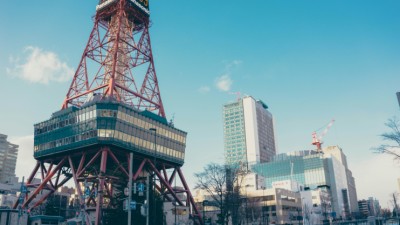
Sapporo
Big skies, safe rhythms, and winter culture with an inclusive lens.
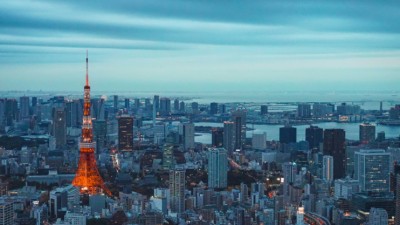
Tokyo
Discover a city of contrast, culture, and community.

Fukuoka
Gateway streets, easy transit, and a welcoming base for solo discovery.
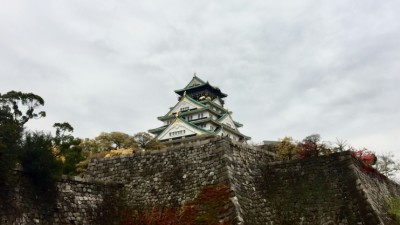
Ōsaka
Culture, nightlife, and a welcoming base for inclusive travel
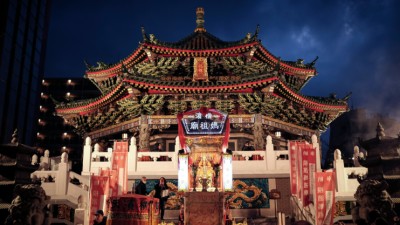
Yokohama
Where waterfront culture meets inclusive travel
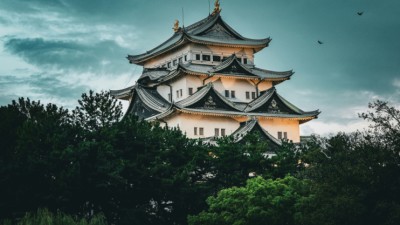
Nagoya
Where urban culture meets comfort food and a welcoming night out.