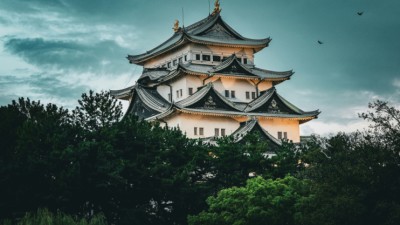
About Fukuoka
Our Review
Social Acceptance of LGBTQ+ Individuals in Fukuoka
Fukuoka, a vibrant city on Japan's Kyushu island, reflects a nuanced social landscape for LGBTQ+ individuals.
While Japan as a whole is gradually becoming more open to sexual and gender diversity, traditional cultural norms still influence public attitudes, especially outside major metropolitan hubs like Tokyo and Osaka.
Fukuoka, being a regional city, exhibits moderate acceptance.
Younger generations tend to be more open and supportive, and local initiatives such as Fukuoka Pride, held annually since 2019, have helped increase visibility and foster community engagement.
Despite these positive developments, public displays of affection between same-sex couples are still uncommon and may attract attention.
Conversations about LGBTQ+ topics are often private, and many individuals prefer discretion in daily life.
However, discrimination or hostility is not widespread, and most LGBTQ+ visitors report respectful treatment in public spaces.
Annual LGBTQ+ Events in Fukuoka
Fukuoka hosts Fukuoka Rainbow Pride, an annual event typically held in October.
This pride parade and festival is one of the key LGBTQ+ events in the Kyushu region, promoting visibility, inclusion, and community solidarity.
While smaller in scale compared to Tokyo or Osaka Pride events, Fukuoka Rainbow Pride features a parade through central city streets, accompanied by cultural programs, booths, and performances that celebrate diversity.
The event is organized by local LGBTQ+ groups and allies, aiming to foster awareness and acceptance within the broader community.
Beyond the pride parade, Fukuoka occasionally hosts LGBTQ+ film screenings and cultural events, often organized by local NGOs and community centers.
These events contribute to ongoing dialogue and education around LGBTQ+ issues in the region.
Cultural and Social Activities in Fukuoka: An LGBTQ+ Perspective
As a solo traveler exploring Fukuoka, Japan, I found the city offers a nuanced cultural landscape that is welcoming and increasingly inclusive for LGBTQ+ visitors, though it remains more low-key compared to larger metropolitan areas like Tokyo or Osaka.
Theaters and Performance Arts
Fukuoka hosts a variety of theaters such as the ACROS Fukuoka and Fukuoka City Cultural Center, which present diverse performances including plays, concerts, and dance.
While there are no permanent LGBTQ+-themed theater troupes based in Fukuoka, occasional performances and festivals explore themes of identity and diversity.
These venues maintain an open atmosphere, making them accessible and welcoming to LGBTQ+ audiences.
Museums and Art Galleries
The Fukuoka Art Museum is a key cultural institution featuring modern and contemporary art.
Some exhibitions have included works that challenge social norms and explore diverse identities, though not exclusively LGBTQ+-focused.
Additionally, smaller galleries in the Tenjin and Daimyo districts occasionally showcase exhibitions by local artists, including those from the LGBTQ+ community, offering insight into contemporary queer expression in the region.
LGBTQ+ Specific Tours and Social Activities
Currently, Fukuoka does not have widely advertised LGBTQ+-specific tours.
However, personalized queer-friendly tours can sometimes be arranged through local guides or platforms like Airbnb Experiences, which occasionally offer tailored cultural walks or nightlife tours emphasizing inclusivity.
Socially, districts such as Nakasu and Tenjin host several LGBTQ+-friendly bars and cafes that serve as informal community hubs, providing safe spaces for connection and socializing.
Historical Landmarks
While Fukuoka’s historical landmarks, including the Kushida Shrine, are culturally significant, they do not have specific LGBTQ+ historical associations.
Visiting these sites offers valuable context about the city’s broader cultural heritage and social fabric.
Notable LGBTQ+ Figures and Influencers
Fukuoka does not currently have widely recognized LGBTQ+ public figures on a national or international scale.
However, local activists, artists, and community organizers contribute to increasing visibility and advocacy within the city.
Engaging with local LGBTQ+ venues and events can provide opportunities to connect with these individuals and learn more about their work.
Conclusion
Fukuoka presents a respectful and open environment for LGBTQ+ travelers seeking cultural enrichment and social engagement.
While the city’s LGBTQ+ scene is more understated compared to Japan’s largest cities, its theaters, museums, galleries, and social spaces offer meaningful experiences.
As a solo traveler, I appreciated the balance of cultural depth and welcoming atmosphere that Fukuoka provides.
Accommodation in Fukuoka: An LGBTQ+ Perspective
As a solo traveler exploring Fukuoka, Japan, I found that while the city does not have a large number of explicitly LGBTQ+-branded hotels, it offers a variety of welcoming and inclusive accommodation options.
Japan’s hospitality culture emphasizes respect and discretion, which generally benefits LGBTQ+ travelers seeking safe and comfortable stays.
LGBTQ+ Friendly Hotels and Accommodations
Fukuoka’s mainstream hotels, especially international chains and business hotels, tend to maintain nondiscrimination policies and provide professional service to all guests.
For example, Hotel Nikko Fukuoka near Hakata Station is a well-regarded option known for its high standards and welcoming environment, though it is not specifically marketed as LGBTQ+ friendly.
Similarly, hotels in the Tenjin and Hakata districts offer a range of choices from boutique to business hotels that are discreet and respectful.
While explicit LGBTQ+-focused accommodations are rare in Fukuoka, many travelers find that reading recent guest reviews on platforms like TripAdvisor and Booking.com helps identify hotels with positive experiences from LGBTQ+ guests.
Tips for Finding Inclusive Accommodation
- Research LGBTQ+ Travel Resources: Websites and forums dedicated to LGBTQ+ travel can provide up-to-date recommendations and firsthand experiences.
- Read Recent Guest Reviews: Focus on reviews that mention inclusivity, staff attitude, and overall comfort.
- Contact Hotels Directly: Inquiring about nondiscrimination policies and staff training can clarify the level of inclusivity.
- Choose Established or International Hotels: These often have clearer policies and more experience hosting diverse guests.
Welcoming Areas and Neighborhoods
Fukuoka does not have a distinct LGBTQ+ district comparable to Tokyo’s Shinjuku Ni-chome, but certain neighborhoods are known for their open and friendly atmosphere.
The Tenjin area is the city’s commercial and entertainment hub, featuring several bars, cafes, and venues that are LGBTQ+-friendly or at least welcoming.
Hakata, centered around Hakata Station, is another safe and accessible district with many hotels and cultural sites, offering a respectful environment for LGBTQ+ travelers.
Overall, discretion and cultural sensitivity remain important when traveling in Japan, but Fukuoka’s central districts provide a safe and comfortable base for LGBTQ+ visitors.
Conclusion
While explicit LGBTQ+-focused accommodations are limited in Fukuoka, the city’s hospitality industry generally offers respectful and inclusive service.
By leveraging trusted travel platforms, reading reviews, and communicating directly with hotels, LGBTQ+ travelers can find welcoming places to stay.
Exploring neighborhoods like Tenjin and Hakata will also enhance the experience with access to friendly venues and a culturally rich environment.
Dining and Entertainment in Fukuoka: An LGBTQ+ Friendly Perspective
As a solo traveler who values inclusivity and cultural richness, I found Fukuoka to offer a balanced mix of dining and entertainment options that are welcoming to LGBTQ+ visitors.
While the city’s LGBTQ+ scene is more understated compared to Tokyo or Osaka, its respectful and open-minded atmosphere creates a comfortable environment for diverse travelers.
LGBTQ+ Friendly Restaurants and Cafes
Fukuoka’s culinary scene is vibrant, with many establishments embracing a welcoming attitude toward all guests, though explicitly LGBTQ+-themed venues are limited.
Notably:
- Ichiran Ramen – Famous nationwide for its tonkotsu ramen, Ichiran’s solo dining booths offer privacy and comfort, ideal for solo travelers seeking a relaxed meal without social pressure.
- Ozawa Coffee – A local café known for its friendly staff and relaxed atmosphere, making it a pleasant spot to unwind with coffee and light snacks.
- Bistro Raku – Located in the Tenjin district, this bistro serves French-Japanese fusion cuisine in a cozy setting, with staff known for their welcoming attitude.
Popular Entertainment Options
Fukuoka offers a variety of entertainment venues that are inclusive and culturally enriching:
- Fukuoka City Museum – This museum provides exhibitions on local history and culture, offering a respectful space for visitors interested in understanding the region’s heritage.
- Fukuoka Asian Art Museum – Featuring contemporary Asian art, the museum occasionally hosts exhibits that touch on themes of identity and diversity.
- United Cinemas Canal City – A major cinema complex that screens a wide range of films, including international titles.
While not exclusively LGBTQ+, it sometimes hosts LGBTQ+ film events and festivals. - Live Music and Theater – Venues such as Fukuoka Civic Hall and various live houses in Tenjin and Hakata offer performances ranging from traditional Japanese arts to contemporary music, welcoming diverse audiences.
Inclusive and Welcoming Venues
Fukuoka’s nightlife includes several LGBTQ+ friendly bars and clubs, particularly in the Nakasu area:
- Bar Honesty – One of the few openly LGBTQ+ bars in Fukuoka, known for its friendly atmosphere and events celebrating diversity.
- Magical Bar – A cocktail bar combining entertainment with a welcoming vibe, popular among locals and visitors alike.
While the city does not have a large number of explicitly LGBTQ+-themed venues, the general culture of respect and privacy in Fukuoka ensures that most dining and entertainment spots are comfortable for LGBTQ+ travelers.
Overall, Fukuoka offers a solid range of dining and entertainment options that balance cultural authenticity with inclusivity, making it a suitable destination for solo LGBTQ+ travelers seeking both comfort and local flavor.
Travel Tips for LGBTQ+ Travelers Visiting Fukuoka, Japan
As a solo traveler who values both safety and cultural understanding, I find Fukuoka to be a fascinating destination that blends traditional Japanese culture with a modern urban vibe.
For LGBTQ+ travelers, navigating the city with awareness of local customs and practical safety measures is essential to ensure a smooth and enjoyable visit.
Local Customs and Social Norms
Japan, including Fukuoka, tends to be socially conservative regarding LGBTQ+ visibility.
Public displays of affection, regardless of sexual orientation, are generally uncommon and can attract attention.
Discretion is often appreciated.
When interacting with locals, politeness and respect are paramount.
Bowing is the customary greeting rather than handshakes, and using basic Japanese honorifics and polite phrases can go a long way in fostering goodwill.
Modest dress is advisable, especially when visiting religious sites such as Shofukuji Temple or Tochoji Temple.
Understanding that Japanese communication is often indirect can help avoid misunderstandings; subtlety and patience are virtues here.
Dos and Don'ts
- Do learn simple Japanese greetings and polite expressions to show respect.
- Do choose accommodations known for being LGBTQ+-friendly or internationally recognized for inclusivity.
- Do be mindful of personal space and avoid overt public displays of affection.
- Don't assume that LGBTQ+ topics are openly discussed; many people may be unfamiliar or reserved on such matters.
- Don't engage in public debates or confrontations about LGBTQ+ rights, as these can be sensitive.
Travel Safety
Fukuoka is generally safe, with low crime rates and efficient public transportation.
However, standard travel precautions apply, especially when exploring nightlife areas such as the Nakasu district.
While Nakasu hosts several LGBTQ+-friendly bars and clubs, staying aware of your surroundings and not leaving drinks unattended is wise.
Emergency numbers in Japan are 110 for police and 119 for fire or ambulance services.
It’s also helpful to know the location of your country’s embassy or consulate in Japan for additional support.
Connecting with the Local LGBTQ+ Community
Fukuoka’s LGBTQ+ scene is smaller compared to Tokyo or Osaka but active nonetheless.
The Nakasu area is the city’s nightlife hub, featuring venues such as Club Base and Club 1-2-3, which are known to be welcoming to LGBTQ+ patrons.
Social media platforms and apps can be useful tools for discovering local events or meetups, though these may be less frequent than in larger metropolitan areas.
Engaging respectfully and discreetly with locals can lead to meaningful connections.
Conclusion
Traveling solo in Fukuoka as an LGBTQ+ individual requires cultural sensitivity, discretion, and practical safety awareness.
By respecting local customs and seeking out inclusive spaces, you can enjoy a rewarding experience in this dynamic city that balances tradition and modernity.
As a solo traveler who values both cultural immersion and personal freedom, I find Fukuoka to be a city of contrasts when viewed through an LGBTQ+ lens.
Its strengths lie in its welcoming atmosphere, especially within localized LGBTQ+ spaces such as the Tenjin district, where bars and clubs provide safe and vibrant environments.
The city's relatively relaxed vibe compared to larger metropolises like Tokyo or Osaka offers a more intimate experience for LGBTQ+ visitors seeking connection and community.
However, it is important to recognize the challenges that remain.
Japan’s broader societal attitudes toward LGBTQ+ issues are still evolving, and while Fukuoka is progressive in many respects, public displays of affection and open discussions about sexuality may still be met with caution.
Legal protections for LGBTQ+ individuals are limited nationally, and this can affect the overall sense of security for travelers.
For LGBTQ+ visitors considering Fukuoka, I recommend engaging with local LGBTQ+ events and venues to gain authentic insight and support.
The annual Fukuoka Pride event, although smaller than those in Tokyo, is a meaningful occasion that highlights the city’s growing inclusivity.
Connecting with local communities through social media or LGBTQ+ organizations can also enhance your experience and provide valuable resources.
Ultimately, Fukuoka offers a unique blend of cultural richness and emerging LGBTQ+ friendliness.
Approaching the city with an open mind and respectful awareness of local customs will allow you to enjoy its offerings fully.
As someone who travels solo, I encourage fellow LGBTQ+ travelers to explore Fukuoka’s distinct character, embrace its hospitality, and contribute to the ongoing dialogue around diversity and inclusion in Japan.