- LGBTQ+ Friendly
- 6 City Guides
- 0 Likes
- Leave a comment
About Switzerland
Overview
Switzerland is one of Europe’s most versatile and polished travel destinations: compact enough to explore efficiently, yet varied enough to feel like several countries in one.
Set at the crossroads of Central, Western, and Southern Europe, it combines Alpine scenery, lake districts, historic old towns, and a highly reliable transport network that makes multi-city travel straightforward.
For LGBTQ+ travelers, Switzerland is especially appealing because it offers a generally easygoing, well-organized, and low-stress trip in a country where same-sex activity has been legal for decades and same-sex marriage has been legal since 1 July 2022.
In practice, that means visitors can focus on the experience of the destination itself rather than on navigating major legal barriers.
The country’s greatest draw is its scenery.
The Swiss Alps dominate the landscape, but Switzerland is not only about mountains: the Swiss Plateau contains many of the largest cities, lakes, and most densely populated areas, while the Jura Mountains add another layer of hiking terrain and smaller historic communities.
Travelers often come for dramatic rail journeys, winter sports, summer hiking, glacier and lake panoramas, and the visual contrast between polished cities and rugged alpine settings.
Switzerland is also famous for precision, public order, and efficient infrastructure, qualities that shape the travel experience in practical ways—from punctual trains to well-maintained trails and easy cross-country connections.
Culture and atmosphere
Switzerland is a multilingual country with a strong regional identity.
German, French, Italian, and Romansh are all part of the national picture, and that cultural mix is one of the country’s defining features.
A traveler can move from Swiss-German cities such as Zürich and Basel to French-speaking Geneva and Lausanne, then onward to Italian-influenced Ticino, where the architecture, cuisine, and pace of life feel noticeably different.
This diversity gives Switzerland an unusually varied travel character for such a small country.
The overall atmosphere is generally discreet, orderly, and respectful of personal space.
That can be a good fit for LGBTQ+ visitors who prefer a destination where they can travel comfortably without constant attention.
At the same time, Switzerland is not a single uniform social scene: big cities tend to be the most visibly cosmopolitan, while smaller towns and mountain areas are more conservative in feel simply because they are quieter and more traditional.
For many travelers, this is part of the appeal.
Switzerland offers the freedom to choose between urban culture, lakeside relaxation, or remote alpine escape within a short train ride.
Food and drink
Swiss food is hearty, regional, and shaped by its neighboring cuisines.
Many travelers associate the country with cheese, chocolate, and alpine comfort food, and those expectations are well founded.
Dishes such as fondue and raclette are classic cold-weather choices, while rösti is a staple that appears in many forms.
In the Italian-speaking south, pasta, risotto, and Mediterranean-style meals are more prominent, while French-speaking areas often lean toward bistro traditions and refined dining.
The result is a country where eating well is easy, but the style of cuisine shifts from region to region.
For travelers, food is part of the sightseeing experience.
A meal can feel distinctly urban and international in Geneva or Zürich, then more rustic and traditional in mountain villages or smaller alpine resorts.
Switzerland also has a strong café culture and a reputation for high-quality ingredients, which makes everyday dining reliable even when traveling outside major cities.
Key destinations
Zürich is often the best first stop for visitors who want a cosmopolitan base with strong transport links, museums, shopping, lake views, and a large urban population.
Geneva has a more international feel, shaped by diplomacy, human rights institutions, and its position on Lake Geneva.
Basel is attractive for art, architecture, and its location near both France and Germany, making it useful for cross-border itineraries.
Lausanne offers a steep, elegant lakeside setting and a youthful atmosphere, while Bern, the federal capital, stands out for its preserved old town and slower pace.
Beyond the cities, Switzerland’s most iconic destinations are often in the mountains.
Interlaken serves as a gateway to the Bernese Oberland and some of the country’s best-known alpine excursions.
Zermatt, at the foot of the Matterhorn, is a major draw for hiking and winter sports.
The Jungfrau region, Lucerne with its lake and mountain setting, and the panoramic rail routes linking scenic areas are all part of the classic Swiss travel experience.
In the Italian-speaking canton of Ticino, places such as Lugano offer a milder climate and a distinctly southern mood.
Many travelers also make time for the Swiss National Park, the country’s oldest national park, or for UNESCO-listed sites and landscapes that highlight Switzerland’s cultural and natural heritage.
What makes Switzerland distinctive
What sets Switzerland apart is the combination of efficiency, diversity, and scenery.
Few countries are so easy to navigate while also offering such dramatic changes in landscape and language within short distances.
It is possible to have an urban weekend, a lake-and-mountains escape, and a cross-border cultural trip all in one itinerary.
That flexibility is especially useful for LGBTQ+ travelers who want a trip that can be as social, quiet, luxurious, outdoorsy, or culturally focused as they choose.
Switzerland is also distinctive for the way it balances modern urban life with deep natural beauty.
You can spend the morning in a museum, the afternoon on a lake promenade, and the evening in an alpine village, all with a high degree of comfort and predictability.
The country is generally expensive, so it tends to reward travelers who value quality, scenery, and convenience over budget travel.
For many visitors, that trade-off is worthwhile: Switzerland delivers a polished, scenic, and low-friction experience that feels both safe and memorable, with enough regional variety to merit more than one visit.
LGBTQ+ Overview
LGBTQ+ overview
Switzerland is generally a safe and comfortable destination for LGBTQ+ travelers. The country has broad legal protections by European standards, major cities are usually welcoming, and overt harassment is not a common part of everyday travel. In practical terms, most visitors can expect to move around openly with relatively low risk, especially in urban and tourist areas. That said, Switzerland is not uniform: attitudes can be more conservative in some smaller towns, rural areas, or among older generations, so discretion may still be useful in certain settings.
Legally, Switzerland has made important progress in recent years. Same-sex sexual activity is legal, and same-sex couples now have access to marriage and related family recognition after the country approved marriage equality and it entered into force in 2022. Discrimination protections also exist in Swiss law, including protections relating to sexual orientation in specific contexts, which is a meaningful step forward. However, legal equality is not complete in every area. Transgender travelers should be aware that administrative recognition and everyday service experiences can vary, and legal protections may not always translate into seamless practical treatment. As in many countries, the law is generally strongest in theory and in large cities, while day-to-day experiences can still depend on the institution, locality, or individual staff member.
The social climate is broadly favorable, especially in cities such as Zurich, Geneva, Basel, Bern, and Lausanne, where international tourism and cosmopolitan populations contribute to a more visible LGBTQ+ presence. Public displays of affection are usually not a problem in these settings, though as anywhere, couples may attract some attention in quieter neighborhoods or less urban regions. Swiss society tends to be orderly and reserved, so LGBTQ+ travelers may notice that acceptance is often expressed more through non-interference than overt enthusiasm. That can still be a very workable environment for visitors, but it is worth understanding that social warmth may be understated rather than openly celebratory.
Common traveler risks are more about low-level social friction than serious danger. The main issues are occasional insensitive remarks, staring, or uncomfortable reactions in places where LGBTQ+ visibility is less common. Nightlife spaces in larger cities are typically safer for meeting other LGBTQ+ travelers and locals, but standard urban caution still applies: keep an eye on drinks, arrange transport late at night, and use the same awareness you would in any major European destination. For couples, the experience is usually straightforward, but travelers who are visibly gender nonconforming or trans may encounter more questions or scrutiny, particularly in formal service settings, locker rooms, or when dealing with identity documents.
Support resources are strongest in the country’s larger cities and online, where travelers can often find LGBTQ+-friendly health care, community organizations, and nightlife information through local directories and general city tourism resources. If you need assistance, start with your hotel, host, or local tourism office, and if the issue is a safety concern contact local police or emergency services as appropriate. Swiss public services are reliable, and healthcare access is generally excellent. Travelers who need gender-affirming care, sexual health services, or help in a discrimination case may find better-informed providers in major urban areas than in rural districts, so it is wise to plan ahead if you need specialized support during your trip.
Recent trajectory in Switzerland has been encouraging. The country moved from a relatively cautious legal position to broader formal equality with marriage rights for same-sex couples and stronger anti-discrimination provisions. The overall direction has been toward greater recognition and practical inclusion, even if social attitudes and legal details still vary by region and by issue. For travelers, that means Switzerland is best understood as a broadly safe, modern destination with a few remaining uneven edges rather than a place of major risk.
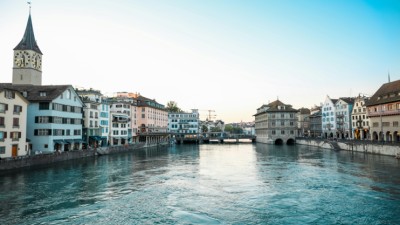
Zürich
Where lakeside calm meets a confident queer urban scene
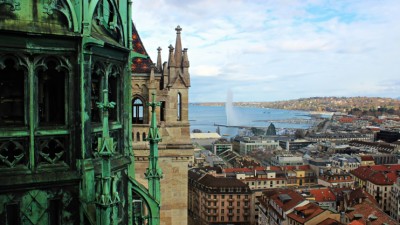
Geneva
Culture, rights, and lakeside calm in a city that stays connected to Europe.
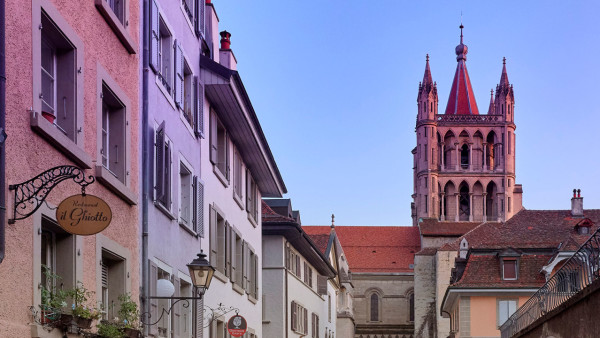
Lausanne
Where culture, visibility, and alpine access meet.
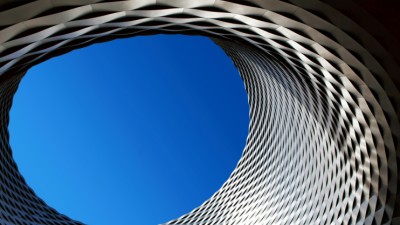
Basel
Where art, river views, and inclusive city life meet
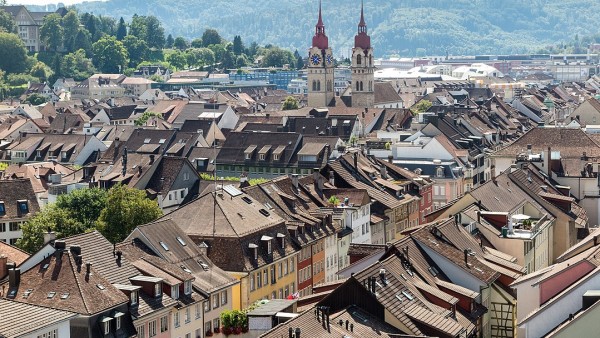
Winterthur
Where culture, cycling, and quiet urban exploration meet
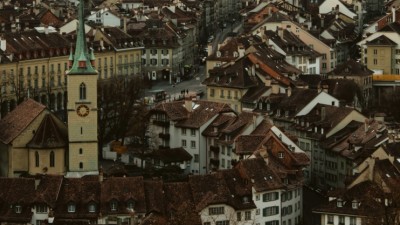
Bern
Historic streets, modern rights, and a calm base for independent travel.