- Home
- Switzerland
- Basel
About Basel
It sits in northwestern Switzerland, in the canton of Basel-Stadt, and its position near the borders with France and Germany gives it a naturally cross-border character that is especially appealing for travelers who value easy movement, cultural variety, and a cosmopolitan setting.From an LGBTQ+ perspective, Basel belongs to a country where rights are among the most comprehensive by world standards, and that wider national context matters.
Switzerland has seen a long-term liberalization of LGBTQ+ rights, including the legalization of same-sex marriage by referendum in 2021.
While this does not make every destination identical, it does provide reassuring context for visitors looking for a respectful and comfortable stay.For travelers seeking visible LGBTQ+ presence, Basel is also associated with Basler CSD, the city’s Pride-related event, which reflects the local community’s public visibility and engagement.
I would approach the city as a place to enjoy thoughtfully: elegant hotels, excellent dining, museum visits, and walks along the Rhine all fit naturally into a luxury-minded itinerary, while the broader setting remains welcoming and well-connected.Basel is not just a transit point or a business city; it is a destination with cultural depth, urban polish, and a strong sense of place.
For LGBTQ+ travelers, that combination makes it an attractive base for a stylish, comfortable stay in one of Switzerland’s most internationally minded cities.
Our Review
I see Basel as one of Switzerland’s most distinctive cities: a refined, compact destination on the Rhine, where the atmosphere feels both international and deeply local.
It sits in northwestern Switzerland, in the canton of Basel-Stadt, and its position near the borders with France and Germany gives it a naturally cross-border character that is especially appealing for travelers who value easy movement, cultural variety, and a cosmopolitan setting.
From an LGBTQ+ perspective, Basel belongs to a country where rights are among the most comprehensive by world standards, and that wider national context matters.
Switzerland has seen a long-term liberalization of LGBTQ+ rights, including the legalization of same-sex marriage by referendum in 2021.
While this does not make every destination identical, it does provide reassuring context for visitors looking for a respectful and comfortable stay.
For travelers seeking visible LGBTQ+ presence, Basel is also associated with Basler CSD, the city’s Pride-related event, which reflects the local community’s public visibility and engagement.
I would approach the city as a place to enjoy thoughtfully: elegant hotels, excellent dining, museum visits, and walks along the Rhine all fit naturally into a luxury-minded itinerary, while the broader setting remains welcoming and well-connected.
Basel is not just a transit point or a business city; it is a destination with cultural depth, urban polish, and a strong sense of place.
For LGBTQ+ travelers, that combination makes it an attractive base for a stylish, comfortable stay in one of Switzerland’s most internationally minded cities.
Social Acceptance and Safety in Basel
When I visit Basel, I find a city that feels distinctly international, polished, and generally comfortable for LGBTQ+ travelers.
Basel sits in northwestern Switzerland on the Rhine and forms part of a tri-national metropolitan area with France and Germany, which gives the city a broad, outward-looking character rather than a closed-in local one.
That matters: in practice, it often translates into a more relaxed, modern atmosphere in everyday public life.
On the legal side, Switzerland offers strong protections by global standards.
According to verified sources on LGBTQ rights in Switzerland, the country has liberalized steadily over time, and same-sex marriage was approved by referendum and came into force in 2022.
That legal framework supports a generally safer environment for LGBTQ+ visitors in Basel and across the country.
In terms of social acceptance, I would describe Basel as broadly welcoming rather than loudly queer-coded.
It is a major Swiss city with an international profile, and that usually means LGBTQ+ travelers can move around comfortably without drawing attention.
As with any destination, attitudes can vary from one person to another, but there is nothing in the verified material I have that suggests Basel is less welcoming than other major Swiss cities.
The city’s position within the Basel-Stadt canton and its role in the wider Northwestern Switzerland region also reinforce its urban, cross-border character.
Safety overview
From a traveler’s perspective, Basel is generally a straightforward and low-friction city to navigate.
I still recommend the usual urban precautions: keep an eye on your belongings at transit hubs, use standard care at night, and remain aware of your surroundings when moving between venues or returning late to your hotel.
Those are practical, not alarmist, habits—especially useful in any city where you may be enjoying dinners, bars, or late-night riverfront walks.
For LGBTQ+ visitors, the safest approach is the same one I would use in any well-run European city: be attentive to the immediate setting and the people around you.
Public displays of affection are usually a personal choice rather than a safety issue in the city center, but I still prefer a measured approach in unfamiliar settings, particularly late at night or in quieter areas.
Where I feel most comfortable
I can responsibly say that Basel’s central, busy areas are the most reassuring for visitors because they are active, well connected, and accustomed to international guests.
That includes the main urban core, the riverfront, and areas around transport and cultural institutions.
I would treat these as the most comfortable zones for LGBTQ+ travelers simply because they are the heart of city life and tend to be the most exposed to diverse audiences.
By contrast, I do not have verified information identifying any specific Basel neighborhood as notably less welcoming to LGBTQ+ people.
Because of that, I would avoid making claims about “unsafe” districts that I cannot substantiate.
Instead, my advice is to apply normal city sense: if an area feels quiet, isolated, or poorly lit late at night, choose a taxi or public transport rather than walking alone.
Practical safety tips I would follow
- Stay in central, well-reviewed accommodation with good transport links.
- Use licensed taxis or public transport when returning late from dinners, bars, or events.
- Keep valuables secure, especially in busy stations and on trams.
- If you are meeting new people, choose public places first.
- At night, prefer well-lit streets and active areas near the city center or riverfront.
For a luxury-minded traveler, Basel is especially appealing because safety and ease support a more relaxed stay.
I can focus on art museums, fine dining, and elegant hotels without needing to build my itinerary around defensive planning.
In that sense, Basel offers the kind of calm confidence I look for in a destination: a city that feels open, orderly, and polished, with the legal and social framework that makes LGBTQ+ travel feel natural rather than complicated.
Accommodation in Basel: where I’d stay as an LGBTQ+ traveler
When I plan a stay in Basel, I look for the same things I value anywhere in Europe: a central location, discreet service, and a hotel that feels polished rather than performative.
Basel is a good fit for that style of travel.
It is Switzerland’s third-most-populous city and sits on the Rhine in the country’s tri-national northwest, close to France and Germany, which gives it an international, easygoing feel.
Switzerland also has some of the world’s most comprehensive LGBTQ+ rights protections, including marriage equality, so I can approach accommodation here with a basic level of confidence.
I have not found a verified list of LGBTQ+-owned or explicitly LGBTQ+-branded hotels in Basel in the source material provided, so I would not name properties without confirmation.
Instead, I focus on verified ways to choose inclusive, high-quality accommodation and on the areas that are generally practical and welcoming for LGBTQ+ visitors.
What I look for in an inclusive stay
My first priority is always a mainstream hotel or serviced apartment with strong guest reviews and an international clientele.
In a city like Basel, that usually means properties near the center, around transport links, or close to the Rhine and major cultural institutions.
I also pay attention to how a property presents itself: clear non-discrimination language, professional service standards, and a reputation for privacy matter to me more than marketing slogans.
If I’m booking online, I check for:
- recent guest reviews from a wide range of travelers
- clear policies on guest registration and room occupancy
- professional, multilingual front-desk service
- central access to trams, the old town, and riverfront walks
- larger international hotel brands or well-reviewed boutique properties
For LGBTQ+ travelers, Basel’s broader legal and social environment is reassuring, but I still prefer to choose accommodation that feels quietly respectful rather than overtly themed.
That is usually the best match for a luxury-minded city break here.
Areas and neighborhoods I would consider
Altstadt (Old Town) is the most natural base if I want to stay close to Basel’s historic center, cultural institutions, restaurants, and the Rhine.
It is compact, walkable, and ideal if I want to move between a museum, a dinner reservation, and an evening stroll without relying heavily on transport.
St.
Alban is another area I would keep in mind for a quieter, more refined stay.
It is well connected but feels more residential and calm than the busiest parts of the city, which suits travelers who prefer privacy and a slower pace.
Grossbasel, the southern bank of the Rhine that includes much of the city center, is practical for first-time visitors because it puts me near shopping, dining, and many of Basel’s main sights.
If I want a polished urban stay, this is where I would start my search.
Basel’s transport network is strong, so I do not feel locked into one small district.
The city’s compact size makes it relatively easy to move between neighborhoods, and that flexibility is useful if I want to balance a luxury hotel stay with museum visits, riverside walks, and dinner reservations across the center.
How I would book safely and confidently
Because I am writing for LGBTQ+ travelers, I always recommend checking practical details before confirming a reservation.
I would verify the hotel’s cancellation policy, room type, and check-in requirements, and I would make sure the booking platform and hotel name match exactly.
If I have any doubt, I contact the property directly and ask straightforward questions about guest registration and room arrangements.
In Switzerland, the overall legal environment is supportive, but that does not replace the need for careful booking habits.
A good hotel should be comfortable handling a diverse international clientele without fuss.
In my experience, that is often the most important sign of an inclusive stay.
My bottom line
For an LGBTQ+ trip to Basel, I would look for a polished hotel in the center, preferably in or near the Old Town or Grossbasel, with easy access to the Rhine, trams, and cultural landmarks.
Basel is not a city where I’d expect accommodation to be marketed heavily around queer identity; instead, I’d expect professionalism, discretion, and international standards.
That is exactly what makes it appealing for a luxury-leaning LGBTQ+ city break.
Useful background on the city and country: Basel, Switzerland, and LGBTQ rights in Switzerland.
Dining and Entertainment
When I spend time in Basel, I find that the city’s dining and evening culture feels polished, international, and comfortably low-key.
Basel sits in northwestern Switzerland on the Rhine, within the country’s tri-national metro area near France and Germany, and that cross-border setting gives the city an easygoing cosmopolitan rhythm.
For LGBTQ+ travelers, that matters: Switzerland is broadly regarded as having some of the world’s more comprehensive LGBTQ+ rights protections, and Basel’s public life reflects that same calm, orderly confidence.
What I would expect here is not a single, obvious “gay dining district,” but rather a city where inclusive hospitality is woven into mainstream urban life.
Basel’s best restaurants and cafés are typically the kind of places that appeal to travelers who value excellent service, privacy, and a refined atmosphere.
For me, that makes the city particularly attractive for a luxury-minded stay: I can move from a museum afternoon or river walk straight into a well-executed dinner without needing to overplan or seek out niche venues.
In practical terms, I would look first to the city center and the Old Town for dining.
Basel’s core is compact, walkable, and full of established restaurants, cafés, and wine bars, which makes it easy to build an elegant evening around a single neighborhood.
The atmosphere is especially appealing for couples or solo travelers who prefer a relaxed, secure, and stylish setting.
Because Basel is an international city, English and other major European languages are commonly encountered in hospitality, although local language use will vary.
For LGBTQ+ visitors, the most useful approach is simply to choose places with strong reputations for professionalism, discretion, and warm service.
In a city like Basel, that usually means mainstream restaurants, boutique cafés, hotel bars, and polished brasseries rather than venues that are explicitly branded around sexuality or identity.
I would also consider accommodations with a strong culinary reputation, since Basel’s better hotels often make dining part of the overall experience.
Evening entertainment in Basel is where the city quietly shines.
Rather than a loud party scene, I find Basel better suited to cultured nights out: theater, opera, concerts, and film are all part of the city’s rhythm.
Basel is home to major cultural institutions, and that gives the evening scene a sense of quality and seriousness that feels very Swiss.
For LGBTQ+ travelers who enjoy fine arts and performance, this is a city where I would happily dress up a little and make an occasion of the night.
The city’s strongest entertainment options are its established cultural venues, especially those centered on theater, classical performance, and cinema.
Basel’s arts scene is internationally oriented, and this generally creates a welcoming environment for a broad range of visitors.
I would especially recommend checking current programming before arrival, since seasonal schedules can change and special performances or festivals may be the best way to catch the city at its most lively.
Basel also benefits from its river setting.
In warm weather, I find that the Rhine adds a distinctive social layer to the city’s dining culture, with waterfront walks and riverside aperitifs giving the evening a more leisurely feel.
It is the kind of place where dinner can stretch into a late drink without any rush.
That is one of the city’s quiet luxuries: Basel knows how to be elegant without being performative.
While I would not describe Basel as a nightlife capital, it does have an LGBTQ+ public presence, most visibly through Basler CSD, the city’s Pride-related event.
For travelers who want to connect their dining and entertainment plans to a more openly LGBTQ+ moment in the city, that event is the clearest marker to watch for.
Beyond that, the city’s appeal lies in its broader inclusiveness and in the ease of simply being out, seen, and comfortable in mainstream venues.
My advice for LGBTQ+ travelers in Basel is straightforward: book a central hotel, reserve a table in the Old Town or nearby city center, and build an evening around culture and conversation rather than clubbing.
Basel rewards travelers who appreciate a refined pace.
It is a city for long dinners, elegant cafés, major museums, and polished performances, all in a setting that feels safe, modern, and quietly welcoming.
Helpful references: Basel, Switzerland, LGBTQ rights in Switzerland, Northwestern Switzerland.
Travel Tips
When I travel to Basel, I think of the city as one of Switzerland’s most straightforward and reassuring places for LGBTQ+ visitors.
It sits in northwestern Switzerland on the Rhine, right by the borders with France and Germany, and that tri-national setting gives it an easy, international feel.
Basel is also part of a country where LGBTQ+ rights are among the most comprehensive by world standards, with same-sex marriage, same-sex adoption, and IVF access all accepted in a 2021 referendum.
For me, that means the city is best approached with confidence rather than caution.
My first practical tip is to keep things simple and polished. Basel is a businesslike, well-organized city, and I find that discreet, respectful behavior fits naturally here.
Public displays of affection are generally fine in a city like this, but I still prefer the same judgment I would use anywhere: read the room, especially in quieter residential areas or formal settings.
In restaurants, museums, and hotels, professional courtesy goes a long way.
If you are traveling as a couple or with friends, you will usually find the atmosphere calm, matter-of-fact, and welcoming.
For safety, I treat Basel as a very comfortable destination, but not one where I switch off completely. Switzerland’s strong legal framework is reassuring, and Basel’s international character adds to that sense of ease.
Still, standard city-travel precautions apply: keep an eye on valuables in busy transit areas, confirm opening hours before heading out, and use licensed transport late at night if you are returning from dinner or drinks.
I also recommend carrying the address of your hotel in case you need to show it to a taxi driver or ask for directions quickly.
If I want to connect with the local LGBTQ+ community, I look for visible public-facing events rather than assuming there is a single neighborhood or entertainment strip. The source material identifies Basler CSD as Basel’s Pride-related event, which is the clearest sign of local LGBTQ+ visibility.
Because event dates can change from year to year, I would always verify current listings before planning around them.
That kind of event is usually the best way to meet locals and visitors in a relaxed, social setting.
I also recommend using Basel’s broader cultural life as a bridge into the city. Basel is a compact, highly walkable place with a strong reputation for museums, galleries, and performance.
Even if you are not searching for specifically LGBTQ+-branded venues, the city’s mainstream cultural institutions and central cafés make it easy to spend time in inclusive spaces where queer travelers are simply part of the crowd.
For me, that is often the most comfortable way to experience a city like Basel: art, dining, and the riverfront, with no need to force a nightlife scene that may not be the point of the trip.
A few local habits are worth keeping in mind. I find Basel particularly smooth when I plan ahead and respect schedules.
Swiss cities tend to be punctual and orderly, so reservations, ticket times, and transit connections matter.
If I am heading out for an elegant dinner or a performance, I book in advance when possible.
Basel also feels best when you take your time: a walk by the Rhine, a museum visit, and a long dinner suit the city’s rhythm far better than rushing from one stop to the next.
My bottom line: Basel is an easy city in which to travel as an LGBTQ+ visitor if you value safety, civility, and quality.
I would come for the culture, stay for the excellent urban flow, and use Basler CSD and Basel’s general international atmosphere to connect with the local queer community.
In a city like this, the smartest luxury is not extravagance—it is ease.
For background, I also recommend these verified references: Basel, Switzerland, and LGBTQ rights in Switzerland.
After spending time in Basel, I came away with a clear impression: this is one of Switzerland’s most dependable and comfortable cities for LGBTQ+ travelers.
Its biggest strength is the setting itself.
Basel sits on the Rhine in northwestern Switzerland, close to both France and Germany, which gives the city a polished, international feel.
Just as important, Switzerland’s LGBTQ+ rights framework is among the most comprehensive in the world, including same-sex marriage, same-sex adoption, and IVF access.
For LGBTQ+ visitors, that combination matters.
In practical terms, it means I can recommend Basel as a city where travelers are likely to feel secure, respected, and free to focus on the pleasures of the trip: museums, elegant dining, riverside walks, and the city’s refined urban rhythm.
Basel is not a destination built around a single queer district or a large, highly visible nightlife scene, so that is one limitation to keep in mind.
The city’s LGBTQ+ life is better understood as part of a broader, well-functioning, liberal urban culture rather than as a separate enclave.
My recommendation is to come to Basel with the expectations of a cultured city break rather than a party holiday.
Use the city center as your base, book a good hotel, and give yourself time to explore at an unhurried pace.
If your visit overlaps with Basel’s LGBTQ+ public events, that is a bonus, but even without a special occasion, the city’s atmosphere is welcoming and straightforward to navigate.
For LGBTQ+ travelers who appreciate quality, discretion, and a tasteful urban experience, Basel is an easy city to enjoy.
I would especially recommend it to couples, solo travelers, and anyone who values a destination where inclusivity is present in the background and everyday life runs smoothly in the foreground.
My advice is simple: come for the culture, stay for the calm confidence of the city, and take pleasure in a Basel that feels both international and reassuringly grounded.
Other Guides in Switzerland
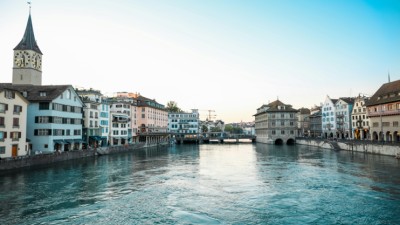
Zürich
Where lakeside calm meets a confident queer urban scene
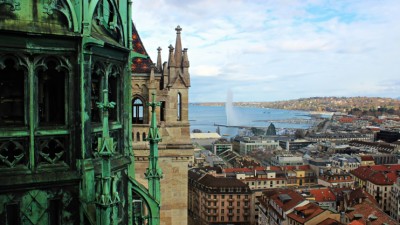
Geneva
Culture, rights, and lakeside calm in a city that stays connected to Europe.
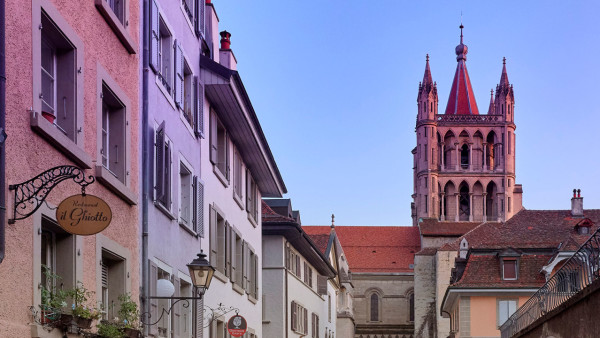
Lausanne
Where culture, visibility, and alpine access meet.
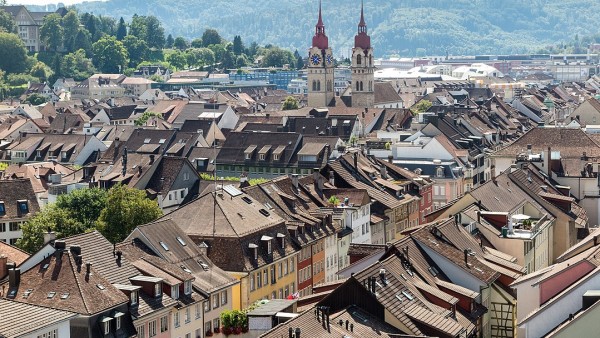
Winterthur
Where culture, cycling, and quiet urban exploration meet
Bern
Historic streets, modern rights, and a calm base for independent travel.