- LGBTQ+ Neutral
- 5 City Guides
- 0 Likes
- Leave a comment
About Bosnia and Herzegovina
Travel overview
Bosnia and Herzegovina is one of the Balkans’ most atmospheric and rewarding countries to visit: compact enough to explore in depth, yet varied enough to feel like several destinations in one trip.
It sits on the Balkan Peninsula in Southeast Europe, bordered by Croatia, Serbia, and Montenegro, with a small Adriatic outlet at Neum.
Most of the country is mountainous, and that topography shapes both the scenery and the way people travel through it: winding roads, river valleys, forested hills, and dramatic karst landscapes lead from one historic town to the next.
For many travelers, the appeal lies in the contrast.
Sarajevo is a capital with a layered identity, where Ottoman-era bazaars, Austro-Hungarian architecture, and modern city life meet in one walkable center.
Mostar is famous for its iconic Old Bridge and compact old town, while smaller cities and towns offer fortified remnants, riverside promenades, and slower-paced local life.
The country also has a short stretch of Adriatic coast, adding a coastal dimension that is unusual for a country best known for mountains and inland heritage.
Bosnia and Herzegovina’s cultural landscape is one of its defining features.
Centuries of Ottoman and Habsburg influence are visible in architecture, urban planning, food, and everyday customs.
The country’s modern history, especially the 1990s war and the siege of Sarajevo, remains an important part of its identity and is still visible in memorials, museums, and the built environment.
For visitors, this creates a destination that is not only scenic, but also deeply instructive—best approached with curiosity, respect, and time to absorb local context.
The country is especially appealing to travelers who enjoy walking historic centers, scenic rail or road journeys, and a strong sense of place.
Outside the main cities, Bosnia and Herzegovina offers rugged nature and outdoor possibilities, from mountain landscapes to river gorges and national parks.
While tourism infrastructure is not as extensive as in some better-known European destinations, that can be part of the charm: trips here often feel less packaged and more personal, with hospitality that can be warm and direct.
Food is a major part of the experience.
Bosnian cuisine reflects Ottoman, Central European, and regional Balkan influences, with dishes that are hearty, meat-forward, and often designed for sharing.
Travelers will encounter grilled meats, pastries, slow-cooked dishes, strong coffee culture, and sweets that are closely tied to local traditions.
Meals are often satisfying and affordable, and eating well is one of the easiest ways to understand the country’s cultural mix.
What makes Bosnia and Herzegovina distinctive is the combination of complexity and accessibility.
It is a country where different histories, religions, and architectural styles sit side by side, sometimes on the same street.
That diversity gives the travel experience a depth that goes beyond sightseeing.
For LGBTQ+ travelers, that means the destination’s value is often found less in a visible queer scene and more in the broader pleasures of travel: memorable cities, strong culture, beautiful landscapes, and the chance to experience a place that still feels underexplored.
As in much of the region, discretion and situational awareness remain important, but for travelers who value authenticity and context, Bosnia and Herzegovina can be a compelling and memorable journey.
Key places to know
Sarajevo is usually the essential starting point.
Its old quarters, café culture, museums, and everyday street life make it one of the most interesting capitals in Southeast Europe.
Mostar is the country’s best-known postcard image, but it also works well as a base for exploring nearby heritage sites and river landscapes.
Beyond those two, many travelers are drawn to towns and cities with Ottoman-era cores, Austro-Hungarian layers, or access to outdoor scenery.
The country’s appeal is often strongest when a trip combines urban history with time in smaller places and natural landscapes.
If you are planning a broader itinerary, Bosnia and Herzegovina pairs well with neighboring Balkan destinations because its borders are relatively easy to cross and its geography encourages overland travel.
The result is a country that can be experienced as a standalone trip or as part of a longer regional journey.
Either way, it tends to reward travelers who move slowly, stay curious, and make room for unplanned stops along the way.
LGBTQ+ Overview
Overview
Bosnia and Herzegovina is a legally mixed but socially uneven destination for LGBTQ+ travelers. Same-sex sexual activity is legal, and the country has made some limited legal advances in recent years, but protections remain incomplete and public attitudes are often conservative, especially outside the main urban centers. For most visitors, the experience is likely to be manageable if they are discreet and aware of local norms, but this is not a destination where travelers should expect broad social acceptance or consistently reliable legal protection.
The country is politically complex, with governance split between multiple entities and cantons, and this uneven structure is reflected in how LGBTQ+ issues are treated in practice. In Sarajevo and a few other larger cities, there is some visible LGBTQ+ community life and more openness than in rural areas, but visibility can still attract unwanted attention. Travelers who are visibly queer, trans, or traveling as an openly same-sex couple may face stares, verbal harassment, or social discomfort more often than in Western Europe.
Legal status
Same-sex sexual activity is legal in Bosnia and Herzegovina. The country also has some anti-discrimination protections in law, but these protections are narrower than in many Western European countries and do not amount to comprehensive equality. Same-sex marriage is not legally recognized, and there is no nationwide framework for civil unions or registered partnerships. Gender identity-related legal recognition and trans-specific protections are limited and can be difficult to navigate.
Because Bosnia and Herzegovina’s legal and administrative systems are decentralized, practical protections may vary by location and by institution. Travelers should not assume that a law on paper will translate into uniform treatment from police, landlords, employers, or service providers. If an issue arises, the formal legal route may be slow and unpredictable.
Social climate
The social climate is best described as mixed. Urban areas, particularly Sarajevo, are generally more open than smaller towns and rural communities, but even in cities many people are privately conservative. Public displays of affection between same-sex partners may draw attention and can be unwelcome. Negative stereotypes and quiet hostility remain common, though overt violence is not the norm for everyday visitors.
Travelers who are transgender or gender-nonconforming may encounter more practical difficulty than gay and lesbian travelers, especially in situations involving identification documents, hotel check-in, bathrooms, or formal interactions with officials. As in many places with conservative social norms, the safest approach is often to keep a low profile unless you already know the local environment is supportive.
Common traveler risks
The main risks are social rather than legal. These include uncomfortable questioning, stares, gossip, or occasional verbal harassment, especially if you are visibly affectionate with a same-sex partner or are perceived as gender-nonconforming. In most routine tourist settings, serious problems are unlikely, but travelers should be alert in nightlife areas, on public transport late at night, and in smaller communities where anonymity is lower.
Police protection for LGBTQ+ people cannot be assumed to be uniformly sensitive, even though laws prohibit some forms of discrimination. If you need assistance after harassment or an incident, responses may vary depending on the officer, the location, and whether English is spoken. As with any destination in the region, carrying copies of important documents and staying in reputable accommodations can reduce avoidable complications.
Support and practical resources
For travelers seeking current general country context, ILGA’s country information and the Bosnia and Herzegovina country entry on Wikipedia can be useful starting points, though neither replaces local advice. If you encounter problems, contact your embassy or consulate, especially in cases involving harassment, detention, lost documents, or threats to personal safety.
If you are planning a more openly visible trip, it is wise to research current conditions shortly before departure, choose accommodations carefully, and favor larger cities where anonymity is greater. Keep in mind that a supportive venue or community space one year may not remain so, and local conditions can change quickly with politics or public debate. Because verified, current LGBTQ+ traveler support organizations in Bosnia and Herzegovina are not reliably documented in the source pack, it is better to confirm local contacts through up-to-date human rights or embassy channels rather than relying on outdated online listings.
Recent trajectory
The overall trajectory has been gradual rather than dramatic: there have been some legal and civic gains, but no broad transformation in societal attitudes. That means travelers may notice a more open conversation in cities than in the past, yet day-to-day acceptance remains uneven. Bosnia and Herzegovina is best approached as a destination where LGBTQ+ travelers can visit safely with sensible precautions, but where discretion and situational awareness remain important.
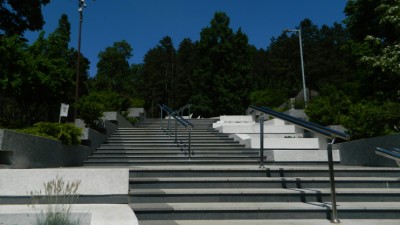
Tuzla
A welcoming stop where history, food, and everyday urban life meet.
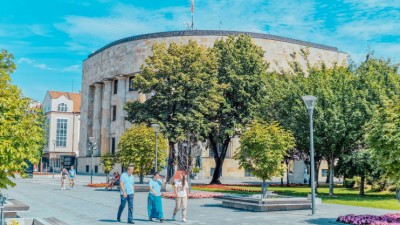
Banja Luka
Slow down, breathe, and discover a city shaped by riverside walks and regional culture.
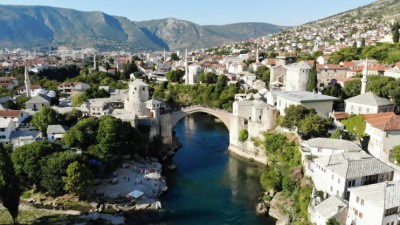
Mostar
A historic riverside city with a complex legal landscape and a place on the modern travel map.
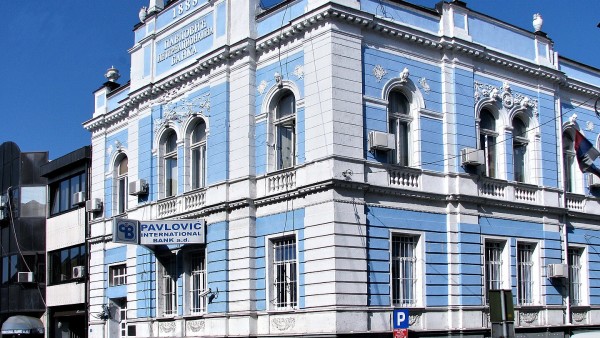
Bijeljina
Quiet travel, real insight, and a clear view of local life.
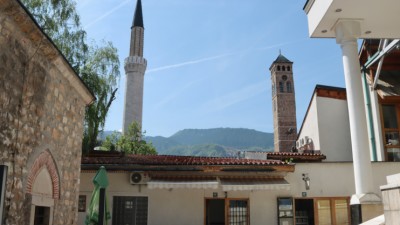
Sarajevo
Where old-world streets meet Balkan resilience