- Home
- Bosnia and Herzegovina
- Tuzla
About Tuzla
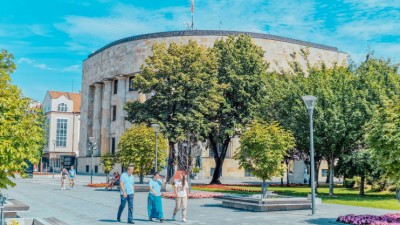
As the third-largest city in the country, it offers a unique blend of Ottoman, Austro-Hungarian, and Yugoslav influences visible in its architecture and local traditions.
From a culinary perspective, Tuzla is a delight with its diverse Bosnian cuisine and local specialties.Regarding the LGBTQ+ community, Tuzla, like much of Bosnia and Herzegovina, is still in the early stages of developing visible and openly supportive spaces.
While the city does not yet host large-scale LGBTQ+ events or have widely recognized LGBTQ+ landmarks, there is a growing awareness and dialogue around LGBTQ+ rights within the country.
Activism and support tend to be more concentrated in larger cities like Sarajevo, but Tuzla’s community is gradually becoming more visible.As a traveler interested in LGBTQ+ culture, it’s important to approach Tuzla with respect for local customs and awareness of the social climate.
The city’s warm hospitality and cultural richness make it a rewarding destination, especially for those who appreciate history, food, and emerging social progress.
Our Review
Community and Support in Tuzla
As a foodie traveler exploring Tuzla, I found that while the city is celebrated for its salt lakes and vibrant culinary scene, its LGBTQ+ community is still emerging in terms of visibility and organized support.
Unlike larger cities in Bosnia and Herzegovina, Tuzla does not currently have dedicated LGBTQ+ community centers or a wide network of local organizations focused solely on LGBTQ+ issues.
That said, there are national-level initiatives that extend their reach to Tuzla and the surrounding region.
For example, the Queer Sarajevo Festival is a well-known organization based in Sarajevo that promotes LGBTQ+ rights and culture through events, workshops, and advocacy.
Although their main activities are centered in Sarajevo, their influence and resources benefit LGBTQ+ individuals across Bosnia and Herzegovina, including Tuzla.
Regarding health services, inclusive and non-discriminatory care is essential.
In Tuzla, Sanitas Clinic is a reputable healthcare provider offering a range of services, including HIV/AIDS testing and counseling.
While specific mental health services tailored exclusively for LGBTQ+ clients are limited, seeking out healthcare professionals who emphasize confidentiality and respect is advisable.
Social spaces that welcome diversity are important for community building.
Tuzla does not have dedicated LGBTQ+ venues, but some local cafes and bars are known for their open and friendly atmospheres.
Keeping an eye on local event listings or social media groups can help identify occasional LGBTQ+ friendly gatherings or cultural events.
In summary, while Tuzla’s LGBTQ+ community infrastructure is still developing, national organizations and select health services provide valuable support.
For travelers like me, engaging with these resources and local culture offers a meaningful way to connect beyond the city’s renowned food scene.
Events and Nightlife in Tuzla from an LGBTQ+ Perspective
As someone passionate about exploring local cultures and cuisines, I found Tuzla to be a welcoming city with a warm atmosphere, though its LGBTQ+ scene is still quite modest compared to larger regional hubs.
When it comes to annual LGBTQ+ events, Tuzla currently does not host dedicated Pride parades, festivals, or marches.
The more visible and organized LGBTQ+ activism and events in Bosnia and Herzegovina tend to take place in Sarajevo, the capital, where groups like EKIPA and the Queer Sarajevo Festival operate.
Regarding nightlife, Tuzla does not have bars or clubs specifically identified as LGBTQ+ venues.
However, the city’s vibrant café culture and social spots provide inclusive environments where locals and visitors alike can enjoy relaxed evenings.
Many cafés and bars in the city center welcome a diverse crowd, making them comfortable places to unwind after a day of exploring.
While I didn’t find dedicated LGBTQ+ nightlife venues, I recommend embracing Tuzla’s lively café scene and sampling the local Bosnian cuisine in its many restaurants and eateries.
The hospitality here is genuine, and the atmosphere is friendly, which contributes to a positive experience for LGBTQ+ travelers.
For those interested in connecting with the broader LGBTQ+ community or attending larger events, Sarajevo remains the primary destination within Bosnia and Herzegovina.
Organizations such as EKIPA (an LGBTQ+ rights group) and the Queer Sarajevo Festival provide more structured opportunities for activism, socializing, and cultural engagement.
In summary, Tuzla offers a welcoming and inclusive environment, even if its LGBTQ+ events and nightlife are limited.
Pairing a visit here with time in Sarajevo can provide a fuller picture of the country’s LGBTQ+ scene while allowing you to enjoy Tuzla’s unique culinary offerings and warm local hospitality.
Cultural and Social Activities in Tuzla: An LGBTQ+ Friendly Perspective
Exploring Tuzla’s cultural scene as an LGBTQ+ traveler offers a unique window into the city’s rich heritage and evolving social landscape.
While Tuzla is not widely known for a distinct LGBTQ+ cultural circuit, its theaters, museums, and galleries provide welcoming spaces where diversity is gradually gaining visibility.
Theaters and Performing Arts
The Tuzla National Theater is the city’s main stage for theatrical performances, showcasing a variety of plays ranging from classical to contemporary works.
Though there are no regular LGBTQ+-specific productions, the theater occasionally hosts performances that touch on themes of identity and social issues, creating an inclusive atmosphere for all audiences.
Museums and Art Galleries
The Museum of Eastern Bosnia offers insight into the region’s history and culture, though it does not focus on LGBTQ+ topics.
For contemporary art lovers, the Art Gallery Tuzla presents rotating exhibitions that often feature local and regional artists.
While not explicitly LGBTQ+ themed, these spaces foster creative expression and provide a platform for diverse voices.
LGBTQ+ Specific Tours and Social Spaces
Currently, Tuzla does not have established LGBTQ+-specific tours or dedicated queer social venues.
However, the city’s growing openness means that local guides can often tailor experiences to be welcoming and respectful of LGBTQ+ travelers.
Engaging with local community groups or online forums before your visit can help identify safe and inclusive spaces.
Historical Landmarks
Tuzla’s historical landmarks, such as the Tuzla Salt Lakes and the Tuzla Cathedral, are significant cultural sites that reflect the city’s diverse heritage.
While these landmarks do not have specific LGBTQ+ historical associations, they contribute to the city’s inviting atmosphere and are well worth visiting.
Notable LGBTQ+ Figures and Influencers
There is limited publicly available information about notable LGBTQ+ figures from Tuzla.
The local LGBTQ+ community is primarily supported through grassroots activism and organizations working toward greater visibility and rights within Bosnia and Herzegovina.
In summary, while Tuzla’s LGBTQ+ cultural scene is still emerging, the city’s theaters, museums, and galleries offer meaningful opportunities to engage with its rich cultural fabric.
For LGBTQ+ travelers interested in authentic experiences within a respectful environment, Tuzla provides a welcoming destination to explore.
Accommodation in Tuzla: LGBTQ+ Friendly Hotels and Tips
As a foodie traveler exploring Tuzla, Bosnia and Herzegovina, I found that while the city is not widely known for a distinct LGBTQ+ scene, its hospitality sector generally offers a welcoming and professional environment.
Finding inclusive accommodation here is about choosing well-reviewed hotels in central, vibrant areas and using practical strategies to ensure a comfortable stay.
LGBTQ+ Friendly Hotels and Accommodations
Tuzla does not have hotels officially certified as LGBTQ+ friendly, but many mainstream hotels maintain professional standards and respectful service.
Here are some reliable options I recommend based on location, comfort, and guest feedback:
- Hotel Tuzla: Located in the city center, this hotel offers modern rooms and amenities.
It is popular among business and leisure travelers alike, with staff known for their professionalism. - Hotel Panonija: Situated near the Pannonian Lakes, this hotel combines comfort with scenic views.
It is a good base for exploring Tuzla’s culinary spots and natural attractions. - Hotel Mellain: A well-regarded option in the urban area, praised for cleanliness and attentive service.
Tips for Finding Inclusive Accommodation
- Use International Booking Platforms: Websites like Booking.com and TripAdvisor are valuable for reading recent guest reviews.
Look for mentions of respectful service and a welcoming atmosphere. - Contact Hotels Directly: If you have specific concerns, reaching out to the hotel before booking can clarify their approach to inclusivity.
- Choose Central Locations: Staying in Tuzla’s downtown area offers a more cosmopolitan vibe, with easier access to cafes, restaurants, and cultural sites.
Welcoming Areas and Neighborhoods
Tuzla’s city center is the most visitor-friendly area, bustling with cafes, eateries, and shops where locals and tourists mingle comfortably.
The area around the Pannonian Lakes is also popular for its relaxed atmosphere and natural beauty, making it a pleasant place to stay.
While Tuzla does not have a distinct LGBTQ+ nightlife or dedicated queer spaces, the general hospitality culture is respectful.
As always, I recommend exercising standard travel awareness and discretion, but overall, Tuzla offers a welcoming environment for LGBTQ+ travelers who appreciate good food, culture, and friendly service.
Dining and Entertainment in Tuzla: An LGBTQ+ Friendly Perspective
As a foodie traveler exploring Tuzla, Bosnia and Herzegovina, I found the city offers a warm and welcoming atmosphere, even though it is still developing its LGBTQ+ scene.
While there are no specifically LGBTQ+ themed restaurants or bars in Tuzla, many local venues are inclusive and friendly, making it a comfortable place to enjoy the local cuisine and entertainment.
Dining: LGBTQ+ Friendly Restaurants and Cafes
Tuzla’s dining scene is centered around traditional Bosnian cuisine, with a growing number of cafes and eateries that welcome all guests with respect and hospitality.
- Restoran Pivnica: Located near the city center, this restaurant is known for its authentic Bosnian dishes such as ćevapi and burek.
The staff are friendly and professional, creating a relaxed environment for all visitors. - Art Cafe: A popular spot for coffee and light meals, Art Cafe offers a cozy atmosphere with occasional cultural events.
It is a great place to unwind and meet locals in an inclusive setting. - Chill & Grill: This casual eatery offers a varied menu including vegetarian options and outdoor seating.
The staff are welcoming, and the venue is well-suited for a laid-back meal.
Entertainment: Cinemas, Theaters, and Live Performances
While Tuzla does not have dedicated LGBTQ+ entertainment venues, the city’s cultural institutions maintain an open and respectful environment.
- Kino Centar Tuzla: The main cinema in Tuzla screens a mix of international and regional films.
The staff are accommodating, and the venue is a comfortable place to enjoy movies. - Tuzla National Theater: Hosting plays and concerts, this theater embraces diversity in its programming and audiences.
Checking their schedule in advance can reveal interesting performances. - Club Teatar: Known for live music and events, Club Teatar attracts a diverse crowd and offers a lively nightlife option.
Overall, while Tuzla’s LGBTQ+ scene is still emerging, the city’s dining and entertainment venues are generally inclusive and welcoming.
For travelers seeking more specialized LGBTQ+ resources or events, connecting with local community groups or online platforms is advisable.
Meanwhile, I found Tuzla to be a rewarding destination for exploring Bosnian flavors and cultural experiences in a respectful and friendly setting.
Travel Tips for LGBTQ+ Travelers Visiting Tuzla
Visiting Tuzla, Bosnia and Herzegovina, offers a unique opportunity to explore a city known for its rich history and vibrant culinary scene.
As an LGBTQ+ traveler, it’s important to approach your visit with practical awareness of the local culture and social environment.
Understanding Local Customs
Bosnia and Herzegovina is a country with diverse cultural and religious influences, and Tuzla is one of its more open and multicultural cities.
However, public displays of affection between same-sex couples are uncommon and may attract unwanted attention.
I recommend keeping such expressions discreet to respect local sensitivities.
Dos and Don'ts
- Do enjoy the local food scene—Tuzla is famous for dishes like burek and ćevapi, which you can find at local bakeries and street vendors.
- Do stay in central neighborhoods where there is more foot traffic and a generally safer environment.
- Don't openly discuss LGBTQ+ topics with strangers, as social attitudes can be conservative outside of private or trusted circles.
- Don't assume that the legal protections and social acceptance you may be used to in other countries apply here.
Travel Safety
Tuzla is generally considered safe for tourists, but as with any city, it’s wise to stay aware of your surroundings.
Avoid poorly lit or isolated areas at night, and keep your belongings secure.
If you encounter any issues, local police stations are accessible, and many people in Tuzla are welcoming and helpful.
Connecting with the Local LGBTQ+ Community
Tuzla does not have a prominent or visible LGBTQ+ nightlife or dedicated venues.
However, connecting with the community online before your trip can be helpful.
Social media groups and forums focused on LGBTQ+ issues in Bosnia and Herzegovina may provide insights and contacts.
While in Tuzla, cafes and cultural events can be good places to meet locals in a relaxed setting.
Overall, approaching Tuzla with respect and an open mind will allow you to enjoy its culinary delights and cultural richness while staying safe and comfortable during your visit.
Conclusion: Navigating Tuzla as an LGBTQ+ Traveler
Exploring Tuzla through an LGBTQ+ lens reveals a city rich in cultural heritage and culinary delights, yet still evolving in terms of LGBTQ+ visibility and acceptance.
As a foodie traveler, I found Tuzla’s traditional Bosnian cuisine—like ćevapi and burek—to be a genuine highlight, offering a warm and authentic experience that connects you deeply with local culture.
However, it’s important to recognize that Tuzla, and Bosnia and Herzegovina more broadly, remain conservative in many social aspects.
Dedicated LGBTQ+ venues and events are limited, so discretion and cultural sensitivity are essential.
While the city’s hospitality is genuine, public displays of LGBTQ+ identity may attract unwanted attention, so I recommend staying mindful of your surroundings.
For LGBTQ+ travelers seeking a more visible community or nightlife, nearby Sarajevo offers more established options and occasional events, making it a worthwhile day trip or extension of your journey.
In summary, Tuzla’s strengths lie in its welcoming locals, delicious food, and beautiful surroundings, including the unique Pannonian Lakes.
The challenges stem from limited LGBTQ+ infrastructure and social conservatism, which call for respectful engagement and awareness.
If you approach Tuzla with an open mind and a focus on its culinary and cultural offerings, you’ll find a rewarding destination that invites you to experience Bosnia and Herzegovina beyond the usual tourist paths.
Embrace the city’s flavors, its history, and the warmth of its people, and you’ll leave with memories that go far beyond the plate.