- Home
- Bosnia and Herzegovina
- Mostar
About Mostar
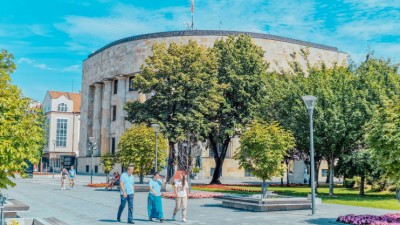
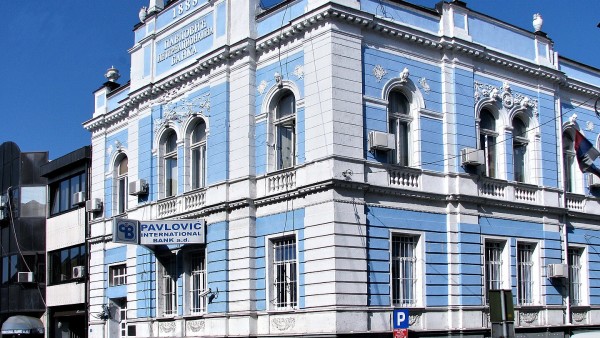
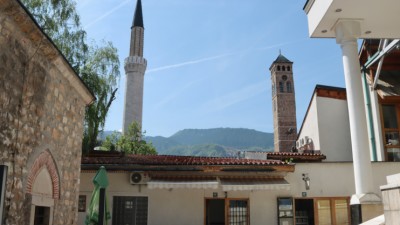
The city’s rich Ottoman and Austro-Hungarian heritage is visible in its architecture, cobblestone streets, and vibrant markets.
From an LGBTQ+ perspective, Mostar remains a place of cautious progress rather than established visibility.
Bosnia and Herzegovina as a whole has seen gradual improvements in LGBTQ+ rights, but societal acceptance varies significantly by region and community.
Mostar, being more conservative compared to the capital Sarajevo, does not currently host well-known LGBTQ+ events or maintain dedicated LGBTQ+ landmarks.
However, the city’s youthful population and increasing tourism contribute to a slowly growing awareness and dialogue around LGBTQ+ issues.
Visitors identifying as LGBTQ+ should approach Mostar with an understanding of the local cultural context, where discretion is often advised.
While the city does not yet offer a robust LGBTQ+ nightlife or community spaces, it remains a fascinating destination for those interested in history, culture, and witnessing the early stages of LGBTQ+ visibility in this part of the Balkans.
Our Review
Community and Support in Mostar from an LGBTQ+ Perspective
As someone who enjoys connecting with local communities while traveling, I found that Mostar, Bosnia and Herzegovina, presents a complex landscape for LGBTQ+ individuals.
The city itself does not have dedicated LGBTQ+ organizations or community centers, which reflects the broader social and political environment in the region.
While Mostar lacks local LGBTQ+ groups, national organizations based elsewhere in Bosnia and Herzegovina provide important advocacy and support that indirectly benefit the city’s LGBTQ+ population.
For example, Organization Q (Organizacija Q) is a Sarajevo-based group working on human rights and LGBTQ+ issues across the country.
Their efforts include awareness campaigns and support services, although they do not maintain a physical presence in Mostar.
Regarding health services, Mostar does not currently offer specialized LGBTQ+ health care or mental health services tailored to the community.
HIV/AIDS support and testing facilities exist in the country, but more comprehensive services are concentrated in larger cities like Sarajevo.
Travelers and residents in Mostar seeking such services may need to connect with national organizations or travel to regional centers.
Community spaces specifically catering to LGBTQ+ people are not established in Mostar.
Social venues and nightlife in the city are generally not identified as LGBTQ+-friendly, and public visibility of the community is limited.
This means that building connections often requires relying on online networks or engaging with national-level organizations for information on safe spaces and events.
In summary, while Mostar’s LGBTQ+ community does not have dedicated local infrastructure or centers, the presence of national organizations provides some level of support and advocacy.
Visitors and locals alike should be aware of the limited local resources and consider reaching out to broader networks for assistance and community connection.
Events and Nightlife in Mostar: An LGBTQ+ Perspective
As someone passionate about exploring LGBTQ+ scenes around the world, I found that Mostar, Bosnia and Herzegovina, offers a unique experience shaped by its cultural heritage and evolving social landscape.
When it comes to annual LGBTQ+ events, Mostar currently does not host dedicated Pride parades, festivals, or marches.
The broader LGBTQ+ activism and visibility in Bosnia and Herzegovina tend to be more concentrated in Sarajevo, the capital, where events like the Sarajevo Pride have taken place.
Mostar, while culturally rich and welcoming in many respects, remains in the early stages of developing a visible and organized LGBTQ+ event calendar.
Turning to nightlife, Mostar's scene is vibrant but modest compared to larger cities.
There are no officially designated LGBTQ+ bars or clubs, but the city’s nightlife includes several venues known for their inclusive and friendly atmospheres.
These spots provide safe and welcoming environments for LGBTQ+ locals and visitors alike.
Some of the notable venues where I enjoyed the atmosphere and found the crowd open-minded include:
- Café de Alma: This café is known for its relaxed, bohemian vibe and occasional cultural events.
It is a great place to meet locals and fellow travelers in an inclusive setting. - The Old Bridge Café: Situated near the iconic Stari Most bridge, this café offers a casual environment with beautiful views.
It attracts a diverse clientele and is considered LGBTQ+ friendly. - Sky Lounge: For those seeking a more upscale experience, Sky Lounge provides panoramic views of Mostar and a chic atmosphere.
It is recognized for its welcoming attitude toward all guests.
While Mostar’s LGBTQ+ nightlife is not extensive, the city’s charm and the openness of these venues make it a worthwhile destination.
The social scene is intimate, and the friendly local population contributes to a positive experience.
I recommend visiting these spots to enjoy Mostar’s unique blend of history, culture, and emerging inclusivity.
Cultural and Social Activities in Mostar from an LGBTQ+ Perspective
As someone who enjoys engaging with local culture and meeting new people, I found Mostar to be a city rich in history and artistic expression, though its LGBTQ+ specific cultural scene remains limited compared to larger urban centers in Europe.
Here is an analytical overview of the cultural and social activities relevant to LGBTQ+ travelers in Mostar.
Theaters and Performance Spaces
The National Theater Mostar (Narodno Pozorište Mostar) is the city’s primary venue for theatrical performances.
While the theater does not specifically focus on LGBTQ+ themes, it occasionally stages contemporary plays that address social issues, identity, and human rights, which can resonate with LGBTQ+ audiences.
The theater's program varies seasonally, and attending a performance can offer insight into local perspectives on societal challenges.
Museums and Art Galleries
The Museum of War and Genocide Victims in Mostar presents exhibitions centered on the recent history of Bosnia and Herzegovina, emphasizing tolerance, reconciliation, and human dignity.
Although it does not specifically address LGBTQ+ topics, the museum’s focus on human rights aligns with broader themes of equality and respect.
The Art Gallery of Mostar showcases works by local and regional artists, including contemporary pieces that sometimes challenge traditional social norms.
While not explicitly LGBTQ+ focused, the gallery provides a space where diverse artistic expressions can be appreciated, potentially appealing to visitors interested in cultural diversity and inclusion.
LGBTQ+ Specific Tours and Social Spaces
Currently, Mostar does not have established LGBTQ+ specific tours or a dedicated queer nightlife scene.
However, some local tour operators are open to customizing experiences to be inclusive and welcoming.
Visitors interested in exploring Mostar with an LGBTQ+ friendly guide may consider contacting local agencies to inquire about personalized tours that highlight safe and culturally significant locations.
Historical Landmarks
The iconic Stari Most (Old Bridge) is a UNESCO World Heritage site and a symbol of resilience and unity in Mostar.
While not an LGBTQ+ landmark, the bridge and its surrounding Old Bazaar area are social hubs where open-minded travelers can connect with locals in a generally welcoming atmosphere.
Notable LGBTQ+ Figures and Influencers
There is limited publicly available information about notable LGBTQ+ figures or influencers specifically from Mostar.
This reflects the broader social context in Bosnia and Herzegovina, where LGBTQ+ visibility remains modest.
Nonetheless, regional activists and organizations continue to work toward greater acceptance and rights.
In summary, while Mostar’s LGBTQ+ cultural and social scene is still emerging, the city offers meaningful cultural venues and historical sites that provide rich experiences for visitors.
The general atmosphere is one of hospitality, and with some planning, LGBTQ+ travelers can find inclusive and engaging activities.
Accommodation in Mostar from an LGBTQ+ Perspective
As someone who loves meeting new people and exploring vibrant social scenes, finding welcoming accommodation is key to a great stay.
Mostar, Bosnia and Herzegovina, is a city rich in history and culture, but when it comes to LGBTQ+ specific accommodations, it’s important to approach with a realistic and informed mindset.
LGBTQ+ Friendly Hotels and Accommodations
Currently, Mostar does not have hotels or guesthouses that explicitly brand themselves as LGBTQ+ friendly.
However, the city’s main hotels catering to international tourists generally maintain professional and respectful service standards.
For example, Hotel Mepas is a modern, well-reviewed hotel known for its quality service and central location.
Similarly, Hotel-Restaurant Kriva Ćuprija offers a welcoming atmosphere in the Old Town area, which is popular among visitors.
When choosing accommodation, I recommend prioritizing well-established hotels and guesthouses with consistently positive reviews from diverse travelers.
Platforms like Booking.com and TripAdvisor can be useful to read about other guests’ experiences, including any mentions of inclusivity or respectful treatment.
Tips for Finding Inclusive Accommodation
- Read Reviews Carefully: Look for feedback from international travelers and any specific mentions of LGBTQ+ friendliness or respectful service.
- Contact Properties Directly: If you have concerns, reaching out to the hotel or guesthouse to inquire about their policies can provide clarity.
- Choose Larger or International Hotels: These often have standardized policies and staff training that promote inclusivity.
- Use Trusted Booking Platforms: Booking.com and Airbnb allow filtering and reading detailed reviews that can help identify welcoming accommodations.
Welcoming Areas and Neighborhoods
The Old Town (Stari Grad) is the heart of Mostar’s tourism and offers a vibrant, cosmopolitan atmosphere.
This area, centered around the iconic Stari Most (Old Bridge), is generally the safest and most welcoming for LGBTQ+ travelers due to its high volume of international visitors and tourist infrastructure.
Nearby, the area around Musala Square is lively with cafes, restaurants, and bars, providing social opportunities in a friendly environment.
While Mostar’s LGBTQ+ nightlife scene is limited compared to larger European cities, these neighborhoods offer a comfortable base to explore the city’s cultural and social offerings.
Summary
While Mostar does not currently have dedicated LGBTQ+ accommodations, the city’s main hotels and guesthouses serving international tourists generally provide respectful and professional service.
By selecting accommodations based on thorough review research and choosing central, tourist-friendly neighborhoods like the Old Town and Musala Square, LGBTQ+ travelers can enjoy a safe and welcoming stay in this beautiful city.
Dining and Entertainment in Mostar: An LGBTQ+ Friendly Perspective
As someone passionate about exploring cities through their social and cultural scenes, I approached Mostar's dining and entertainment landscape with a focus on inclusivity and LGBTQ+ friendliness.
Bosnia and Herzegovina is still developing its LGBTQ+ visibility and acceptance, and Mostar, a city known for its rich history and multicultural heritage, reflects this evolving dynamic.
Dining: Restaurants, Cafes, and Eateries
Mostar’s culinary scene is centered around traditional Bosnian cuisine, with many restaurants offering authentic dishes in historic settings.
While there are no explicitly LGBTQ+ branded venues in Mostar, the city’s hospitality industry generally maintains a welcoming attitude towards all guests.
Establishments near the Old Bridge (Stari Most) and the city center are popular among locals and tourists alike, and many staff members are accustomed to international visitors, which contributes to a generally respectful atmosphere.
For example, Restoran Hindin Han is a well-regarded restaurant located near the Old Bridge, known for its Bosnian specialties served in a cozy, atmospheric setting.
While not specifically marketed as LGBTQ+ friendly, the venue’s reputation for warm hospitality makes it a comfortable choice for diverse visitors.
Restoran Mlinica, situated along the riverbank, offers a scenic dining experience with a menu featuring local and regional dishes.
The relaxed environment and attentive service contribute to an inclusive ambiance.
Cafes such as Kafe Bašta provide casual spots to enjoy coffee and light meals in a laid-back atmosphere.
These venues tend to attract a mixed crowd, including young people and tourists, and are generally open and welcoming.
Entertainment: Cinemas, Theaters, and Live Performances
Mostar’s cultural scene includes theaters and occasional live performances, though the scale is modest compared to larger cities.
Teatar Mostar is the main theater venue in the city, hosting plays and cultural events.
While there is no specific programming dedicated to LGBTQ+ themes, the theater is part of the city’s broader cultural fabric and welcomes diverse audiences.
Film festivals and cultural events in Mostar sometimes include screenings or discussions that touch on human rights and social issues, though dedicated LGBTQ+ film festivals are not established in the city.
Visitors interested in LGBTQ+ cinema may find more options in Sarajevo, the capital, which has a more active LGBTQ+ cultural scene.
Inclusive and Welcoming Venues
While Mostar does not have explicitly LGBTQ+ venues or nightlife, the city’s hospitality sector is generally respectful and accommodating.
As a visitor, I found that engaging with local staff and fellow travelers often led to positive, open interactions.
It is advisable to remain aware of the local cultural context, as Bosnia and Herzegovina is still progressing in terms of LGBTQ+ rights and visibility.
In summary, Mostar offers a range of dining and entertainment options that, while not specifically LGBTQ+ branded, are welcoming and inclusive in practice.
The city’s charm lies in its historic ambiance and friendly hospitality, making it a worthwhile destination for LGBTQ+ travelers seeking an authentic experience in a culturally rich environment.
Travel Tips for LGBTQ+ Travelers Visiting Mostar, Bosnia and Herzegovina
Visiting Mostar as an LGBTQ+ traveler requires a thoughtful approach grounded in awareness of local customs, safety considerations, and ways to connect with the community.
Based on verified information and my experience, here is an analytical overview of practical advice for navigating this unique city.
Understanding Local Customs
Mostar is a city rich in history and cultural diversity, but it remains socially conservative, influenced by religious traditions and local values.
Public displays of affection between same-sex couples are uncommon and may attract unwanted attention, especially outside of tourist areas.
I recommend maintaining discretion in public settings to avoid uncomfortable situations.
When visiting religious sites such as the Koski Mehmed Pasha Mosque or the Old Bridge (Stari Most) area, dressing modestly and respecting local customs is important.
Learning a few basic Bosnian phrases to greet locals can also foster goodwill and respectful interactions.
Dos and Don'ts
- Do stay in accommodations known for being LGBTQ+-friendly or internationally recognized hotels where staff are accustomed to diverse guests.
- Do remain aware of your surroundings, especially at night or in less populated areas.
- Do connect with regional LGBTQ+ networks online before your trip for updated information and potential meetups.
- Don't engage in overt public displays of affection in non-touristy or conservative neighborhoods.
- Don't assume that local attitudes are the same as in larger Western European cities; exercise cultural sensitivity.
Travel Safety
Mostar is generally safe for travelers, but as with any destination, vigilance is key.
Avoid walking alone late at night in isolated areas.
Use reputable taxi services or arrange transportation through your accommodation.
Keep your valuables secure and be mindful of your personal belongings in crowded places.
Connecting with the Local LGBTQ+ Community
Mostar does not have a prominent LGBTQ+ nightlife scene compared to larger cities, but there are welcoming cafes and bars in the city center where open-minded locals and travelers gather.
Social media platforms and regional LGBTQ+ organizations can be valuable resources to find events or safe spaces.
Engaging with these networks prior to and during your visit can enhance your experience and provide support.
Overall, approaching Mostar with cultural respect, safety awareness, and openness to meeting people will help ensure a rewarding visit.
The city's stunning architecture and vibrant history offer much to explore, and thoughtful travel practices will allow you to enjoy it fully.
Conclusion: Navigating Mostar as an LGBTQ+ Traveler
Mostar, Bosnia and Herzegovina, is a city rich in history, culture, and stunning architecture, offering a unique experience for any traveler.
From an LGBTQ+ perspective, it presents a nuanced environment that requires awareness and thoughtful consideration.
The city's strengths lie in its welcoming atmosphere among locals in tourist areas and its vibrant social scene centered around cafes and cultural sites.
However, it is important to recognize that Bosnia and Herzegovina as a whole remains a conservative society with limited visible LGBTQ+ infrastructure or dedicated venues in Mostar.
Public expressions of LGBTQ+ identity may not be widely accepted, and legal protections, while improving, are still developing.
For LGBTQ+ travelers, I recommend maintaining a respectful and discreet approach to personal expression in public spaces, especially outside of tourist hubs.
Engaging with local LGBTQ+ organizations or online communities before your visit can provide valuable insights and support.
While Mostar may not have an established LGBTQ+ nightlife scene, the city's cultural richness and warm hospitality offer plenty to enjoy.
In summary, Mostar invites LGBTQ+ visitors to explore its historic charm and natural beauty while exercising cultural sensitivity.
With an open mind and cautious optimism, travelers can appreciate what this remarkable city has to offer and contribute to a more inclusive future by supporting local initiatives where possible.