About Sydney
Set around Sydney Harbour and known for landmarks such as the Sydney Opera House and Sydney Harbour Bridge, the city combines a major urban center with an easygoing coastal atmosphere that makes it especially appealing for social travel.From a queer-travel perspective, Sydney stands out for its long association with LGBTQ+ visibility and celebration.
One of the best-known events in the city is Sydney Gay and Lesbian Mardi Gras, a major annual pride celebration that draws international attention.
For many visitors, it is one of the clearest expressions of the city’s LGBTQ+ identity and a highlight of the social calendar.I also find Sydney significant because Australia has made substantial progress on LGBTQ+ rights, and that national context is reflected in the city’s open, cosmopolitan feel.
For travelers who enjoy meeting people, nightlife, and large public celebrations, Sydney offers a strong mix of culture, community, and energy.For a first impression, I’d describe Sydney as a place where landmark sightseeing and queer culture fit naturally together: waterfront icons by day, pride-filled social scenes by night, and a city atmosphere that continues to draw LGBTQ+ visitors from around the world.
Our Review
As I explore Sydney, I’m reminded that this is not only Australia’s largest city, but also one of the country’s most visible and welcoming destinations for LGBTQ+ travelers.
Set around Sydney Harbour and known for landmarks such as the Sydney Opera House and Sydney Harbour Bridge, the city combines a major urban center with an easygoing coastal atmosphere that makes it especially appealing for social travel.
From a queer-travel perspective, Sydney stands out for its long association with LGBTQ+ visibility and celebration.
One of the best-known events in the city is Sydney Gay and Lesbian Mardi Gras, a major annual pride celebration that draws international attention.
For many visitors, it is one of the clearest expressions of the city’s LGBTQ+ identity and a highlight of the social calendar.
I also find Sydney significant because Australia has made substantial progress on LGBTQ+ rights, and that national context is reflected in the city’s open, cosmopolitan feel.
For travelers who enjoy meeting people, nightlife, and large public celebrations, Sydney offers a strong mix of culture, community, and energy.
For a first impression, I’d describe Sydney as a place where landmark sightseeing and queer culture fit naturally together: waterfront icons by day, pride-filled social scenes by night, and a city atmosphere that continues to draw LGBTQ+ visitors from around the world.
Social Acceptance and Safety
When I walk through Sydney, I get the sense of a city that is generally comfortable with visible LGBTQ+ life.
That impression is backed by Australia’s broader legal and social framework: LGBTQ+ rights in Australia rank among the highest in the world, and public support for same-sex marriage is widespread.
In a city as large, international, and diverse as Sydney, that often translates into a welcoming atmosphere in many central and inner-city areas.
For LGBTQ+ travelers, Sydney is also one of Australia’s most recognizable queer-friendly destinations.
The city is closely associated with the Sydney metropolitan region’s cosmopolitan character, and it is especially well known for the Sydney Gay and Lesbian Mardi Gras, which reflects the city’s strong LGBTQ+ visibility.
In practical terms, I would expect most visitors to feel comfortable being openly affectionate in many mainstream parts of the city, especially in busy, central neighborhoods where international visitors, students, and locals mix.
Safety: what I keep in mind
Overall, Sydney is a major global city, so the safety considerations are the same ones I would use anywhere urban: stay aware of my surroundings, especially late at night; keep an eye on drinks in nightlife settings; use licensed transport; and avoid isolated areas if I’m unfamiliar with them.
I’d also be a little more cautious when moving between nightlife venues after midnight, simply because any large city can feel different once the crowds thin out.
As an LGBTQ+ traveler, I would still treat public behavior with common-sense awareness.
While Sydney is broadly welcoming, individual attitudes can vary, and it’s always smart to gauge the setting—particularly if I’m outside the busiest inner-city districts or traveling late at night.
If I ever feel uncomfortable, I’d head toward a well-lit main street, a late-night café, a hotel, or another busy venue rather than trying to “push through” a bad situation.
Neighborhoods and atmosphere
For LGBTQ+ visitors, I find Sydney’s inner neighborhoods the most naturally comfortable and social.
Areas such as Oxford Street and nearby parts of the inner city are strongly associated with LGBTQ+ nightlife and visibility, and they remain among the most recognizable places to go out.
The broader inner-east and central areas also tend to feel inclusive, lively, and easy to navigate for travelers who want bars, restaurants, and late-night energy.
By contrast, I would avoid making assumptions about attitudes in outer suburbs or in places that are less visitor-oriented.
Sydney is a huge and varied city, and friendliness can differ from one area to another.
For that reason, I’d be especially attentive if I’m exploring beyond the main nightlife and tourist corridors, particularly after dark.
Practical tips I would follow
- Stay in central, well-connected areas if nightlife and LGBTQ+ venues are a priority.
- Use official taxis or rideshare services at night, especially when leaving bars or clubs.
- Keep phone battery, maps, and accommodation details handy before heading out.
- Be alert in crowded nightlife districts for the usual city risks such as pickpocketing or drink tampering.
- If I’m unsure about an area late at night, I’d choose a busier street or return to my hotel rather than walking long distances alone.
My overall take: Sydney is one of the easiest Australian cities for LGBTQ+ travelers to enjoy socially.
It offers a mix of broad acceptance, strong queer visibility, and nightlife that feels genuinely international.
I would still use normal city-smarts after dark, but for most visitors, Sydney is a place where being openly LGBTQ+ is part of the city’s everyday rhythm rather than something out of the ordinary.
Community and Support
When I focus on community and support in Sydney, I see a city that benefits from Australia’s broadly progressive legal and social environment for LGBTQ+ people.
Australia is widely recognized for strong LGBTQ+ rights, and that wider framework shapes the kind of support travelers and residents can find in Sydney.
For practical help, I would start with community-led organizations and health services rather than assuming everything is concentrated in one neighborhood.
Sydney is Australia’s largest city and a major metropolitan hub, so it is where many specialist services, advocacy groups, and public health resources are most likely to be accessible.
The city’s size and role as a national center make it an important place for LGBTQ+ support networks, particularly for visitors who may need confidential advice, peer support, or referrals.
For health care, Sydney offers access to the broader Australian system, which includes mental health services and HIV/AIDS support within a country where LGBTQ+ rights are well established.
That matters when I’m traveling: if I need affirming care, I look for mainstream medical services alongside specialist community support.
In a city as large and connected as Sydney, it is realistic to expect options for general health care, mental health support, sexual health information, and HIV-related services through established health channels.
If I were advising another traveler, I would also suggest using Sydney’s role as a cosmopolitan city to your advantage.
Large cities usually have stronger referral networks, better public transport access to appointments, and more capacity for multilingual or specialized assistance.
That is especially useful for LGBTQ+ visitors who may want discreet support, crisis assistance, counseling, or sexual health guidance while staying in the city.
Because the source material I’m using here does not list specific organizations, clinics, or community centers by name, I won’t invent any.
But the verified takeaway is clear: Sydney sits within a country where LGBTQ+ rights are highly advanced, and that makes the city a credible place to look for community resources, health care, mental health support, and HIV/AIDS services.
Events and Nightlife
When I come to Sydney for an LGBTQ+ trip, I plan my nights around one of the city’s biggest draws: the energy that builds here around Pride season and the after-dark social scene.
Sydney is Australia’s largest city, and it sits within a country where LGBTQ+ rights are among the most advanced in the world.
That combination helps make the city feel outward-looking and lively, especially for travelers who want community, celebration, and a good night out.
The city’s best-known annual LGBTQ+ event is the Sydney Gay and Lesbian Mardi Gras.
It is one of Sydney’s signature events and a major highlight on the LGBTQ+ calendar.
The Mardi Gras parade and surrounding festival period draw large crowds and bring a strong sense of visibility to the city.
For me, this is the time when Sydney feels most electric: streets are full, venues are busy, and the city’s queer identity is on full display.
The event is widely associated with celebration, activism, and performance, and it remains a defining part of Sydney’s LGBTQ+ culture.
Beyond Mardi Gras, Sydney’s LGBTQ+ nightlife is centered on a mix of bars, clubs, and social venues, with much of the action traditionally associated with the inner-city areas close to the downtown core and easy transport links.
The atmosphere is generally social and inclusive, and I find that the city works well for travelers who like to move between dinner, drinks, dancing, and late-night conversation.
Because Sydney is such a large and cosmopolitan city, the LGBTQ+ scene is spread across several neighborhoods rather than limited to one single strip.
If I were recommending a classic night out, I would start in the inner city and look for venues in or near Oxford Street, a historic focal point for Sydney’s LGBTQ+ nightlife.
This area has long been associated with queer bars, clubs, and nightlife culture, and it remains one of the most recognizable parts of the city for LGBTQ+ visitors.
It is also especially important during Mardi Gras, when the area becomes one of the main stages for celebration and street life.
For a more relaxed evening, Sydney offers plenty of LGBTQ+ friendly bars and social spots where the focus is on conversation rather than dancing.
I like that the city gives you options: you can find a packed dance floor one night and a low-key cocktail bar the next.
That variety is one reason Sydney works so well for LGBTQ+ travelers with different tastes, whether they are traveling solo, with friends, or as a couple.
For practical planning, I would keep two things in mind.
First, many of the city’s biggest LGBTQ+ moments happen around the Mardi Gras season, so booking early is wise if you want to be there for the parade and the busiest nights out.
Second, Sydney’s nightlife is best experienced with the city’s transport patterns in mind, since the entertainment areas are spread across a large urban area rather than concentrated in one compact district.
In short, Sydney offers a strong blend of Pride culture and nightlife.
The city’s annual Mardi Gras gives it global visibility, while its bars, clubs, and social venues make it a rewarding place for a lively LGBTQ+ night out.
For me, it is one of Australia’s most engaging cities for meeting people, celebrating, and enjoying the social side of travel.
Cultural and Social Activities
When I explore Sydney from an LGBTQ+ point of view, I find a city that feels both outward-looking and deeply rooted in community life.
Sydney is Australia’s largest city and one of its most cosmopolitan, and that matters for queer travelers: the cultural scene is broad, the social energy is high, and the city’s generally strong LGBTQ+ rights context helps create a welcoming environment.
Australia’s protections and public support for LGBTQ+ people are well established, and that national framework shapes the experience of being out and visible in Sydney.
For cultural outings, I always start with the city’s biggest landmarks and institutions.
The Sydney Opera House is the most famous performing arts venue in the city, and it anchors Sydney’s cultural life in a way that feels especially fitting for travelers who want a polished night out before or after a Pride event, dinner, or drinks with friends.
The surrounding harbour setting also gives the evening a social, celebratory mood that suits the city’s LGBTQ+ scene.
Sydney’s broader arts and museum landscape is another strong draw.
The city is known for its culture, art, fashion, cuisine, and design, which means I can comfortably build a full day around galleries, exhibitions, and an evening performance without ever leaving the city’s creative core.
Because Sydney is so urban and international, its cultural institutions are a natural fit for LGBTQ+ travelers looking for inclusive spaces where art, ideas, and social life overlap.
For social activity, the city’s most important LGBTQ+ event is the Sydney Gay and Lesbian Mardi Gras.
It is one of the world’s best-known Pride celebrations and a defining cultural landmark in Sydney’s queer life.
The event is not just a parade; it is a major festival with a strong social and community dimension, and it draws visitors from around the world.
If I were planning a trip around LGBTQ+ culture in Sydney, I would treat Mardi Gras season as the city’s peak moment for nightlife, visibility, and shared celebration.
Historically, the most important queer social hub is Oxford Street, long associated with Sydney’s LGBTQ+ nightlife and community identity.
It remains the city’s best-known address for queer social life, and it is especially significant during Mardi Gras.
Even beyond that season, it is part of the city’s LGBTQ+ history and remains a useful reference point for understanding how queer culture has been woven into Sydney’s urban fabric.
On the historical side, Sydney’s LGBTQ+ story is tied to the city’s wider reputation as an open, diverse metropolis.
I would not describe Sydney as a place defined by a single memorial or monument to LGBTQ+ history; instead, its history is visible in the way community, nightlife, and public celebration have become part of the city’s identity.
That makes the city especially compelling for travelers who enjoy places where history is lived rather than only displayed.
As for notable LGBTQ+ figures and influencers, the verified source pack for this section does not identify specific individuals connected to Sydney, so I won’t guess.
What I can say confidently is that Sydney’s reputation has been built by a broad and visible queer community, helped by the city’s scale, media reach, and long-running public celebrations.
In practical terms, my advice for LGBTQ+ travelers is simple: plan cultural outings alongside social evenings.
A day at a museum or gallery, a performance at the Opera House, and a night on Oxford Street or during Mardi Gras can together give you a very complete Sydney experience.
It is a city where culture and social life are closely linked, and for queer visitors that makes it especially rewarding.
Accommodation
When I look for somewhere to stay in Sydney, I start with the city’s biggest advantage: it is Australia’s most populous city and one of the country’s most cosmopolitan destinations, so I have a broad range of accommodation styles to choose from.
Sydney is also a city where LGBTQ+ travelers can feel more at ease thanks to Australia’s strong legal and social position on LGBTQ+ rights, which ranks among the highest in the world.
In practical terms, that usually means I can focus on location, comfort, and atmosphere first, while still paying attention to inclusivity.
For LGBTQ+ travelers, I find it smart to look for accommodation that clearly welcomes all guests and is located in areas where I will feel comfortable going out, coming back late, and moving around easily.
Sydney’s central districts are especially useful for this.
The city surrounds Sydney Harbour and stretches across a large urban area, but for a first-time stay I would usually prioritize central locations close to transport, dining, and nightlife.
That makes it easier to enjoy the city’s social side without spending too much time commuting.
If I want to be near Sydney’s best-known LGBTQ+ nightlife and social energy, I naturally look toward inner-city neighborhoods rather than the outer suburbs.
Oxford Street in Darlinghurst is the city’s best-known LGBTQ+ nightlife strip, and staying nearby can make evenings simpler and more enjoyable.
I also consider Surry Hills and Darlinghurst more broadly, since both are central, lively, and well connected.
These are practical choices if I plan to go out at night and want accommodation that fits a social, city-break rhythm.
For travelers who prefer a slightly different pace, I also see central Sydney and nearby harbor-side areas as strong options.
The city is compact enough in its core that I can base myself in a central hotel and still reach major sights, restaurants, and LGBTQ+ venues relatively easily.
That flexibility matters to me as a journalist and traveler: I can head out for dinner, drinks, or a festival event, then return to a comfortable base without feeling isolated.
When I am choosing inclusive accommodation, I look for a few practical signals rather than relying on vague marketing language.
I check whether the property uses welcoming, non-discriminatory wording in its booking information; whether it appears to serve a diverse clientele; and whether it is part of a mainstream international or local hotel brand with clear equality policies.
I also pay attention to reviews from other LGBTQ+ travelers when available, because firsthand experiences can be more useful than generic “inclusive” claims.
In a city as large and tourist-focused as Sydney, that extra check is worth the effort.
I also keep in mind that Sydney is a major destination with a strong tourism infrastructure, so the best accommodation is often the one that matches my plans.
If I am visiting for Mardi Gras or other major city events, I would book early and choose a base close to the action, since central rooms can fill quickly.
If my trip is more relaxed, I may choose a hotel with easy access to public transport and the harbor, giving me a quieter stay without losing the convenience of being in the city.
In short, Sydney is a solid choice for LGBTQ+ accommodation because it combines a cosmopolitan urban setting, a strong rights environment, and a nightlife scene that is easy to access from central neighborhoods.
For me, the best strategy is to stay in or near the inner city, especially around Darlinghurst, Surry Hills, and central Sydney, and to choose properties that clearly signal respect, inclusivity, and ease of access.
That gives me the freedom to enjoy the city’s social life while staying grounded in a comfortable and welcoming base.
Dining and Entertainment
When I’m out in Sydney, I like to think of the city as a place where a night can begin with a relaxed dinner, move into a long conversation over coffee or cocktails, and end at a theatre, cinema, or live music venue.
For LGBTQ+ travelers, that ease matters.
Sydney sits within Australia’s broadly supportive legal and social landscape for LGBTQ+ people, and the city itself has a long-established reputation as a cosmopolitan destination.
That combination gives dining and entertainment here a comfortable, open feel.
For me, the best place to start is in Sydney’s inner city, especially around Darlinghurst and Surry Hills.
These neighbourhoods are central, well connected, and close to the city’s most recognisable LGBTQ+ social areas.
Darlinghurst is particularly associated with Oxford Street, long known as a focal point for LGBTQ+ nightlife and community life.
Even when I’m not specifically looking for a queer venue, I find the area’s restaurants, cafés, and bars feel naturally inclusive because they serve such a mixed local crowd and attract people heading out for the evening.
Dining in Sydney is one of the city’s great strengths.
The broader city is known for its cuisine, and that variety is very visible in the inner suburbs where I usually base myself.
I look for places that are busy, relaxed, and clearly used by locals rather than venues that simply market themselves as trendy.
In Sydney, that often means neighbourhood cafés for breakfast or brunch, modern Australian restaurants for dinner, and late-night spots where the atmosphere is social without being formal.
The city’s food culture is diverse and cosmopolitan, which suits LGBTQ+ travelers who want to feel comfortable while still having plenty of choice.
When I’m choosing a restaurant or café, I pay attention to practical signs that a venue is welcoming: staff who are warm and professional, a mixed clientele, and a setting where it feels easy to stay for a while.
In a city like Sydney, that matters more than a slogan.
Because the city is large and internationally minded, I generally find that central dining precincts are accustomed to serving a wide range of visitors, including LGBTQ+ travelers, without any fuss.
Entertainment is where Sydney really comes alive for me.
The city has a deep arts and performance scene, and it is easy to build a night around dinner followed by a show.
Sydney is home to major cultural landmarks such as the Sydney Opera House, which remains one of the world’s most famous performance venues.
Seeing a concert, ballet, opera, or theatre production there gives the city a sense of occasion, and it’s one of the best ways to experience Sydney beyond the bar and restaurant scene.
I also like how varied Sydney’s entertainment options are beyond the Opera House.
The city has cinemas, theatres, live music spaces, and cabaret-style venues spread across the inner city, especially in areas close to the CBD and surrounding neighbourhoods.
That variety is important for LGBTQ+ visitors because it means the night doesn’t have to revolve around one kind of venue.
Some evenings call for a film and dinner; others are better spent at a comedy show, a small live performance, or a late set with friends.
For LGBTQ+ travelers, the most comfortable entertainment venues are usually those in the city’s central and inner suburbs, where diversity is part of the everyday rhythm.
Sydney’s cosmopolitan character makes it easier to move between mainstream cultural institutions and more explicitly queer-friendly social spaces.
That blend is one of the city’s strongest assets: I can go from a polished theatre performance to an after-dinner drink in a neighbourhood bar without feeling like I’ve left the city’s social centre.
What I appreciate most about Sydney is that inclusive dining and entertainment here do not feel separated from the rest of city life.
They are part of the same urban mix.
Whether I’m meeting friends for a long meal, stopping for a coffee before a matinee, or planning a night around live performance, Sydney gives me a city-scale social scene that feels open, lively, and easy to enjoy.
Travel Tips
When I travel to Sydney as an LGBTQ+ visitor, I find it easy to settle in because the city sits within Australia’s generally strong framework of LGBTQ+ rights and social acceptance.
Australia ranks among the countries with high levels of legal protection for LGBTQ+ people, and in a city as large and cosmopolitan as Sydney, that translates into a practical sense of comfort in everyday travel.
My first tip is to stay aware of the city’s size.
Sydney is spread out across a wide area, so I plan my days with transport in mind rather than assuming everything is walkable.
If I want evenings out, I try to stay in or near the inner city, especially around the central districts that give easy access to dining, nightlife, and transport connections.
That makes it simpler to get back after a late night and helps me avoid unnecessary stress.
In social settings, I keep my approach relaxed and friendly.
Sydney is an easy city for meeting people, and I find that the best way to connect with the local LGBTQ+ community is to join spaces where people naturally gather, especially during major city events and in the city’s more cosmopolitan inner neighbourhoods.
The atmosphere is generally open, but I still follow the same common-sense travel rule I use anywhere: I let a conversation develop naturally rather than assuming familiarity too quickly.
For LGBTQ+ travelers, the city’s biggest social moment is the Sydney Gay and Lesbian Mardi Gras.
If I am visiting during that period, I book early, because accommodation and event demand rise sharply.
I also make time to plan ahead for transport, as large celebrations can change the pace of the city and make popular areas busier than usual.
When it comes to local customs, I generally find Sydney straightforward.
Australia is casual in tone, and people often communicate directly.
I respond in the same way: polite, unhurried, and respectful.
In public, I do not assume that everyone wants to talk about identity immediately, even in LGBTQ+-friendly settings.
Like in any major city, I gauge the mood first and read the room.
My practical safety advice is simple.
I stay alert in nightlife areas, keep an eye on my belongings, and arrange my return trip before I head out.
If I am exploring at night, I prefer busy, well-connected areas rather than isolated ones.
Sydney is a major global city, but standard urban caution still matters, particularly after hours.
I also make a point of using verified sources before I go, especially for event dates, transport changes, and venue details.
Sydney’s official and community listings can change from year to year, so I avoid relying on memory alone.
For travelers who want to connect with the local scene, I recommend approaching Sydney as both a social city and a cultural one.
The most rewarding experiences often come from combining a day in the city with an evening out, whether that means a casual drink, a performance, or a major celebration.
Sydney feels especially welcoming when I participate rather than just observe.
In short, Sydney is one of those cities where an LGBTQ+ traveler can feel both safe and socially engaged, provided I use the same practical judgment I would in any major destination: plan ahead, stay aware, and take advantage of the city’s open, lively atmosphere.
When I think about Sydney from an LGBTQ+ point of view, the city’s biggest strength is how naturally it combines scale, visibility, and community.
Sydney is Australia’s largest city and one of its most cosmopolitan destinations, with the harbour, inner-city neighbourhoods, and major cultural landmarks all sitting within a city that is widely recognised as welcoming and lively.
Australia’s high level of LGBTQ+ rights also gives Sydney a strong national backdrop that supports everyday travel and nightlife with confidence.
At the same time, Sydney’s size can be a challenge.
The city stretches far beyond the central areas most visitors first see, so planning matters if I want to make the most of my time.
Distances can be long, and it helps to choose accommodation and activities with transport in mind.
That said, the payoff is worth it: Sydney offers a genuine sense of place, from the Harbour City’s waterfront setting to its dense inner suburbs and famous cultural icons.
My practical recommendation is to focus on the parts of Sydney where social life feels easiest to tap into, especially if I’m here to enjoy the city’s LGBTQ+ energy.
The most famous annual highlight is Sydney Mardi Gras, which brings the city’s queer visibility to the forefront and attracts visitors from around the world.
If I’m travelling during that period, I would book early, plan for crowds, and keep my schedule flexible so I can enjoy the atmosphere without stress.
Outside the festival season, I’d still encourage LGBTQ+ travellers to explore Sydney with curiosity.
The city’s appeal is not limited to one event or one neighbourhood.
It is a place where major sights, nightlife, dining, and the beach lifestyle all coexist, and that makes it especially rewarding for travellers who like to mix social evenings with daytime exploring.
Sydney feels best when I approach it as a city to experience actively: walking, eating, going out, and taking in the harbour and skyline along the way.
My final advice is simple: come prepared, stay aware of the city’s size, and leave room in the itinerary for spontaneity.
Sydney has the kind of LGBTQ+ atmosphere that rewards being out and about, meeting people, and enjoying the city after dark as well as during the day.
For me, that is exactly what makes it memorable: a place where a strong sense of inclusion meets one of the world’s great urban settings.
If I’m looking for a city that offers both social energy and iconic scenery, Sydney is one I would gladly explore again.
For background reading, see Sydney and LGBTQ rights in Australia.
Other Guides in Australia
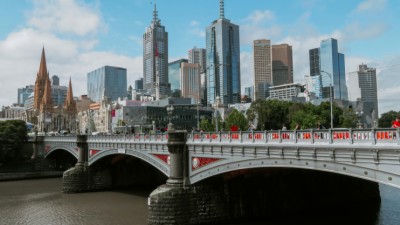
Melbourne
Culture-rich streets, welcoming spaces, and an easygoing queer vibe.
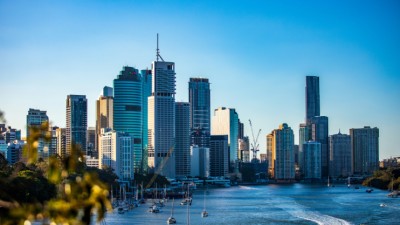
Brisbane
Riverfront days, inclusive nights, and plates worth lingering over.

Adelaide
Where cultural pace meets community pride.
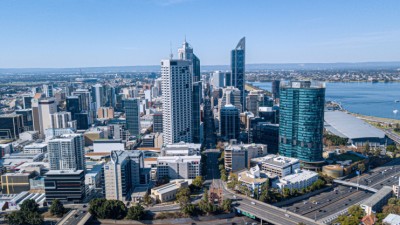
Perth
Sunlit streets, coastal views, and a community that stands proud.

Canberra
A laid-back capital break with culture, green spaces, and welcoming pride