About Melbourne
That mix of major-city energy, artistic life, and strong multicultural character helps shape a city that feels open, expressive, and easy to explore.For LGBTQ+ visitors, Melbourne stands out within a national context where LGBTQ+ rights in Australia rank among the highest in the world.
That broader legal and social progress matters on the ground: it helps make a trip here feel more comfortable, whether I’m walking through the central city, visiting museums and galleries, or spending time in the city’s large parks and gardens.Melbourne is also known as Naarm in the Woiwurrung language, a reminder that this is a place with deep Indigenous history as well as a contemporary identity shaped by migration and diversity.
I always appreciate that contrast here—the city’s Victorian-era architecture and landmark cultural institutions sit alongside a modern, international atmosphere.When LGBTQ+ travelers think of Melbourne, one of the best-known annual highlights is Midsumma Festival, a major queer arts and cultural festival that reflects the city’s long-standing role as a hub for LGBTQ+ expression.
For a more everyday sense of belonging, the city’s reputation for festivals, theatres, galleries, and inclusive public life makes it a rewarding destination to experience at street level, especially for travelers who prefer cities where culture and community are tightly intertwined.From a travel perspective, Melbourne is best approached as a city to explore slowly.
I’d plan time for its neighborhoods, green spaces, and cultural venues, and I’d look for ways to travel lightly—using public transport where possible, choosing eco-conscious accommodation, and supporting local businesses that reflect the city’s diversity.
For LGBTQ+ travelers who value both community and sustainability, Melbourne offers a strong and distinctive introduction to urban Australia.
Our Review
I’ve found Melbourne to be one of Australia’s most compelling cities for LGBTQ+ travelers, not only because it is the country’s second-most populous city, but because it is widely known as Australia’s cultural capital.
That mix of major-city energy, artistic life, and strong multicultural character helps shape a city that feels open, expressive, and easy to explore.
For LGBTQ+ visitors, Melbourne stands out within a national context where LGBTQ+ rights in Australia rank among the highest in the world.
That broader legal and social progress matters on the ground: it helps make a trip here feel more comfortable, whether I’m walking through the central city, visiting museums and galleries, or spending time in the city’s large parks and gardens.
Melbourne is also known as Naarm in the Woiwurrung language, a reminder that this is a place with deep Indigenous history as well as a contemporary identity shaped by migration and diversity.
I always appreciate that contrast here—the city’s Victorian-era architecture and landmark cultural institutions sit alongside a modern, international atmosphere.
When LGBTQ+ travelers think of Melbourne, one of the best-known annual highlights is Midsumma Festival, a major queer arts and cultural festival that reflects the city’s long-standing role as a hub for LGBTQ+ expression.
For a more everyday sense of belonging, the city’s reputation for festivals, theatres, galleries, and inclusive public life makes it a rewarding destination to experience at street level, especially for travelers who prefer cities where culture and community are tightly intertwined.
From a travel perspective, Melbourne is best approached as a city to explore slowly.
I’d plan time for its neighborhoods, green spaces, and cultural venues, and I’d look for ways to travel lightly—using public transport where possible, choosing eco-conscious accommodation, and supporting local businesses that reflect the city’s diversity.
For LGBTQ+ travelers who value both community and sustainability, Melbourne offers a strong and distinctive introduction to urban Australia.
Events and Nightlife in Melbourne
When I think about Melbourne from an LGBTQ+ point of view, I think of a city that is both culturally rich and socially easy to navigate.
Melbourne (known as Naarm in the Woiwurrung language) is Australia’s cultural capital and one of the country’s largest cities, and that matters for queer travelers: it means there is enough size, diversity, and arts energy to support year-round LGBTQ+ events and a nightlife scene that feels woven into the city rather than isolated from it.
Australia’s generally strong LGBTQ+ legal protections also help shape that atmosphere, and in Melbourne that translates into a place where queer visitors can usually move comfortably through central districts and inner suburbs.
Annual LGBTQ+ events
The city’s best-known queer celebration is Midsumma Festival, Melbourne’s major LGBTQIA+ arts and cultural festival.
It is a long-running, city-wide event that typically brings together performance, visual arts, community gatherings, and Pride-focused programming.
For me, Midsumma is the clearest example of how Melbourne expresses queer culture: not just through nightlife, but through the arts, public events, and neighborhood venues that help the city feel open and creative.
Melbourne is also home to Melbourne Pride, which includes a street parade and community celebration.
While the details can vary from year to year, the event is part of the city’s wider Pride calendar and gives local LGBTQ+ communities and visitors a visible public platform.
It fits the city well: Melbourne is large enough to host major events, but still has a neighborhood-based feel, so Pride often spills naturally into nearby cafés, bars, galleries, and music venues.
Because event calendars can change, I always recommend checking official listings before traveling.
That is especially important if you want to time a visit around a specific parade, festival, or performance season.
From an eco-conscious travel perspective, it also makes sense to stay centrally and use Melbourne’s tram network and walkable inner-city streets, which reduces the need for taxis or car hire during busy event periods.
LGBTQ+ nightlife and social spots
Melbourne’s LGBTQ+ nightlife is not confined to a single “gay district,” but certain inner-city areas are especially well known for being welcoming and lively.
Fitzroy and Collingwood are often associated with creative, progressive, and LGBTQ+-friendly social scenes, while St Kilda has a long-standing queer reputation and remains a popular place for going out.
The CBD is also practical if I want easy access to transport, late-night dining, and a broader mix of venues.
What I like about Melbourne is that the scene feels varied rather than one-note.
There are bars for low-key drinks, clubs for late nights, and venues that mix performance, drag, live music, and social dancing.
Some places are explicitly queer-focused, while others are simply known to be welcoming to LGBTQ+ locals and visitors.
That flexibility is useful if I’m traveling with friends or choosing between a quiet evening and a bigger night out.
For first-time visitors, I would approach the nightlife the same way I approach any large city: stay in well-lit areas, plan the trip home in advance, and check operating hours before setting out.
Melbourne’s public transport is useful, but late-night services can be limited depending on the area and the day of the week, so I prefer to keep my base somewhere central and connected.
Popular LGBTQ+ friendly venues and areas
Rather than treating nightlife as a checklist of one-off names, I find it more useful to think in terms of neighborhoods and the kinds of spaces they support.
In Fitzroy and Collingwood, I look for small bars, live music rooms, and relaxed venues with an inclusive crowd.
In St Kilda, the atmosphere is often more classic nightlife-oriented, with a mix of bars and late-evening social venues.
In the CBD, I focus on convenience: it is the best place for staying close to public transport, dinner before a show, or a simple night out without needing to travel far.
Melbourne’s broader cultural life also supports LGBTQ+ socializing.
Galleries, theatres, festivals, and public events create a steady flow of gatherings where queer travelers can meet locals in settings that are not exclusively nightlife-based.
That matters to me as a travel journalist because it reflects a more sustainable way to experience a city: one that balances late nights with daytime culture, neighborhood cafés, parks, and public transport rather than over-relying on cars or private transfers.
My practical take: if I were planning an LGBTQ+ trip to Melbourne, I would aim to visit during Midsumma Festival or another Pride-linked event, stay in or near the inner city, and spend at least one evening exploring Fitzroy, Collingwood, or St Kilda.
Melbourne rewards travelers who want both nightlife and a broader cultural experience, and that combination is what makes the city feel especially strong for LGBTQ+ visitors.
Cultural and Social Activities
When I write about Melbourne from an LGBTQ+ perspective, I always start with its cultural rhythm.
This is Australia’s cultural capital, and that matters for queer travelers: the city’s arts scene, museum network, theatre culture, and public spaces all make it easy to experience Melbourne as a place of expression rather than just sightseeing.
Melbourne is also known as Naarm in the Woiwurrung language, a reminder that the city’s identity is layered, contemporary, and deeply connected to place.
For me, one of the most practical and rewarding ways to explore Melbourne is through its museums, galleries, and theatres.
The city is widely recognized for its extensive cultural institutions, and that makes it especially comfortable for LGBTQ+ visitors who prefer daytime cultural experiences as much as nightlife.
The major galleries and performance venues are part of the city’s everyday fabric, so I can move between exhibitions, live performance, and neighborhoods without feeling like I have to plan my trip around only one type of scene.
Melbourne’s large-scale cultural life is one reason it feels so open and welcoming.
I also find Melbourne’s arts culture appealing because it is spread across the city rather than confined to a single district.
The inner city and surrounding neighborhoods are where I would naturally base myself if I wanted easy access to theatres, galleries, and creative spaces.
In practical terms, that means I can use public transport, walk between venues, and keep my footprint lower by choosing central accommodation instead of relying on cars.
It is a city that rewards slow exploration: one gallery visit, one theatre booking, one neighborhood café, and then time to wander.
For LGBTQ+ visitors, Melbourne’s public cultural calendar is especially important.
The city is home to Midsumma Festival, Australia’s premier LGBTQIA+ arts and cultural festival, which brings together performance, visual art, community events, and celebration.
It is one of the clearest examples of how queer culture is not hidden here; it is part of the city’s mainstream cultural life.
I see Midsumma as particularly valuable for travelers because it gives a strong sense of Melbourne’s queer community while also connecting visitors to the city’s broader artistic identity.
Melbourne’s LGBTQ+ cultural life also extends beyond a single festival.
Because the city is large, multicultural, and socially progressive, queer travelers are able to encounter LGBTQ+ presence in many settings: theatre programs, gallery openings, public festivals, and neighborhood events.
Australia’s strong legal protections for LGBTQ+ people, including marriage equality, help create a civic climate in which these activities can take place openly.
That legal context does not replace good travel judgment, but it does contribute to why Melbourne often feels comfortable for queer visitors.
In terms of LGBTQ+ landmarks and historical places, I should be careful to distinguish between what is specifically documented and what is simply part of the city’s broader queer geography.
Melbourne does not have a single universally recognized LGBTQ+ district in the way some cities do, but its inner areas have long been important to queer life.
St Kilda is especially notable in Melbourne’s LGBTQ+ history and social life, while Fitzroy and Collingwood are widely associated with creative, progressive, and inclusive urban culture.
For a traveler like me, that means the experience is less about ticking off one monumental site and more about reading the city through its neighborhoods.
If I were building an LGBTQ+ cultural itinerary, I would pair the city’s major institutions with its inner-neighborhood atmosphere.
Daytime might mean a gallery or museum visit; evenings could mean theatre, performance, or a queer event during festival season.
This approach keeps the trip grounded, accessible, and sustainable.
Melbourne’s excellent public transport and walkable inner areas make it easy to move around without a car, which is better both for the environment and for the experience of the city itself.
Melbourne is also a good city for travelers who enjoy cultural scenes shaped by diverse voices.
Its multicultural population and long-standing reputation as a place for arts and ideas mean that LGBTQ+ visitors are likely to encounter a broad range of creative expression.
I find this especially appealing because it makes queer travel feel integrated rather than separate: I am not just visiting a “gay scene,” I am moving through a city where queer culture sits alongside literature, performance, architecture, and public life.
As for notable LGBTQ+ figures and influencers, I would avoid overclaiming without a specific verified source tied to Melbourne itself.
What can be said confidently is that the city has produced and hosted many artists, performers, and cultural workers who have contributed to Australia’s LGBTQ+ visibility through the arts and public culture.
In a city like Melbourne, influence often shows up through institutions, festivals, and creative communities as much as through individual celebrity.
My practical advice is simple: if you want to understand LGBTQ+ Melbourne, start with the cultural calendar, choose a central and transit-friendly base, and leave time for both planned events and spontaneous wandering.
That is the best way to experience a city where queer life is intertwined with theatre, museums, galleries, and the everyday energy of the streets.
Accommodation
When I look at Melbourne through an LGBTQ+ travel lens, I see a city where the smartest accommodation choice is usually also the most practical one: stay central, stay well connected, and choose a property that makes it easy to move around the city with confidence.
Melbourne is Australia’s second-largest city and its cultural capital, with a dense inner-city core, extensive public transport, and a strong mix of neighbourhoods that are generally comfortable for queer travellers.
Australia’s LGBTQ+ rights are among the most advanced in the world, and that wider social context helps shape the experience here.
Where I would stay in Melbourne
If I were planning a Melbourne trip as an LGBTQ+ traveller, I would focus on the inner city and nearby neighbourhoods rather than the outer suburbs.
The city’s best-known areas for visitors include the CBD, Southbank, Fitzroy, Collingwood, Carlton, and St Kilda.
These are the places where I would expect to find the widest range of accommodation, the easiest access to trams and trains, and the most comfortable base for exploring cafes, galleries, nightlife, and major attractions on foot or by public transport.
CBD and Southbank are the most straightforward choices if I want convenience.
They place me close to transport hubs, shopping, restaurants, museums, and theatres, and they usually offer the broadest range of hotel styles, from international chains to apartment hotels.
For travellers who prefer a quieter, more residential feel while still staying near the centre, Fitzroy, Collingwood, and Carlton are appealing because they are creative, walkable, and known for their independent food and culture scene.
St Kilda is another established option, especially if I want a seaside setting with easy access back into the city.
What “LGBTQ+ friendly” means in practice
In Melbourne, I would not rely on the word “gay-friendly” alone as a guarantee.
Instead, I would look for signs that a property is genuinely inclusive: clear non-discrimination language, staff who use inclusive language, options for rooming that do not make assumptions about relationship status, and a reputation for welcoming a wide range of guests.
Major international hotel brands in central Melbourne are often a safe bet because their policies are typically standardized and their front-desk experience is usually straightforward, but smaller independent hotels, serviced apartments, and guesthouses can also be excellent if they present themselves clearly and professionally.
For me, the most important thing is that the accommodation feels neutral and respectful rather than performatively “pink-washed.” I want a place that is comfortable for same-sex couples, trans travellers, and solo LGBTQ+ visitors without requiring any explanation.
How I would choose inclusive accommodation
When I am checking a Melbourne property, I look for a few practical signs of inclusion:
- Clear booking policies that do not assume gender or relationship roles.
- Professional reviews that mention respectful staff and a welcoming atmosphere.
- Location near public transport, so I can move around without needing a car.
- Walkability, especially if I plan to explore inner neighbourhoods in the evening.
- Flexible room types, such as doubles, twins, studios, or apartment-style stays.
I also pay attention to whether the hotel supports lower-impact travel.
A central location can reduce car use, and a property with good access to trams, trains, and walking routes is better for both convenience and sustainability.
In a city like Melbourne, that usually matters more to me than extra space or flashy amenities.
Neighbourhoods I would prioritise
CBD: Best for first-time visitors, short stays, and easy transport connections.
It is the simplest base for reaching museums, galleries, theatres, and major city sights.
Southbank: Good for travellers who want modern hotels, riverfront walks, and quick access to the arts precinct and central Melbourne.
Fitzroy and Collingwood: These inner-north neighbourhoods are among the city’s most creative and progressive.
I would choose them if I wanted a lively, local atmosphere and easy access to independent cafes, shops, and bars.
Carlton: A convenient inner suburb with a strong dining and cultural feel, and a comfortable base for travellers who want to be close to the centre without staying right in the busiest streets.
St Kilda: Long associated with Melbourne’s queer history and still a popular area for LGBTQ+ visitors.
I would consider it if I wanted a more relaxed, coastal feel while staying within reach of the city.
Practical tips I would use
I would book early if I am travelling during major events, weekends, or festival periods, because central Melbourne accommodation can fill quickly.
I would also check how far the property is from the nearest tram stop or station, since that can make a big difference after a long flight or a late evening out.
If I were staying several nights, I would consider a serviced apartment or apartment hotel for more flexibility and a lower-waste travel routine.
Having a kitchenette can help reduce single-use packaging and make it easier to eat locally and thoughtfully.
If a hotel offers reusable amenities, refill stations, or a credible sustainability policy, that would be a bonus.
Finally, I would avoid choosing accommodation solely because it is marketed to LGBTQ+ travellers.
In Melbourne, the stronger indicator is whether the property sits in a welcoming inner-city area, is well connected, and presents itself in a respectful, modern, and inclusive way.
For me, Melbourne works best when I treat accommodation as part of the wider travel experience: a central, inclusive base lets me move easily between neighbourhoods, enjoy the city’s cultural life, and travel with a lighter environmental footprint.
Dining and Entertainment
When I explore Melbourne from an LGBTQ+ point of view, I find a city that makes it easy to plan a relaxed meal, a late-night drink, or an evening out without having to overthink where I am going.
Melbourne is Australia’s cultural capital, and that shows in the way its dining and entertainment scene is spread across the inner city: cafés, restaurants, theatres, live music venues, and cinemas all sit comfortably alongside one another in a city that is generally open-minded and welcoming.
For LGBTQ+ travelers, that matters.
Australia has strong LGBTQ+ rights protections, and Melbourne’s multicultural character helps give the city a broadly inclusive feel.
I still recommend the same sensible approach I would use in any major city: choose venues in busy, well-connected areas, check current opening hours, and book ahead when possible.
Central Melbourne is especially practical if you want to move easily between dinner, a show, and a late tram or train home.
Where I like to eat and unwind
Melbourne’s food culture is one of its biggest draws.
The city is known for its cafés, restaurants, and laneway dining, and those options are concentrated in the areas most visitors naturally use anyway: the CBD, Southbank, Fitzroy, Collingwood, Carlton, and St Kilda.
I find that these inner-city neighborhoods are the easiest places to look for a welcoming atmosphere, because they are busy, diverse, and used to hosting both locals and international travelers.
Rather than searching for a separate “LGBTQ+ dining district,” I would look for venues that feel genuinely inclusive in practice: places with relaxed service, clear respect for all guests, and a crowd that reflects Melbourne’s diversity.
In a city like this, a great queer-friendly meal is often simply a great Melbourne meal.
That can mean a café brunch, a long dinner with friends, or a casual bite before a performance.
For an eco-conscious trip, I prefer dining in central areas where I can walk or use public transport rather than rely on cars.
Melbourne’s tram network makes that easy, and choosing nearby venues helps reduce travel emissions while also keeping the evening simple and stress-free.
Cafés, restaurants, and easygoing spots
Melbourne is especially strong on cafés, and that is useful for LGBTQ+ travelers who want daytime spaces that feel comfortable and low-pressure.
The inner neighborhoods are full of independent cafés and casual eateries, and many visitors will naturally spend time in these areas between sightseeing and evening plans.
I like this style of travel because it gives me time to settle into the city rather than rushing from one attraction to another.
If I were planning a day focused on dining, I would base it around the CBD or an inner neighborhood such as Fitzroy or Carlton, then move on foot or by tram.
That keeps the itinerary sustainable and leaves more time for exploring the city’s galleries, gardens, and laneways.
For LGBTQ+ travelers, this kind of day works well because it is practical, social, and easy to adapt if plans change.
Theater, live performance, and cinema
Melbourne’s entertainment scene is one of the reasons the city feels so appealing to me as a queer traveler.
The city is well known for its theatres, galleries, and live performance culture, and these are not side attractions; they are central to Melbourne’s identity.
I would always include at least one performance in a Melbourne itinerary if time allows.
The city’s theatres and performance spaces are concentrated in and around the inner city, which makes evening plans straightforward.
Whether I am looking for a stage production, a contemporary performance, or a music-based event, the real advantage is that Melbourne offers a broad cultural calendar in a relatively compact area.
That makes it easier to combine dinner and entertainment without crossing the city by car.
Cinemas also fit naturally into a Melbourne evening.
The city has a strong film-going culture, and cinema visits can be a good option for travelers who want a quieter night out.
I see this as part of Melbourne’s wider inclusive atmosphere: there is space here for both high-energy nightlife and more low-key entertainment.
Inclusive and welcoming venues
What I value most in Melbourne is that inclusivity is often built into the everyday rhythm of the city rather than advertised as a special feature.
That means LGBTQ+ travelers can usually choose venues based on mood, location, and budget rather than having to search for a narrow list of “safe” places.
In practice, the most welcoming venues are often the ones in the inner city, where diversity is the norm and visitors are common.
I also think it is worth remembering that Melbourne’s LGBTQ+ visibility is supported by the city’s broader cultural life.
Events such as Midsumma Festival help reinforce that queer people are part of the city’s public identity, and that spills over into dining and entertainment across the year.
As a result, I find that many cafés, restaurants, theatres, and bars in central Melbourne feel naturally comfortable for same-sex couples, queer groups, and solo LGBTQ+ travelers.
My practical advice
- Stay central: It makes dinner-and-show plans easier and reduces the need for car travel.
- Use public transport: Melbourne’s trams are especially useful for moving between dining and entertainment precincts.
- Choose busy inner-city areas: The CBD, Southbank, Fitzroy, Collingwood, Carlton, and St Kilda are the easiest places to start.
- Check current details: Opening hours, bookings, and event schedules can change, so I always confirm before going out.
- Travel sustainably: Walking, trams, and centrally located venues are the simplest low-impact options.
For me, Melbourne stands out because it offers LGBTQ+ travelers a dining and entertainment scene that is both vibrant and practical.
I can eat well, see a show, catch a film, and still feel that the city’s best cultural spaces are accessible, inclusive, and easy to enjoy without wasting time or energy getting around.
Useful background on the city: Melbourne and Melbourne on Wikivoyage.
Travel Tips
When I visit Melbourne with an LGBTQ+ lens, I find it reassuring that I’m arriving in a city shaped by strong legal protections and a broadly inclusive public culture.
Australia ranks among the countries with the highest levels of LGBTQ+ rights, and same-sex marriage has been legal nationwide since 2017.
In practical terms, that means I can usually expect mainstream hotels, restaurants, museums, and transport staff in Melbourne to be accustomed to queer travellers and same-sex couples.
For a comfortable base, I look first at Melbourne’s inner-city areas.
The central business district, Fitzroy, Collingwood, Carlton, Southbank, and St Kilda are all useful starting points because they place me close to public transport, dining, and cultural life.
Melbourne is a large, spread-out city, but its tram network and walkable inner suburbs make it easier to move around without relying on a car.
From an eco-conscious perspective, that’s a big plus: I can keep my footprint lower by staying central, using trams and trains, and choosing accommodation that supports a low-impact stay.
Local customs are straightforward.
Melbourne is a cosmopolitan city, and in most everyday settings I can expect polite, matter-of-fact service.
Public displays of affection are generally no different here than in other major Western cities; I still use normal urban judgement, but I do not need to hide my identity in mainstream parts of the city.
I also make a point of respecting Melbourne’s multicultural character and its Indigenous history.
The city is commonly referred to as Naarm in the Woiwurrung language, and that reminds me to travel thoughtfully and avoid treating the city as only a nightlife destination.
My main dos in Melbourne are simple: stay in well-connected neighbourhoods, plan late-night transport in advance, and choose venues with clear inclusion policies and good reviews.
If I’m going out after dark, I prefer busy streets and reliable transport rather than isolated shortcuts.
I also keep an eye on transit times, because even in a city with a strong public transport network, late-night services can be less frequent than during the day.
For comfort and safety, I use the same basic precautions I would in any major city: keep valuables secure, stay aware of my surroundings, and know how I’m getting back to my accommodation before I leave.
My don’ts are equally practical.
I don’t assume that every outer suburb will feel as immediately visitor-friendly as the inner city, especially late at night.
I also avoid relying on vague “LGBTQ+ friendly” marketing alone when choosing places to stay or eat.
Instead, I look for evidence of genuine inclusion: respectful staff, clear policies, and a reputation for welcoming a diverse clientele.
That matters whether I’m travelling as a couple, with friends, or solo.
If I want to connect with the local LGBTQ+ community, Melbourne offers its strongest visibility through public culture rather than a single isolated district.
I keep an eye on the city’s queer arts and community calendar, especially Midsumma Festival, which is Melbourne’s major LGBTQIA+ arts and cultural festival.
It’s one of the clearest ways to experience local queer life in a public, celebratory setting.
I also find that inner-city neighbourhoods such as Fitzroy, Collingwood, Carlton, and St Kilda are useful areas to explore because they are culturally active and have long been associated with progressive, creative communities.
For a sustainable trip, I try to combine community connection with low-impact travel: I walk between nearby cafés, galleries, and tram stops; I book centrally located accommodation; and I support local businesses rather than spending unnecessary time in car-dependent areas.
Melbourne is especially rewarding when I move through it slowly.
The city’s museums, galleries, theatres, parks, and neighbourhood streets make it easy to build a visit that feels inclusive, practical, and environmentally mindful at the same time.
In short, I treat Melbourne as a city where LGBTQ+ travellers can usually feel comfortable being themselves, provided they use normal city sense, choose central neighbourhoods, and make use of the city’s public transport and cultural calendar.
That combination of legal protection, urban convenience, and community visibility is what makes Melbourne such a strong destination from an LGBTQ+ point of view.
When I step back and look at Melbourne through an LGBTQ+ lens, what stands out most is the city’s balance of breadth and ease.
Melbourne is Australia’s cultural capital, and that matters: the city’s museums, galleries, theatres, parks, and walkable inner suburbs create a setting where LGBTQ+ travelers do not have to choose between culture and comfort.
Australia’s broadly strong LGBTQ+ rights framework also adds an important layer of reassurance, particularly for visitors who want to travel openly and without unnecessary friction.
Melbourne’s strengths are clear.
The city is large, diverse, and accustomed to international visitors, which helps create a generally inclusive atmosphere.
Inner areas such as the CBD, Fitzroy, Collingwood, Carlton, Southbank, and St Kilda are especially useful bases because they combine transport access with easy reach to dining, nightlife, and cultural venues.
I also value the fact that Melbourne rewards slower travel: its trams, compact central areas, and many public spaces make it easy to move around without relying heavily on private transport.
For an eco-conscious trip, that is a real advantage.
There are, of course, practical challenges to keep in mind.
Like any major city, Melbourne requires ordinary urban awareness, especially at night and in quieter areas farther from the centre.
Not every part of the metropolitan area offers the same level of convenience for visitors, so I would still advise LGBTQ+ travelers to stay in well-connected neighborhoods, plan late-night travel in advance, and choose accommodation with clear inclusion policies and strong reviews.
Sustainability and safety can work together here: a central stay usually means fewer car trips, easier public transport access, and a lighter travel footprint overall.
My final recommendation is simple: use Melbourne as a city to explore deliberately.
Build your visit around the places and events that reflect its queer and creative identity, and give yourself time to enjoy the city beyond a checklist.
Melbourne’s LGBTQ+ appeal lies not only in individual venues or neighborhoods, but in the way its public culture, transport network, and welcoming inner city come together.
If you travel thoughtfully, you will find a destination that is both inclusive and easy to enjoy.
For LGBTQ+ travelers, Melbourne is well worth the journey.
I would come for the culture, stay for the sense of ease, and move through the city in a way that supports both local communities and a lower-impact style of travel.
Other Guides in Australia
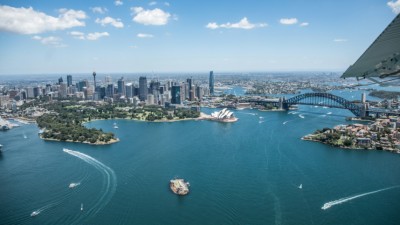
Sydney
Where iconic waterfront views meet a vibrant queer scene.
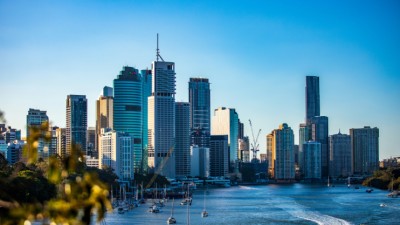
Brisbane
Riverfront days, inclusive nights, and plates worth lingering over.
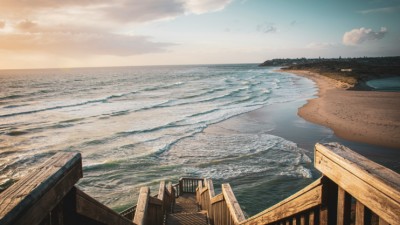
Adelaide
Where cultural pace meets community pride.
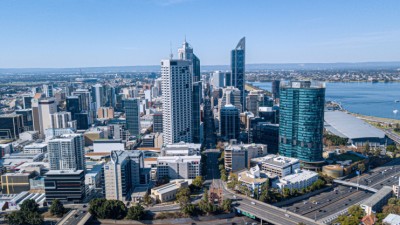
Perth
Sunlit streets, coastal views, and a community that stands proud.
Canberra
A laid-back capital break with culture, green spaces, and welcoming pride