- LGBTQ+ Friendly
- 6 City Guides
- 0 Likes
- Leave a comment
About Australia
Australia at a glance
Australia is a vast, highly varied country that fills an entire continent, combining huge open landscapes with some of the world’s most liveable and cosmopolitan cities.
For LGBTQ+ travelers, that mix is a major part of the appeal: you can plan a trip around beach cities, arts and dining, road trips through the Outback, or nature-focused escapes, all within one country.
Australia is also one of the world’s most urbanised nations, so even in a place famous for wilderness and empty horizons, you are rarely far from a modern city with strong hospitality infrastructure.
What makes Australia distinctive is the scale of the experience.
Distances are large, climates vary sharply, and a trip can move from tropical coast to temperate wine region to arid desert in a single itinerary.
The country is known for its natural wonders, wide open spaces, beaches, deserts, “the bush,” and the Outback, but it is equally notable for its global, multicultural city life.
That combination gives it broad appeal for travelers who want both easy city breaks and more adventurous, outdoors-oriented travel.
Culture and travel mood
Australia’s cultural identity blends deep Indigenous heritage with modern immigration and a strongly urban present.
Indigenous cultures in Australia go back more than 65,000 years, and that long continuity is an essential part of understanding the country beyond the familiar postcard image of surf, skyline, and kangaroos.
At the same time, contemporary Australia has been shaped by global migration, which is reflected in its cities, food culture, neighborhoods, and everyday life.
Visitors often experience Australia as informal, practical, and outdoorsy, with a strong café culture, a love of the beach, and an emphasis on casual socialising.
For LGBTQ+ travelers, Australia is often appealing because its major cities tend to be socially open, internationally oriented, and easy to navigate for visitors.
The country’s LGBTQ rights are among the highest in the world, and same-sex marriage has widespread public support.
While experiences can still vary by place and context, the overall travel impression is of a country where many LGBTQ+ travelers can move through daily life with relative ease, particularly in the larger metropolitan areas.
Geography and climate
Australia is the world’s sixth-largest country by land area, and its geography is one of the main reasons it feels so different from many other destinations.
It is also the world’s flattest and driest inhabited continent, but that description hides a lot of diversity: tropical rainforest in the north, temperate coastal cities in the south, alpine areas, fertile wine regions, and the iconic red deserts of the interior.
Tasmania adds a cooler, greener island contrast to mainland Australia, and the surrounding islands and coastal regions broaden the country’s appeal for nature travel.
Because the country is so large, travel planning matters.
Distances between major destinations can be significant, so visitors often choose one region and explore it well rather than attempting to cover the whole country in one short trip.
That said, the range of environments is a major advantage for travelers who want to combine different experiences: reef and beach, city and road trip, food and wine, or wildlife and hiking.
Food, drink, and everyday travel pleasures
Australian food culture is shaped by multicultural influences and by the country’s strong café and casual dining scene.
In the cities especially, travelers can expect excellent coffee, diverse international restaurants, market culture, and a generally relaxed approach to eating out.
Coastal dining, seafood, and wine-region meals are also part of the classic Australian travel experience, and many visitors enjoy the contrast between polished urban restaurants and low-key local spots.
Food travel in Australia often works best when paired with geography.
Sydney and Melbourne are especially strong for restaurant culture, but regional travel can bring rewarding experiences too, from coastal seafood to cellar-door lunches in wine country.
If you are planning a longer trip, the food scene is one of the easiest ways to experience how different Australia’s regions feel from one another.
Key destinations
Sydney is one of Australia’s best-known gateways and a natural starting point for many travelers, with its harbour setting, beaches, and polished city energy.
Melbourne is another major draw, particularly for visitors interested in culture, dining, laneways, and a more café-driven urban atmosphere.
Brisbane and the nearby southeast Queensland coast are popular for warm weather and a more relaxed pace, while Perth offers a more isolated west-coast perspective with a strong city-and-coast feel.
Beyond the cities, Australia’s biggest appeal often lies in its landscapes.
The Great Barrier Reef is one of the country’s most famous natural attractions, and the Outback remains a defining symbol of Australia’s scale and remoteness.
Tasmania attracts travelers looking for dramatic scenery and a cooler climate, while many visitors also build itineraries around beaches, national parks, wine regions, and wildlife encounters.
The result is a country where a trip can be designed around almost any travel style, from urban and cultural to outdoorsy and exploratory.
Why Australia stands out for travelers
Australia stands out because it combines ease and adventure in a way few countries can match.
Its major cities are comfortable and globally connected, but the natural environment is often what gives a trip its emotional weight: long horizons, powerful coastlines, unusual wildlife, and landscapes that feel genuinely large.
The country’s size and isolation have also helped create a distinct identity, even as modern Australia remains very international in outlook.
For LGBTQ+ travelers, that means Australia can offer a reassuring and flexible destination profile: a country with strong legal protections by global standards, big-city amenities, and enough geographic variety to support very different kinds of trips.
Whether you come for beach holidays, a city break, road trips, food and wine, or iconic natural scenery, Australia tends to reward travelers who leave room in the itinerary for both planned highlights and simple everyday pleasures.
LGBTQ+ Overview
LGBTQ+ overview
Australia is generally one of the safer and more welcoming destinations for LGBTQ+ travelers. Nationally, LGBTQ+ rights are highly developed and have advanced substantially over the past few decades, with broad public support for same-sex marriage and strong legal recognition for many aspects of LGBTQ+ life. For most visitors, the practical experience in major cities and established tourist areas is one of routine visibility rather than caution. You can usually expect to travel openly without major difficulty, especially in urban centers such as Sydney, Melbourne, Brisbane, Perth, Adelaide, and Canberra.
Legally, Australia is among the world’s more protective countries for LGBTQ+ people. Same-sex marriage is legal nationwide, and anti-discrimination protections are well established in many areas of public life. Legal gender recognition and transgender rights have also progressed significantly, though details can vary by state and territory rather than being fully uniform across the country. As with many federal systems, local rules may differ on issues such as identity documents, healthcare access, and procedures for legal recognition, so travelers dealing with sensitive administrative or medical matters should check the specific state or territory they are visiting.
The social climate is generally positive, but it is not perfectly uniform. Large cities and coastal tourist regions tend to be openly LGBTQ+-friendly, with visible queer communities and a long record of public events and nightlife. In smaller towns, remote areas, and some more conservative communities, travelers may encounter more limited familiarity or a more private social environment. That usually does not mean high danger, but it can mean less comfort, fewer specialized services, and a greater likelihood of stares, awkwardness, or occasional insensitive comments. Most visitors will find the overall atmosphere respectful, yet discretion can still be prudent in places where LGBTQ+ visibility is less common.
Common traveler risks are more about isolated harassment than legal exposure. Street-level abuse is not typical in mainstream tourist areas, but verbal hostility, particularly late at night or in alcohol-heavy settings, can occur anywhere. Standard travel precautions are sensible: stay aware in nightlife districts, use reputable transport after dark, and avoid escalating confrontations if you are targeted. Public displays of affection are broadly accepted in many places, especially in major cities, but as anywhere, reading the room is wise in unfamiliar or more conservative settings. For transgender and gender-diverse travelers, the main issues are usually practical rather than legal: staff may not always be well trained, and mismatched documents can sometimes lead to awkward questions during check-in or ID checks.
Support resources are strongest in the large urban centers, where general medical care, crisis support, and LGBTQ+-friendly services are easier to find. Travelers seeking help should start with standard emergency services if they are in immediate danger, and then look for local LGBTQ+ community organizations, city-based health services, or hotel concierge assistance for referrals. Because Australia’s support landscape is decentralized, the most useful resource is often a reputable local service in the state or territory you are visiting rather than a single national point of contact. If you are traveling with medications, including gender-affirming hormones or HIV treatment, carry prescriptions and keep them in original packaging to reduce complications with customs or pharmacy refills.
Australia’s recent trajectory has been clearly positive. The country moved from uneven state-by-state treatment to broad national recognition and stronger mainstream acceptance, and public opinion has generally continued in a favorable direction. Same-sex marriage legalization was a major milestone, and the overall trend since then has been toward normalization rather than backlash. That said, as in many countries, debates around transgender healthcare, school policy, and anti-discrimination law continue in some jurisdictions and public forums. These debates are more about politics and policy than day-to-day traveler safety, but they are worth knowing about if you plan to stay for an extended period or need local services.
In practical terms, Australia is an easy destination for most LGBTQ+ travelers, particularly if you spend most of your time in major cities, resort areas, and well-trafficked tourist corridors. The main advice is the same as for any large developed country: stay alert in nightlife settings, keep documents in order, and be aware that local attitudes can be more mixed outside metropolitan areas. For most visitors, however, Australia offers a generally low-risk, broadly affirming travel environment.
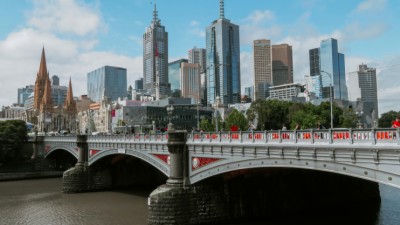
Melbourne
Culture-rich streets, welcoming spaces, and an easygoing queer vibe.
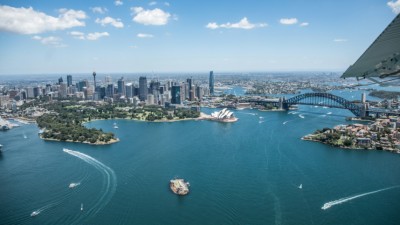
Sydney
Where iconic waterfront views meet a vibrant queer scene.
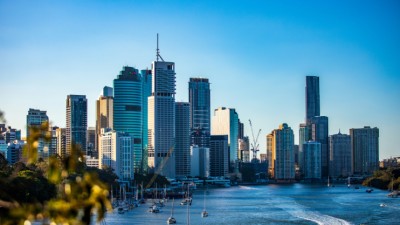
Brisbane
Riverfront days, inclusive nights, and plates worth lingering over.

Adelaide
Where cultural pace meets community pride.
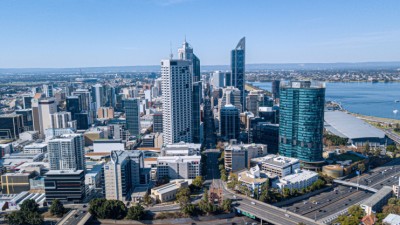
Perth
Sunlit streets, coastal views, and a community that stands proud.

Canberra
A laid-back capital break with culture, green spaces, and welcoming pride