- Home
- South Korea
- Seoul
About Seoul
As South Korea’s capital and largest city, Seoul is the country’s political, economic, and cultural center, and it is one of the most important urban destinations in East Asia.
For LGBTQ+ travelers, the city offers a mix of visibility, activism, and caution: a place where queer communities are active, but where social and legal realities still vary widely from what travelers may be used to elsewhere.One of the best-known focal points for LGBTQ+ visibility in the city is the Seoul Queer Culture Festival, which has become an important annual event for local and international participants.
It is one of the clearest signs that queer life in Seoul is not hidden from view, even if it remains shaped by ongoing debate and cultural conservatism.
For me, that balance is part of what makes the city so compelling to explore slowly and thoughtfully.Seoul does not have a single universally recognized LGBTQ+ landmark in the way some cities do, but it does have neighborhood-level significance.
Areas such as Itaewon are widely known among travelers for their nightlife and international atmosphere, and they have long been associated with LGBTQ+ social life.
For a solo visitor, that matters: it means there are spaces where it is easier to connect, observe, and understand the city beyond the surface.In practical terms, Seoul is a destination where I would recommend approaching queer travel with both curiosity and context.
It is a major metropolis with excellent public transport, deep cultural layers, and a visible modern identity, yet LGBTQ+ travelers should still be mindful that acceptance is not uniform across society.
The city rewards respectful exploration, and for me, that makes it especially interesting as a place to travel alone—independently, observantly, and with room to discover its many contrasts.
Our Review
I arrive in Seoul as a solo traveler with a notebook, comfortable shoes, and a healthy respect for a city that moves at remarkable speed.
As South Korea’s capital and largest city, Seoul is the country’s political, economic, and cultural center, and it is one of the most important urban destinations in East Asia.
For LGBTQ+ travelers, the city offers a mix of visibility, activism, and caution: a place where queer communities are active, but where social and legal realities still vary widely from what travelers may be used to elsewhere.
One of the best-known focal points for LGBTQ+ visibility in the city is the Seoul Queer Culture Festival, which has become an important annual event for local and international participants.
It is one of the clearest signs that queer life in Seoul is not hidden from view, even if it remains shaped by ongoing debate and cultural conservatism.
For me, that balance is part of what makes the city so compelling to explore slowly and thoughtfully.
Seoul does not have a single universally recognized LGBTQ+ landmark in the way some cities do, but it does have neighborhood-level significance.
Areas such as Itaewon are widely known among travelers for their nightlife and international atmosphere, and they have long been associated with LGBTQ+ social life.
For a solo visitor, that matters: it means there are spaces where it is easier to connect, observe, and understand the city beyond the surface.
In practical terms, Seoul is a destination where I would recommend approaching queer travel with both curiosity and context.
It is a major metropolis with excellent public transport, deep cultural layers, and a visible modern identity, yet LGBTQ+ travelers should still be mindful that acceptance is not uniform across society.
The city rewards respectful exploration, and for me, that makes it especially interesting as a place to travel alone—independently, observantly, and with room to discover its many contrasts.
Cultural and Social Activities in Seoul for LGBTQ+ Travellers
When I travel solo, I look for places where a city’s cultural life feels open, walkable, and easy to explore at my own pace.
In Seoul, that usually means balancing classic sightseeing with time spent in neighborhoods and venues where queer visibility and international-minded social spaces are more likely to be found.
The city does not present a single, neatly packaged LGBTQ+ cultural district, but it does have a real queer social scene and a few places that matter if you want to understand it.
The best-known area to start with is Itaewon.
It has long been Seoul’s most internationally oriented neighborhood and is widely known for LGBTQ+-friendly nightlife and socializing.
For me, it is the most practical place to base an evening out because it is easy to reach, socially mixed, and one of the few parts of the city where LGBTQ+ visitors are more likely to encounter explicitly welcoming venues.
This is especially useful for solo travellers, because the area offers enough movement and foot traffic to feel comfortable without requiring a large group to enjoy it.
Seoul’s most important LGBTQ+ cultural event is the Seoul Queer Culture Festival.
It is the city’s most visible annual queer gathering and a major moment in public LGBTQ+ life in South Korea.
If my trip overlaps with the festival, I would plan around it, because it offers a rare chance to see Seoul’s LGBTQ+ community in a public, organized, and celebratory setting.
For a traveller interested in culture rather than only nightlife, this is the clearest example of a city-wide LGBTQ+ social event in Seoul.
Beyond that, Seoul’s broader cultural institutions are important because the city’s LGBTQ+ history is not concentrated in a long list of officially designated landmarks.
I would therefore approach museums, galleries, and theaters as part of a wider urban experience rather than as a separate “queer district” itinerary.
Seoul’s major cultural venues are numerous and globally recognized, but the source material available to me does not identify specific LGBTQ+-themed museums, theaters, or galleries that I can verify here.
So, rather than guess, I would say this: Seoul’s cultural scene is large enough to support queer travellers comfortably, but the most clearly documented LGBTQ+ experiences are social rather than museum-based.
For LGBTQ+ travellers looking for context, the city’s cultural life should also be understood alongside South Korea’s social environment.
South Korea is a highly urbanized country, and Seoul is its political, economic, and cultural center.
That scale matters: it is the kind of city where subcultures, international visitors, and local communities can intersect more easily than in smaller places.
At the same time, acceptance is not uniform everywhere, so I would keep my expectations realistic and choose venues and neighborhoods carefully.
As for notable LGBTQ+ figures and influencers in Seoul, I do not have verified source material here naming specific individuals based in the city, so I will not invent names.
What I can say with confidence is that Seoul’s LGBTQ+ visibility is closely tied to community organizing and public events such as the Seoul Queer Culture Festival, rather than to a small number of universally recognized cultural celebrities.
For me, the practical takeaway is simple: if I were exploring Seoul from an LGBTQ+ point of view, I would focus first on Itaewon for social life and the Seoul Queer Culture Festival for public community visibility, then fold in the city’s broader museums, galleries, and theaters as part of a wider Seoul itinerary.
That approach keeps the trip grounded, realistic, and respectful of how queer life in the city is actually documented.
Verified source: South Korea on Wikipedia
Accommodation
When I stay in Seoul as a solo LGBTQ+ traveler, I look first for comfort, location, and flexibility rather than labels alone.
Seoul is a large, fast-moving city, and the best accommodation choice is usually one that puts me close to the neighborhoods I want to explore, with easy access to the subway and a straightforward check-in process.
For LGBTQ+ travelers, Itaewon is the neighborhood I would prioritize first.
It is widely known as Seoul’s most internationally oriented district and the area most often associated with LGBTQ+ nightlife and social life.
Staying nearby can make evenings simpler, especially if I want to head out without a long late-night transit ride.
It also tends to be the most practical base for travelers who want a more open, mixed, and visitor-friendly atmosphere.
Beyond Itaewon, I would also consider central areas with strong transport links and a busy urban feel, because Seoul’s subway network makes it easy to move around the city efficiently.
In a city this large, staying near a major station often matters more than chasing a single “gay district.” That approach works well for solo travel: I can choose a hotel that feels comfortable and well connected, then decide each day where I want to spend my time.
When I am looking for inclusive accommodation, I pay close attention to how a property presents itself.
I look for clear, professional booking policies, respectful guest communication, and detailed room and check-in information.
International hotel brands in Seoul are often the easiest option for travelers who want a standardized experience, though I still check individual reviews carefully.
I avoid assuming that a hotel is automatically welcoming just because it is in a fashionable area.
For me, the most practical tip is to read recent guest reviews with a focus on how staff treat all guests, not just on room comfort or location.
I also check whether the property is easy to reach by subway or airport transport, because that makes solo arrival and late returns much easier.
If I am arriving after a long flight, I prefer a place with simple self-directed check-in instructions and a neighborhood that feels active rather than isolated.
I also try to choose accommodation that fits the rhythm of the trip.
If I plan to spend more time in queer nightlife or social spaces, staying near Itaewon is the most convenient option.
If I want a broader sightseeing base, I may look at central districts with strong transport connections and then travel into Itaewon as needed.
Seoul rewards that kind of practical planning: I do not need to stay in one single area to experience the city well.
In short, my accommodation strategy in Seoul is simple: stay where I feel comfortable, choose a location that supports easy movement, and treat Itaewon as the most relevant neighborhood for LGBTQ+ travelers seeking a familiar and welcoming starting point.
Seoul is a city where being well connected matters, and that is especially helpful when I am traveling alone.
Dining and Entertainment
When I explore Seoul as a solo LGBTQ+ traveler, I look for places that feel both open and easy to navigate.
In a city as large and fast-moving as Seoul, dining and entertainment are less about one fixed queer district and more about finding welcoming pockets of the city where international visitors, nightlife, and everyday social life overlap.
The most practical starting point is Itaewon, which is widely known as Seoul’s most LGBTQ+ visible neighborhood and a natural base for an evening out.
For dining, I recommend approaching Seoul with flexibility.
The city has an enormous range of restaurants, cafes, and late-night eateries, and many venues in central, internationally oriented districts are accustomed to serving foreign visitors.
In practice, that makes it easier for me to enjoy a low-stress meal before heading out for the evening.
While I cannot verify a comprehensive list of LGBTQ+-specific restaurants or cafes from the source pack provided, I can confidently say that Itaewon remains the most useful area for travelers seeking an inclusive atmosphere alongside dining and nightlife.
For entertainment, Seoul offers the kind of dense urban energy that solo travelers usually appreciate: cinemas, theaters, live performance spaces, and nightlife are easy to reach by public transport.
The city’s LGBTQ+ social life is especially visible around major community moments such as the Seoul Queer Culture Festival, which is the most prominent public LGBTQ+ event in the city.
If my visit overlaps with the festival period, I would treat it as a priority for both cultural and social reasons.
Outside of festival season, I focus on venues in and around Itaewon because the neighborhood is the clearest point of reference for LGBTQ+ friendly evenings in Seoul.
For a solo traveler, that matters: I want an area where I can eat comfortably, move on to a bar or performance, and return late without unnecessary complications.
Seoul’s subway system makes that easier, and staying in or near a central, well-connected district helps me keep plans spontaneous while still feeling secure.
I also keep expectations realistic.
South Korea’s broader social environment is still relatively conservative compared with some other global cities, so I do not assume that every restaurant, cafe, or entertainment venue will be equally welcoming.
Instead, I look for places in internationally oriented neighborhoods, observe the atmosphere, and trust the settings that feel relaxed and professional.
That approach works well for me as a solo traveler: it balances curiosity with caution.
In short, Seoul rewards LGBTQ+ visitors who use the city thoughtfully.
For dining and entertainment, I would center my plans on Itaewon, keep an eye on the Seoul Queer Culture Festival, and use Seoul’s excellent transit network to move easily between meals, performances, and nightlife.
It is a city where inclusive experiences exist and where the strongest sense of community is often found by knowing where to look.
Travel Tips
When I plan a solo trip to Seoul as an LGBTQ+ traveler, I focus on a simple rule: stay alert, stay flexible, and let the city’s scale work in my favor.
Seoul is the capital of South Korea, a country in East Asia, and much of the city’s energy comes from how large, efficient, and fast-moving it is.
For me, that means I can move easily between neighborhoods, but I also need to be thoughtful about where I spend time, especially late at night.
Local customs and social context matter. South Korea is still relatively conservative compared with some other global destinations, so I don’t assume that public expressions of affection or very open conversation about sexuality will be received the same way everywhere.
In practice, I find it best to be observant and match the tone of the space I am in.
In busy, international parts of the city, I can be more relaxed.
In more formal or traditional settings, I keep a lower profile.
That approach helps me travel comfortably without drawing unnecessary attention.
My biggest practical tip is to base myself near well-connected areas. Seoul’s subway system is excellent, and as a solo traveler I value easy transport more than anything else.
A central, transit-friendly location makes it much simpler to return safely after dinner or nightlife, and it reduces the need to rely on late-night taxis.
For LGBTQ+ travelers, Itaewon remains the most useful area to know about, because it is widely associated with LGBTQ+ nightlife and has a more international atmosphere.
I treat it as a practical anchor point rather than the only place worth seeing.
For travel safety, I use common-sense city habits. I keep my phone charged, save my accommodation details, and plan my return route before I head out for the evening.
I also avoid putting myself in isolated situations with people I don’t know well.
Seoul is a major urban center, and like any large city, it rewards preparation.
If I am out alone, I prefer busy streets, familiar transit stations, and places with clear, professional service.
When I want to connect with the local LGBTQ+ community, I look for public, visible moments rather than making assumptions. The most important known LGBTQ+ public event in Seoul is the Seoul Queer Culture Festival, which is the best-established occasion for community visibility in the city.
If my visit happens to overlap with it, I would treat it as the most direct and meaningful way to experience local LGBTQ+ life.
Outside of major events, I rely on generally welcoming neighborhoods and venues with an international clientele, rather than assuming that any single place is officially LGBTQ+ specific.
My do’s and don’ts are straightforward:
- Do stay in a central area with strong subway access.
- Do keep expectations realistic and respect local social norms.
- Do use Itaewon as a starting point for nightlife and an LGBTQ+ friendly atmosphere.
- Do prioritize the Seoul Queer Culture Festival if you are in the city during the event.
- Don’t assume every neighborhood will feel equally open.
- Don’t rely on unverified listings or rumor when looking for LGBTQ+ spaces.
- Don’t ignore your instincts if a situation feels uncomfortable.
For me, Seoul works best when I travel with curiosity and restraint at the same time.
I can enjoy the city’s cultural depth, nightlife, and convenience while still being mindful of context.
That balance makes Seoul a strong destination for a solo LGBTQ+ traveler who wants both freedom and practical comfort.
Source context: South Korea
From my perspective as a solo traveler, Seoul is a city of contrasts for LGBTQ+ visitors: dynamic, efficient, and genuinely rewarding to explore, yet still shaped by a social environment where visibility and acceptance are not uniform.
South Korea’s capital offers real opportunities to connect with queer life, especially in areas such as Itaewon, but I would still approach the city with the awareness that LGBTQ+ experiences can vary by neighborhood, venue, and situation.
That balance—between openness and caution—is part of what makes Seoul such an interesting place to travel through.
What stands out most to me is how much the city rewards thoughtful planning.
Seoul’s excellent public transportation makes it easier to move around independently, which is a real advantage for solo LGBTQ+ travel.
If I were visiting, I would base myself in a central, well-connected area, spend time in neighborhoods known for their more international atmosphere, and keep my plans flexible enough to adjust depending on the setting.
I would also make room for the Seoul Queer Culture Festival if my trip coincided with it, since it is the city’s most visible public LGBTQ+ event.
My recommendation is simple: come to Seoul with curiosity, but also with practical expectations.
Enjoy the city’s food, neighborhoods, nightlife, and cultural energy, and seek out the spaces where LGBTQ+ life is most visible.
At the same time, respect local context and let comfort guide your choices.
For LGBTQ+ travelers who like exploring independently, Seoul can be a memorable destination—one that offers both the excitement of a major global city and the satisfaction of discovering pockets of community along the way.
For me, that is the appeal of Seoul: it is not a city that hands everything to you at once.
It invites you to look a little closer, travel a little smarter, and enjoy what it does offer with confidence and care.
Other Guides in South Korea
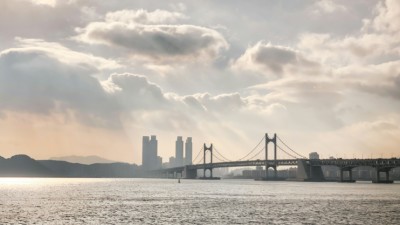
Busan
Where harbor views meet inclusive travel awareness.

Daegu
Where big-city energy meets regional flavor and changing conversations on inclusion.
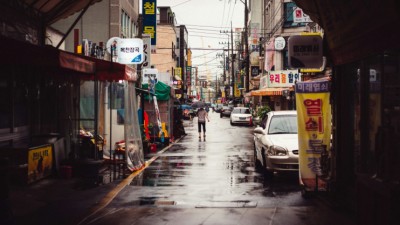
Daejeon
Explore thoughtfully, travel lightly, and find the city’s modern pulse.
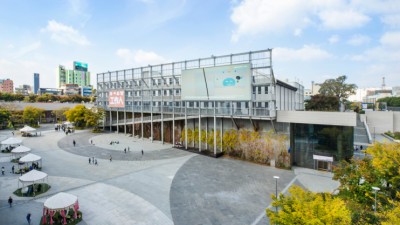
Gwangju
Where culture, cuisine, and city life meet on every corner.
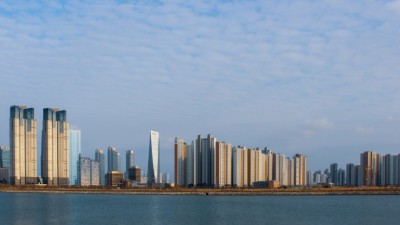
Incheon
A smart base for exploring Korea with ease and perspective.
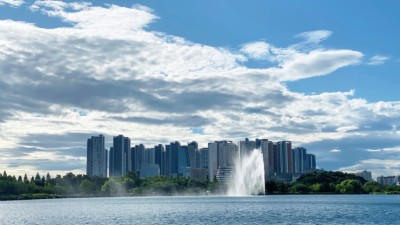
Goyang
Where metropolitan access meets cultural discovery
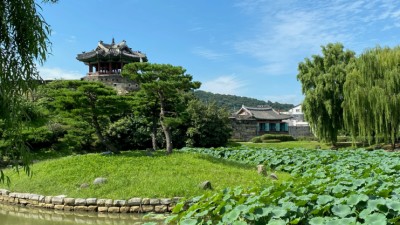
Suwon
Where fortress walls meet modern-day travel access.
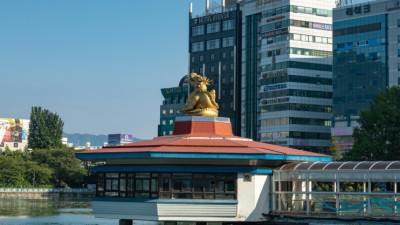
Changwon
A quieter Korean city perspective with room to explore independently.
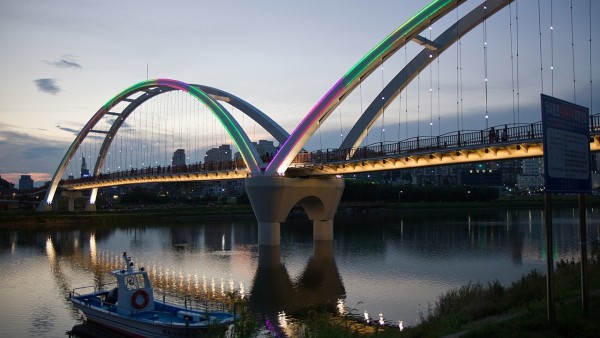
Ulsan
Industrial coastlines, quiet discovery, and a wider regional context.