- LGBTQ+ Neutral
- 10 City Guides
- 0 Likes
- Leave a comment
About South Korea
Overview
South Korea is one of East Asia’s most compelling travel destinations: a highly urbanized, fast-moving country with a deep historical identity, dramatic mountain scenery, a famously rich food culture, and a striking mix of old and new.
Most international visitors begin in Seoul, the sprawling capital and economic center, but the country’s appeal reaches far beyond the capital region.
From temple complexes and royal palaces to seaside cities, volcanic landscapes, and island escapes, South Korea offers a trip that can move easily between contemporary city life and centuries of cultural tradition.
For LGBTQ+ travelers, South Korea’s draw is largely the same as it is for other visitors: strong infrastructure, easy domestic transportation, abundant dining and shopping, and a wide variety of urban and regional experiences.
The country is generally straightforward to travel in, especially along the main intercity rail and bus routes and in major cities such as Seoul, Busan, and Incheon.
At the same time, social attitudes can be more conservative than in some other major global destinations, particularly outside the largest cities, so travelers often find it useful to approach public affection and local social cues with discretion.
Culture and atmosphere
South Korea’s culture is one of the biggest reasons to visit.
Traditional Korean heritage is visible in royal palaces, Buddhist temples, fortress walls, hanok neighborhoods, folk villages, and museums, while contemporary culture is equally influential through design, beauty, fashion, pop music, film, and café culture.
Seoul in particular feels energetic and style-conscious, with neighborhoods that range from historic to ultra-modern within a short transit ride of one another.
The country also stands out for the way it layers innovation on top of long continuity.
Visitors can spend the morning in a centuries-old palace district, eat lunch in a market, visit a major museum in the afternoon, and end the evening in a neighborhood packed with restaurants, nightlife, and late-opening shops.
That mix makes South Korea especially attractive to travelers who want a place that feels both efficient and culturally textured.
Geography and scenery
South Korea occupies the southern half of the Korean Peninsula and is bordered by North Korea to the north, with coastlines on the Yellow Sea to the west and the Sea of Japan to the east.
Although it is often described as highly urban, the country has abundant natural scenery.
Mountain ranges run through much of the mainland, creating hiking opportunities and scenic viewpoints even near major cities.
Seasonal change is a major part of the travel experience, with spring blossoms, lush summer landscapes, vivid autumn foliage, and cold winters that can bring snow to some areas.
Outside the Seoul region, travelers often look to the southeastern and southern parts of the country for a different pace.
Busan is South Korea’s best-known seaside city, while Jeju Island is famous for its volcanic landscapes, coastal scenery, and relaxed resort atmosphere.
Together with inland mountains, temples, and rural areas, these destinations show how varied the country can be within a relatively compact area.
Food and everyday travel appeal
Korean food is a central part of the travel experience and one of the country’s most distinctive strengths.
Meals are often built around rice, soup, grilled dishes, vegetables, and a wide range of banchan, or side dishes.
Travelers will quickly encounter staples such as barbecue, stews, noodles, dumplings, fried chicken, street snacks, and fermented flavors that give Korean cuisine its signature depth.
Markets, casual eateries, and neighborhood restaurants are usually part of the best food experiences, and eating well is easy without needing to plan every meal in advance.
Daily travel is also convenient in practical ways.
The country’s public transportation is generally strong, urban transit is extensive, and intercity connections make it possible to visit several destinations on one trip without much friction.
This ease of movement is one reason South Korea works well for travelers who want to combine major-city energy with shorter regional side trips.
Key destinations
Seoul is the essential starting point for most travelers.
It offers major palaces, museums, shopping districts, riverfront spaces, mountain views, dense neighborhoods, and a huge range of dining and nightlife.
It is also the country’s most internationally connected and most cosmopolitan destination, making it the easiest place to orient oneself on arrival.
Busan provides a different urban experience: a large port city with beaches, seafood, markets, hillside districts, and a more open coastal feel.
Jeju Island is a major destination in its own right, known for landscapes shaped by volcanic origin and for a slower pace that contrasts with the mainland’s biggest cities.
Beyond these, travelers interested in history and heritage often add places associated with temples, UNESCO-listed cultural sites, or well-preserved historic districts, depending on their route and interests.
What makes South Korea distinctive
What sets South Korea apart is the combination of speed, polish, and depth.
It is a country where modern life is highly visible, but where history and tradition are never far away.
It is compact enough to travel efficiently, yet varied enough to support many kinds of trips: food-focused visits, design and shopping itineraries, history and temple journeys, city breaks, beach time, and mountain or island escapes.
For LGBTQ+ travelers, South Korea can be especially appealing if you want a destination with major-city amenities, excellent transportation, and a vibrant contemporary culture, while still keeping an eye on local norms and privacy in more conservative settings.
The result is a country that rewards curiosity, rewards planning, and offers a rich, multi-layered travel experience in a relatively accessible package.
LGBTQ+ Overview
LGBTQ+ overview
South Korea is a mixed destination for LGBTQ+ travelers: it is not a country where being LGBTQ+ is criminalized, but it is also not a place with comprehensive legal protections or broad social equality. For visitors, that usually means day-to-day travel is possible without major legal danger, while discretion and situational awareness still matter, especially outside central Seoul and other large urban areas.
Legal status
There is no general criminal law in South Korea that bans same-sex relationships between adults, and travelers are not typically exposed to arrest simply for being LGBTQ+. At the same time, South Korea does not recognize same-sex marriage or civil partnerships, and there is no nationwide framework granting broad anti-discrimination protection on the basis of sexual orientation and gender identity across all areas of life. That gap matters most in employment, housing, public services, and family rights, though tourists are less likely to encounter these issues directly.
Military service is a special area to be aware of. South Korea has compulsory military service for eligible men, and the armed forces have been associated with anti-LGBTQ+ enforcement and stigma. This is mainly a concern for citizens and long-term residents rather than short-term travelers, but it reflects the broader legal and institutional environment.
Social climate
Social acceptance is uneven. Seoul, especially neighborhoods known for nightlife and international visitors, is generally the most visible and practical place for LGBTQ+ travelers to be open. Younger South Koreans and people in major cities may be more accepting, and public discussion of LGBTQ+ rights is more visible than it was a decade ago. Even so, conservative social attitudes remain influential, and many LGBTQ+ Koreans still choose to be selective about disclosure in family, work, and public settings.
Outside major urban centers, the environment can become more conservative and less predictable. Public affection between same-sex couples may draw unwanted attention, and some travelers may prefer a low-profile approach in smaller cities, rural areas, and more traditional settings. Transgender travelers may face additional practical issues, especially in accommodation, documentation checks, or gendered public facilities, even when no legal problem is present.
Common traveler risks
The most common risk is not violent crime but social discomfort, misunderstanding, or discrimination. Travelers may encounter stare behavior, intrusive questions, refusal of service in isolated cases, or pressure to conceal identity in more traditional environments. Harassment is more likely to be situational than systematic, but it can still be stressful, particularly for visibly queer couples or trans travelers.
Another practical issue is the mismatch between legal status and social reality. Because South Korea does not provide the same level of family or relationship recognition found in more protective destinations, LGBTQ+ travelers should not assume that a partner will be treated as family in emergencies, hospital settings, or administrative situations. For those staying longer than a short visit, it is wise to carry clear identification and understand that local institutions may not be prepared to accommodate all identity-related needs smoothly.
Support resources and where to look
For most travelers, the safest support comes from larger hotels, international chains, and tourist-facing businesses in major cities, where staff are more likely to be accustomed to foreign guests and less likely to intervene in personal matters. In an emergency, use standard tourist and consular channels first. If you need help from local authorities, keep expectations practical: police and public services may not be trained to handle LGBTQ+ issues sensitively, but they can still assist with ordinary safety, theft, or medical emergencies.
Community support and LGBTQ+ visibility are strongest in Seoul and some other large cities, though specific organizations, venues, and events can change over time. Because local scenes shift and some spaces are not easy to verify from abroad, travelers should confirm current information through up-to-date local listings or trusted travel communities before relying on a particular venue or service.
Recent trajectory
The overall trajectory has been gradual, not dramatic. South Korea has seen increasing public visibility of LGBTQ+ issues, more open discussion in urban areas, and growing recognition among younger people, but legal equality has not kept pace. Progress tends to be uneven and sometimes met by strong resistance from conservative groups, which means travelers should expect a country in transition rather than one with settled, comprehensive protection.
For visitors, the practical bottom line is that South Korea is usually manageable and often comfortable in major cities if you are thoughtful about context. It is not among the highest-risk destinations for LGBTQ+ travelers, but it also does not offer the reassuring legal and social coverage of more fully protective countries.
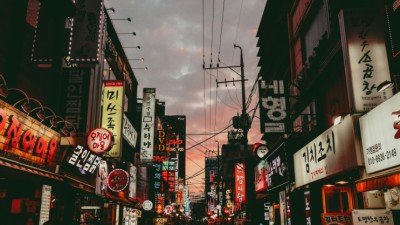
Seoul
Where fast-paced city life meets hidden queer stories
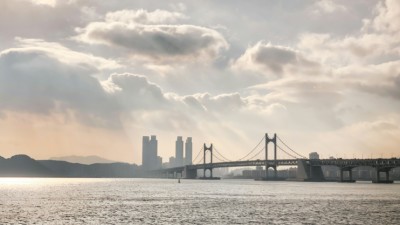
Busan
Where harbor views meet inclusive travel awareness.

Daegu
Where big-city energy meets regional flavor and changing conversations on inclusion.
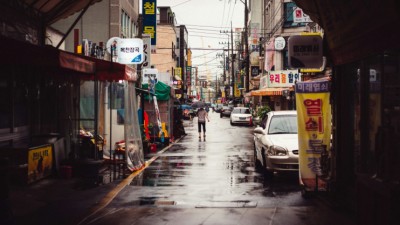
Daejeon
Explore thoughtfully, travel lightly, and find the city’s modern pulse.
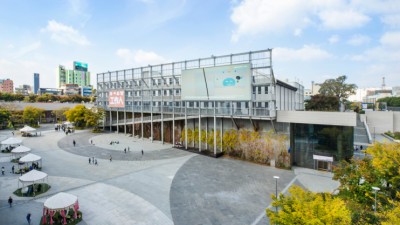
Gwangju
Where culture, cuisine, and city life meet on every corner.
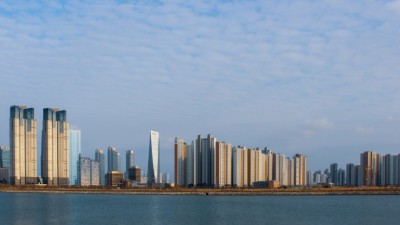
Incheon
A smart base for exploring Korea with ease and perspective.
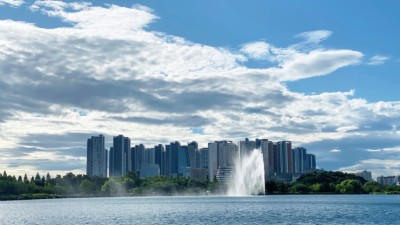
Goyang
Where metropolitan access meets cultural discovery

Suwon
Where fortress walls meet modern-day travel access.
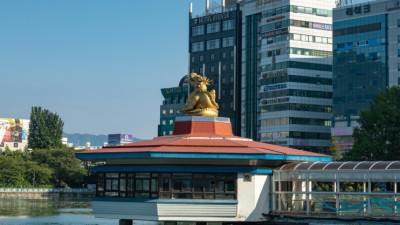
Changwon
A quieter Korean city perspective with room to explore independently.
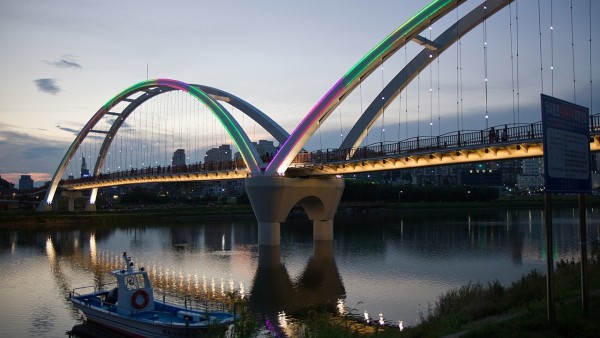
Ulsan
Industrial coastlines, quiet discovery, and a wider regional context.