About São Paulo
That scale matters for LGBTQ+ travelers because large, globally connected cities often offer more visible communities, broader cultural programming, and a deeper range of inclusive experiences.From an LGBTQ+ perspective, Brazil is notable for strong legal protections by regional standards.
Same-sex couples in the country have enjoyed the same rights as heterosexual couples since 16 May 2013, including marriage and adoption, and in 2019 the Brazilian Supreme Court ruled that discrimination on the basis of sexual orientation and gender identity is a crime akin to racism.
Within that national context, São Paulo stands out as a city where LGBTQ+ presence is not peripheral but part of the mainstream urban fabric.For visitors, one of the city’s most visible expressions of LGBTQ+ life is the São Paulo LGBT+ Pride Parade, widely recognized as one of the largest Pride events in the world.
The city also hosts the MixBrasil Festival of Culture and Diversity, an established cultural event that reflects São Paulo’s role as a major center for LGBTQ+ arts and visibility.
Together, these events underline why the city is so important to LGBTQ+ travelers: it is not only a destination for nightlife, but also for public expression, cultural production, and community scale.As a luxury-focused journalist, I would describe São Paulo as a destination where high-end hospitality, serious cultural depth, and LGBTQ+ visibility can coexist.
For travelers who want a large, international city with a strong event calendar and a recognized queer presence, it remains one of the most relevant destinations in Latin America.
Our Review
I see São Paulo as one of the most significant urban centers in Brazil and, by extension, in the Americas: it is the country’s most populous city and a major hub for commerce, culture, gastronomy, arts, fashion, technology, entertainment, and media.
That scale matters for LGBTQ+ travelers because large, globally connected cities often offer more visible communities, broader cultural programming, and a deeper range of inclusive experiences.
From an LGBTQ+ perspective, Brazil is notable for strong legal protections by regional standards.
Same-sex couples in the country have enjoyed the same rights as heterosexual couples since 16 May 2013, including marriage and adoption, and in 2019 the Brazilian Supreme Court ruled that discrimination on the basis of sexual orientation and gender identity is a crime akin to racism.
Within that national context, São Paulo stands out as a city where LGBTQ+ presence is not peripheral but part of the mainstream urban fabric.
For visitors, one of the city’s most visible expressions of LGBTQ+ life is the São Paulo LGBT+ Pride Parade, widely recognized as one of the largest Pride events in the world.
The city also hosts the MixBrasil Festival of Culture and Diversity, an established cultural event that reflects São Paulo’s role as a major center for LGBTQ+ arts and visibility.
Together, these events underline why the city is so important to LGBTQ+ travelers: it is not only a destination for nightlife, but also for public expression, cultural production, and community scale.
As a luxury-focused journalist, I would describe São Paulo as a destination where high-end hospitality, serious cultural depth, and LGBTQ+ visibility can coexist.
For travelers who want a large, international city with a strong event calendar and a recognized queer presence, it remains one of the most relevant destinations in Latin America.
Social Acceptance and Safety in São Paulo
When I assess São Paulo from an LGBTQ+ travel perspective, I see a city with a notably progressive legal environment by regional standards, but also a large urban setting where safety depends very much on the neighborhood, the time of day, and the traveler’s level of situational awareness.
Brazil grants same-sex couples the same rights as heterosexual couples, including marriage and adoption, and the Supreme Court has ruled that discrimination based on sexual orientation and gender identity is a crime akin to racism.
That legal framework matters: it gives São Paulo a more supportive backdrop than many cities in the region, even though legal protection does not eliminate everyday risk or prejudice.
In practice, São Paulo is a major cosmopolitan center with a substantial LGBTQ+ presence, which generally translates into broader social visibility and more opportunities to travel comfortably.
The city’s scale is important here: as Brazil’s largest city and one of the most influential urban centers in the Americas, it attracts international business, culture, and tourism.
In those settings, I would expect more familiarity with diverse identities than in smaller or more conservative locations.
That said, I would still treat social attitudes as mixed rather than uniformly welcoming.
Public openness is more realistic in central, affluent, and internationally oriented areas than in peripheral districts.
For safety, I would approach São Paulo as I would any large global city: with a luxury-travel mindset that values planning, private transport, and discretion when needed.
General urban risks—pickpocketing, opportunistic theft, and being targeted while distracted—remain more relevant to most visitors than identity-based harassment, though both can occur.
I would recommend avoiding displays of valuables, checking routes in advance, using reputable ride-hailing or trusted taxi services, and being especially alert at night around transit hubs, isolated streets, and unfamiliar areas.
If I were traveling as a couple, I would be mindful that public affection may feel comfortable in some settings and less so in others, and I would gauge the environment before assuming it is fully relaxed.
As for neighborhood atmosphere, the source pack does not support a precise ranking of districts by LGBTQ+ friendliness, so I would avoid overstating certainty.
What can be said reliably is that the city center and its more cosmopolitan entertainment zones are more likely to feel inclusive than more distant or residential areas, simply because they attract a broader mix of people and visitors.
São Paulo also has a well-established LGBTQ+ cultural profile, reinforced by major events such as Pride, which suggests that visibility is strongest in the city’s most public and central spaces.
At the same time, I would not describe any neighborhood as universally safe or universally welcoming; a cautious, informed approach remains essential.
My practical advice is straightforward: choose well-reviewed accommodation in a secure, central area; use private transport late at night; keep an eye on belongings in crowded places; and trust your instincts if a venue or street feels tense.
For LGBTQ+ travelers, São Paulo offers one of the strongest combinations in Latin America of legal protection, social visibility, and city-scale sophistication—but like any large metropolis, it rewards the traveler who plans carefully and stays alert.
Community and Support
When I look at São Paulo from a LGBTQ+ traveler’s perspective, I see a city with the scale and institutional depth to support community life in ways that smaller destinations often cannot.
As Brazil’s largest city and one of the country’s main economic and cultural centers, São Paulo has the density of population, public services, and civil-society activity that helps sustain LGBTQ+ organizations, advocacy, and support networks.
In a city this large, those resources are not always concentrated in one obvious district; instead, they are part of a wider urban ecosystem.
Brazil’s legal framework also matters.
Same-sex couples have had equal rights to heterosexual couples since 2013, including marriage and adoption, and in 2019 the Brazilian Supreme Court ruled that discrimination based on sexual orientation and gender identity is a crime akin to racism.
For me, that legal context is important because it shapes the environment in which community groups and support services operate, even though travelers should still approach any large city with normal urban caution and realistic expectations.
From a community standpoint, São Paulo is known internationally for its visibility and public LGBTQ+ presence, especially through events such as the São Paulo LGBT+ Pride Parade, which is widely recognized as one of the largest Pride events in the world.
While this guide section is focused on support rather than celebration, Pride on this scale is a useful indicator of how established LGBTQ+ networks can be in the city.
It suggests a broad base of activism, volunteer coordination, and social organization that often extends beyond a single annual event.
For health services, the source pack confirms Brazil’s strong legal protections but does not provide a specific directory of LGBTQ+ clinics, mental health providers, or HIV/AIDS support services in São Paulo.
I therefore do not want to overstate what I can verify here.
What I can say, cautiously and accurately, is that a city of São Paulo’s size and national importance is likely to have extensive general health infrastructure, and LGBTQ+ travelers who need care should verify current service availability directly through local health providers and trusted public health channels before traveling.
On the resource side, the city’s scale is again significant.
São Paulo’s size, international profile, and active civil society make it a place where travelers can reasonably expect to find community connections, advocacy visibility, and social support, especially around major public moments such as Pride.
For a luxury-minded traveler, that can translate into a more comfortable and confident experience: staying in well-connected neighborhoods, using established hotels, and planning around the city’s major cultural and civic institutions rather than relying on informal information alone.
My practical reading is that São Paulo offers a strong LGBTQ+ civic framework at the national and metropolitan level, but a fully current, venue-by-venue support directory should be checked closer to the trip date.
In a city this large, the best approach is to combine the legal security of Brazil’s national protections with up-to-date local verification for health, counseling, and community resources.
Events and Nightlife
When I assess São Paulo from an LGBTQ+ perspective, I see a city where scale matters: this is Brazil’s largest metropolis, with a cultural and nightlife infrastructure that supports major public events as well as a dense after-dark scene.
For LGBTQ+ travellers, that combination is important.
It means Pride is not just symbolic here; it is part of the city’s broader identity as a cultural capital and a place where large-scale public gathering is normalised.
The city’s best-known annual LGBTQ+ event is the São Paulo LGBT+ Pride Parade, widely recognised as one of the largest Pride parades in the world.
Its scale matters analytically because it signals both visibility and institutional familiarity: São Paulo is a city that has long hosted mass participation events, and Pride has become one of the most prominent examples of that public life.
In practical terms, it is the city’s marquee LGBTQ+ event and a major draw for visitors who want to experience São Paulo at its most expressive and crowded.
Beyond Pride, São Paulo also has a broader cultural calendar that supports queer visibility, though I would be careful not to overstate what can be verified from the source pack alone.
The city is known for intense cultural activity, and its reputation as a centre for arts, fashion, and entertainment helps explain why LGBTQ+ events find such a strong audience here.
For a traveller seeking a luxury-led urban experience, this means the social life around major events is often intertwined with high-end dining, hotels, and premium nightlife districts rather than isolated from them.
On nightlife, São Paulo is widely described as offering a lively and intense after-dark scene.
From an LGBTQ+ point of view, that is significant because the city’s scale supports a range of social spaces rather than a single concentrated scene.
While I cannot verify a comprehensive venue list from the source pack alone, the city is clearly established as a place where nightlife is a core part of the urban experience.
That makes it a strong destination for travellers who value choice, energy, and the ability to move between cultural events, cocktails, and late-night venues in one trip.
What is especially relevant for LGBTQ+ visitors is the legal and social context behind that scene.
Brazil recognises same-sex marriage and adoption rights, and since 2019 discrimination based on sexual orientation and gender identity has been treated as a crime akin to racism.
That legal environment does not remove the need for usual travel awareness, but it does help explain why São Paulo’s LGBTQ+ nightlife and public events operate with such visibility.
Because the source pack does not verify specific bars, clubs, or social venues, I will not name individual places here.
From a travel-writing perspective, the most defensible recommendation is to focus on well-established nightlife districts, major Pride-related events, and mainstream venues with a strong reputation for inclusivity.
In a city as large and internationally connected as São Paulo, that approach aligns best with both safety and quality.
In summary, São Paulo stands out as a major LGBTQ+ city because of three things: the scale of its Pride parade, the depth of its nightlife, and the legal environment that supports public LGBTQ+ life.
For travellers drawn to sophisticated city energy, it is a destination where queer visibility is not peripheral; it is part of the urban mainstream.
Cultural and Social Activities
From an LGBTQ+ perspective, São Paulo is one of the most consequential cultural cities in Brazil, and I approach it less as a single-district “gay area” than as a vast metropolis where queer life is woven into mainstream cultural production.
The city is Brazil’s largest and most populous, and its scale matters: it supports major museums, theaters, galleries, festivals, and nightlife, all of which create a broad social environment in which LGBTQ+ travelers can move through the city with relative ease in many public and cultural settings.
What stands out most clearly is São Paulo’s visibility.
The city is internationally associated with large-scale public expression, especially through the São Paulo LGBT+ Pride Parade, which is widely recognized as one of the largest Pride events in the world.
For me, this is not only a celebratory event but also a cultural indicator: it signals that queer identity is not peripheral in São Paulo.
It is part of the city’s public life, civic identity, and cultural calendar.
That visibility also extends to the broader arts scene, where São Paulo’s reputation in culture, fashion, entertainment, and media makes it especially relevant for travelers who want a luxury-oriented city break with an inclusive atmosphere.
In terms of formal cultural institutions, São Paulo’s arts ecosystem is one of the city’s strongest assets.
The city is known internationally for its museums, galleries, and performance spaces, and the most important point for LGBTQ+ travelers is not that these institutions are explicitly queer-branded, but that they operate within a metropolis where diversity is highly visible and culturally normalized.
In practical terms, this means I would look to São Paulo for a sophisticated museum and gallery circuit, major theater programming, and high-end dining and hospitality that complement a culturally engaged trip.
The city’s size and cosmopolitan character make it especially suitable for travelers who want a refined urban experience rather than a narrowly defined LGBTQ+ scene.
São Paulo’s legal environment is also relevant to how culture is experienced here.
According to the known record, same-sex couples in Brazil have enjoyed the same rights as heterosexual couples since 2013, including marriage and adoption, and in 2019 the Brazilian Supreme Court ruled that discrimination on the basis of sexual orientation and gender identity is a crime akin to racism.
That legal framework matters because it shapes public confidence, event scale, and the visibility of LGBTQ+ life in cultural spaces.
It does not eliminate all risks or social unevenness, but it does help explain why São Paulo can host such large, public, and internationally recognized queer cultural events.
When it comes to LGBTQ+-specific touring and landmarks, I need to be careful: the source pack does not verify any formal, named LGBTQ+ walking tours, nor does it identify specific historical landmarks dedicated to queer history in São Paulo.
Because of that, I would not claim a curated LGBTQ+ heritage trail exists unless independently verified.
What can be said with confidence is that the city’s LGBTQ+ history is strongly expressed through public events, especially Pride, and through the broader visibility of queer life in the city’s cultural mainstream.
As for notable LGBTQ+ figures and influencers connected to São Paulo, the source pack does not provide verified names, so I would not include individuals without corroboration.
For an article built on accuracy, it is better to acknowledge that São Paulo’s LGBTQ+ influence is evident at the scale of its public culture rather than attach unverified personalities to the city.
Overall, my reading of São Paulo is that it offers LGBTQ+ travelers an unusually rich combination of cultural seriousness, public visibility, and metropolitan luxury.
Its museums, theaters, galleries, and major civic events make it a city where queer travelers can engage with Brazilian culture at the highest urban level, while its large Pride presence reinforces that LGBTQ+ identity is part of the city’s public and cultural fabric.
Accommodation
When I assess accommodation in São Paulo from an LGBTQ+ travel perspective, I start with the city’s broader context: this is Brazil’s largest city and one of Latin America’s most important business and cultural hubs, so the strongest lodging options are generally found in its central, well-connected districts and in its higher-end hotel stock.
The city’s scale matters.
In a metropolis as large as São Paulo, the practical priority is not a single “gay hotel district,” but choosing accommodation that is reliable, well-located, and aligned with internationally minded hospitality standards.
For LGBTQ+ travelers, the most useful approach is to look for established upscale hotels rather than relying on informal claims of inclusivity.
I would prioritize properties that clearly state non-discrimination policies, maintain international brand standards, and have a strong reputation among a diverse clientele.
In a city where business travel and major events are part of the hospitality market, that often translates into professional front-desk service, discreet check-in, and a generally low-friction guest experience.
While the source pack does not identify specific LGBTQ+-branded hotels, São Paulo’s size and global profile mean that mainstream luxury properties are usually the safest starting point for travelers seeking comfort and predictability.
For a luxury-minded stay, I would focus on neighborhoods with strong transport links, high-end dining, and established hotel concentrations.
In São Paulo, that typically means central, affluent, and business-oriented areas rather than peripheral districts.
Jardins is one of the city’s best-known upscale zones, valued for its shopping, restaurants, and premium hotels.
Paulista Avenue and its surrounding blocks are also practical because they combine major hotels, business infrastructure, and easy access to culture.
For travelers who want a polished urban base, these are the kinds of areas that best suit São Paulo’s fast-moving rhythm.
For LGBTQ+ visitors, location is not only about luxury; it is also about ease of movement.
São Paulo is a huge city, and long cross-town journeys can be time-consuming.
Staying in a central district makes it easier to access restaurants, museums, nightlife, and public-facing events such as the city’s major Pride-related programming.
That convenience matters especially in a city where the experience is often shaped by where you stay, not just where you go.
When I advise readers on how to find inclusive accommodation in São Paulo, I recommend three practical checks.
First, review the hotel’s own policies and guest-facing language, looking for clear anti-discrimination statements.
Second, examine recent reviews from a range of travelers; consistent comments about professionalism and respectful service are more useful than marketing language.
Third, favor internationally recognized hotel chains or high-end independent properties with a long-standing reputation, because these are more likely to have standardized service expectations.
I would not assume inclusivity based on location alone, but central São Paulo’s top-tier hospitality sector is generally the most reliable environment for LGBTQ+ travelers.
Brazil’s legal framework is also relevant here.
Same-sex couples in Brazil have had equal rights to heterosexual couples since 2013, including marriage and adoption, and in 2019 the Supreme Court ruled that discrimination based on sexual orientation and gender identity is a crime akin to racism.
That legal context does not replace the need for sensible hotel selection, but it does help explain why São Paulo operates as a major international city where LGBTQ+ travelers can plan a stay with a reasonable expectation of public visibility and institutional support.
In practical terms, my recommendation is to treat São Paulo as a city best experienced through a well-located luxury base: choose a polished hotel in an established district such as Jardins or near Avenida Paulista, confirm inclusive policies before booking, and use the city’s central geography to your advantage.
For LGBTQ+ travelers, that combination offers the strongest balance of comfort, convenience, and confidence in a city that is both commercially powerful and culturally expansive.
Reference: São Paulo; LGBTQ rights in Brazil; Wikivoyage: São Paulo
Dining and Entertainment
When I evaluate São Paulo from an LGBTQ+ travel perspective, I see a city whose dining and entertainment strengths are inseparable from its sheer scale.
As Brazil’s largest city and a major center for commerce, culture, gastronomy, arts, fashion, technology, entertainment, and media, São Paulo offers a depth of choice that is unusually relevant for LGBTQ+ travelers seeking both discretion and sophistication.
The city is also recognized by UNESCO’s Creative Cities Network as a City of Film and as the World Capital of Gastronomy, which reinforces its position as a serious destination for high-end dining and live culture.
For dining, the most accurate conclusion I can draw from the verified sources is that São Paulo’s restaurant scene is broad, international, and excellent in scale, rather than defined by a single explicitly LGBTQ+-coded culinary district.
That matters in practical terms.
In a city with this level of gastronomic density, I would expect LGBTQ+ travelers to find inclusive experiences most reliably in established, mainstream venues with polished service, central locations, and strong reputations.
The source material supports São Paulo’s status as a global food city, but it does not verify specific LGBTQ+-branded restaurants, cafés, or eateries, so I do not name any.
What I can say confidently is that the city’s dining culture is one of its major assets, and that a luxury-oriented traveler can plan around well-regarded restaurants in central districts with confidence in the breadth of choice.
Entertainment is equally important.
Wikivoyage describes São Paulo as offering a jovial nightlife and an intense cultural experience, which aligns with the city’s reputation as a major urban destination for performances and night-time activity.
For me, that translates into a city where theater, cinemas, and live performances are not secondary attractions but part of the travel experience itself.
The verified material also points to São Paulo’s strength in arts and media, which supports the idea of a robust entertainment ecosystem.
However, I must be precise: the source pack does not provide verified names of LGBTQ+ cinemas, theaters, cabarets, or performance venues, so I cannot list specific institutions as LGBTQ+ friendly without additional sourcing.
What the verified information does establish is the legal and social framework that makes this entertainment landscape more accessible to LGBTQ+ visitors.
Same-sex couples in Brazil have enjoyed the same rights as heterosexual couples since 2013, including marriage and adoption, and since 2019, discrimination on the basis of sexual orientation and gender identity has been treated as a crime akin to racism.
In practical travel terms, this creates a stronger baseline for inclusion in public-facing dining and entertainment spaces than in many other destinations.
It does not eliminate the need for ordinary caution, but it does place São Paulo in a comparatively favorable category for LGBTQ+ travelers.
For a luxury-minded itinerary, I would therefore frame São Paulo’s dining and entertainment scene around three verified strengths: its status as a world-class gastronomy city, its recognized role in film and the broader arts, and its large-scale nightlife and cultural activity.
The most reliable approach is to focus on established venues in central, high-traffic parts of the city, where service standards tend to be strongest and access to restaurants, theaters, and evening entertainment is easiest.
That is the most defensible and factual way to read São Paulo as an LGBTQ+ destination: not as a city of a few isolated queer venues, but as a vast metropolis where inclusive dining and entertainment are supported by scale, culture, and legal protections.
Verified references: São Paulo, Wikivoyage: São Paulo, LGBTQ rights in Brazil.
Travel Tips
When I assess São Paulo for LGBTQ+ travelers, I start with the basics: this is a vast, fast-moving metropolis, and the most practical travel strategy is to stay central, move deliberately, and choose established services.
São Paulo is Brazil’s largest city and a major economic and cultural hub, with a reputation for intense urban energy, strong nightlife, and a dense calendar of arts and entertainment.
For LGBTQ+ visitors, that scale matters because it usually means more choice, but it also means more need for planning.
Brazil offers a comparatively strong legal framework for LGBTQ+ rights.
Same-sex couples have had equal rights to heterosexual couples since 2013, including marriage and adoption, and in 2019 the Brazilian Supreme Court ruled that discrimination based on sexual orientation and gender identity is a crime akin to racism.
In practical terms, that legal context gives São Paulo a more reassuring baseline than many destinations in the region.
Even so, I still recommend the same common-sense precautions I would use in any large city: keep valuables secure, use licensed transport when possible, and be aware of your surroundings, especially late at night.
For accommodation, I would prioritize central, high-end neighborhoods and properties with strong reputations for professionalism and international service.
In a city as large as São Paulo, location is a major safety and convenience factor.
Staying in a well-connected district reduces the need for long cross-city journeys and makes it easier to access dining, culture, and nightlife without unnecessary complexity.
For a luxury-oriented stay, this is also the most efficient way to enjoy the city at its best.
In terms of local customs, São Paulo is cosmopolitan and businesslike, but not casually informal.
I find that polished, respectful behavior tends to work well everywhere in the city.
Public displays of affection are not unusual in all settings, but I would still read the room, especially in more conservative environments outside the most international parts of the city.
The safest approach is to let the setting guide how visibly affectionate or expressive you choose to be.
My advice on dos and don’ts is straightforward.
Do choose reputable hotels, restaurants, and transport options.
Do check recent guest reviews, especially from other LGBTQ+ travelers when available.
Do plan your movements in advance if you are going out at night.
Don’t assume every venue will be equally inclusive just because the city is large.
Don’t rely on vague marketing language; if you need specific assurances, verify policies directly with the property or service provider.
And don’t treat São Paulo as a destination where you can move completely without caution—its size and pace reward preparation.
For nightlife, I would approach the city as one of Brazil’s major urban centers for going out, rather than looking for a single concentrated queer district.
São Paulo is described as offering a jovial nightlife and an intense cultural experience, and its LGBTQ+ life is part of that broader metropolitan scene.
The city’s scale makes it important to research in advance and to choose venues with a solid reputation.
I would especially favor established locations in central, well-trafficked areas over informal recommendations without verification.
If my goal were to connect with the local LGBTQ+ community, I would time my visit around major public moments of visibility such as São Paulo LGBT+ Pride, which is widely recognized as one of the largest Pride parades in the world.
That kind of event is the clearest verified entry point into the city’s LGBTQ+ civic life.
Beyond that, I would look for cultural institutions, public events, and mainstream venues where LGBTQ+ communities are visibly present, rather than assuming there is one fixed social map for the city.
Health and support planning should also be handled realistically.
São Paulo, as a major global city, has extensive general infrastructure, but I would not presume that every traveler will immediately know where to find specialized LGBTQ+ health services or community support.
Before traveling, I would verify current options through trusted local or international sources, and I would keep the contact information for emergency services and my accommodation readily available.
My overall assessment is that São Paulo rewards travelers who are selective, well-informed, and comfortable in a large urban environment.
For LGBTQ+ visitors, the city offers a strong legal backdrop, a high-profile Pride culture, and the advantages of a major world city.
The best experience comes from staying central, using reputable services, and engaging with the city through verified institutions and major public events rather than making assumptions about neighborhood-by-neighborhood inclusivity.
In my assessment, São Paulo stands out as one of the strongest large-city options in Brazil for LGBTQ+ travelers who want a destination with scale, visibility, and cultural depth.
It is the country’s largest city and a major center for commerce, culture, gastronomy, arts, fashion, technology, entertainment, and media, which gives it the broad urban infrastructure that many LGBTQ+ visitors look for in a city break.
São Paulo’s size also supports a lively social scene and a genuinely intense cultural experience, rather than a narrow or isolated queer offering.
For a luxury-minded traveler, that means I can frame the city not only as inclusive in principle, but also as richly urban, polished, and full of high-end possibilities.
The legal context in Brazil is also an important strength.
Same-sex couples in Brazil have had equal rights to heterosexual couples since 2013, including marriage and adoption, and in 2019 the Brazilian Supreme Court ruled that discrimination based on sexual orientation and gender identity is a crime akin to racism.
That legal framework does not remove every challenge a traveler might encounter in a large and diverse metropolis, but it does provide a strong foundation for confidence, especially for visitors who value reassurance and predictability when choosing a destination.
At the same time, I would describe São Paulo as a city that rewards informed travel.
Its sheer scale can be challenging: it is vast, fast-moving, and often demanding in terms of logistics.
For LGBTQ+ travelers, that means the best experience usually comes from staying in a central, well-connected area and making deliberate choices about dining, nightlife, and transportation.
The city’s energy is part of its appeal, but it also means that visitors benefit from planning rather than improvisation.
My final recommendation is to approach São Paulo as a sophisticated metropolitan destination where LGBTQ+ travelers can enjoy both visibility and cultural substance.
I would especially encourage visitors to take advantage of the city’s major Pride presence, its broader cultural life, and its reputation as a city of international significance.
If you are looking for a destination that combines legal progress, urban intensity, and strong cultural capital, São Paulo is a compelling choice.
Explore it with the same confidence and discernment you would bring to any major global city, and you are likely to find a rewarding, dynamic, and memorable LGBTQ+ travel experience.
Other Guides in Brazil
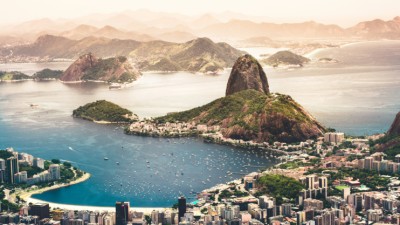
Rio de Janeiro
Beach days, bold nights, and a skyline that never stays quiet.
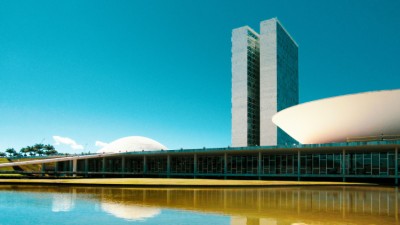
Brasília
Where bold design meets a calm urban rhythm.
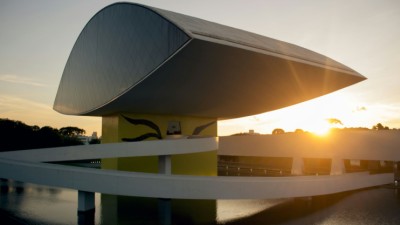
Curitiba
A cool-weather city break with culture, walkable history, and an easy base for working on the road.
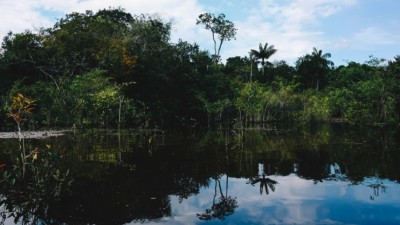
Manaus
Where riverfront culture meets rainforest adventure

Fortaleza
Where beach life meets urban culture and a wider Brazilian story.
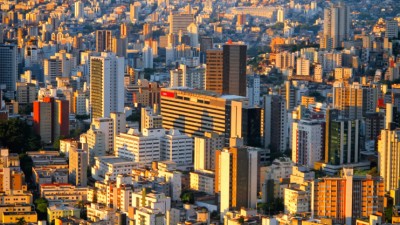
Belo Horizonte
A welcoming stop where urban rhythm meets thoughtful travel.
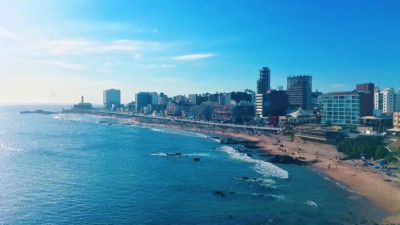
Salvador
Where history, sea views, and celebration meet
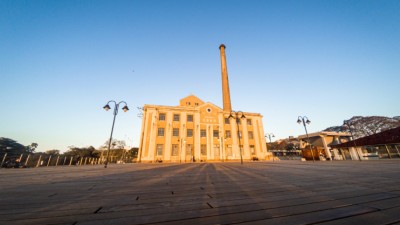
Porto Alegre
A welcoming stop where culture, city life, and great food meet.