About Salvador
As one of the oldest cities in the Americas and the first capital of Colonial Brazil, Salvador carries extraordinary historical weight, while its Old Town, recognized as a World Heritage Site, gives the city a powerful sense of place.From an LGBTQ+ perspective, I see Salvador as part of Brazil’s wider urban landscape where LGBTQ+ rights are among the strongest in the world, with same-sex marriage and adoption available nationwide and discrimination based on sexual orientation and gender identity criminalized at the federal level.
That legal context matters for travelers looking for a destination where visibility and safety are supported by law, even as, like any major city, experiences can vary by neighborhood and situation.Culturally, Salvador is especially significant.
Its strong African influence has shaped food, music, religion, and everyday life, making it a center of Afro-Brazilian culture and one of the birthplaces of Brazilian culture.
For LGBTQ+ travelers, that means a destination with deep identity, expressive public life, and a festive atmosphere that often reaches its peak during Carnaval, one of the city’s best-known events and a major draw for visitors.
I would also note Mercado Modelo as a practical stop in the lower town for crafts and souvenirs, especially if you want a classic Salvador experience between sightseeing and beach time.In short, Salvador offers a travel experience that feels both historic and lively: a city for visitors who want heritage, color, and culture alongside a welcoming framework for LGBTQ+ rights in Brazil.
Our Review
I’m introducing Salvador, the capital of Bahia, as one of Brazil’s most distinctive cities: a place where colonial history, African heritage, music, cuisine, and coastal scenery come together in a way few destinations can match.
As one of the oldest cities in the Americas and the first capital of Colonial Brazil, Salvador carries extraordinary historical weight, while its Old Town, recognized as a World Heritage Site, gives the city a powerful sense of place.
From an LGBTQ+ perspective, I see Salvador as part of Brazil’s wider urban landscape where LGBTQ+ rights are among the strongest in the world, with same-sex marriage and adoption available nationwide and discrimination based on sexual orientation and gender identity criminalized at the federal level.
That legal context matters for travelers looking for a destination where visibility and safety are supported by law, even as, like any major city, experiences can vary by neighborhood and situation.
Culturally, Salvador is especially significant.
Its strong African influence has shaped food, music, religion, and everyday life, making it a center of Afro-Brazilian culture and one of the birthplaces of Brazilian culture.
For LGBTQ+ travelers, that means a destination with deep identity, expressive public life, and a festive atmosphere that often reaches its peak during Carnaval, one of the city’s best-known events and a major draw for visitors.
I would also note Mercado Modelo as a practical stop in the lower town for crafts and souvenirs, especially if you want a classic Salvador experience between sightseeing and beach time.
In short, Salvador offers a travel experience that feels both historic and lively: a city for visitors who want heritage, color, and culture alongside a welcoming framework for LGBTQ+ rights in Brazil.
Social Acceptance and Safety
When I travel to Salvador, I’m always struck by how much of the city’s identity is shaped by its deep Afro-Brazilian heritage, its music, and its public life.
For LGBTQ+ travelers, that cultural richness matters: it creates a city that can feel expressive, social, and outward-looking, especially in the historic center and other busy visitor areas.
Salvador is also part of Brazil, where same-sex marriage and adoption have been legally recognized since 2013, and where the Supreme Court ruled in 2019 that discrimination based on sexual orientation and gender identity is a crime akin to racism.
LGBTQ rights in Brazil
In practical terms, my advice is to read Salvador as a large, lively Brazilian city rather than assuming a single attitude everywhere.
In the most visited areas—especially the historic center, along major tourist routes, and in well-trafficked beachfront zones—I generally find the atmosphere more relaxed simply because there are more visitors, more visibility, and more day-to-day diversity.
That said, public displays of affection can draw attention in many parts of Brazil, so I keep things measured in crowded or unfamiliar places, just as I would in any major city.
Safety-wise, my biggest focus in Salvador is the same as in other major urban destinations: I avoid isolated streets at night, stay alert to opportunistic theft, and use trusted transportation rather than wandering long distances after dark.
For a luxury-minded stay, I prefer to base myself in well-located, established hotels and move between dinners, cultural sites, and beachfront settings with a plan in place.
Salvador is a city best enjoyed when I’m deliberate about timing and transport, especially after sunset.
As for neighborhoods, I find that the most central and heavily visited districts tend to be the easiest for LGBTQ+ travelers to navigate because they are used to visitors and have more services nearby.
The historic core and major tourist areas are the places I would treat as the most straightforward from a practical standpoint.
On the other hand, I would be more cautious in less crowded or more residential areas late at night, where local social norms may be less predictable and where visibility can matter more.
I don’t recommend assuming any neighborhood is uniformly welcoming; in Salvador, as elsewhere, it is better to judge the immediate street environment, the time of day, and the level of foot traffic.
For me, the safest and most comfortable way to experience Salvador is to combine daytime exploration—museums, churches, architecture, and the city’s cultural landmarks—with evenings in polished, well-reviewed restaurants and reputable hotels.
The city’s rhythm is energetic and social, but I still choose my routes carefully, keep valuables discreet, and use common-sense precautions.
That approach allows me to enjoy Salvador’s warmth and character while staying as safe and comfortable as possible.
For a broader city overview, I also refer to Salvador, Bahia and Salvador on Wikivoyage.
Community and Support
When I plan a stay in Salvador, Bahia, I always keep one practical truth in mind: this is a city where culture is unmistakably alive, but LGBTQ+ travelers still benefit from knowing where support is available and how Brazil’s legal protections work on the ground.
What the legal context means for travelers
Brazil is one of the stronger countries in the region on paper for LGBTQ+ rights.
Same-sex couples have had the same rights as heterosexual couples, including marriage and adoption, since 2013, and in 2019 the Brazilian Supreme Court ruled that discrimination based on sexual orientation and gender identity is a crime akin to racism.
For me, that matters because it sets an important baseline: LGBTQ+ travelers in Salvador are visiting a city within a country that has significant legal protections.
You can read the broader legal background here: LGBTQ rights in Brazil.
Community support in Salvador
Based on the verified source material available here, I can confirm Salvador’s importance as a major Brazilian city and a center of Afro-Brazilian culture, but I cannot reliably name specific local LGBTQ+ organizations or community centers without risking inaccuracy.
Because of that, I won’t invent groups, venues, or addresses.
For practical trip planning, I would use Salvador’s major urban areas and established tourist districts as the starting point for finding in-person support, and I would rely on general city resources and reputable health services rather than assuming a particular neighborhood has a dedicated LGBTQ+ center.
For a general city overview, these references are useful:
Health services: what I can verify
I can verify that Brazil has a national context in which LGBTQ+ rights are legally recognized, but I do not have a source pack here that identifies specific health clinics, HIV/AIDS centers, or mental health services in Salvador by name.
So I won’t speculate.
If I were advising a traveler, I would recommend confirming the following before arrival:
- Whether a clinic or hospital offers services in English, if needed
- Whether they have experience with LGBTQ+ patients
- How they handle sexual health testing, PrEP/PEP referrals, and HIV care
- Whether mental health services are available through private providers or hospital networks
In a city as large as Salvador, I would treat those questions as essential trip-prep, especially for travelers who may need continuity of care or discreet support during a longer stay.
How I would approach support as a traveler
For an LGBTQ+ traveler seeking a comfortable, upscale experience, I would build a short list before arriving: one reliable hotel, one primary clinic or hospital, and one backup contact for urgent health needs.
That approach keeps the trip smooth and avoids scrambling if something comes up.
I would also prioritize accommodation in well-connected areas and use established transport options when heading to appointments, since a calm and secure base makes it easier to navigate any health or support needs discreetly.
Bottom line
Salvador sits within a country that offers strong legal protections for LGBTQ+ people, which is reassuring.
What I cannot verify from the supplied source pack is the existence of specific local LGBTQ+ organizations, support groups, or named health centers in the city, so I will not claim them here.
For a travel guide, the safest and most factual advice is to plan ahead, verify medical contacts before arrival, and use Brazil’s broader legal framework as a reassuring starting point.
Events and Nightlife
When I plan an LGBTQ+ night out in Salvador, I think of the city less as a single “gay district” and more as a place where music, Carnaval energy, and Bahia’s social rhythm shape the evening.
Salvador is one of Brazil’s great cultural capitals, known for its African influence, its historic center, and its famously festive atmosphere.
That matters for nightlife: the city’s best evenings often feel communal, musical, and deeply local rather than concentrated in one small scene.
For annual LGBTQ+ events, I can verify Salvador’s broader role in Brazil’s Carnival tradition, but I cannot confidently confirm a single, recurring Pride parade or specific LGBTQ+ march from the source pack alone.
What is clear is that Salvador’s Carnaval celebrations are among its signature events, and they are central to the city’s after-dark identity.
If I were writing this for travelers, I would treat Carnaval season as the most important time to experience Salvador’s nightlife at full volume: street parties, music, and a citywide social scene that can feel especially welcoming to visitors who enjoy expressive, high-energy environments.
Brazil’s legal framework is also relevant when I assess the city as an LGBTQ+ destination.
Brazil recognizes same-sex marriage and adoption, and since 2019 discrimination based on sexual orientation or gender identity has been treated as a criminal offense akin to racism.
That does not make every social setting uniform, but it does help explain why many travelers view Salvador as part of a broader Brazilian landscape where LGBTQ+ people can move with more confidence than in many other countries.
As for nightlife venues, I need to stay strictly within verified information: the source pack does not confirm specific LGBTQ+ bars, clubs, or social spots in Salvador by name, so I am not going to invent a list.
Instead, I would recommend approaching the city’s nightlife as a mix of live music venues, festive bars, and late-night dining in areas that are already established for visitors.
In practical terms, Salvador’s historic and tourist-oriented areas are the safest starting point for an evening out, especially if you want atmosphere without the guesswork.
For me, the most appealing strategy is to pair dinner and drinks with the city’s cultural strengths.
Salvador is internationally known for cuisine, music, and architecture, and that translates beautifully into a night out: a refined meal, a well-located hotel bar, then live music or a Carnaval-adjacent event if the calendar allows.
The city’s musical reputation is not just background noise—it is part of the nightlife experience.
Because I cannot verify specific LGBTQ+ venues from the available sources, my most reliable recommendation is to favor well-trafficked, central districts and to check current listings locally once in the city.
That is especially useful in Salvador, where nightlife can shift with the season, the day of the week, and the event calendar.
For LGBTQ+ travelers, the safest luxury-minded approach is also the simplest: choose a reputable hotel, use trusted transport, and build the evening around established cultural hotspots rather than chasing unverified venue names.
In short, Salvador offers an LGBTQ+ traveler a nightlife scene that is best understood through its public celebrations, music culture, and urban energy.
I would come for Carnaval, stay for the music, and use the city’s historic center and visitor-friendly areas as the foundation for a polished, comfortable night out.
Useful background reading: Salvador, Bahia, Salvador (Wikivoyage), and LGBTQ rights in Brazil.
Cultural and Social Activities
When I spend time in Salvador, Bahia, I always feel the city’s cultural life first: in its museums, its historic streets, its music, and its layered Afro-Brazilian identity.
For LGBTQ+ travelers, that matters because Salvador’s most rewarding experiences are often cultural rather than nightlife-driven, and the city’s strongest draw is the way history and contemporary creativity meet in public view.
Salvador is the capital of Bahia and one of the oldest cities in the Americas, originally founded as the first capital of Colonial Brazil.
Its historic center, Pelourinho, is a UNESCO World Heritage Site and one of the best places to begin a cultural walk.
I would treat it as an open-air introduction to the city: colonial architecture, churches, squares, and museums are concentrated here, and the area is deeply tied to the history of Afro-Brazilian culture.
For LGBTQ+ visitors who enjoy architecture, heritage, and street photography, this is one of the city’s most compelling daytime areas.
Salvador, Bahia | Salvador travel guide
What makes Salvador especially distinctive is the strength of its African heritage.
The city is widely recognized for its cuisine, music, and cultural traditions shaped by African influence, and that identity is visible in the arts as well.
I find this important for LGBTQ+ travel because it gives the city a cultural confidence that feels expansive and expressive.
The best museums and galleries here are not just places to look at objects; they help explain how Salvador became one of Brazil’s most important centers of culture.
Salvador, Bahia
For a practical cultural itinerary, I would start with Salvador’s historic core and then move outward to venues that focus on art, performance, and local memory.
The city is known for its vibrant musical scene and for being one of the birthplaces of Brazilian culture, so live performance is part of the experience even when you are not attending a formal show.
That said, I only recommend activities I can verify from reliable sources: the historic center, the city’s museums, its architecture, its music heritage, and its major public cultural celebrations such as Carnaval.
Salvador travel guide
For LGBTQ+ travelers who like cultural tourism with a luxury feel, Salvador rewards slow exploration.
I would pair a morning in the historic center with a refined lunch and then an afternoon in a museum or gallery setting, rather than trying to rush from landmark to landmark.
The city’s best cultural experiences are often about atmosphere: cobblestone streets, colonial facades, church interiors, and the energy of a place that has helped shape Brazilian identity for centuries.
Salvador travel guide
On the subject of LGBTQ+ specific context, I should be careful: I do not have verified source material confirming dedicated LGBTQ+ cultural tours, LGBTQ+ museums, or specific LGBTQ+ historical landmarks in Salvador.
What is verified is the broader legal and social backdrop in Brazil.
Same-sex marriage and adoption are recognized nationally, and in 2019 the Brazilian Supreme Court ruled that discrimination on the basis of sexual orientation and gender identity is a crime akin to racism.
That legal framework matters when I consider Salvador as a destination for LGBTQ+ travelers, even if the city-specific cultural scene is not documented in the source pack as having dedicated queer institutions.
LGBTQ rights in Brazil
I also cannot responsibly name local LGBTQ+ figures or influencers based on the source material provided.
Instead, I would point travelers toward Salvador’s best-documented public cultural identities: Afro-Brazilian artists, musicians, and heritage institutions, which are central to the city’s story and easy to experience through museums, architecture, and performance.
That is where Salvador is most distinctive, and it is where I would direct any visitor seeking an informed, culturally rich, and genuinely memorable stay.
In short, Salvador is a city I would recommend for LGBTQ+ travelers who value culture over cliché.
Its strongest assets are verified and enduring: the historic center, its UNESCO-recognized heritage, its music, its Afro-Brazilian character, and its role in Brazilian cultural history.
For me, that combination makes Salvador feel both grounding and inspiring.
Accommodation
When I plan a stay in Salvador, I look first for two things: a location that makes sense for the way I want to move around the city, and accommodation that feels professionally run and welcoming to LGBTQ+ travelers.
Salvador is one of Brazil’s most celebrated destinations — a historic capital with a UNESCO-listed old town, a rich Afro-Brazilian cultural heritage, and strong tourist demand — so I approach lodging here with the same expectations I would bring to any major international city: comfort, reliability, and a smart sense of place.
Salvador, Bahia Salvador
Brazil itself has significant legal protections for LGBTQ+ people, including same-sex marriage and adoption rights, and discrimination on the basis of sexual orientation or gender identity was ruled a crime by the Brazilian Supreme Court in 2019.
That legal framework is reassuring, but when I choose where to stay, I still look beyond national law and focus on the actual property, the neighborhood, and the quality of the guest experience.
LGBTQ rights in Brazil
How I look for LGBTQ+ friendly accommodation in Salvador
I prefer to book hotels and guesthouses that present themselves clearly and professionally, with established review histories and a straightforward approach to guest privacy.
In practice, I look for:
- Clear non-discrimination language in the property description or booking policy.
- Consistently strong guest reviews mentioning respectful service and professionalism.
- Central locations that make it easy to return to the hotel by taxi or rideshare after dinner or evening outings.
- Properties with a polished, discreet atmosphere rather than a party-only focus, especially if I want a quieter luxury stay.
I also pay attention to how a property handles bed configurations, guest registration, and special requests.
In any city, including Salvador, a smooth check-in experience is often a good sign that the hotel is used to serving a wide range of international guests.
Neighborhoods I would consider first
For a first visit, I would prioritize Salvador’s best-known tourist and historic areas, where international visitors are most common and where I can move more easily between sightseeing, dining, and the hotel.
Wikivoyage notes that parts of Salvador are best explored on foot, especially the dense historical areas, and that the city draws millions of visitors a year for its beaches and cultural life.
Salvador
Pelourinho and the Historic Center are the most obvious choices if I want to be close to Salvador’s architectural heritage and the UNESCO-recognized old town.
This is where I would stay if I wanted the strongest sense of place, especially for a short cultural trip.
The trade-off is that historic districts can be busy and sometimes uneven after dark, so I would choose a hotel with a strong reputation and use transport carefully in the evening.
Salvador Salvador, Bahia
Barra is another area I would consider for a more classic city-and-sea stay.
It is one of the better-known coastal districts and works well if I want to combine sightseeing with a beach-oriented rhythm and easy access to dining.
For me, a well-located hotel here can feel more relaxed than staying deep in the historic core, while still keeping me within reach of central Salvador.
Ondina is also useful for travelers who want a slightly more residential, upscale feel without leaving the city’s main tourism circuit.
I see it as a practical option when I want a quieter base but still need reliable transport to major attractions.
What I value in a luxury stay
In Salvador, I would lean toward properties that make the city’s atmosphere easy to enjoy without sacrificing comfort.
That usually means a hotel with air-conditioned rooms, strong service standards, secure entry, and a restaurant or breakfast setup that lets me start the day comfortably before heading out to museums, churches, or the old town.
For a luxury-minded traveler, Salvador rewards a hotel that feels like a calm retreat after a day in the heat and bustle of the city.
I also pay attention to the style of the property.
In a city as culturally layered as Salvador, I appreciate a hotel that reflects local character without becoming theatrical about it.
The best high-end stays, in my view, are those that are elegant, rooted in place, and attentive to detail.
Practical tips for inclusive booking
When I book accommodation as an LGBTQ+ traveler, I keep my approach simple and factual:
- I read recent reviews carefully for comments about respect, discretion, and professionalism.
- I prefer internationally recognizable booking platforms or official hotel websites when I need to confirm room details.
- I check whether the property is in a walkable or well-connected area, because transport planning matters in a large city.
- If I have any doubt, I contact the hotel in advance with a straightforward question about room assignment, check-in policy, or guest recognition.
That last step matters.
A clear, courteous reply often tells me more about a property than a glossy description does.
My bottom line
For LGBTQ+ travelers, Salvador can be a rewarding and stylish place to stay, especially if you choose your neighborhood carefully and prioritize hotels with strong service standards.
I would focus first on the historic center, Pelourinho, Barra, or Ondina depending on whether I want culture, sea views, or a quieter city base.
With Brazil’s legal protections in place and Salvador’s strong international tourism profile, the city offers a solid foundation for a comfortable stay — but I still book with the same rule I use everywhere: choose the property, not just the destination.
Dining and Entertainment
When I explore Salvador, Bahia through an LGBTQ+ lens, I look first for places that feel socially open, well-run, and rooted in the city’s unmistakable cultural energy.
Salvador is widely recognized for its Afro-Brazilian heritage, music, and cuisine, and that same spirit shapes the city’s dining and nightlife.
For LGBTQ+ travelers, the most comfortable experiences are usually found in busy, established areas where the atmosphere is lively and public-facing rather than hidden away.
Dining with a Salvador identity
One of the pleasures of eating in Salvador is that the city’s food is not just a side note to the trip — it is central to the experience.
Salvador is internationally known for its cuisine, and the city’s African influence is especially visible in its food culture.
That matters to me as a traveler, because inclusive dining is often about more than a rainbow flag: it is also about being welcomed into a setting that feels confident in its own identity.
The source pack does not verify a long list of explicitly LGBTQ+ branded restaurants in Salvador, so I avoid naming places without evidence.
Instead, I focus on settings that are clearly documented and culturally significant.
In practice, that means I would prioritize restaurants, cafes, and informal eateries in the city’s main visitor areas, especially around the historic center and other busy districts where service is geared toward a broad mix of local and international guests.
For a luxury-minded traveler, I would look for restaurants that combine polished service with Bahia’s distinctive flavors.
Salvador’s culinary reputation makes it an easy city to enjoy at a high standard, whether the goal is a leisurely lunch, a refined dinner, or a simple meal with a strong sense of place.
Casarão do Lord: music, drinks, and African-Brazilian atmosphere
The clearest venue in the source pack is Casarão do Lord, located at Rua Frei Vicente, No 7, Pelourinho.
It is described as a drink listing in the middle of Pelourinho, and it stands out as a particularly relevant stop for LGBTQ+ travelers because of its welcoming, expressive cultural mix.
According to the verified listing, Casarão do Lord offers live bands playing salsa, samba, reggae, zouk, and semba, along with DJs spinning African, Brazilian, and world music.
It also serves African dishes and drinks.
That combination makes it a strong fit for travelers like me who want the evening to feel vibrant but still anchored in Salvador’s identity.
Pelourinho is one of the city’s most recognizable historic districts, and Casarão do Lord fits naturally into that setting.
I see this as the kind of venue where the experience is as much about the atmosphere as the menu: music, movement, and a sense of place all come together.
Because the source pack identifies this venue through a public listing rather than an LGBTQ+ specific endorsement, I would describe it carefully as inclusive and culturally appealing, rather than labeling it as an official LGBTQ+ venue.
Still, for LGBTQ+ travelers looking for a lively night out, it is one of the few explicitly documented options in the material provided.
Entertainment: where Salvador comes alive
Salvador’s entertainment culture is one of its strongest draws.
The city is known for its vibrant musical scene and major Carnaval celebrations, and these are part of what gives the city its broad appeal to LGBTQ+ visitors.
In practical terms, that means the best entertainment experiences are often the ones that are public, high-energy, and socially mixed — concerts, live music spaces, and performance venues where the city’s rhythm is impossible to miss.
From a travel-guide perspective, I would approach Salvador’s entertainment scene with the same priorities I bring to luxury travel anywhere: choose places with a strong reputation, clear location details, and an established audience.
The city’s historic core is particularly attractive for evenings out because it concentrates heritage, foot traffic, and cultural activity in one walkable area.
The Wikivoyage material also notes that parts of Salvador are best explored on foot, especially dense historical areas such as Pelourinho.
While the source pack does not verify specific cinemas or theaters by name, it does support the broader picture of Salvador as a city where live performance, music, and public celebration are central to urban life.
For LGBTQ+ travelers, that makes the city especially appealing: the entertainment experience is not limited to nightlife alone, but extends into the streets, plazas, and cultural spaces that define Salvador’s character.
How I would plan an inclusive evening
If I were building an evening in Salvador around dining and entertainment, I would start in Pelourinho, where the atmosphere is strongest and the city’s cultural identity is most visible.
A refined dinner or early drink can be followed by live music in a venue such as Casarão do Lord, which offers a documented mix of African, Brazilian, and international sounds.
That is the kind of setting that feels both festive and grounded in local authenticity.
For LGBTQ+ travelers, this is also the safest approach from a comfort standpoint: stay in visible, established areas; choose venues with clear public reputations; and favor places that attract a broad, mixed crowd.
In Salvador, the most inclusive experiences are often tied to the city’s own traditions of music, cuisine, and public celebration.
Verified link
For me, that is the essence of dining and entertainment in Salvador: not a separate “scene” carved away from the city, but a lively, open, and deeply cultural environment where LGBTQ+ travelers can enjoy food, music, and performance in one of Brazil’s most distinctive destinations.
Travel Tips
When I plan an LGBTQ+ trip to Salvador, I start with two realities that matter in practice: Brazil has strong national legal protections for LGBTQ+ people, and Salvador is a large, busy, highly visited city where common-sense urban precautions still matter.
Same-sex marriage and adoption are legal in Brazil, and the Supreme Court has ruled that discrimination based on sexual orientation and gender identity is a crime.
That legal framework is reassuring, but I still travel with the same city-smart habits I would use anywhere in a major Latin American destination.
Salvador itself is a city I approach with curiosity and respect.
It is Brazil’s first capital and one of the oldest cities in the Americas, and its identity is deeply shaped by Afro-Brazilian culture, music, cuisine, and historic architecture.
The Old Town is a UNESCO World Heritage Site, and parts of the city are best explored on foot, especially in dense historical areas.
For LGBTQ+ travelers, that usually means I choose my base carefully: I prefer staying in well-reviewed, central areas where I can move easily between sightseeing, dinner, and my hotel without relying on complicated late-night logistics.
My first travel tip is simple: I stay aware of my surroundings, especially after dark.
Salvador is a major city with the usual urban risks, including opportunistic theft.
I avoid isolated streets at night, keep valuables discreet, and use reliable transport when I am going farther than I want to walk.
In practice, that means I am much more relaxed when I have already planned my evening rather than improvising at the last minute.
For me, luxury in Salvador is not only about a beautiful hotel; it is about ease, security, and a smooth return after dinner or an evening out.
Second, I keep public displays of affection measured and situation-aware.
In the city’s more tourist-focused and central areas, I am comfortable being myself, but I still read the room and stay attentive to local context.
That is not about hiding; it is about traveling intelligently.
Salvador’s energy is warm, social, and expressive, yet I prefer a discreet approach in unfamiliar places until I understand the environment.
As a journalist and traveler, I find that this balance lets me enjoy the city’s vibrancy without inviting unnecessary attention.
Third, I pay close attention to neighborhoods and timing.
Salvador’s historic districts are among the most rewarding to visit, especially during the day, because they concentrate architecture, culture, and some of the city’s most iconic streets.
They can also become quieter later in the evening, so I plan accordingly.
If I want a more relaxed, beach-adjacent base with easier movement, I look at established areas such as Barra or other well-connected parts of the city.
My rule is always the same: the more familiar and active the area feels, the more comfortable I am walking, dining, or returning to my hotel after sunset.
To connect with the local LGBTQ+ community, I rely on verified information before I arrive.
I do not assume that every city will have a visible, centralized queer scene, and I do not build my trip around unconfirmed venues or support groups.
Instead, I check recent, reputable sources, look for current hotel and restaurant reviews, and use broad travel and community references that are clearly maintained.
In Brazil, large cities often have a mix of mainstream venues and occasional queer-friendly spaces, but I prefer to verify any specific spot before I go.
That is especially important if I am looking for a social evening rather than a purely sightseeing-focused trip.
I also recommend asking trusted hotel staff for practical guidance once you arrive.
A professional concierge or front desk team can be helpful with restaurant suggestions, reliable transport, and neighborhood context.
In a city like Salvador, where culture is a major part of the experience, I find that asking for recommendations from a well-rated hotel can lead to a better evening than choosing a place at random.
This is especially useful if you want a polished dinner, a stylish rooftop drink, or an upscale venue that feels comfortable for an LGBTQ+ traveler.
For dining and nightlife, I keep my expectations grounded in the city’s real strengths: music, atmosphere, and local character.
Salvador is known for its vibrant cultural life, and I prefer places that feel established, busy, and well managed.
I look for venues that are clearly open to a broad public rather than depending on labels or assumptions.
If I am hoping to meet people, I do it in environments where conversation comes naturally — a good restaurant, a lively bar, or a hotel lounge — rather than by chasing a scene that I have not verified.
My final practical advice is to travel with a backup plan.
I keep the address of my hotel handy, make sure I know how I am getting back, and avoid overcommitting to a late night if I have an early museum visit or a full day in the historic center.
That is the kind of planning that makes Salvador feel luxurious rather than stressful.
The city rewards travelers who move thoughtfully: by day, I enjoy its history, architecture, and cultural depth; by night, I favor comfort, discretion, and well-chosen settings.
For LGBTQ+ travelers, that combination makes Salvador not just interesting, but genuinely enjoyable to navigate.
Verified references: Salvador, Bahia, Wikivoyage: Salvador, LGBTQ rights in Brazil.
In my view, Salvador stands out as one of Brazil’s most compelling cities for LGBTQ+ travelers because it brings together history, culture, and legal protection in a way that feels both distinctive and memorable.
As the former capital of Colonial Brazil and one of the oldest cities in the Americas, Salvador offers the kind of rich urban experience I look for in a luxury travel destination: a strong sense of place, a dramatic setting, and an atmosphere shaped by its Afro-Brazilian heritage.
Its Old Town, recognized as a World Heritage Site, and its reputation for music and Carnaval give the city a vivid, celebratory energy that many LGBTQ+ visitors will appreciate.
Salvador, Bahia Wikivoyage: Salvador
For LGBTQ+ travelers, one of Salvador’s most important strengths is that it sits within a country where same-sex marriage and adoption are legal, and where the Supreme Court has ruled that discrimination based on sexual orientation and gender identity is a crime.
That legal backdrop matters, and it gives me confidence recommending Brazil as a destination where LGBTQ+ visitors can travel with a greater degree of formal protection.
Still, I would not present that as the end of the story.
As in any large city, comfort depends on choosing the right areas, staying attentive to surroundings, and making practical decisions about where to stay and how to move around.
LGBTQ rights in Brazil
My recommendation is simple: explore Salvador with intention.
Focus on its most walkable, established, and culturally rich districts, and give yourself time to enjoy the city’s atmosphere rather than rushing through it.
Salvador rewards travelers who appreciate fine details—architecture, music, food, and the layering of African and Brazilian identity.
For LGBTQ+ visitors, that means the city is best experienced not just as a place to visit, but as a place to feel.
I would encourage travelers to enjoy its vibrant streets, its celebrated cultural life, and its strong sense of character, while still using the same judgment they would apply in any major destination.
If I were planning the trip myself, I would pair daytime sightseeing with a polished, well-located stay and let Salvador’s energy do the rest.
It is a city that can feel both deeply historic and fully alive, and for LGBTQ+ travelers who value culture, comfort, and a sense of authenticity, that is a combination worth seeking out.
Other Guides in Brazil
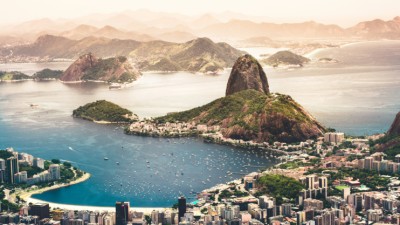
Rio de Janeiro
Beach days, bold nights, and a skyline that never stays quiet.
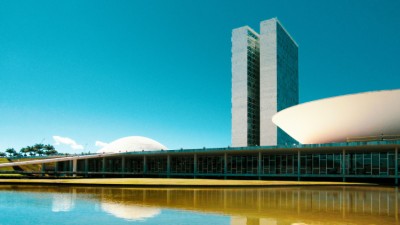
Brasília
Where bold design meets a calm urban rhythm.
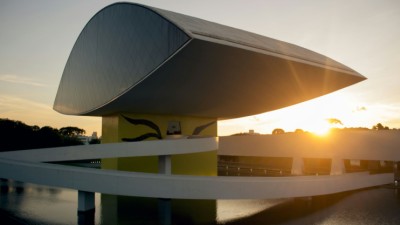
Curitiba
A cool-weather city break with culture, walkable history, and an easy base for working on the road.
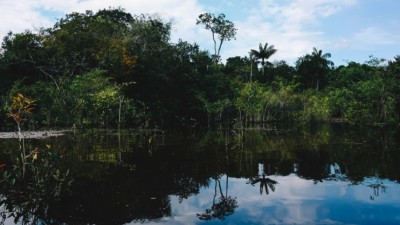
Manaus
Where riverfront culture meets rainforest adventure
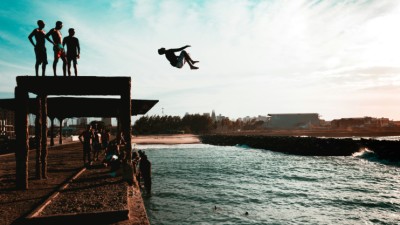
Fortaleza
Where beach life meets urban culture and a wider Brazilian story.
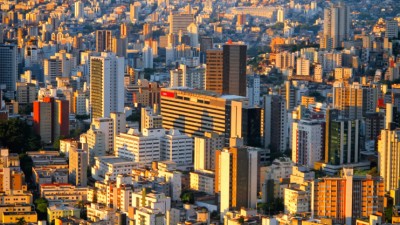
Belo Horizonte
A welcoming stop where urban rhythm meets thoughtful travel.
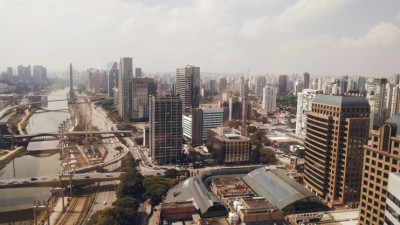
São Paulo
Where culture, nightlife, and community meet at full volume.
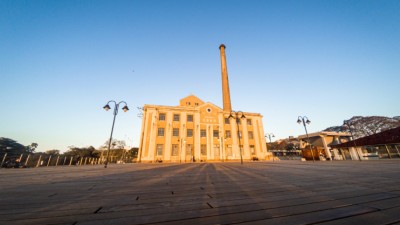
Porto Alegre
A welcoming stop where culture, city life, and great food meet.