About Brasília
Built as the country’s capital and inaugurated in 1960, it was designed as a planned city in the Central Highlands and later recognized as a UNESCO World Heritage Site for its modernist architecture.
For me as a traveler, that matters: Brasília is not just a political center, but a destination with a strong sense of identity, wide open spaces, and a pace that can feel very different from Brazil’s coastal metropolises.From an LGBTQ+ point of view, Brasília sits within a country where LGBTQ+ rights are relatively strong by regional standards.
Same-sex couples in Brazil have enjoyed the same rights as heterosexual couples since 2013, including marriage and adoption, and in 2019 the Brazilian Supreme Court ruled that discrimination based on sexual orientation and gender identity is a crime akin to racism.
That legal context does not tell the whole story of daily life anywhere, of course, but it does make Brazil’s capital an important place to understand in the broader map of LGBTQ+ travel in the country.I also see Brasília as a practical base for a digital-nomad style trip.
It is a major transportation hub, and its status as the seat of government gives it a steady, businesslike energy that can suit travelers who need reliable city infrastructure and a focused work rhythm.
For me, that combination—modern planning, institutional significance, and a nationally important location—makes Brasília worth approaching not only as a sightseeing stop, but as a city where I can work, move around efficiently, and explore at a thoughtful pace.While this introduction is only the starting point, Brasília’s importance for LGBTQ+ travelers lies in its place within a country with landmark legal protections, and in its role as a distinctive, architecturally iconic capital that draws visitors from across Brazil and beyond.
Our Review
When I first think of Brasília, I think of a city that feels deliberately different from the rest of Brazil.
Built as the country’s capital and inaugurated in 1960, it was designed as a planned city in the Central Highlands and later recognized as a UNESCO World Heritage Site for its modernist architecture.
For me as a traveler, that matters: Brasília is not just a political center, but a destination with a strong sense of identity, wide open spaces, and a pace that can feel very different from Brazil’s coastal metropolises.
From an LGBTQ+ point of view, Brasília sits within a country where LGBTQ+ rights are relatively strong by regional standards.
Same-sex couples in Brazil have enjoyed the same rights as heterosexual couples since 2013, including marriage and adoption, and in 2019 the Brazilian Supreme Court ruled that discrimination based on sexual orientation and gender identity is a crime akin to racism.
That legal context does not tell the whole story of daily life anywhere, of course, but it does make Brazil’s capital an important place to understand in the broader map of LGBTQ+ travel in the country.
I also see Brasília as a practical base for a digital-nomad style trip.
It is a major transportation hub, and its status as the seat of government gives it a steady, businesslike energy that can suit travelers who need reliable city infrastructure and a focused work rhythm.
For me, that combination—modern planning, institutional significance, and a nationally important location—makes Brasília worth approaching not only as a sightseeing stop, but as a city where I can work, move around efficiently, and explore at a thoughtful pace.
While this introduction is only the starting point, Brasília’s importance for LGBTQ+ travelers lies in its place within a country with landmark legal protections, and in its role as a distinctive, architecturally iconic capital that draws visitors from across Brazil and beyond.
Social Acceptance and Safety
When I think about Brasília from an LGBTQ+ point of view, I think first about contrast: this is Brazil’s federal capital, a highly planned city with an official, institutional feel, but it exists within a country where LGBTQ+ rights have advanced significantly.
Nationally, same-sex couples have enjoyed the same rights as heterosexual couples since 2013, including marriage and adoption, and Brazil’s Supreme Court ruled in 2019 that discrimination based on sexual orientation and gender identity is a crime akin to racism.
That legal framework matters when I talk about safety and day-to-day life in Brasília, because it shapes the city’s broader social climate.
In practical terms, Brasília tends to feel more formal than obviously nightlife-driven, especially compared with Brazil’s bigger tourist cities.
As a journalist, I’d describe the atmosphere as generally urban and businesslike, with much of the city’s energy tied to government, transport, and administration.
For LGBTQ+ travelers, that means I would not expect every neighborhood to have the same level of visible queer social life, but I also would not assume hostility as a default.
Like in any major city, acceptance can vary by setting, time of day, and how public you are about being a couple or a queer traveler.
For safety, I follow the same advice I’d give any traveler in a large capital city: stay aware of your surroundings, especially at night; use trusted transport options; and keep valuables out of sight.
Brasília is an important transportation hub, which makes moving around the city practical, but it also means I’m careful in transit areas and when navigating unfamiliar parts of town.
If I’m meeting someone, heading out after dark, or coming back from dinner, I prefer to plan the route in advance rather than improvising on the spot.
For LGBTQ+ travelers specifically, I think it helps to be thoughtful about how public you want to be in a given area.
A relaxed handhold may feel perfectly fine in some settings and less so in others, so I read the room.
I also keep in mind that the most comfortable experience usually comes from staying in central, well-trafficked areas and avoiding isolated streets late at night.
Brasília’s wide avenues and spread-out layout can make the city feel less intimate than a dense downtown, so choosing accommodation with easy access to major roads and transport can make a real difference.
On neighborhood character, I want to be careful not to overstate what I can verify.
I can say that the city’s core administrative and central districts are the most practical bases for a first visit, especially if I want easy movement, reliable services, and quick access to the city’s main sights.
I would be more cautious in quieter, less busy areas after dark simply because that’s standard urban travel sense, not because I can verify any neighborhood as uniformly unfriendly.
I can’t responsibly label specific districts as LGBTQ+ friendly or not based on the source material I have here.
So my bottom line is this: Brasília sits in a country with strong legal protections for LGBTQ+ people, and that gives me a baseline of confidence.
I still travel with normal city awareness, particularly at night and in transit, but I would approach Brasília as a place where an LGBTQ+ visitor can generally move around with the same common-sense precautions used in other major capitals.
For me, the key is choosing well-connected areas, staying alert, and keeping my plans flexible enough to match the city’s more formal, government-centered rhythm.
Community and Support
When I think about the LGBTQ+ community and support landscape in Brasília, I start with the bigger picture: Brazil has some of the strongest legal protections in the region, and that matters in daily life.
Same-sex couples have had equal rights since 2013, including marriage and adoption, and in 2019 the Brazilian Supreme Court ruled that discrimination based on sexual orientation and gender identity is a crime akin to racism.
For me, that legal framework is an important foundation when assessing how safe and supported LGBTQ+ travelers may feel in the capital.
Brasília itself is a planned capital and the seat of government of the Federal District, so much of the city’s energy is institutional rather than nightlife-driven.
That doesn’t mean LGBTQ+ people are invisible here; it just means I would expect support to be more dispersed across the city rather than centered around a single, obvious queer district.
Because Brasília is also an important transportation hub, it’s a city where practical access matters: if I were staying here for work, I’d look for accommodation with reliable transport connections and easy access to central services.
On the support side, I want to be careful and factual: the source pack I’m working from does not identify specific LGBTQ+ community centers, support groups, or named local organizations in Brasília, so I won’t invent any.
What I can say confidently is that the city sits within a country where LGBTQ+ legal rights are comparatively strong, and that gives visitors a clearer framework for seeking support if needed.
In practice, I would plan around the city’s central areas and broader urban infrastructure, rather than expecting a large, visibly concentrated queer services scene.
For health services, the verified source pack does not list specific clinics, mental health providers, or HIV/AIDS support organizations in Brasília, so I can’t name particular facilities.
Still, as Brazil’s capital and a major metropolitan center, Brasília is the kind of city where I would expect general health and counseling services to be available through the wider urban system.
For travelers like me who work remotely, that matters: I always want to know that if I need routine care, mental health support, or sexual health information, I’m in a city with the scale and administrative importance to provide it, even if I need to research exact providers before arrival.
So my practical advice is simple: use Brasília as a base with the confidence that Brazil’s legal protections are strong, but do your own pre-trip homework on current health providers and support contacts before you go.
I’d especially recommend checking for up-to-date information on access to HIV/AIDS testing, counseling, and mental health care once you’re planning your stay, since the verified materials here don’t supply named resources.
For a digital nomad, that kind of preparation is part of traveling well—especially in a capital city where work, movement, and access to services all need to fit together smoothly.
Events and Nightlife
When I think about Brasília after dark, I think less about a single concentrated queer district and more about a city that moves in a cleaner, more dispersed way than Brazil’s bigger nightlife capitals.
That fits Brasília’s identity: it is a planned capital, the seat of government, and a major transportation hub, so the social scene tends to be shaped by neighborhoods, transit access, and specific venues rather than one obvious LGBTQ+ strip.
For LGBTQ+ travelers, the good news is the legal backdrop in Brazil is strong.
Same-sex couples have had equal rights since 2013, including marriage and adoption, and in 2019 the Brazilian Supreme Court made discrimination based on sexual orientation and gender identity a crime akin to racism.
That does not automatically tell me what any given night will feel like on the ground, but it does mean the broader framework is one where LGBTQ+ people have recognized rights.
What I can say with confidence from the source pack is that Brasília does have an established LGBTQ+ presence in the context of a large capital city, but the pack does not verify specific annual Pride parades, festivals, marches, or named recurring queer events in the city.
So I won’t pretend otherwise.
If I were planning a trip here, I would check current local listings close to my travel dates for any Pride-related programming or community gatherings, because event calendars can change from year to year.
Similarly, the source pack does not verify specific LGBTQ+ bars, clubs, or social spots in Brasília.
Rather than inventing a list, I’d describe the nightlife in a more grounded way: this is a city where a traveler is likely to find social life through central districts, mixed-use nightlife areas, and venues that welcome a broad crowd, but I can’t responsibly name queer-specific establishments without verified source support.
As a journalist, I’d rather be precise than impressive.
For a queer traveler who also works on the road, Brasília has a practical appeal.
Its role as a transportation hub makes it easier to move around the Federal District and connect to other parts of Brazil, and its planned layout means I’d think carefully about where I’m staying so that evening outings are simple and not dependent on long, late-night cross-city journeys.
In a city built for administration as much as leisure, convenience matters.
If I were recommending an approach to Brasília’s nightlife from an LGBTQ+ point of view, I’d keep it simple: stay in a well-connected area, use current local information to identify welcoming venues, and verify event schedules directly before going out.
Because the source pack does not provide a vetted list of LGBTQ+ bars or annual queer events, I’d avoid making up a “must-visit” roster.
What I can verify is that Brasília sits in a country with substantial legal protections, and that makes it a reasonable place to explore carefully and confidently.
Cultural and Social Activities
When I think about Brasília from an LGBTQ+ point of view, I don’t think first of nightlife; I think of the city’s public spaces, its architecture, and the way culture here is tied to Brazil’s federal capital identity.
Brasília is a planned city and a UNESCO World Heritage Site, built to be both functional and visually striking, so much of the social and cultural experience is about moving through spaces designed at a grand scale.
For a traveler like me who balances work and exploration, that makes the city especially interesting: I can spend a morning in a museum, take meetings in a central area, and still have time to wander through modernist landmarks in the afternoon.
Brasília is also an important transportation hub, which makes it a practical base for exploring the wider country.
Source
Because the city is the seat of government, its cultural life often feels more institutional than in Brazil’s more obviously bohemian destinations.
That said, it is exactly this formal atmosphere that makes Brasília appealing to me as a traveler who likes structured days and strong infrastructure.
The city’s major architectural and cultural landmarks are part of its identity, and they offer a lot of value for LGBTQ+ visitors simply because they are public, central, and easy to incorporate into a safe, well-planned itinerary.
I would approach Brasília as a place to explore museums, galleries, and civic spaces at a relaxed pace rather than as a destination built around a single LGBTQ+ district.
Source
From a broader rights perspective, Brazil has some of the strongest legal protections for LGBTQ+ people in the region.
Same-sex couples have enjoyed equal rights, including marriage and adoption, since 2013, and in 2019 the Supreme Court ruled that discrimination based on sexual orientation and gender identity is a crime akin to racism.
That legal context matters when I move through a city like Brasília, because it shapes the public environment in which cultural life happens.
It does not tell me everything about local social attitudes, but it does mean I can approach museums, theaters, and other public institutions with a sense of grounding in the law.
Source
One of the reasons Brasília appeals to me is that its cultural scene is closely linked to the city’s modernist identity.
The sources I’m working from confirm that it is a UNESCO-listed masterpiece of modern architecture, but they do not provide a verified list of LGBTQ+ specific tours, queer historical landmarks, or dedicated cultural routes in the city.
So I won’t invent any.
Instead, I’d frame Brasília’s cultural value for LGBTQ+ travelers around its architecture, public institutions, and the experience of being in a capital city where civic culture is front and center.
That makes it a good destination for travelers who want their sightseeing to feel spacious, orderly, and intellectually engaging.
Source
I also want to be careful about notable LGBTQ+ figures and influencers in Brasília: the source pack provided here does not identify any specific individuals tied to the city, so I can’t responsibly name names.
What I can say is that Brasília’s role as the national capital naturally attracts public figures, artists, journalists, diplomats, and policymakers, and that gives the city a serious cultural weight.
For me, that matters because it means the city’s LGBTQ+ relevance is not only about entertainment; it’s also about visibility in public life and the broader legal and civic context of Brazil.
Source
In practical terms, my best cultural tip for LGBTQ+ visitors is to treat Brasília as a city for intentional exploration.
I would plan museum visits, architecture walks, and café or coworking stops in the same part of town to keep the day efficient and comfortable.
The verified sources don’t specify which venues are LGBTQ+ friendly, so I won’t pretend they do.
But if you enjoy cities where design, government, and culture intersect, Brasília offers exactly that kind of experience, and its national legal framework gives LGBTQ+ travelers a strong baseline of reassurance.
Source
Accommodation
When I think about where to stay in Brasília from an LGBTQ+ traveler’s point of view, I always come back to a practical truth: this is a planned capital, not a neighborhood-by-neighborhood queer district in the way some larger nightlife cities are.
So I look first for location, reliability, and ease of movement.
Brasília is Brazil’s capital and a major transportation hub, and that matters a lot if, like me, you want accommodation that makes work, meetings, and getting across the city easier rather than harder.
In Brazil, same-sex couples have had the same rights as heterosexual couples since 2013, including marriage and adoption, and the Supreme Court ruled in 2019 that discrimination based on sexual orientation and gender identity is a crime akin to racism.
Those legal protections are reassuring, but when I book accommodation, I still prioritize places that feel professionally run, centrally located, and straightforward to use.
For me, the most reliable hotel choices are the ones in Brasília’s central administrative and business areas.
Like U Hotel is in SHS Qd.
04 Bloco F, which the source pack places in a central location with easy access to a shopping center and bus lines.
That kind of access is especially useful if I’m working remotely and moving around the city during the day.
Meliá Brasil 21 is also in a very central address, SHS, Quadra 6 - Conjunto A - Lote 1 - Bloco D, and it’s described as a full-service five-star hotel with large rooms, a good restaurant, and a breakfast buffet.
For me, that combination of comfort and convenience is exactly what I want when I’m staying in a capital city for both work and exploration.
If I want something more upscale and slightly removed from the busiest core, Hotel Royal Tulip Brasília Alvorada is a strong option.
It sits by Paranoá Lake, next to the Alvorada Palace, and the source pack notes that it is reputed as the city’s best hotel, though somewhat out of the way.
That trade-off is important: I’d choose it when I’m prioritizing a quieter, resort-style stay rather than walking access to the central districts.
Another option that fits a work-oriented stay is Lets Idea Brasília Hotel, located at SHN Quadra 5 – Bloco B, adjacent to the central business and banking districts.
That makes it especially appealing if I want to be near Brasília’s commercial heart.
The source pack describes it as a luxury 18-story hotel with 148 rooms, and even mentions a rooftop pool.
For me, that signals a polished stay in a practical location, which is often the sweet spot for digital nomad travel.
When I look for inclusive accommodation in Brasília, I focus on signs that are easy to verify: established international or full-service hotels, central addresses, clear official websites, and access to transport.
I also check whether the property is close to business districts or major transit routes, because that tends to make daily logistics simpler and reduces the need to move around unfamiliar areas after dark.
In Brasília, that usually means I lean toward the central hotel zone and the hotel districts around SHS and SHN rather than isolated properties that are harder to reach.
As for neighborhoods, I can say with confidence that Brasília’s central areas are the most practical base for a first visit.
The source pack identifies the central business and banking districts, as well as the central hotel zone, as key locations for lodging.
Because Brasília is a planned city with broad avenues and dispersed districts, staying central helps me keep transport times manageable.
I would describe these areas as functional and convenient rather than making claims about any one district being specifically LGBTQ+ focused, since the source material doesn’t support that.
My own rule in Brasília is simple: I book for access, comfort, and predictability.
If I’m there to work, I want a hotel with a central address, reliable services, and easy transit links.
If I’m there to relax, I may choose a more scenic property near the lake.
Either way, the city’s structure makes location the real key to an easy stay.
Dining and Entertainment
When I spend time in Brasília, I find that dining and nightlife make the most sense when I treat the city as what it really is: a planned capital with wide distances, a strong business rhythm, and a travel pattern that rewards good logistics.
From an LGBTQ+ point of view, that means I look for places that are established, central, and easy to reach rather than expecting a single, obvious queer district.
Brazil’s legal framework is an important backdrop here, with same-sex couples having had equal rights since 2013 and discrimination based on sexual orientation and gender identity criminalized by the Supreme Court in 2019.
For meals, I would start with areas that are practical for a digitally minded traveler who may be working between outings.
In Brasília, several well-known dining spots are concentrated in sectors that are easy to combine with a business trip or a city break.
Fogo de Chão in SHS Quadra 5, Bloco E, is a classic Brazilian steakhouse and a dependable option if I want a polished, mainstream dinner spot in the central hotel area.
The setting is not specifically LGBTQ+-branded, but it is the kind of established restaurant where I feel comfortable meeting friends or having a low-key evening out.
El Paso Cocina Mexicana on SCLS 404, Bloco C, lj 19, is another useful stop; according to the source material, it is popular with both American expats and locals, which usually signals a mixed, easygoing crowd and a relaxed atmosphere.
When I want something a little more distinctive, I would look beyond the most obvious central blocks.
Patu Anu in the Setor de Mansões do Lago Norte is described as a creative restaurant mixing international recipes and Brazilian ingredients.
That makes it appealing if I am in the mood for a more destination-style meal rather than a quick stop between meetings.
It is farther from the city core, so I would plan the visit rather than drop in spontaneously.
For lunch, Don’Durica 201 Norte in CLN 201 is an all-you-can-eat buffet with more than 50 dishes and a focus on Minas Gerais cuisine.
For me, that kind of generous, neighborhood-oriented place is ideal when I want an unfussy daytime meal before heading back to work.
Brasília is not a city where I would base a guide on a clearly documented LGBTQ+ nightlife strip, because the verified source material does not identify one.
Instead, I would frame the dining scene around comfort, centrality, and a mix of local and international tastes.
That approach fits the city’s layout and also suits LGBTQ+ travelers who prefer venues where they can blend in naturally and enjoy the evening without fuss.
For entertainment, Brasília is especially strong on the cultural side.
Because the city is a UNESCO-listed modernist capital and an important transportation hub, it attracts visitors who come for architecture, public spaces, and formal cultural programming as much as for restaurants.
From a personal travel perspective, I would use dinner as the prelude to a concert, theater performance, or cinema visit, rather than expecting an all-night queer club scene to define the city.
What I appreciate most is Brasília’s sense of order.
That can make evenings feel calmer and more predictable, which matters to me as a traveler balancing work and leisure.
If I am meeting friends after a day of remote work, I would choose a central restaurant or hotel-adjacent venue, then head to a theater or other performance space if I want a longer night out.
The source pack does not name specific cinemas or theaters, so I won’t invent them.
Still, the city’s size, wealth, and role as the federal capital make it reasonable to expect a solid calendar of mainstream cultural offerings.
My practical rule in Brasília is simple: I choose places that are established, well located, and easy to reach.
That usually means dining in the central sectors or in recognized restaurant districts, and then using the evening to enjoy the city’s broader cultural life.
For LGBTQ+ travelers, that combination works well because it balances visibility with discretion, and it keeps the focus on good food, reliable venues, and an easy urban rhythm.
Travel Tips
When I plan time in Brasília, I think less in terms of a single “LGBTQ+ neighborhood” and more in terms of how the city works.
Brasília is a planned capital, spread out and organized around major axes and sectors, so I focus on staying in well-connected areas and keeping my movements simple.
For remote work, that matters a lot: a hotel or apartment with reliable Wi‑Fi, easy access to transit, and proximity to the central hotel and business sectors can make the city much easier to navigate.
On the legal side, Brazil’s framework is reassuring.
Same-sex couples have had the same rights as heterosexual couples since 2013, including marriage and adoption, and in 2019 the Brazilian Supreme Court ruled that discrimination based on sexual orientation and gender identity is a crime akin to racism.
That doesn’t mean every public space will feel the same, but it does mean I can travel with the confidence that my rights are recognized under national law.
My basic rule in Brasília is the same one I use in any large capital: I stay aware of my surroundings, especially after dark, and I avoid unnecessary risks.
Brasília is a major transportation hub, which is convenient, but it also means I’m careful when moving through stations, waiting areas, or unfamiliar parts of the city.
I prefer to arrange my transport in advance when possible, keep valuables out of sight, and use the most straightforward route back to my accommodation after dinner or an evening out.
Because Brasília is so spread out, I also pay attention to location.
If I’m there for work, I like being near the central sectors and business areas so I can move easily between meetings, meals, and downtime.
That’s especially helpful in a city designed for cars and longer distances.
A central base saves time and reduces the amount of late-night transit I need to deal with.
For me, that’s both a comfort issue and a safety issue.
In terms of local customs, I keep things relaxed and respectful.
Brasília is the seat of government and has a more formal feel than many Brazilian leisure destinations, so I don’t expect the city to revolve around nightlife or highly visible queer districts.
Public affection is a personal choice, but I tend to read the room and stay mindful of the setting, especially in more formal or professional environments.
That’s not unique to Brasília, but the city’s administrative atmosphere makes that balance feel especially relevant.
If I want to connect with the local LGBTQ+ community, I start by being practical and current rather than assuming there’s one obvious scene to plug into.
The source material confirms Brazil’s strong legal protections, but it does not identify specific LGBTQ+ centers, groups, or events in Brasília.
So I would research up-to-date local listings before arriving, ask trusted hosts or colleagues for contemporary recommendations, and check whether there are community gatherings, cultural events, or social spaces active during my stay.
I would not rely on old assumptions or generic travel advice.
For a digital-nomad style visit, I’d also build my days around the city’s structure.
Brasília is known for its modernist layout and role as a transportation hub, which makes it useful as a base if I’m combining work, sightseeing, and a few evening plans.
I would choose a well-located stay, keep my schedule simple, and use the city’s organization to my advantage rather than fighting against it.
That approach makes Brasília feel less intimidating and more efficient.
My overall advice is straightforward: stay central, stay aware, and plan ahead.
Brasília is a capital city with strong legal protections for LGBTQ+ people, but it rewards travelers who are organized and selective about where they stay and how they move.
For me, that’s the key to enjoying it confidently.
When I think about Brasília from an LGBTQ+ point of view, what stands out most is the balance between reassurance and realism.
On the reassuring side, Brazil’s legal framework is strong: same-sex couples have had the same rights as heterosexual couples since 2013, including marriage and adoption, and in 2019 the Supreme Court ruled that discrimination based on sexual orientation and gender identity is a crime akin to racism.
That matters, because it gives LGBTQ+ travelers a solid legal baseline as they move through the capital.
On the more practical side, Brasília is a planned city and the seat of government, so it feels formal, spacious, and somewhat dispersed rather than built around a single, obvious LGBTQ+ neighborhood.
For me, that means Brasília rewards a traveler who likes to be organized.
The city is also an important transportation hub, which is a real advantage if, like me, you like to pair remote work with smooth logistics.
I would approach it as a destination where comfort comes from planning: staying in a well-connected area, keeping an eye on transport, and choosing spaces that fit your rhythm.
That is especially useful in a city known more for modernist architecture, government life, and large distances than for an immediately visible queer scene.
So my recommendation to LGBTQ+ travelers is simple: come with confidence, but come prepared.
Brasília has the legal protections and the urban infrastructure to make a stay feel straightforward, and it offers a very distinctive capital-city experience that is worth seeing on its own terms.
I would encourage anyone passing through to enjoy the architecture, use the city as a practical base, and explore it at an easy pace.
It may not announce its LGBTQ+ side loudly, but in a country where rights are comparatively well established, Brasília can still be a rewarding place to visit, work, and take in a different kind of Brazilian city life.
For background reading, I’d start with Wikivoyage’s Brasília guide and LGBTQ rights in Brazil.
Other Guides in Brazil
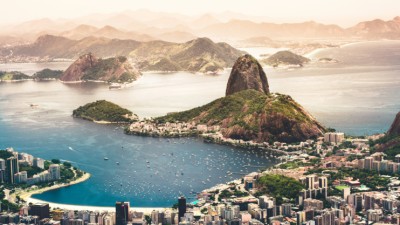
Rio de Janeiro
Beach days, bold nights, and a skyline that never stays quiet.
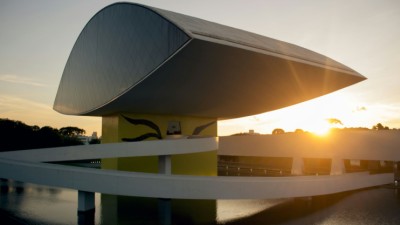
Curitiba
A cool-weather city break with culture, walkable history, and an easy base for working on the road.
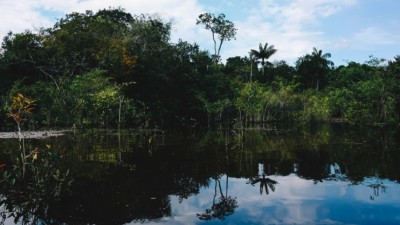
Manaus
Where riverfront culture meets rainforest adventure

Fortaleza
Where beach life meets urban culture and a wider Brazilian story.
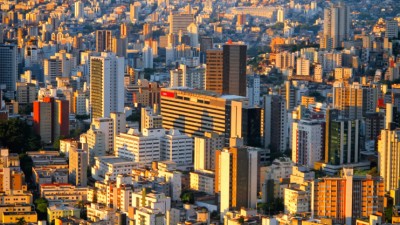
Belo Horizonte
A welcoming stop where urban rhythm meets thoughtful travel.
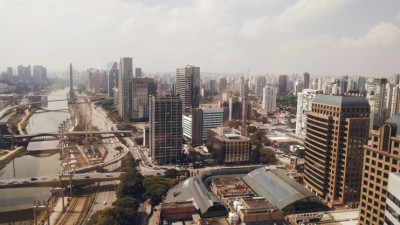
São Paulo
Where culture, nightlife, and community meet at full volume.
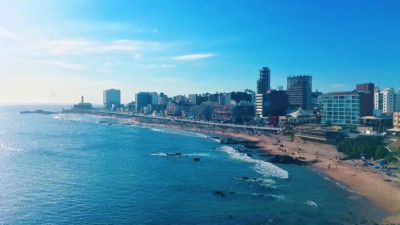
Salvador
Where history, sea views, and celebration meet
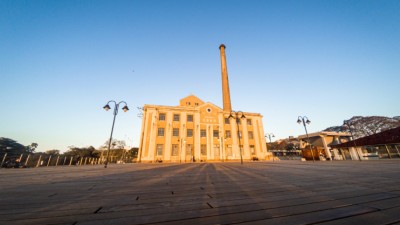
Porto Alegre
A welcoming stop where culture, city life, and great food meet.