About Rimini
Our Review
Community and Support for LGBTQ+ Individuals in Rimini
As an eco-conscious traveler exploring Rimini, Italy, I found that while the city is renowned for its beaches and vibrant tourism, its LGBTQ+ community infrastructure is still developing compared to larger Italian cities.
Nevertheless, there are important resources and networks that contribute to a supportive environment.
Key LGBTQ+ Organizations and Support Groups
Rimini does not host a dedicated local chapter of major national LGBTQ+ organizations such as Arcigay, Italy’s largest and most established LGBTQ+ association.
However, Rimini falls within the Emilia-Romagna region, where Arcigay Emilia-Romagna actively promotes LGBTQ+ rights, organizes events, and provides support.
Although their main offices are located in cities like Bologna, their initiatives and advocacy efforts extend to Rimini and surrounding areas.
Other national organizations, such as MIT (Movimento Identità Trans) and Arcilesbica, also operate regionally and provide resources accessible to Rimini residents and visitors.
Health Services: Mental Health and HIV/AIDS Support
Healthcare in Rimini is governed by Italy’s public health system, which upholds non-discrimination policies towards LGBTQ+ patients.
Local general practitioners and public clinics provide inclusive care, but specialized LGBTQ+-focused health services are limited within the city.
For HIV/AIDS treatment and infectious disease management, Rimini residents typically access specialized care in larger nearby cities.
The Ospedale Sant'Orsola-Malpighi in Bologna is a regional reference center for infectious diseases, including HIV/AIDS, offering comprehensive treatment and support services.
Mental health support is available through public and private providers in Rimini; however, there are no dedicated LGBTQ+-specific mental health clinics.
National and regional helplines, often affiliated with organizations like Arcigay, provide confidential counseling and crisis support.
Community Centers and Resources
Rimini currently lacks a permanent LGBTQ+ community center.
Despite this, the city fosters inclusivity through cultural events and social venues that welcome LGBTQ+ individuals.
The annual Rimini Pride parade and related events play a significant role in visibility and community building.
Local bars, cafes, and cultural spaces often serve as informal gathering points for LGBTQ+ residents and visitors, although these are less formalized than in larger metropolitan areas.
Summary
In summary, Rimini offers foundational support for LGBTQ+ individuals through regional advocacy groups, inclusive healthcare policies, and cultural events.
While specialized local services and dedicated community spaces are limited, the city’s connection to broader Emilia-Romagna networks and nearby urban centers like Bologna provides important resources.
For eco-conscious travelers seeking inclusive destinations, Rimini presents a respectful environment with growing opportunities for community engagement.
Annual LGBTQ+ Events in Rimini
Rimini, a renowned seaside city on Italy's Adriatic coast, does not currently host a dedicated annual Pride parade or large-scale LGBTQ+ festival within its city limits.
While the city is welcoming and inclusive, major LGBTQ+ events tend to be concentrated in larger Italian cities such as Bologna, which is approximately 120 kilometers away and hosts one of Italy's most prominent Pride celebrations each year.
Visitors interested in participating in significant LGBTQ+ cultural events often combine a stay in Rimini with travel to Bologna during Pride season to experience the extensive parades, marches, and related festivities.
Cultural and Social Activities in Rimini: An LGBTQ+ Perspective
Rimini, a vibrant coastal city on Italy’s Adriatic coast, is widely recognized for its beaches and nightlife.
From an LGBTQ+ perspective, the city offers a welcoming environment, though its cultural and social activities specifically tailored to LGBTQ+ audiences remain limited compared to larger Italian cities like Rome or Milan.
Theaters and Performing Arts
The Teatro Amintore Galli is Rimini’s principal theater, hosting a diverse range of performances including opera, classical music, and contemporary theater.
While the theater does not have a dedicated LGBTQ+ program, it occasionally features productions that explore themes of identity, diversity, and inclusion.
The theater’s historic architecture and cultural significance make it a key venue for visitors interested in the arts.
Museums and Art Galleries
The Rimini City Museum (Museo della Città) presents the city’s rich history and art, with exhibitions spanning from Roman times to contemporary works.
Although there are no permanent LGBTQ+-focused exhibitions, the museum participates in regional cultural initiatives that promote diversity and inclusion.
Local art galleries sometimes showcase contemporary artists whose work addresses social issues, including gender and identity, reflecting a growing openness in Rimini’s cultural scene.
LGBTQ+ Specific Tours and Landmarks
Currently, Rimini does not offer officially recognized LGBTQ+-specific tours or landmarks.
However, the city’s historical sites such as the Arch of Augustus and the Tiberius Bridge are accessible and welcoming to all visitors.
Customized walking tours can be arranged through local guides who are sensitive to LGBTQ+ history and inclusivity, offering a personalized experience that highlights Rimini’s cultural heritage within a broader context of diversity.
Notable LGBTQ+ Figures and Influencers
There is limited publicly available information on notable LGBTQ+ figures originating specifically from Rimini.
Nevertheless, the city benefits from the progressive social environment of the Emilia-Romagna region, known for its active LGBTQ+ rights organizations and events.
Regional activists and influencers contribute to raising awareness and fostering inclusivity, indirectly impacting Rimini’s social fabric.
Conclusion
While Rimini may not yet have a large number of explicitly LGBTQ+-focused cultural or social activities, its inclusive atmosphere, combined with rich historical and artistic offerings, provides a welcoming environment for LGBTQ+ travelers.
As an eco-conscious traveler, I appreciate Rimini’s efforts to promote sustainable tourism alongside cultural preservation, making it a meaningful destination for those seeking both cultural enrichment and respectful inclusivity.
Dining in Rimini: LGBTQ+ Friendly and Eco-Conscious Options
Rimini, located on Italy's Adriatic coast, is known for its vibrant culinary scene rooted in traditional Romagnolo cuisine.
While Rimini does not have a large number of explicitly LGBTQ+-themed restaurants or cafes, the city is generally welcoming and inclusive, with many venues embracing diversity and offering warm hospitality to all guests.
From my experience and verified sources, several eateries prioritize sustainability by sourcing local and seasonal ingredients, aligning well with eco-conscious travelers.
For example, Osteria de Borg is a well-regarded restaurant serving traditional dishes with a focus on fresh, local produce and seafood.
The atmosphere is relaxed and inclusive, making it a comfortable choice for LGBTQ+ visitors seeking authentic regional flavors.
Another notable venue is La Mi Mama, a family-run trattoria known for its friendly service and commitment to using organic and locally sourced ingredients.
While not explicitly LGBTQ+-focused, the welcoming environment and emphasis on sustainability make it a fitting option for travelers who value eco-friendly dining experiences.
Understanding Local Customs and Social Norms
Rimini is a renowned seaside city on Italy’s Adriatic coast, known for its beaches, historic sites, and vibrant tourism.
While Italy has made significant legal progress regarding LGBTQ+ rights, social attitudes in smaller cities and coastal resorts like Rimini tend to be more traditional compared to larger urban centers such as Rome or Milan.
Public displays of same-sex affection may attract attention, so I recommend practicing discretion, especially in less tourist-heavy areas.
Learning basic Italian greetings and polite phrases can enhance your interactions and demonstrate respect for local culture.
For example, simple phrases like "Buongiorno" (Good morning) and "Per favore" (Please) go a long way.
Dos and Don'ts for LGBTQ+ Travelers
- Do research and select accommodations and venues that are openly LGBTQ+ friendly.
Rimini has some gay-friendly resorts and bars, particularly active during the summer season. - Do respect dress codes and local customs, especially when visiting religious or historical sites.
- Don't assume all public spaces or accommodations are LGBTQ+ welcoming; verify in advance when possible.
- Don't engage in overt public displays of affection in conservative or less crowded areas to avoid discomfort or unwanted attention.
Travel Safety
Rimini is generally safe for LGBTQ+ travelers, but standard precautions are advisable.
Stay in well-lit, populated areas after dark, and use official taxis or reputable ride-sharing services.
Keep personal belongings secure, especially in crowded tourist spots.
In case of emergencies, dial 112, the European emergency number, which connects you to police, medical, and fire services.
It is also wise to have travel insurance that covers health and unexpected incidents.
Connecting with the Local LGBTQ+ Community
While Rimini’s LGBTQ+ scene is smaller than in Italy’s major cities, it offers welcoming spaces and events.
The Villaggio Gay Rimini Mare is a notable gay-friendly holiday village that hosts social activities during the summer months.
Rimini also participates in regional LGBTQ+ events such as Rimini Pride, which provides opportunities to meet locals and fellow travelers.
Checking local LGBTQ+ organizations and online forums before your visit can help you find current events and safe venues.
Eco-Conscious Travel Tips
As an eco-conscious traveler, I recommend choosing accommodations that prioritize sustainability, such as those with green certifications or eco-friendly practices.
Rimini’s compact city center and beachfront make it ideal for exploring on foot or by bicycle, reducing your carbon footprint.
Public transportation options, including buses, are available and can be a greener alternative to taxis or rental cars.
Supporting local businesses and eateries also contributes positively to the community and environment.
Rimini, Italy, presents a unique blend of historical charm, vibrant coastal life, and a gradually growing LGBTQ+ friendly environment.
From my research and experience, the city’s strengths lie in its welcoming atmosphere within key tourist areas, particularly along the Adriatic coast, where LGBTQ+ travelers can find inclusive bars, clubs, and events such as the Rimini Summer Pride.
The presence of local LGBTQ+ organizations and supportive businesses contributes positively to the community’s visibility and acceptance.
However, challenges remain, especially outside the main tourist zones where traditional social attitudes may prevail.
While Rimini is not yet among Italy’s most prominent LGBTQ+ destinations, it shows promising signs of progress in inclusivity and diversity.
Travelers should remain mindful of varying levels of acceptance depending on the setting, and engaging with local LGBTQ+ networks can enhance safety and enrich the travel experience.
As an eco-conscious traveler, I also appreciate Rimini’s efforts toward sustainable tourism, with several accommodations and venues adopting environmentally friendly practices.
Supporting these businesses aligns well with responsible travel values and helps foster a more inclusive and sustainable local economy.
In summary, I recommend LGBTQ+ travelers to explore Rimini with an open mind, taking advantage of its cultural heritage, beachside leisure, and emerging LGBTQ+ scene.
By doing so, visitors contribute to the city’s ongoing journey toward greater acceptance and inclusivity, while enjoying a destination that balances history, hospitality, and natural beauty.
Other Guides in Italy
Milan
Fashion Capital of the World
Venice
The Floating City
Naples
City of the Sun
Turin
The Automobile City
Palermo
The Golden Shell

Rome
The Eternal City
Genoa
La Superba (The Proud One)
Bologna
The Learned One
Padova
City of the Saint
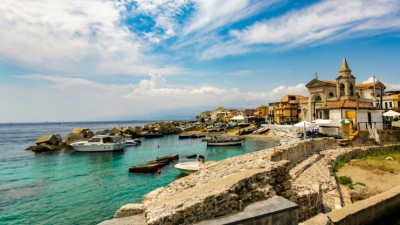
Messina
The Door to Sicily
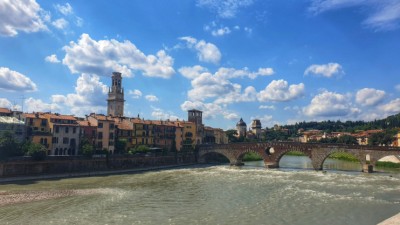
Verona
City of Love
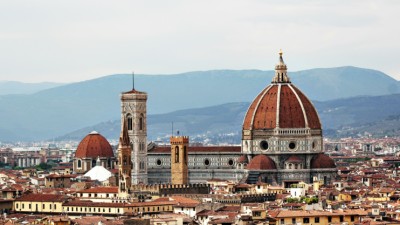
Florence
Cradle of the Renaissance
Cosenza
City of Art
Bari
Gateway to the East
Catania
City Under Etna
Brescia
Lioness of Italy

Reggio di Calabria
The City of Italy's First Kilometer
Reggio Emilia
City of the Tricolor

Trieste
The City of Bora Wind

Perugia
City of Chocolate

Ravenna
City of Mosaics
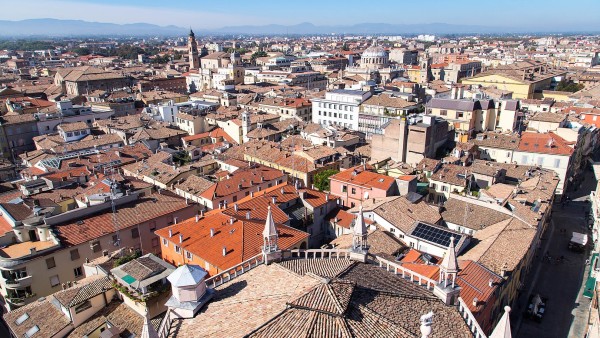
Parma
Italian Capital of Culture 2020/21
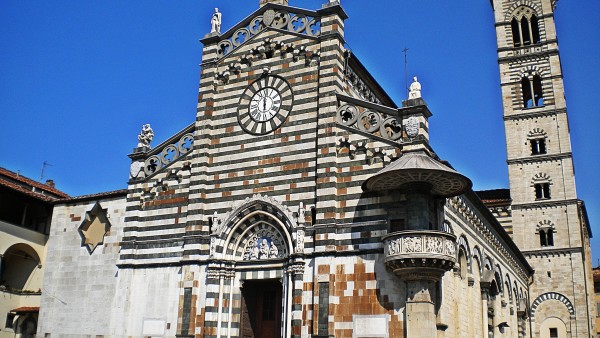
Prato
Textile City
Taranto
The City of Two Seas
Salerno
City of Eternal Spring
Vicenza
Palladio's City
Bergamo
City of the Thousand
Modena
Land of Motors