About Florence
Beyond its cultural and historical significance, the city holds a nuanced place within the LGBTQ+ community, blending traditional Italian charm with a growing atmosphere of inclusivity and acceptance.
While Florence may not be as internationally recognized as some other European cities for LGBTQ+ nightlife or events, it offers a refined and welcoming environment, particularly appealing to travelers seeking luxury and cultural depth.The city has a discreet yet vibrant LGBTQ+ scene, with several upscale bars, clubs, and venues that cater to a diverse clientele.
Florence hosts the annual Florence Queer Festival, an important event that celebrates LGBTQ+ cinema and culture, drawing visitors and locals alike into a shared appreciation of queer narratives through film and art.
This festival underscores the city’s commitment to fostering LGBTQ+ visibility in a culturally rich setting.Moreover, Florence’s historical significance includes connections to notable LGBTQ+ figures from the Renaissance period, such as the poet and playwright Antonio Rocco and the patronage of LGBTQ+ artists, which adds layers of historical resonance for visitors interested in the intersection of art, history, and queer identity.For the luxury-seeking traveler, Florence offers a sophisticated LGBTQ+ experience that combines exclusive accommodations, fine dining, and access to cultural events within a city that respects privacy and discretion while celebrating diversity.
This balance makes Florence a compelling destination for those who appreciate elegance alongside inclusivity.
Our Review
Florence, a jewel of the Italian Renaissance, is renowned worldwide for its unparalleled art, architecture, and history.
Beyond its cultural and historical significance, the city holds a nuanced place within the LGBTQ+ community, blending traditional Italian charm with a growing atmosphere of inclusivity and acceptance.
While Florence may not be as internationally recognized as some other European cities for LGBTQ+ nightlife or events, it offers a refined and welcoming environment, particularly appealing to travelers seeking luxury and cultural depth.
The city has a discreet yet vibrant LGBTQ+ scene, with several upscale bars, clubs, and venues that cater to a diverse clientele.
Florence hosts the annual Florence Queer Festival, an important event that celebrates LGBTQ+ cinema and culture, drawing visitors and locals alike into a shared appreciation of queer narratives through film and art.
This festival underscores the city’s commitment to fostering LGBTQ+ visibility in a culturally rich setting.
Moreover, Florence’s historical significance includes connections to notable LGBTQ+ figures from the Renaissance period, such as the poet and playwright Antonio Rocco and the patronage of LGBTQ+ artists, which adds layers of historical resonance for visitors interested in the intersection of art, history, and queer identity.
For the luxury-seeking traveler, Florence offers a sophisticated LGBTQ+ experience that combines exclusive accommodations, fine dining, and access to cultural events within a city that respects privacy and discretion while celebrating diversity.
This balance makes Florence a compelling destination for those who appreciate elegance alongside inclusivity.
Social Acceptance of LGBTQ+ Individuals in Florence
Florence, the cradle of the Renaissance, is not only a city of unparalleled art and culture but also one that reflects evolving social attitudes towards LGBTQ+ individuals.
Italy legalized same-sex civil unions in 2016, marking a significant milestone for LGBTQ+ rights nationally.
Florence, as a cosmopolitan city with a large student population and a vibrant cultural scene, tends to be more progressive and accepting compared to some other Italian cities.
The city hosts the annual Florence Pride parade, typically held in June, which celebrates LGBTQ+ visibility and rights, attracting locals and visitors alike.
This event underscores the city’s commitment to inclusivity and provides a platform for community engagement.
In general, Florence’s historic center and tourist areas exhibit a welcoming atmosphere.
Many local businesses, especially those in hospitality and nightlife, openly support LGBTQ+ patrons.
However, as with many destinations, social acceptance can vary outside the city center, where more traditional or conservative attitudes may persist.
Key LGBTQ+ Organizations and Support Groups
Florence, while renowned for its Renaissance art and luxury experiences, also hosts an active LGBTQ+ community supported by several organizations.
The most prominent among them is Arcigay Firenze, the local chapter of Italy's largest LGBTQ+ advocacy group, Arcigay.
Arcigay Firenze organizes cultural events, advocacy campaigns, and social support initiatives aimed at promoting equality and inclusion within the city.
Their work includes legal assistance, awareness programs, and community-building activities.
In addition to Arcigay, there are smaller grassroots groups and informal networks that contribute to Florence's LGBTQ+ social fabric, though these tend to be less visible and more community-focused rather than institutional.
Annual LGBTQ+ Events in Florence
Florence hosts several important LGBTQ+ events annually, reflecting the city's growing inclusivity and cultural engagement.
The most prominent is Florence Pride, typically held in June.
This event features a parade through the historic city center, culminating in a festival with live music, speeches, and cultural activities that promote LGBTQ+ rights and visibility.
Organized by local LGBTQ+ associations such as Arcigay Firenze, Florence Pride attracts both locals and international visitors, fostering a sense of community and solidarity.
Another notable event is the Florence Queer Festival, usually scheduled in the autumn months.
This festival focuses on queer cinema, art, and culture, offering film screenings, panel discussions, and exhibitions that highlight LGBTQ+ narratives and issues.
It serves as an important platform for artistic expression and dialogue within the community.
Cultural and Social Activities in Florence from an LGBTQ+ Perspective
Florence, a city renowned for its Renaissance art and historic grandeur, offers a sophisticated cultural landscape that can be appreciated by LGBTQ+ travelers seeking luxury and meaningful experiences.
While the city does not have a large number of explicitly LGBTQ+ designated cultural venues, its inclusive atmosphere and rich heritage provide numerous opportunities for engagement.
Theaters and Performing Arts
The city's theaters, such as the Teatro del Maggio Musicale Fiorentino and Teatro Verdi, are pillars of Florence's performing arts scene.
These venues host world-class opera, ballet, and theatrical productions that attract diverse audiences, including LGBTQ+ patrons who appreciate high culture in elegant settings.
Although these theaters do not specifically program LGBTQ+ themed events regularly, their inclusive environment and artistic excellence make them appealing destinations.
Museums and Art Galleries
Florence is home to some of the world's most prestigious museums, including the Uffizi Gallery and the Accademia Gallery, which house masterpieces by artists such as Michelangelo and Botticelli.
While these institutions do not explicitly focus on LGBTQ+ themes, Michelangelo's life and work have been the subject of scholarly interest in LGBTQ+ studies, adding a layer of cultural resonance for visitors aware of this context.
The Museo Novecento, dedicated to 20th-century art, occasionally features exhibitions exploring themes of identity and diversity, which can be of particular interest to LGBTQ+ visitors seeking contemporary cultural narratives.
LGBTQ+ Specific Tours and Historical Landmarks
Florence currently offers limited publicly advertised LGBTQ+ specific tours.
However, some local guides provide private walking tours that explore the city’s queer history, notable LGBTQ+ figures, and hidden cultural landmarks.
These personalized experiences offer valuable insights into Florence’s intersection of art, history, and LGBTQ+ heritage.
While Florence does not have widely recognized LGBTQ+ monuments, the city’s artistic legacy itself—embodied in its architecture, sculptures, and paintings—reflects diverse human experiences and can be appreciated through an inclusive lens.
Notable LGBTQ+ Figures and Influencers
Michelangelo Buonarroti remains Florence’s most prominent historical figure connected to LGBTQ+ scholarship.
His poetry and personal correspondence have been studied for insights into his sexuality, making his legacy particularly significant for LGBTQ+ cultural history.
Contemporary LGBTQ+ influencers in Florence include artists and cultural figures who contribute to the city’s vibrant social fabric, though internationally recognized names are less documented.
The city’s progressive social climate supports a welcoming environment for LGBTQ+ creatives and professionals.
Conclusion
For the luxury-seeking LGBTQ+ traveler, Florence offers a refined cultural experience grounded in world-class art, theater, and history.
While explicit LGBTQ+ cultural programming may be limited, the city’s inclusive atmosphere, combined with its rich artistic heritage and opportunities for personalized tours, provides a meaningful and elegant destination.
Dining in Florence: LGBTQ+ Friendly Restaurants and Cafés
Florence, while globally renowned for its Renaissance art and architecture, also offers a refined culinary scene that is welcoming and inclusive to LGBTQ+ travelers.
Although the city does not have a large number of explicitly LGBTQ+-branded dining venues, many upscale restaurants and cafés maintain a professional and discreet atmosphere, ensuring a comfortable experience for all guests.
Enoteca Pinchiorri is a Michelin three-star restaurant that exemplifies luxury dining in Florence.
Known for its exceptional Tuscan cuisine and an extensive wine cellar, it is frequented by discerning travelers who appreciate both culinary excellence and an inclusive environment.
The staff are known for their professionalism and discretion, making it a suitable choice for LGBTQ+ visitors seeking a high-end dining experience.
La Ménagère is a stylish restaurant and café located in the city center.
It combines contemporary design with quality cuisine and attracts a diverse clientele.
Its welcoming ambiance, blending floral décor and modern art, creates an inviting space for LGBTQ+ guests looking for a sophisticated yet relaxed setting.
Ditta Artigianale offers a more casual but refined option.
This specialty coffee shop and cocktail bar is popular among locals and tourists alike, including LGBTQ+ patrons, for its artisanal approach and friendly service.
Travel Tips for LGBTQ+ Travelers Visiting Florence, Italy
As a luxury-seeking LGBTQ+ traveler exploring Florence, Italy, it is essential to approach your visit with both cultural awareness and practical preparation.
Florence, renowned for its Renaissance art, architecture, and refined atmosphere, offers a generally welcoming environment, but understanding local customs and safety considerations will enhance your experience.
Local Customs and Etiquette
Florence is situated in a country with deep-rooted Catholic traditions, which can influence social attitudes, especially outside major urban centers.
However, the city itself is cosmopolitan and increasingly open-minded, particularly in tourist hubs and nightlife districts.
Public displays of affection (PDA) between same-sex couples are becoming more accepted in these areas, yet discretion is advisable in residential neighborhoods or more conservative settings.
Engaging respectfully with locals by learning basic Italian greetings and cultural norms is appreciated and can foster positive interactions.
Keep in mind that Florence’s LGBTQ+ community is diverse but relatively low-profile compared to larger cities like Rome or Milan.
Dos and Don'ts
- Do visit well-known LGBTQ+-friendly venues such as Club 21 and ExFreak, which offer inclusive nightlife experiences.
- Do check the calendar for events like Florence Pride, typically held in June, to connect with the local community.
- Don't assume that all public spaces are equally accepting; exercise discretion with PDA outside central or nightlife areas.
- Don't neglect standard travel safety measures—keep an eye on your belongings, especially in crowded tourist spots.
Travel Safety
Florence is generally a safe city with low violent crime rates.
Petty theft, such as pickpocketing, can occur in busy areas like train stations, markets, and popular tourist sites.
I recommend using licensed taxis or reputable rideshare services after dark, and staying in well-reviewed accommodations in central locations.
Emergency services in Italy can be reached by dialing 112.
It is prudent to have comprehensive travel insurance that covers health and personal belongings.
Connecting with the Local LGBTQ+ Community
Florence’s LGBTQ+ scene, while smaller than in some other Italian cities, is vibrant and welcoming.
Venues like Club 21 and ExFreak host themed nights and events that attract both locals and travelers.
Additionally, Florence Pride is a key annual event promoting visibility and solidarity.
For more intimate or niche gatherings, online platforms such as Meetup and Facebook groups dedicated to LGBTQ+ Florence communities can be valuable resources to discover social events, cultural activities, and networking opportunities during your stay.
By combining cultural sensitivity, practical safety measures, and proactive community engagement, LGBTQ+ travelers can enjoy a luxurious and enriching experience in Florence, embracing both its historic charm and contemporary inclusivity.
Florence stands as a compelling destination for LGBTQ+ travelers seeking a blend of rich cultural heritage and refined experiences.
Its strengths lie in a generally welcoming atmosphere, a discreet yet vibrant LGBTQ+ nightlife concentrated around the Oltrarno district, and a growing number of inclusive luxury accommodations and fine dining venues.
The city’s historical charm and artistic legacy provide a unique backdrop that enhances the travel experience beyond the typical urban LGBTQ+ scene.
However, it is important to acknowledge certain challenges.
Florence, while progressive compared to some parts of Italy, does not have the extensive LGBTQ+ infrastructure or visibility found in larger metropolitan hubs like Milan or Rome.
Public displays of affection may still attract attention in more traditional settings, and some venues remain relatively low-key, reflecting the city’s overall reserved character.
For LGBTQ+ travelers who prioritize luxury and exclusivity, Florence offers boutique hotels and Michelin-starred restaurants that are known for their inclusivity and high standards of service.
Engaging with local LGBTQ+ events, such as the annual Firenze Queer Festival, can enrich your visit and provide meaningful connections within the community.
In summary, Florence invites LGBTQ+ visitors to explore its timeless elegance with confidence and curiosity.
By balancing an appreciation for its cultural treasures with an awareness of its social nuances, travelers can enjoy a sophisticated and rewarding experience.
I encourage you to embrace Florence’s unique blend of history, art, and discreet LGBTQ+ vibrancy—allowing yourself to indulge in the city’s luxury offerings while engaging respectfully with its local culture.
Other Guides in Italy
Milan
Fashion Capital of the World
Venice
The Floating City
Naples
City of the Sun
Turin
The Automobile City
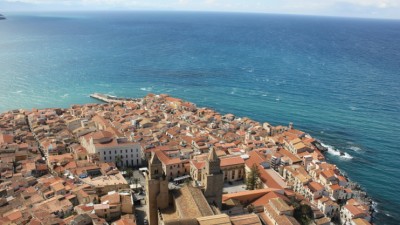
Palermo
The Golden Shell
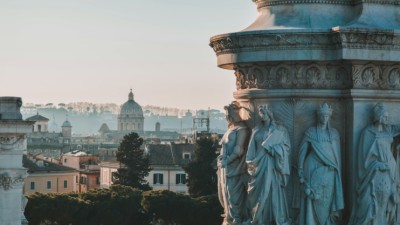
Rome
The Eternal City
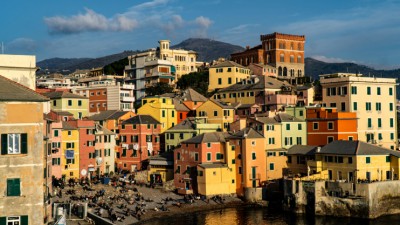
Genoa
La Superba (The Proud One)
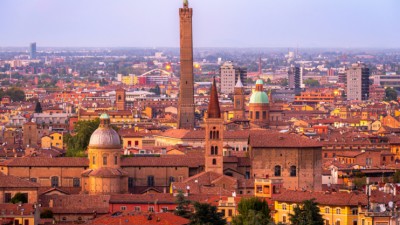
Bologna
The Learned One
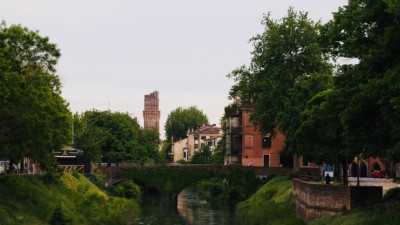
Padova
City of the Saint
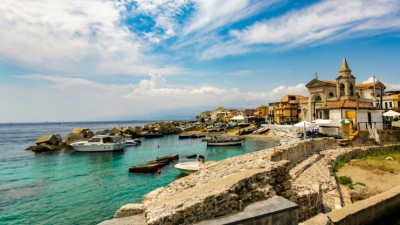
Messina
The Door to Sicily
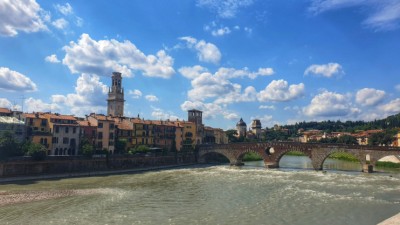
Verona
City of Love

Cosenza
City of Art
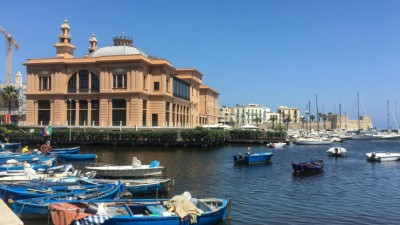
Bari
Gateway to the East
Catania
City Under Etna
Brescia
Lioness of Italy
Reggio di Calabria
The City of Italy's First Kilometer
Reggio Emilia
City of the Tricolor
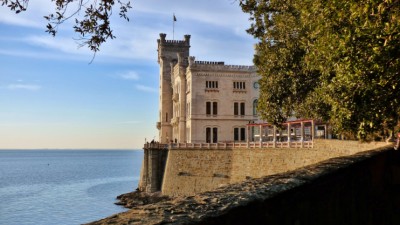
Trieste
The City of Bora Wind

Perugia
City of Chocolate
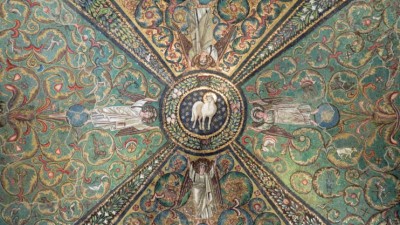
Ravenna
City of Mosaics
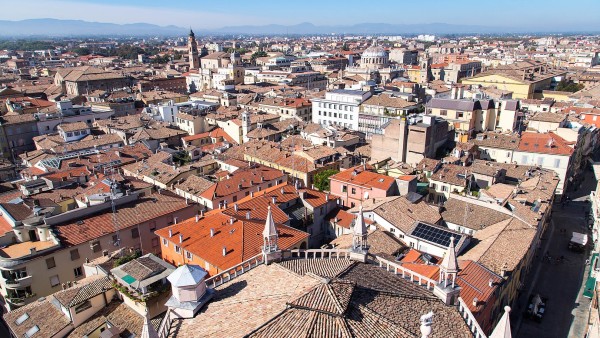
Parma
Italian Capital of Culture 2020/21
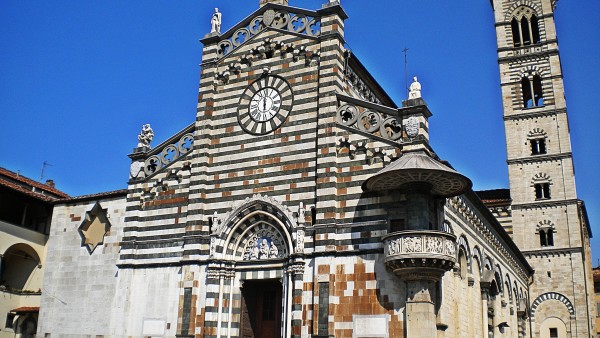
Prato
Textile City
Taranto
The City of Two Seas
Salerno
City of Eternal Spring
Vicenza
Palladio's City
Bergamo
City of the Thousand
Rimini
Pearl of the Adriatic
Modena
Land of Motors