About Brescia
Known for its Roman ruins, medieval castles, and vibrant piazzas, Brescia offers visitors a deep dive into Italy’s layered past.
While it may not be as internationally renowned as Milan or Venice for LGBTQ+ nightlife or events, Brescia holds a subtle yet welcoming atmosphere for LGBTQ+ travelers seeking an authentic Italian experience away from the more tourist-heavy cities.Though Brescia does not host large-scale LGBTQ+ festivals like Pride events seen in bigger Italian cities, the local community is supported by regional initiatives and nearby urban centers that celebrate diversity.
The city’s cultural venues and museums often foster inclusive environments, making it a comfortable destination for LGBTQ+ visitors interested in exploring Italy’s rich heritage with a respectful and open-minded spirit.As a cultural enthusiast, I appreciate Brescia’s blend of historical significance and its quiet embrace of diversity, making it a unique stop on any Italian itinerary.
Our Review
Nestled in the Lombardy region of northern Italy, Brescia is a city rich in history, art, and culture.
Known for its Roman ruins, medieval castles, and vibrant piazzas, Brescia offers visitors a deep dive into Italy’s layered past.
While it may not be as internationally renowned as Milan or Venice for LGBTQ+ nightlife or events, Brescia holds a subtle yet welcoming atmosphere for LGBTQ+ travelers seeking an authentic Italian experience away from the more tourist-heavy cities.
Though Brescia does not host large-scale LGBTQ+ festivals like Pride events seen in bigger Italian cities, the local community is supported by regional initiatives and nearby urban centers that celebrate diversity.
The city’s cultural venues and museums often foster inclusive environments, making it a comfortable destination for LGBTQ+ visitors interested in exploring Italy’s rich heritage with a respectful and open-minded spirit.
As a cultural enthusiast, I appreciate Brescia’s blend of historical significance and its quiet embrace of diversity, making it a unique stop on any Italian itinerary.
Social Acceptance and Safety in Brescia
As a cultural enthusiast exploring Brescia, Italy, I found the city to be generally respectful and safe for LGBTQ+ travelers, though it maintains a more low-key atmosphere compared to larger Italian cities like Milan or Rome.
Brescia is a mid-sized city in the Lombardy region, rich in history and culture, and while it does not have a distinct LGBTQ+ neighborhood or a vibrant queer nightlife, the local attitude is gradually becoming more open and tolerant.
Italy legalized civil unions for same-sex couples in 2016, which marked an important step forward nationally.
In Brescia, this progress is reflected in everyday life by a respectful social environment, especially in the city center and among younger generations.
Public displays of affection between same-sex couples are generally accepted in more cosmopolitan areas, but discretion is advisable in more traditional or residential neighborhoods.
Regarding safety, Brescia is considered a safe city with low violent crime rates.
There are no significant reports of harassment or targeted violence against LGBTQ+ individuals.
Standard travel precautions apply, such as staying aware of your surroundings and avoiding poorly lit or isolated areas at night.
The city’s cultural venues, cafes, and bars in the historic center tend to be welcoming spaces for LGBTQ+ visitors.
While Brescia lacks a dedicated LGBTQ+ district, the city participates in regional Pride events and supports inclusive initiatives, signaling a positive trend toward greater acceptance.
For travelers seeking a more vibrant LGBTQ+ nightlife or community events, nearby Milan—just about an hour away by train—offers a broader range of dedicated venues and annual Pride celebrations.
In summary, Brescia offers a culturally rich and safe environment for LGBTQ+ travelers who appreciate history, art, and authentic Italian life, with a social atmosphere that is respectful and increasingly inclusive.
Connecting with the LGBTQ+ Community in Brescia
While Brescia may not be as internationally renowned as Milan or Rome for its LGBTQ+ scene, it offers a warm and welcoming environment supported by local organizations and resources that are essential for travelers seeking community and support.
Key LGBTQ+ Organizations
One of the main pillars of LGBTQ+ advocacy in Brescia is the local chapter of Arcigay, Italy’s largest and most established LGBTQ+ rights organization.
Arcigay Brescia actively promotes awareness, organizes cultural events, and provides a safe space for both locals and visitors.
Connecting with Arcigay Brescia can be a great way to learn about local happenings and access support networks.
You can find more about Arcigay nationally at https://www.arcigay.it/.
Health Services
Brescia’s main healthcare provider, ASST Spedali Civili di Brescia, offers comprehensive medical services, including general health care that is sensitive to LGBTQ+ needs.
While there are no specialized LGBTQ+ clinics in Brescia, the hospital’s infectious disease department provides confidential and free HIV testing and counseling, which is crucial for prevention and treatment.
Mental Health and HIV/AIDS Support
Mental health resources specifically tailored to LGBTQ+ individuals are limited but accessible through public health services.
Arcigay Brescia often assists with referrals to culturally competent counselors and support groups.
Additionally, public health initiatives in Brescia provide education and support around HIV/AIDS, emphasizing confidentiality and respect.
Community Centers and Resources
Brescia does not currently have a dedicated LGBTQ+ community center; however, the city hosts occasional cultural events and social gatherings in partnership with Arcigay and other local groups.
These events offer opportunities to connect with the community in a relaxed and inclusive atmosphere.
For travelers interested in immersing themselves in Brescia’s local culture while connecting with the LGBTQ+ community, I recommend reaching out to Arcigay Brescia ahead of your visit.
This way, you can discover events, meet like-minded locals, and enjoy the city’s rich history and vibrant cultural scene with a supportive network by your side.
Events
Brescia, while rich in history and culture, does not host a large-scale annual LGBTQ+ Pride parade or festival within the city itself.
However, its location in the Lombardy region places it within easy reach of some of Italy's most significant LGBTQ+ events.
The most notable is Milan Pride, held every June, approximately an hour away by train.
Milan Pride is one of Italy's largest and most vibrant LGBTQ+ celebrations, featuring a colorful parade, concerts, and cultural activities that attract tens of thousands of participants.
If your visit coincides with this event, I highly recommend making the trip to experience Italy’s dynamic LGBTQ+ community at its best.
Locally, Brescia’s LGBTQ+ scene is more understated, with smaller community gatherings and occasional private events organized by local associations.
These tend to be less publicized, so connecting with local LGBTQ+ groups or social media channels can be useful for discovering current happenings.
Cultural and Social Activities in Brescia: An LGBTQ+ Friendly Perspective
As a cultural enthusiast exploring Brescia, Italy, I found the city to be a fascinating blend of rich history and vibrant arts, all within a welcoming and respectful atmosphere.
While Brescia is not widely known for LGBTQ+-specific cultural programming or landmarks, it offers plenty of inclusive experiences for travelers seeking authentic Italian culture.
Theaters and Performing Arts
The Teatro Grande stands as Brescia’s premier venue for opera, ballet, classical music, and theater.
This historic theater hosts a diverse program throughout the year and maintains an open, respectful environment for all audiences.
Although it does not focus on LGBTQ+ themes specifically, attending a performance here offers a wonderful way to immerse yourself in local culture within an inclusive setting.
Museums and Art Galleries
Brescia boasts several notable museums that celebrate its archaeological and artistic heritage.
The Santa Giulia Museum, a UNESCO World Heritage site, showcases an extensive collection ranging from Roman artifacts to medieval and Renaissance art.
Nearby, the Pinacoteca Tosio Martinengo houses masterpieces by Italian Renaissance and Baroque artists.
These institutions welcome all visitors and provide a peaceful, inclusive space to appreciate Brescia’s cultural wealth.
LGBTQ+ Specific Tours and Historical Landmarks
Currently, Brescia does not offer LGBTQ+-specific tours or have widely recognized LGBTQ+ historical landmarks.
However, general walking tours through the historic center, including Roman ruins and medieval streets, are open and welcoming to LGBTQ+ travelers interested in exploring the city’s rich past.
Notable LGBTQ+ Figures and Influencers
There is limited publicly available information about notable LGBTQ+ figures specifically connected to Brescia.
Nevertheless, the city’s progressive community and local organizations contribute to an atmosphere of growing acceptance and visibility.
Social Scene and Community
While Brescia’s LGBTQ+ nightlife and dedicated venues are more limited compared to larger Italian cities like Milan or Rome, local associations occasionally organize events that provide safe and inclusive spaces.
Connecting with these groups or checking local event listings can enrich your social experience during your visit.
In summary, Brescia offers LGBTQ+ travelers a culturally rich and respectful environment to enjoy authentic Italian history, art, and performance.
Though LGBTQ+-specific activities are limited, the city’s inclusive spirit and welcoming atmosphere make it a rewarding destination for those seeking to explore Italy beyond the usual tourist hubs.
Finding LGBTQ+ Friendly Accommodation in Brescia
As a cultural enthusiast exploring Brescia, I found that while the city does not have hotels explicitly branded as LGBTQ+ exclusive, many accommodations are welcoming and inclusive, offering a respectful and comfortable stay for all travelers.
Recommended Hotels and B&Bs
In Brescia’s city center, options like Hotel Master and Hotel Vittoria stand out for their professionalism and warm hospitality.
These hotels are well-reviewed on platforms such as Booking.com and TripAdvisor, often praised for attentive staff and clean, comfortable rooms.
While they may not advertise as LGBTQ+ specific, their inclusive service makes them reliable choices.
Additionally, several charming bed and breakfasts in the historic center provide a cozy atmosphere and personalized service, often run by locals who embrace diversity and welcome travelers from all backgrounds.
Tips for Finding Inclusive Accommodation
- Check Reviews Carefully: Look for recent guest comments that mention respectful and friendly staff, especially from LGBTQ+ travelers.
- Use Trusted Booking Platforms: Websites like Booking.com and TripAdvisor allow filtering by traveler ratings and provide detailed reviews.
- Contact Hotels Directly: Don’t hesitate to ask about their policies or experience hosting LGBTQ+ guests to ensure a comfortable stay.
- Consult Italian LGBTQ+ Travel Resources: While Brescia is smaller than cities like Milan or Rome, Italian LGBTQ+ travel forums and guides can offer updated recommendations.
Welcoming Neighborhoods
The Centro Storico (historic center) is the heart of Brescia and the best area to stay for LGBTQ+ travelers seeking a vibrant, culturally rich environment.
This area is home to museums, cafes, and shops where diversity is embraced and visitors can immerse themselves in local life.
Nearby neighborhoods such as Via San Faustino and Porta Bruciata are known for their lively cultural scenes and youthful energy, contributing to an open and tolerant atmosphere.
These areas host events and exhibitions that celebrate Brescia’s artistic heritage and contemporary culture, making them appealing for travelers who appreciate a dynamic social environment.
Final Thoughts
While Brescia may not have a large, visible LGBTQ+ nightlife or dedicated queer venues, its hospitality and cultural richness create a welcoming backdrop for LGBTQ+ visitors.
With thoughtful research and by choosing accommodations with positive reputations for inclusivity, you can enjoy a respectful and authentic experience in this historic city.
Dining in Brescia: Welcoming and Authentic
As a cultural enthusiast exploring Brescia, I found the city’s dining scene to be a delightful blend of traditional Lombard cuisine and warm hospitality.
While Brescia does not have a large number of explicitly LGBTQ+ branded venues, the local restaurants and cafés are known for their inclusive and respectful atmospheres, making them comfortable spaces for LGBTQ+ travelers.
Ristorante Il Bacio is a charming spot in the historic center, offering classic Italian dishes with a focus on fresh, local ingredients.
The staff are welcoming and professional, creating a relaxed environment where everyone feels at ease.
Pizzeria GirasoleIts vibrant atmosphere and excellent wood-fired pizzas make it a great place to socialize and enjoy a laid-back meal.
Osteria Franco serves authentic Lombard specialties paired with carefully selected local wines.
The intimate setting and attentive service contribute to a friendly and inclusive dining experience.
For a lighter option, Café Brescia offers a stylish yet cozy environment perfect for coffee breaks or light meals.
It’s a great spot to relax and soak in the city’s daily rhythm.
Travel Tips for LGBTQ+ Travelers Visiting Brescia
As a cultural enthusiast exploring Brescia, Italy, I’ve found the city to be a fascinating blend of history and modern life, with a generally welcoming atmosphere.
While Brescia is not as internationally recognized for its LGBTQ+ scene as Milan or Rome, it offers a safe and enriching experience for LGBTQ+ travelers who approach it with respect and awareness.
Local Customs and Etiquette
Italy remains a country with traditional values, and while Brescia is relatively open, public displays of affection between same-sex couples may attract attention, especially outside the city center or LGBTQ+-friendly venues.
I recommend exercising discretion in more conservative neighborhoods and religious sites.
Learning a few basic Italian phrases such as ciao (hello) and grazie (thank you) can go a long way in showing respect and connecting with locals.
Dos and Don'ts
- Do seek out LGBTQ+-friendly bars and cafes in Brescia’s city center, where the atmosphere is more inclusive and welcoming.
- Do respect local customs, especially when visiting churches and historical sites—dress modestly and behave respectfully.
- Don't assume all areas are equally open-minded; some neighborhoods may be more conservative.
- Don't engage in confrontational discussions about LGBTQ+ issues; instead, focus on positive cultural exchange and enjoying the city’s rich heritage.
Travel Safety
Brescia is considered a safe city for LGBTQ+ travelers.
Standard precautions apply: avoid poorly lit or isolated areas at night, keep an eye on your belongings in crowded places, and trust your instincts.
Local police are approachable and professional.
In case of emergency, dial 112 for immediate assistance.
Connecting with the Local LGBTQ+ Community
While Brescia’s LGBTQ+ nightlife is modest compared to larger Italian cities, you can connect with the community through regional events and social media groups focused on Lombardy.
Participating in local pride events in the Lombardy region can be a great way to meet people and celebrate diversity.
Inclusive cafes and bars in Brescia’s historic center provide welcoming spaces to socialize.
Additionally, exploring Brescia’s museums and cultural festivals offers a meaningful way to engage with the city’s vibrant cultural life beyond nightlife.
Overall, Brescia offers a culturally rich and generally safe environment for LGBTQ+ travelers who approach the city with openness and respect.
As a cultural enthusiast, I find Brescia to be a captivating destination that offers a rich tapestry of history, art, and authentic Italian life.
From an LGBTQ+ perspective, the city presents both strengths and challenges.
While Brescia does not have a large or highly visible LGBTQ+ scene compared to major Italian cities like Milan or Rome, it remains a welcoming and safe environment for LGBTQ+ travelers.
The local culture is respectful, and the city’s slower pace allows visitors to immerse themselves in its remarkable Roman ruins, Renaissance architecture, and vibrant local traditions without the crowds.
One of Brescia’s strengths lies in its authenticity and cultural depth.
LGBTQ+ visitors who appreciate museums, historic sites such as the Santa Giulia Museum, and nearby natural beauty like Lake Garda will find plenty to enjoy.
However, those seeking a bustling LGBTQ+ nightlife or dedicated community events may find options limited within Brescia itself.
For such experiences, a short trip to Milan, which is well-known for its inclusive and lively LGBTQ+ scene, is a practical complement to your itinerary.
My recommendation for LGBTQ+ travelers is to embrace Brescia as a destination for cultural discovery and relaxation, where you can enjoy Italy’s heritage in a welcoming atmosphere.
Take the opportunity to explore local cafés, attend cultural festivals, and engage with the community in a respectful and open-minded way.
Brescia invites you to experience a nuanced side of Italy that balances tradition with quiet acceptance.
In summary, Brescia offers a unique and enriching experience for LGBTQ+ visitors who value history, culture, and authenticity.
While it may not be a hotspot for LGBTQ+ nightlife, its strengths lie in its welcoming spirit and cultural treasures.
I encourage you to explore Brescia’s offerings and enjoy the city’s charm with an open heart and curious mind.
Other Guides in Italy
Milan
Fashion Capital of the World
Venice
The Floating City
Naples
City of the Sun
Turin
The Automobile City
Palermo
The Golden Shell
Rome
The Eternal City
Genoa
La Superba (The Proud One)
Bologna
The Learned One
Padova
City of the Saint
Messina
The Door to Sicily
Verona
City of Love
Florence
Cradle of the Renaissance
Cosenza
City of Art
Bari
Gateway to the East
Catania
City Under Etna
Reggio di Calabria
The City of Italy's First Kilometer
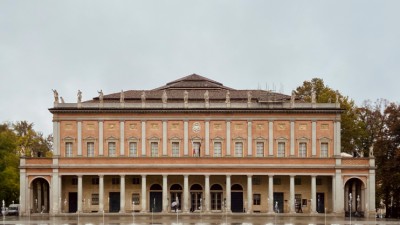
Reggio Emilia
City of the Tricolor
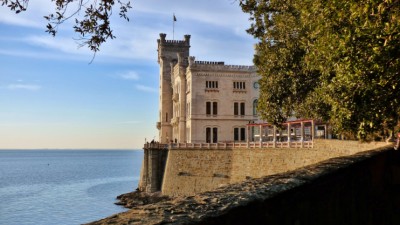
Trieste
The City of Bora Wind
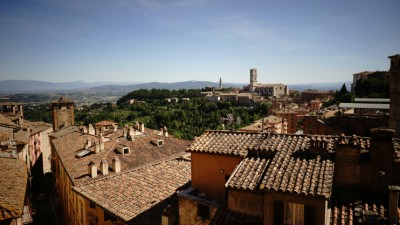
Perugia
City of Chocolate
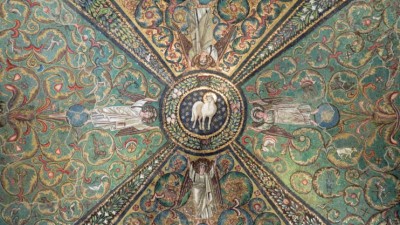
Ravenna
City of Mosaics
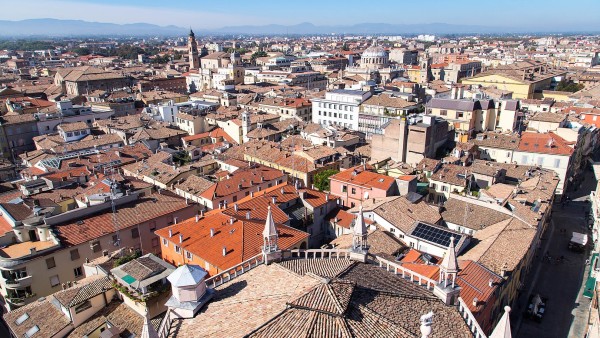
Parma
Italian Capital of Culture 2020/21
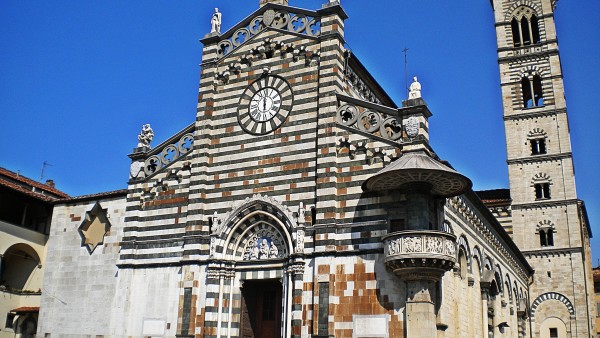
Prato
Textile City
Taranto
The City of Two Seas
Salerno
City of Eternal Spring
Vicenza
Palladio's City
Bergamo
City of the Thousand
Rimini
Pearl of the Adriatic
Modena
Land of Motors