About Radom
Radom is a city in east-central Poland, about 100 kilometres south of Warsaw, on the Mleczna River in the Masovian Voivodeship.
It is Poland’s sixteenth-largest city and the second-largest in its province, yet it remains far less visited than the country’s better-known destinations.For LGBTQ+ travellers, that matters.
Poland is a country where LGBTQ+ people face legal challenges not experienced by non-LGBTQ residents, and international reporting such as ILGA-Europe’s 2025 assessment places the country among the weaker performers in the European Union on LGBTQ+ rights.
In practical terms, I would approach Radom as a place for low-key, realistic expectations rather than for a scene-centered trip.From a travel perspective, Radom is not known for major LGBTQ+ landmarks or widely documented LGBTQ+ events.
The city also receives relatively little tourist traffic, and travel information notes that tourist infrastructure is limited and English is not always widely spoken in the service sector.
For me, that makes Radom a destination best suited to independent, self-reliant wandering: a city to pass through slowly, use as a base for practical exploration, and experience with awareness of the broader social context.In short, Radom is not a headline LGBTQ+ destination — and that is exactly why I would describe it honestly.
It is a real Polish city with a modest profile, a practical rather than polished travel experience, and the same need for informed, respectful planning that I would bring to any solo journey.
Our Review
I arrived in Radom as I would any place that sits just beyond the usual tourist circuit: with curiosity, patience, and a willingness to read the city as it is, not as a glossy brochure might present it.
Radom is a city in east-central Poland, about 100 kilometres south of Warsaw, on the Mleczna River in the Masovian Voivodeship.
It is Poland’s sixteenth-largest city and the second-largest in its province, yet it remains far less visited than the country’s better-known destinations.
For LGBTQ+ travellers, that matters.
Poland is a country where LGBTQ+ people face legal challenges not experienced by non-LGBTQ residents, and international reporting such as ILGA-Europe’s 2025 assessment places the country among the weaker performers in the European Union on LGBTQ+ rights.
In practical terms, I would approach Radom as a place for low-key, realistic expectations rather than for a scene-centered trip.
From a travel perspective, Radom is not known for major LGBTQ+ landmarks or widely documented LGBTQ+ events.
The city also receives relatively little tourist traffic, and travel information notes that tourist infrastructure is limited and English is not always widely spoken in the service sector.
For me, that makes Radom a destination best suited to independent, self-reliant wandering: a city to pass through slowly, use as a base for practical exploration, and experience with awareness of the broader social context.
In short, Radom is not a headline LGBTQ+ destination — and that is exactly why I would describe it honestly.
It is a real Polish city with a modest profile, a practical rather than polished travel experience, and the same need for informed, respectful planning that I would bring to any solo journey.
Social Acceptance and Safety in Radom
When I visit Radom as an LGBTQ+ traveler, I keep my expectations grounded in the reality of Poland more broadly.
Verified reporting on LGBTQ rights in Poland makes it clear that LGBTQ+ people face legal and social challenges, and ILGA-Europe’s 2025 ranking places the country among the worst in the European Union for LGBTQ rights.
That national context matters in Radom too, even though city-specific data on LGBTQ+ attitudes is limited.
In practical terms, I would not treat Radom as an openly established LGBTQ+ destination.
The city is known to receive relatively little tourist traffic, and the local visitor infrastructure is limited.
Because fewer foreigners visit, service staff may be less likely to speak English, which can make it harder to ask for help or clarify situations quickly.
As a solo traveler, I plan ahead more carefully here than I might in a larger, more internationally oriented city.
For safety, I keep my public profile modest.
I avoid drawing unnecessary attention in unfamiliar settings, especially late at night or when I am navigating areas I do not know well.
I also make sure I have accommodation details, transport plans, and key addresses saved offline, since this is the kind of city where being self-reliant is more useful than expecting a strong tourist support network.
On the ground, I have not found verified information identifying specific neighborhoods in Radom as especially LGBTQ+ friendly or especially unfriendly.
Without reliable, current local data, I would not assume that any district offers a clearly visible LGBTQ+ scene.
Instead, I approach the city as I would many smaller or less-touristed places: stay observant, trust my instincts, and prioritize calm, well-trafficked public spaces when moving around alone.
My practical safety advice is simple: travel with awareness, especially after dark; use reputable transport; keep digital and paper copies of essential documents; and avoid assuming that local attitudes will mirror those of more visibly progressive European cities.
Radom can still be experienced respectfully and comfortably, but for me it is a place where discretion, preparation, and solo-traveler common sense matter more than expecting an LGBTQ+ infrastructure on the ground.
Useful background reading: LGBTQ rights in Poland and Radom on Wikivoyage.
Accommodation in Radom from an LGBTQ+ point of view
When I look at Radom as a solo traveler, I approach accommodation with practical realism.
Radom is a real regional city in east-central Poland, about 100 kilometres south of Warsaw, but it gets relatively little tourist traffic and has limited visitor infrastructure.
That matters when I’m choosing where to stay, because in smaller, lower-profile destinations I usually find fewer clearly marketed LGBTQ+ options and less publicly visible information about inclusive hospitality.
Poland’s wider context also shapes my expectations.
Verified sources note that LGBTQ+ people in Poland face legal challenges, and ILGA-Europe’s 2025 report places the country among the least favorable in the EU for LGBTQ rights.
That does not tell me that every hotel in Radom is unwelcoming, but it does mean I prefer to book carefully, rely on established properties, and keep my expectations grounded in reality rather than on assumptions.
What I look for in Radom
Because I do not have verified evidence of LGBTQ-specific hotels or guesthouses in Radom, I would focus on general inclusion signals rather than labels.
In practice, that means I look for accommodations with clear booking terms, professional communication, consistent guest reviews, and a straightforward check-in process.
If a property presents itself as welcoming to all guests, that is useful—but in a city like Radom, I still verify the basics myself before I book.
I also pay attention to how easy it is to communicate.
Wikivoyage notes that relatively few people in the local service industry speak English, so I make sure my reservation details are saved in advance and that I can explain any needs simply and politely.
For a solo stay, that kind of preparation is more valuable than relying on last-minute problem-solving.
Tips for finding inclusive accommodation
- Use large, established booking platforms and read recent guest reviews carefully, looking for comments about professionalism, privacy, and respectful service.
- Check the property’s own language on its website or listing.
I look for neutral, welcoming wording rather than vague claims. - Confirm practical details before arrival, including check-in hours, payment methods, and the exact address.
- Save key information offline, since language barriers can make on-the-spot changes more difficult.
- Choose flexibility if possible.
A property with good cancellation terms gives me more freedom if I decide to change plans.
In a destination with limited tourism infrastructure, these small steps make a big difference.
I prefer places that feel efficient and discreet, with staff who are used to independent travelers and who handle arrivals without fuss.
Areas and neighborhoods
Based on the verified source pack, I cannot point to any neighborhoods in Radom that are specifically known as LGBTQ-welcoming districts.
I would therefore avoid presenting any part of the city as a recognized queer enclave.
Instead, I would choose accommodation for convenience, transport access, and overall quality.
For me, that usually means staying in a central or well-connected part of the city, where getting around is simple and I am not dependent on unfamiliar late-night transport.
In a city that receives little tourist traffic, being able to move around easily matters more than chasing a scene that is not clearly documented.
My practical takeaway
If I were booking a room in Radom, I would treat it as a straightforward city stay rather than an LGBTQ-destination booking.
I would choose a reliable property, keep communication clear, and prioritize calm, well-managed accommodation over any expectation of a visible queer hospitality market.
Radom may be best approached as a practical stop on a wider Poland itinerary, with accommodation chosen for comfort, discretion, and ease rather than for a specifically LGBTQ-branded experience.
Dining and Entertainment
When I spend time in Radom, I treat dining and evening entertainment as a practical, local experience rather than a search for a clearly mapped LGBTQ+ scene.
That fits the reality of the city: Radom is a sizeable regional center in east-central Poland, but it receives relatively little tourist traffic and has limited visitor infrastructure, with relatively few service workers speaking English.
In other words, I plan ahead, keep expectations grounded, and choose places that are straightforward, busy, and easy to navigate on my own.
For LGBTQ+ travelers, the most useful approach in Radom is to focus on general hospitality rather than labels.
I did not find verified information supporting LGBTQ+-specific restaurants, cafes, or bars in the city, so I would avoid making assumptions about any venue being explicitly queer-oriented.
Instead, I look for signs of professionalism and comfort: clear menus, consistent opening hours, recent reviews, and a relaxed atmosphere where I can sit alone without drawing attention.
In a city where many visitors are domestic and English is less common in the service sector, simple, low-pressure places are often the easiest choice.
Radom’s dining scene is best understood as local rather than destination-driven.
That means I would expect everyday cafes, casual eateries, and standard Polish restaurants to be the most realistic options for a solo lunch, coffee break, or quiet dinner.
For me, that kind of setting can be ideal: I can sit with a book or notebook, watch the rhythm of the city, and enjoy an unhurried meal without needing a nightlife agenda.
Because the source material does not verify any inclusive venues by name, I prefer to keep recommendations general and based on what is known rather than what might be assumed.
Evenings in Radom are likely to revolve around mainstream entertainment rather than a visible LGBTQ+ circuit.
Verified information points to a city with few tourist sights and a modest visitor economy, so I would not expect a dense concentration of late-night venues or queer-specific performance spaces.
For entertainment, the most realistic options are the city’s standard cultural institutions and mainstream nightlife, if open and convenient at the time of visit.
I would check current schedules directly before going, especially because smaller cities can have limited or changing programming.
As a solo traveler, I tend to choose venues that feel easy to enter and easy to leave.
In Radom, that means prioritizing central locations, places with good lighting, and establishments where I can settle in comfortably without needing local contacts.
If I’m deciding between a lively bar and a quieter cafe, I usually choose the quieter option when traveling alone in a place where the LGBTQ+ scene is not clearly documented.
It makes the evening more relaxed and keeps the focus on the city itself.
Poland’s broader context also matters.
LGBTQ+ people in the country face legal challenges, and ILGA-Europe’s 2025 report places Poland among the worst-performing EU countries for LGBTQ rights.
That does not tell me how every individual venue in Radom will feel, but it does remind me to be thoughtful and discreet in unfamiliar settings.
My rule is simple: I choose places that appear welcoming in a general sense, and I avoid relying on any assumption of explicit inclusivity unless it is clearly verified.
In practical terms, my dining and entertainment strategy in Radom is about keeping things simple.
I look for well-reviewed cafes, casual restaurants, and established cultural venues; I confirm details in advance; and I keep my evenings flexible.
Radom may not offer a verified LGBTQ+ entertainment scene, but it can still work well for travelers like me who value calm, independence, and the freedom to enjoy a city at my own pace.
Travel Tips
When I plan a solo stop in Radom, I keep my approach practical and low-key.
Radom is a real regional city in east-central Poland, about 100 kilometres south of Warsaw, but it is not a major international tourist hub.
The city gets little tourist traffic, and Wikivoyage notes that tourist infrastructure is limited and relatively few people in the local service industry speak English.
For me, that means preparation matters more than usual.
From an LGBTQ+ point of view, I also keep Poland’s wider context in mind.
LGBTQ+ people in Poland face legal challenges, and ILGA-Europe’s 2025 report places the country among the least favorable in the European Union for LGBTQ rights.
That does not tell me how every individual or business in Radom will behave, but it does remind me to travel thoughtfully, stay aware of my surroundings, and avoid assuming that support services or openly LGBTQ-specific spaces will be easy to find.
My practical travel tips for Radom:
- Book and confirm everything in advance. Because the city has limited tourism infrastructure, I would not leave accommodation or transport arrangements to the last minute.
- Save key details offline. I keep booking confirmations, addresses, and contact numbers on my phone in offline form in case I need them without internet access.
- Expect limited English. In day-to-day interactions, I would keep my questions simple and have the essentials written down, especially for check-in, taxis, or restaurant orders.
- Choose central, well-reviewed places. For a solo traveler, convenience and reliability matter more than chasing a scene that may not exist.
- Be discreet if that feels safest. I would not assume that public displays of affection or overt queer signaling will be read the same way everywhere.
In a city without a documented LGBTQ+ nightlife or community infrastructure, I prefer to let local cues guide me. - Use standard safety habits. I stick to busy, well-lit streets at night, use reputable transport, and keep my plans simple when I’m alone.
When it comes to local customs, I keep things respectful and straightforward.
In everyday Polish settings, a polite, calm tone goes a long way.
I avoid making assumptions about political or social attitudes, and I let conversations develop naturally.
If I need help, I ask clearly and directly.
As for connecting with the local LGBTQ+ community, I would be careful not to overstate what is available in Radom.
I do not have verified information about LGBTQ-specific venues, groups, or regular public meetups in the city, so I would not recommend arriving with expectations of finding an obvious queer hub.
If I were looking for community connection, I would first check current, trusted sources before I travel, and I would be realistic about the possibility that larger Polish cities may offer more visible options than Radom.
My overall advice is simple: in Radom, I travel as a self-reliant solo visitor.
I focus on comfort, discretion, and planning ahead, which makes the trip smoother whether I’m there for a short stop or as part of a wider Poland itinerary.
Radom on Wikipedia · Radom on Wikivoyage · LGBTQ rights in Poland
When I step back and look at Radom through an LGBTQ+ lens, I see a city with a very practical, no-frills character.
It is a real regional centre in east-central Poland, but it is not a place built around tourism, and that shapes the visitor experience.
The city’s strengths are its authenticity, manageable size, and straightforward urban layout.
Its main challenges are just as clear: there is limited tourist infrastructure, relatively few English speakers in the service sector, and no well-documented LGBTQ-specific scene to anchor an itinerary.
In the wider Polish context, LGBTQ+ travelers also need to be aware that legal and social conditions remain difficult, as reflected in the broader national picture described in the source material.
For me, that means Radom is best approached with realistic expectations and a solo-traveler mindset: arrive prepared, stay flexible, and focus on comfort and practicality.
I would recommend using the city as a calm stop within a wider Poland journey rather than expecting a dedicated queer nightlife or event circuit.
If you are looking for a place to travel independently, move at your own pace, and experience an ordinary Polish city without the pressure of a busy tourist hub, Radom can still offer a grounded and interesting visit.
My final advice for LGBTQ+ travelers is simple: plan carefully, prioritize well-reviewed accommodation and transport, and keep your expectations anchored in verified information.
Radom is not known for LGBTQ+ attractions, but it can still be explored respectfully and safely by travelers who value independence and good preparation.
For those of us who enjoy solo wandering, that kind of honest, low-key destination has its own appeal.
Other Guides in Poland
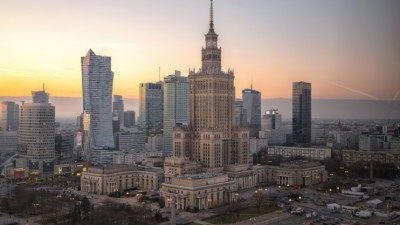
Warsaw
Where history meets bold self-expression
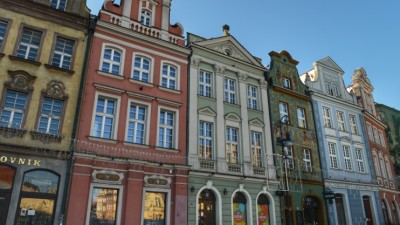
Poznań
Discover a city where heritage, culture, and comfort meet
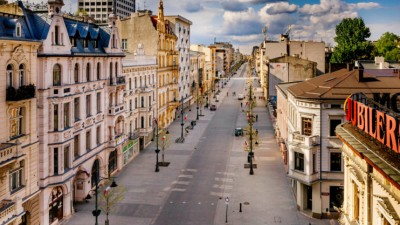
Łódź
Where heritage, design, and calm urban escapes meet.
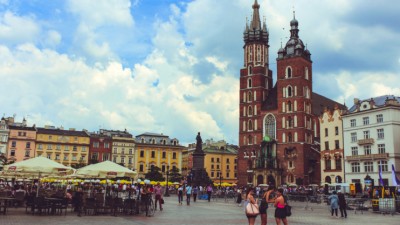
Kraków
Where history is served with great food and open-minded discovery.
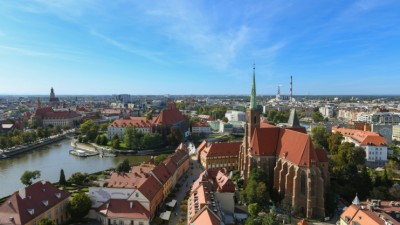
Wrocław
Riverside calm, cultural depth, and a thoughtful city break.
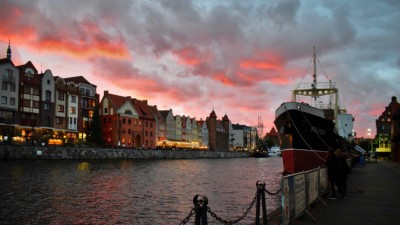
Gdańsk
Where maritime heritage meets modern rights awareness
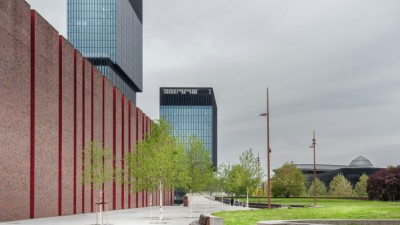
Katowice
Discover a city where heritage, culture, and openness meet.
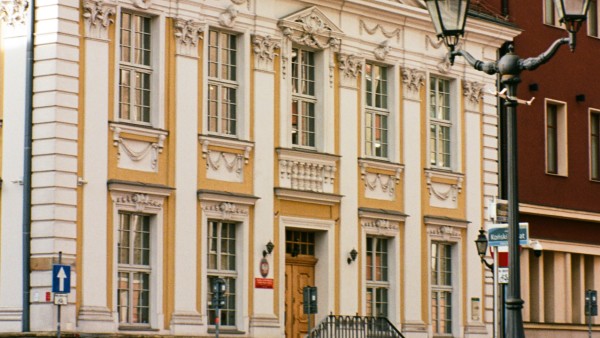
Szczecin
Discover a riverside city where history, architecture, and everyday urban life meet the Baltic edge.
Lublin
History, resilience, and a thoughtful city break beyond the obvious routes.
Białystok
Where green landscapes, history, and open-minded curiosity meet.
Bydgoszcz
Discover a green, musical city where history flows along the water
Gdynia
Where the waterfront meets the wider struggle for equality.
Częstochowa
A reflective stop where sacred landmarks meet a thoughtful urban rhythm.
Zielona Góra
A compact city where festivals and local culture shape the visit.