- LGBTQ+ Neutral
- 15 City Guides
- 0 Likes
- Leave a comment
About Poland
Poland at a Glance
Poland is a large Central European country with a strong sense of history, a varied landscape, and a travel profile that combines major cities, medieval heritage, and easy access to nature.
It stretches from the Baltic Sea in the north to the Sudetes and Carpathian Mountains in the south, with borders that connect it to Germany, the Czech Republic, Slovakia, Ukraine, Belarus, Lithuania, and Russia’s Kaliningrad Oblast.
For travelers, that geography matters: Poland offers a lot of range in one trip, from beach towns and lakes to mountain hikes, forested regions, and dense urban centers with deep cultural layers.
For LGBTQ+ travelers, Poland is best understood as a destination where the appeal is primarily cultural, historic, and scenic rather than specifically queer-oriented.
Major cities such as Warsaw, Kraków, Gdańsk, Wrocław, Poznań, and Łódź are the usual starting points for visitors because they concentrate the best-known museums, architecture, restaurants, and transport links.
As in many countries, urban areas tend to feel more cosmopolitan than smaller towns, and a traveler’s experience can vary significantly by location, venue, and local attitudes.
It is wise to travel with the same streetwise awareness you would use in any destination, especially when moving between nightlife districts, transit hubs, and less central neighborhoods.
Landscape, Regions, and Travel Style
One of Poland’s biggest strengths is how much its landscapes change as you move around the country.
In the north, the Baltic coast offers long stretches of sand, resort towns, and port cities with maritime history.
Inland, the northern lake districts are known for water, forests, and slower-paced outdoor travel.
The center of the country is dominated by major urban and historical destinations, while the south becomes increasingly dramatic as the terrain rises into mountain country.
This mix makes Poland attractive both for city-focused breaks and for longer itineraries that combine culture with hiking, cycling, and countryside stays.
Poland’s climate is temperate, which means the country experiences distinct seasons rather than year-round beach weather.
Spring and early autumn are especially appealing for sightseeing, with milder temperatures and generally comfortable conditions for walking through old towns, museum districts, and parks.
Summer brings more visitors, longer days, and the fullest range of festivals and outdoor activity, while winter can be cold but rewarding for travelers who enjoy festive city centers, snowy scenery, and mountain escapes.
Culture, History, and Distinctive Character
Poland is deeply shaped by its layered history, and much of the travel experience comes from encountering that past in architecture, museums, memorial sites, and public spaces.
Old town centers, rebuilt historical districts, royal residences, Gothic churches, and modernist and postwar cityscapes all sit within the same national story.
The country’s cultural identity is also reflected in strong regional traditions, religious heritage, and a lively contemporary arts and food scene.
In practice, this means a trip to Poland can move from Renaissance squares and castle complexes to design-forward cafes and modern museums in a single day.
What makes Poland especially distinctive is the contrast between restoration and reinvention.
Some places preserve a sense of old Europe through cobbled streets and market squares, while others reveal the impact of the 20th century through museums, memorials, and rebuilt urban cores.
For many travelers, that mix is part of the appeal: Poland feels historically serious without being static, and it offers enough scale and diversity to support repeat visits.
Food and Everyday Travel Appeal
Polish food is hearty, seasonal, and rooted in comfort.
Travelers will encounter dishes built around dumplings, soups, breads, potatoes, cabbage, mushrooms, meats, and dairy, alongside pastries and sweets that vary by region and season.
Food is often part of the country’s social rhythm, and a meal in Poland can be as much about atmosphere and hospitality as it is about the menu.
In major cities, visitors can also find a growing contemporary dining scene, where traditional flavors are reinterpreted in modern ways.
Day-to-day travel in Poland is generally appealing for visitors who like efficient city breaks, substantial meals, and strong value relative to many Western European destinations.
Rail and public transport can make it practical to combine multiple cities, and many travelers choose itineraries built around a few major hubs with side trips into nearby historical towns, national parks, or seaside areas.
The result is a destination that can work equally well for a short city escape, a cultural tour, or a longer cross-country journey.
Key Destinations and Why They Matter
Warsaw, the capital, is the country’s largest urban center and a useful introduction to modern Poland.
It offers museums, business districts, reconstructed historical areas, and a visible energy that reflects the city’s reinvention.
Kraków is a classic first-stop destination for many visitors thanks to its remarkably rich historical core, university atmosphere, and strong restaurant and café culture.
Gdańsk stands out for its Baltic setting, maritime identity, and handsome old-center architecture tied to trade history.
Wrocław is known for its rivers, bridges, and lively urban character, while Poznań and Łódź offer different windows into Polish city life, from historic market squares to industrial-era heritage and contemporary culture.
Beyond the cities, Poland rewards travelers who want nature and open space.
The Baltic coast appeals to those who enjoy seaside travel with a northern European feel.
The lake districts are ideal for slower-paced outdoor trips, while the mountain regions in the south draw hikers, skiers, and anyone wanting dramatic scenery close to historic towns.
Because the country is geographically diverse and relatively easy to navigate between its major centers, it is well suited to travelers who want a trip with both depth and variety.
What LGBTQ+ Travelers Should Expect
Poland’s travel appeal for LGBTQ+ visitors comes more from its cultural depth and urban diversity than from a uniformly queer-friendly nationwide atmosphere.
Experiences can vary by city, neighborhood, and setting, and travelers should not assume the same level of openness everywhere.
Large cities generally provide the broadest range of accommodation, dining, and nightlife options, while smaller places may feel more conservative or less predictable.
As a result, LGBTQ+ visitors often find it useful to plan with a focus on central neighborhoods, reputable hotels, and well-reviewed venues, while also paying attention to local context and personal comfort.
In short, Poland is distinctive because it combines big-city culture, historic weight, and natural variety in one country.
It is a destination for travelers who want strong urban experiences, memorable architecture, regional food, and easy access to sea, lakes, and mountains.
For LGBTQ+ visitors who prefer to pair practical caution with rich sightseeing, Poland can be a rewarding and multifaceted journey.
LGBTQ+ Overview
LGBTQ+ overview for Poland
Poland is a country where LGBTQ+ travelers usually do not face the kind of outright criminalization or pervasive state violence seen in some other parts of the world, but the overall environment remains uneven and can be uncomfortable. Same-sex activity is legal, and there is no general legal ban on LGBTQ+ people living, traveling, or socializing openly. At the same time, Poland does not offer the broad anti-discrimination and family-law protections that travelers might expect in more accepting Western European destinations. That means the practical experience can vary sharply depending on where you are, how visible you are, and whether you are in a large city or a more conservative area.
The social climate is mixed. Major cities such as Warsaw, Kraków, Gdańsk, Wrocław, and Poznań are typically more accustomed to LGBTQ+ visitors, and you may find a visible community presence there. Outside those urban centers, public attitudes can be more conservative, and some travelers report discomfort when expressing affection in public or when appearing gender nonconforming. Public displays of affection, while generally not advisable in many places for visitors, may draw more attention in Poland than they would in more LGBTQ+-friendly destinations. For transgender and nonbinary travelers, the main issue is usually not formal legal prohibition but rather day-to-day misgendering, intrusive questions, and uneven service experiences.
Poland’s legal picture is complicated. There is no full nationwide legal recognition of same-sex marriage, and same-sex couples do not enjoy the same family-law rights as different-sex married couples. Anti-discrimination protections exist in some contexts, but they are not comprehensive enough to fully shield LGBTQ+ travelers from discrimination in practice. There is also no reliable assumption of equal treatment in matters such as parental rights or recognition of nontraditional family relationships. Travelers who are married or partnered elsewhere should not assume that those relationships will be recognized locally in the way they are at home.
From a safety standpoint, the main risks for travelers are usually social rather than violent, though harassment is possible. Verbal hostility, stares, and uncomfortable scrutiny can happen, especially if you are visibly queer, traveling as a same-sex couple, or present in a gender-nonconforming way. In nightlife settings, especially outside the most cosmopolitan areas, it is wise to stay aware of your surroundings, arrange reliable transport home, and avoid isolated areas late at night. As in many countries, alcohol can increase vulnerability, so standard urban safety precautions are important.
Another practical concern is that public discourse around LGBTQ+ issues in Poland has at times been highly politicized. Travelers may encounter negative rhetoric in media, in conversation, or in official messaging at the local level. The situation has also been uneven across regions, with some local authorities in the past adopting anti-LGBTQ+ stances; travelers should not interpret this as a nationwide legal ban, but it does reflect a social environment that can feel less welcoming than in many parts of Europe. The broader trajectory in recent years has been mixed rather than clearly linear: there have been signs of increasing visibility and advocacy, but also continuing polarization and resistance.
For support, travelers should rely on practical, mainstream resources first: your embassy or consulate if you need help, hotel staff you trust, and local emergency services for immediate danger. If you face discrimination in a service setting, it may help to document what happened and seek assistance from your accommodation or your travel provider. For city-specific planning, it is sensible to check current local conditions shortly before departure, since the atmosphere can differ widely by destination and can change over time. When in doubt, keep your profile low, avoid confrontations, and be cautious about assuming that the social ease you may experience in one Polish city will carry over to another.
Overall, Poland is best understood as a destination with legal access but uneven social comfort. Many LGBTQ+ travelers visit without major problems, particularly in larger cities, but the lack of robust equality protections and the possibility of conservative attitudes mean it is not a uniformly easy destination. Travelers who are discreet, prepared, and attentive to local context are more likely to have a smooth trip than those expecting consistently open and affirming conditions.
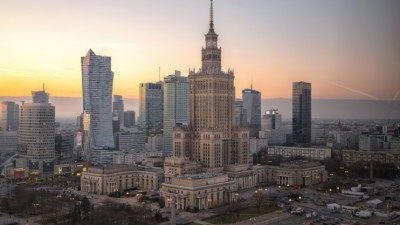
Warsaw
Where history meets bold self-expression
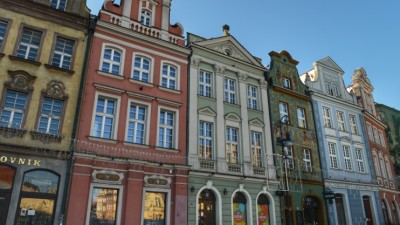
Poznań
Discover a city where heritage, culture, and comfort meet
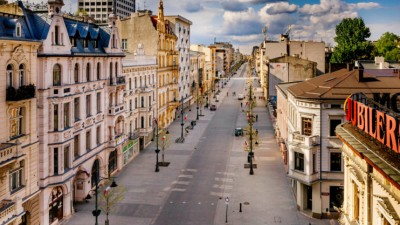
Łódź
Where heritage, design, and calm urban escapes meet.
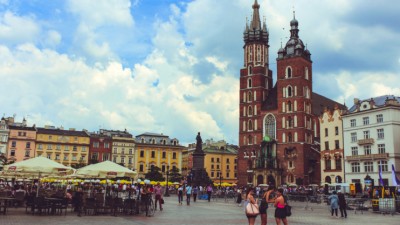
Kraków
Where history is served with great food and open-minded discovery.
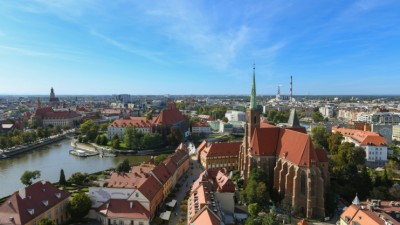
Wrocław
Riverside calm, cultural depth, and a thoughtful city break.
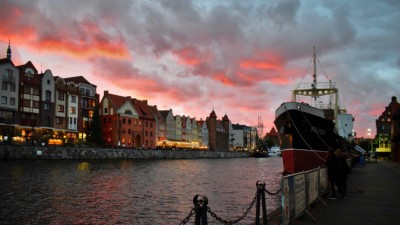
Gdańsk
Where maritime heritage meets modern rights awareness
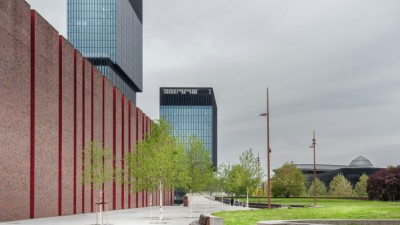
Katowice
Discover a city where heritage, culture, and openness meet.
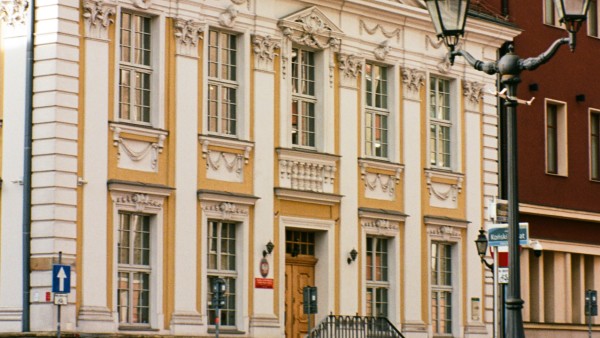
Szczecin
Discover a riverside city where history, architecture, and everyday urban life meet the Baltic edge.
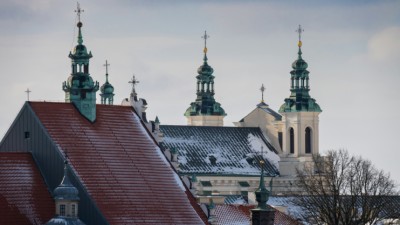
Lublin
History, resilience, and a thoughtful city break beyond the obvious routes.
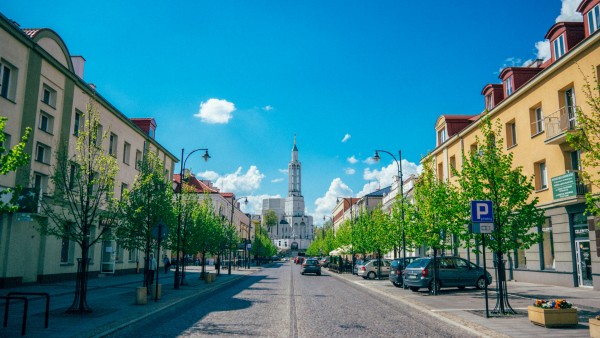
Białystok
Where green landscapes, history, and open-minded curiosity meet.
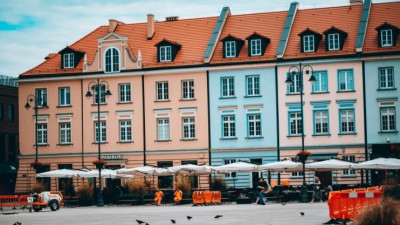
Bydgoszcz
Discover a green, musical city where history flows along the water
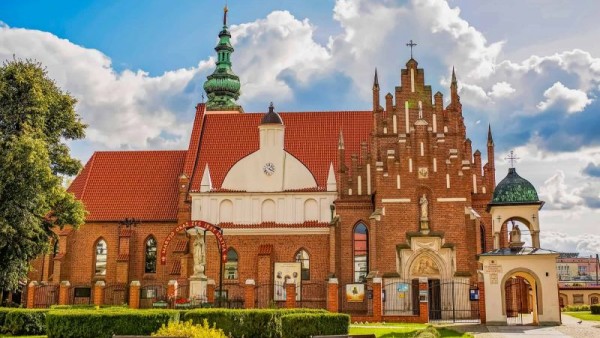
Radom
A slower-paced city break with room for thoughtful solo exploration.
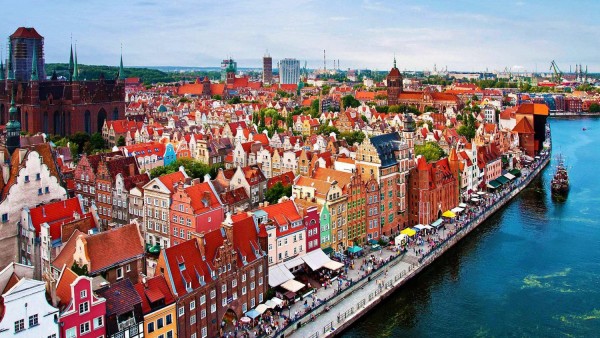
Gdynia
Where the waterfront meets the wider struggle for equality.
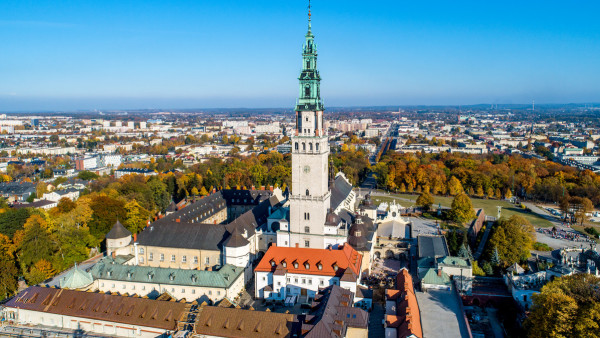
Częstochowa
A reflective stop where sacred landmarks meet a thoughtful urban rhythm.
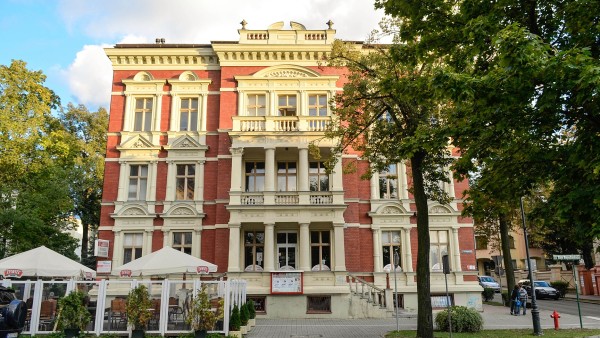
Zielona Góra
A compact city where festivals and local culture shape the visit.