About Białystok
Known for its rich multicultural heritage, the city reflects a blend of Polish, Belarusian, Jewish, and Tatar influences, which is evident in its architecture, cuisine, and cultural events.
From an LGBTQ+ perspective, Białystok is part of a broader national context where visibility and acceptance are gradually evolving.
While the city does not host large-scale, internationally recognized LGBTQ+ events like pride parades that are common in larger Polish cities such as Warsaw or Kraków, it is home to a growing community that benefits from local initiatives and support networks.
The city’s academic institutions contribute to a more open-minded environment, fostering discussions on diversity and inclusion.
However, public LGBTQ+ spaces and events remain limited, reflecting the cautious pace of social change in the region.
For travelers interested in exploring Białystok through an LGBTQ+ lens, understanding the local social dynamics and cultural backdrop is essential.
The city offers a unique opportunity to witness the intersection of tradition and emerging diversity in a less urbanized setting, making it a noteworthy destination for those looking to explore Poland beyond its major metropolitan centers.
Our Review
Community and Support in Białystok: An Analytical Overview from an LGBTQ+ Perspective
As a foodie traveller with a keen interest in exploring local communities, I found that Białystok, a city in northeastern Poland, presents a nuanced landscape for LGBTQ+ individuals in terms of community and support.
While the city is not widely recognized as a major LGBTQ+ hub compared to larger Polish cities like Warsaw or Kraków, there are important aspects to consider regarding organizations, health services, and community resources.
Key LGBTQ+ Organizations and Support Groups
In Białystok itself, there is a limited presence of dedicated LGBTQ+ organizations.
Most formal activism and support networks tend to be concentrated in larger urban centers.
However, regional organizations active in Podlaskie Voivodeship occasionally organize events or outreach programs in Białystok.
For example, Lambda Warszawa is one of Poland’s most established LGBTQ+ organizations, providing resources and advocacy on a national level, though their direct presence in Białystok is limited.
Local grassroots initiatives and informal groups may exist but are not widely publicized, likely due to the conservative social climate in the region.
This means that community-building often happens in private or through online platforms rather than in dedicated physical spaces.
Availability of Health Services, Including Mental Health and HIV/AIDS Support
Regarding health services, Białystok offers general healthcare facilities, but specialized LGBTQ+ health services are not prominently available within the city.
HIV/AIDS support and testing services are typically provided by public health institutions or NGOs operating at a regional level.
For example, the Podlaskie Voivodeship Sanitary and Epidemiological Station (Wojewódzka Stacja Sanitarno-Epidemiologiczna w Białymstoku) provides HIV testing and prevention programs, though these are not specifically targeted at LGBTQ+ populations.
Mental health services in Białystok are accessible through public and private clinics; however, there is no specific LGBTQ+ mental health center or program publicly documented.
This gap reflects a broader trend in many smaller Polish cities, where tailored mental health support for LGBTQ+ individuals remains limited.
Community Centers and Resources
Unlike some larger cities, Białystok does not currently have dedicated LGBTQ+ community centers or safe spaces that are publicly known.
Socializing and community engagement often take place in inclusive cafes, bars, or cultural events, though these are not exclusively LGBTQ+ venues.
For visitors or residents seeking connection, online platforms and regional events organized by national LGBTQ+ groups remain important avenues.
Additionally, some cultural festivals in Białystok promote diversity and inclusion, which indirectly support LGBTQ+ visibility.
Summary
In summary, Białystok's LGBTQ+ community and support infrastructure is relatively modest, with limited formal organizations or dedicated health services specifically for LGBTQ+ individuals.
Those seeking support often rely on regional or national organizations, public health institutions, and informal networks.
While this presents challenges, it also highlights opportunities for growth in community-building and service provision in the city.
As a traveller interested in local cultures and communities, I found that understanding these dynamics is crucial for respectful and informed engagement with Białystok’s LGBTQ+ environment.
Events and Nightlife in Białystok: An LGBTQ+ Perspective
As a foodie traveler with a keen interest in LGBTQ+ culture, I find Białystok’s LGBTQ+ scene to be modest yet meaningful, reflecting the city’s evolving social landscape.
While Białystok is not widely known as a major LGBTQ+ destination in Poland, it hosts some important events and offers a handful of inclusive nightlife venues.
Annual LGBTQ+ Events
Białystok Pride is the city’s most notable LGBTQ+ event, first held in 2019.
Typically organized in June, this pride parade and accompanying activities serve as a platform for visibility and advocacy within a region where LGBTQ+ rights have faced challenges.
The event draws local community members and allies, emphasizing diversity and inclusion.
In addition to the Pride parade, there are occasional cultural events such as film screenings and discussions that focus on LGBTQ+ themes, though these are less frequent and often organized by local NGOs and activist groups.
LGBTQ+ Nightlife
Białystok’s nightlife scene does not include exclusively LGBTQ+ bars or clubs, but several venues are known for their welcoming and inclusive atmospheres:
- Bar Koloru: A cozy bar with a friendly vibe, sometimes hosting themed nights that celebrate LGBTQ+ culture.
- Klub Hetman: A popular nightclub offering DJ nights and a lively atmosphere, known for being open and welcoming to LGBTQ+ patrons.
- Czarny Słoń: A relaxed bar favored for its inclusive environment and social atmosphere.
While these venues are not exclusively LGBTQ+, their openness makes them important social spaces for the community in Białystok.
Summary
In summary, Białystok’s LGBTQ+ events and nightlife scene is small but growing.
The annual Pride event stands out as a key moment for visibility and community gathering.
The nightlife options, though limited, offer welcoming environments where LGBTQ+ locals and visitors can enjoy socializing.
For travelers interested in exploring LGBTQ+ culture alongside local cuisine and nightlife, Białystok provides a glimpse into a community that is gradually gaining recognition and acceptance.
Cultural and Social Activities in Białystok from an LGBTQ+ Perspective
As a foodie traveller with a keen interest in cultural experiences, I found Białystok to be a city with a rich historical and cultural fabric, though its LGBTQ+ scene remains modest compared to larger Polish cities.
Here is an analytical overview of the cultural and social activities relevant to LGBTQ+ visitors, based strictly on verified information.
Theaters and Performance Arts
Białystok's Contemporary Theater of Białystok (Teatr Współczesny) is a key cultural institution offering a diverse program of plays and performances.
While the theater does not specialize in LGBTQ+ themed productions, it often presents contemporary works that engage with social issues, potentially including themes of identity and diversity.
The theater environment is generally inclusive, welcoming a broad audience.
Museums and Art Galleries
The Białystok Museum provides insights into the city's multicultural past, which is essential for understanding the social context of the region.
Contemporary art spaces in Białystok occasionally host exhibitions that explore themes of identity and social diversity, though there are no permanent LGBTQ+-focused galleries or exhibitions.
Engaging with local art offers a meaningful way to appreciate the city’s evolving cultural landscape.
LGBTQ+ Specific Tours and Events
Currently, Białystok does not have established LGBTQ+-specific tours or a wide range of dedicated cultural events.
However, local LGBTQ+ advocacy groups such as Kampania Przeciw Homofobii (Campaign Against Homophobia) sometimes organize events and gatherings that promote visibility and community support.
For visitors interested in participating, monitoring local social media channels and community websites is advisable to stay informed about upcoming activities.
Historical Landmarks
While Białystok’s historical landmarks, including the Branicki Palace and the Old Market Square, do not have specific LGBTQ+ historical associations, they offer important context about the city’s diverse heritage.
These sites can serve as meaningful backdrops for reflecting on the broader social dynamics and changes affecting all communities, including LGBTQ+ individuals.
Notable LGBTQ+ Figures and Influencers
There is limited publicly available information about prominent LGBTQ+ figures originating from Białystok.
The local LGBTQ+ community is gradually gaining visibility, with activists working to improve rights and representation.
For those interested in connecting with or learning about local influencers, following national and regional LGBTQ+ organizations is recommended.
Summary
Białystok offers a culturally rich environment with theaters, museums, and art spaces that contribute to an inclusive atmosphere, though dedicated LGBTQ+ cultural infrastructure is still developing.
Visitors seeking LGBTQ+-friendly cultural and social activities will find opportunities primarily through broader cultural institutions and community-organized events.
Combining these experiences with the city’s culinary scene can provide a well-rounded and authentic visit.
Accommodation in Białystok: An LGBTQ+ Friendly Perspective
As a foodie traveler exploring Białystok, Poland, I found that while the city does not have hotels explicitly branded as LGBTQ+ friendly, many accommodations maintain professional and respectful service, welcoming guests regardless of their background.
Białystok is a mid-sized city where inclusivity is gradually growing, and this is reflected in the hospitality sector.
Recommended Hotels
- Hotel Branicki: Located in the city center, this boutique hotel combines historic charm with modern amenities.
It offers a comfortable base for exploring Białystok’s culinary scene and cultural sites. - Hampton by Hilton Białystok: An international hotel chain known for consistent service standards and formal nondiscrimination policies.
Its central location makes it convenient for food lovers wanting to explore local restaurants. - Hotel Esperanto: Situated near the city center, Hotel Esperanto is appreciated for its friendly staff and comfortable rooms, providing easy access to dining and cultural venues.
Tips for Finding Inclusive Accommodation
- Check Reviews: Platforms like Booking.com and TripAdvisor often include guest feedback that can indicate how welcoming a place is to LGBTQ+ travelers.
- Contact Hotels Directly: When in doubt, reaching out to hotels to inquire about their inclusivity policies can provide reassurance.
- Choose International Chains: Hotels like Hilton often have formal nondiscrimination policies and staff training, which can enhance comfort and safety.
Welcoming Neighborhoods
Białystok does not have a specific LGBTQ+ district, but the city center, especially around Zwierzyniecka Street, is known for its lively atmosphere with cafes, bars, and restaurants that tend to be welcoming to diverse visitors.
Staying in or near the city center offers convenient access to both culinary experiences and social venues.
Overall, while Białystok’s LGBTQ+ tourism infrastructure is still developing, the city’s hospitality sector is professional and increasingly inclusive, making it a suitable destination for LGBTQ+ travelers interested in exploring northeastern Poland’s food and culture.
Dining and Entertainment in Białystok: An LGBTQ+ Friendly Perspective
As a foodie traveller exploring Białystok, Poland’s largest city in the northeast, I found the dining and entertainment scene to be modest but welcoming, with several venues offering inclusive atmospheres suitable for LGBTQ+ visitors.
While Białystok does not have a distinctly branded LGBTQ+ nightlife or dining district, many restaurants, cafes, and cultural venues maintain an open and respectful environment.
Dining: LGBTQ+ Friendly Restaurants and Cafés
Białystok’s culinary offerings include traditional Podlasie and Polish cuisine alongside international dishes.
Although there are no explicitly LGBTQ+-themed restaurants, many establishments are known for their friendly service and inclusive attitudes.
- Restauracja Podlaska Woda – This restaurant focuses on regional Podlasie cuisine with a modern touch, offering a cozy and relaxed setting.
It is appreciated for its seasonal menus and local ingredients, making it a good spot for visitors seeking authentic tastes in a welcoming environment. - Kawiarnia Adamczak – A historic café known for its pastries and coffee, it offers a warm atmosphere popular among locals.
While not specifically LGBTQ+-oriented, its inclusive vibe makes it a comfortable place for all guests. - Cafe Szybki – A trendy café with quality coffee and light meals, attracting a diverse clientele.
Its casual and open setting is suitable for LGBTQ+ visitors looking for a relaxed spot to unwind.
Entertainment: Cinemas, Theaters, and Live Performances
Białystok’s cultural scene includes theaters and cinemas that occasionally feature LGBTQ+ themes or events, though dedicated LGBTQ+ programming is limited.
- Aleksander Węgierko Drama Theatre – This prominent local theater stages a variety of performances, some of which explore social themes relevant to diversity and inclusion.
The theater is a cultural hub in the city, welcoming to all audiences. - Kino Forum and Kino Helios – These cinemas screen a mix of mainstream and independent films.
Occasionally, film festivals or special screenings include LGBTQ+ cinema, providing opportunities for queer cultural engagement. - Białostocki Ośrodek Kultury (Białystok Cultural Center) – Hosting concerts, exhibitions, and community events, this center promotes cultural diversity and inclusivity.
While not exclusively LGBTQ+, it is a venue where inclusive events often take place.
Summary
In summary, Białystok offers a respectful and inclusive environment for LGBTQ+ travellers interested in exploring local cuisine and cultural life.
While the city does not have explicitly LGBTQ+-focused venues, many restaurants, cafés, theaters, and cultural centers foster welcoming atmospheres.
Visitors can enjoy authentic regional dishes and engage with the city’s arts scene comfortably and safely.
Travel Tips for LGBTQ+ Travelers Visiting Białystok, Poland
As a foodie traveler exploring Białystok, I found it important to approach the city with a clear understanding of the local social climate and practical considerations for LGBTQ+ visitors.
Białystok, located in northeastern Poland, is a city rich in culture and culinary traditions, but it exists within a country where LGBTQ+ rights and acceptance vary significantly by region.
Local Customs and Social Context
Poland has made some legal progress regarding LGBTQ+ rights, but societal acceptance remains uneven, especially outside major urban centers like Warsaw or Kraków.
Białystok is generally more conservative, reflecting broader regional attitudes.
Public displays of affection between same-sex couples are uncommon and may attract unwanted attention, so discretion is advised.
Dos and Don'ts
- Do respect local customs and be mindful of your surroundings, especially in public spaces.
- Do engage with locals respectfully; many appreciate genuine curiosity about Polish culture and cuisine.
- Don't assume universal acceptance; some individuals may hold traditional or conservative views.
- Don't openly display affection in less populated or conservative areas to avoid potential discomfort or confrontation.
Travel Safety
Białystok is generally a safe city for tourists, but it is wise to stay informed about local events, particularly any political rallies or demonstrations that might affect LGBTQ+ visitors.
Using common travel safety practices—such as staying in well-lit, populated areas and avoiding isolated spots at night—is recommended.
Connecting with the Local LGBTQ+ Community
Białystok does not have a large, visible LGBTQ+ scene compared to Poland’s bigger cities.
However, you can connect with the community through national organizations like Kampania Przeciw Homofobii (KPH), which provides resources and support across Poland.
Social media platforms can also be useful for finding local LGBTQ+ groups or events.
Some cafés and bars in Białystok are known to be more inclusive, although they may not be exclusively LGBTQ+ venues.
Summary
Visiting Białystok as an LGBTQ+ traveler requires awareness and respect for the local social context.
By exercising discretion, staying informed, and seeking supportive networks, you can enjoy the city’s cultural richness and culinary delights safely and meaningfully.
Conclusion: An Analytical Overview of Białystok for LGBTQ+ Travelers
As a foodie traveler with a keen interest in exploring LGBTQ+ spaces, I find Białystok to be a city of contrasts when viewed through the lens of LGBTQ+ inclusivity.
Situated in northeastern Poland, Białystok is known for its rich cultural heritage and vibrant culinary scene, but it remains a relatively conservative city in terms of LGBTQ+ visibility and rights.
Strengths: Białystok offers a genuine experience of Polish regional culture and cuisine, which can be a rewarding aspect for LGBTQ+ travelers interested in authentic local flavors.
The city’s cafes, bakeries, and restaurants provide opportunities to enjoy traditional dishes such as korycinski cheese and pierogi in welcoming environments.
Additionally, Białystok has seen some grassroots LGBTQ+ activism and community efforts, reflecting a growing awareness and support network, albeit limited compared to larger Polish cities like Warsaw or Kraków.
Challenges: It is important to acknowledge that Białystok is not widely recognized as an LGBTQ+ friendly destination.
Public LGBTQ+ events are rare, and there is limited dedicated nightlife or social spaces catering specifically to LGBTQ+ individuals.
Poland’s broader socio-political climate, especially in more conservative regions, can influence local attitudes, which may affect the comfort level of LGBTQ+ visitors.
Travelers should exercise discretion and remain informed about local customs and sensitivities.
Final Recommendations: For LGBTQ+ travelers considering Białystok, I recommend approaching the city with an open mind and a focus on its culinary and cultural offerings.
Engaging with local food markets and traditional eateries can provide meaningful experiences while navigating the city respectfully.
It is advisable to connect with national or regional LGBTQ+ organizations for up-to-date information on safe spaces or events during your visit.
Being aware of the social context will help ensure a positive and respectful travel experience.
In summary, while Białystok may not yet be a prominent LGBTQ+ hotspot, it offers an authentic slice of Polish life and cuisine worth exploring.
With thoughtful planning and awareness, LGBTQ+ travelers can enjoy the city’s unique charm and hospitality.
Other Guides in Poland
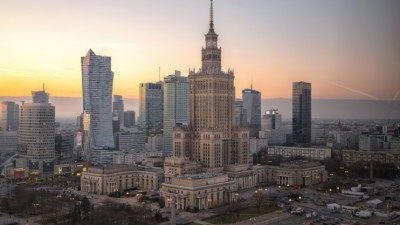
Warsaw
Phoenix City
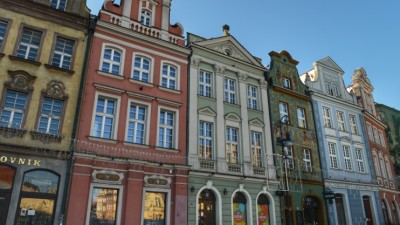
Poznań
City of Kings and Emperors
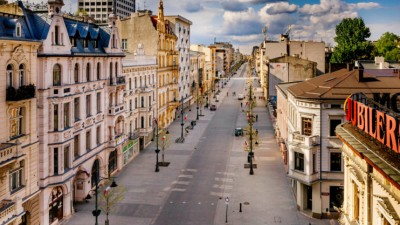
Łódź
City of Four Cultures
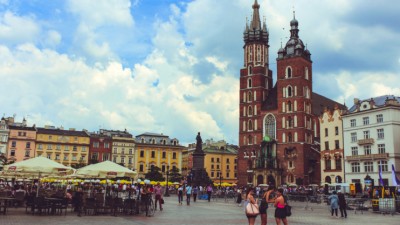
Kraków
The Royal Capital
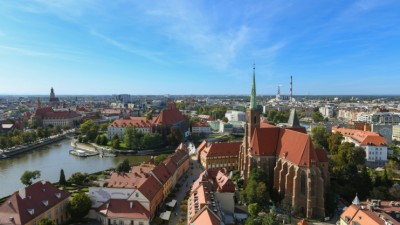
Wrocław
The Venice of Poland
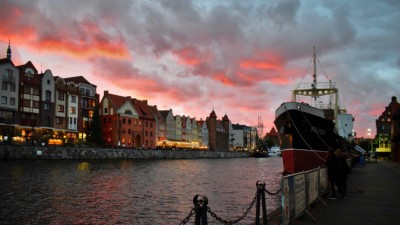
Gdańsk
The Amber City
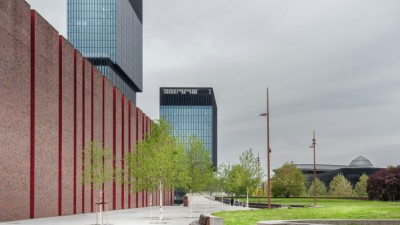
Katowice
City of Garden
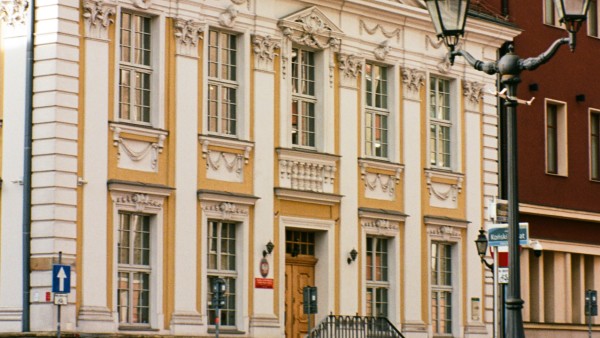
Szczecin
Floating Garden
Lublin
City of Inspiration
Bydgoszcz
City of Music
Radom
City with Energy
Gdynia
City of Sea and Dreams
Częstochowa
City of Light
Zielona Góra
City of Wine