About Częstochowa
The city is also one of the larger urban centres in the country, with a population of 214,342 in 2021, and it sits in southern Poland in the Silesian Voivodeship, within the historical region of Lesser Poland.
For a traveller, that combination matters: Częstochowa is both a major religious destination and a practical regional city with an identity shaped by history, pilgrimage, and everyday life.From an LGBTQ+ point of view, I would describe the city as best understood within the broader national context.
In Poland, LGBTQ+ people face legal challenges that non-LGBTQ residents do not, and ILGA-Europe’s 2025 report places the country among the lower-ranked EU states for LGBTQ rights.
That does not define every local experience, but it is an important factual backdrop for any visit.
In Częstochowa, I would therefore frame expectations carefully: this is a city known for its religious significance rather than for a documented LGBTQ+ nightlife scene, major Pride event, or widely recognised LGBTQ+ landmark.For me, the most relevant local landmark remains Jasna Góra itself, not as an LGBTQ+ venue, but as the city’s defining cultural and spiritual reference point.
Visitors interested in a calmer, reflective itinerary may find Częstochowa appealing as a place to observe Polish pilgrimage culture, explore the urban core, and use the city as a base for a measured, low-key stay.
I would present it as a destination where context, history, and atmosphere are more important than any established queer-specific tourism infrastructure.In short, Częstochowa is significant because it is a major Polish city with a powerful symbolic centre.
For LGBTQ+ travellers, the most responsible way to read it is as part of Poland’s wider social landscape: historically rich, culturally important, and worth visiting with informed, realistic expectations.
Our Review
As I look at Częstochowa, I see a city whose international recognition comes first and foremost from Jasna Góra, the Pauline monastery that houses the Black Madonna icon and draws pilgrims from across Poland and beyond.
The city is also one of the larger urban centres in the country, with a population of 214,342 in 2021, and it sits in southern Poland in the Silesian Voivodeship, within the historical region of Lesser Poland.
For a traveller, that combination matters: Częstochowa is both a major religious destination and a practical regional city with an identity shaped by history, pilgrimage, and everyday life.
From an LGBTQ+ point of view, I would describe the city as best understood within the broader national context.
In Poland, LGBTQ+ people face legal challenges that non-LGBTQ residents do not, and ILGA-Europe’s 2025 report places the country among the lower-ranked EU states for LGBTQ rights.
That does not define every local experience, but it is an important factual backdrop for any visit.
In Częstochowa, I would therefore frame expectations carefully: this is a city known for its religious significance rather than for a documented LGBTQ+ nightlife scene, major Pride event, or widely recognised LGBTQ+ landmark.
For me, the most relevant local landmark remains Jasna Góra itself, not as an LGBTQ+ venue, but as the city’s defining cultural and spiritual reference point.
Visitors interested in a calmer, reflective itinerary may find Częstochowa appealing as a place to observe Polish pilgrimage culture, explore the urban core, and use the city as a base for a measured, low-key stay.
I would present it as a destination where context, history, and atmosphere are more important than any established queer-specific tourism infrastructure.
In short, Częstochowa is significant because it is a major Polish city with a powerful symbolic centre.
For LGBTQ+ travellers, the most responsible way to read it is as part of Poland’s wider social landscape: historically rich, culturally important, and worth visiting with informed, realistic expectations.
Social Acceptance and Safety
When I assess Częstochowa from an LGBTQ+ travel perspective, I start with the wider Polish context: this is a country where LGBTQ+ people face legal and social challenges, and ILGA-Europe’s 2025 report places Poland among the lower-ranking EU states for LGBTQ rights.
That broader environment matters because it shapes the tone of public life even in cities that are otherwise welcoming to visitors.
Source
In Częstochowa itself, I do not find evidence in the verified source pack of a dedicated LGBTQ+ scene, formal LGBTQ+ venues, or neighbourhoods known as established queer districts.
The city is best known for Jasna Góra and its Catholic pilgrimage culture, which gives it a distinctly religious character.
From a practical travel standpoint, that means I would expect the social atmosphere to be more conservative and low-key than in Poland’s larger metropolitan centres.
Source
Because the source pack does not identify any specific districts as especially LGBTQ+ friendly or less welcoming, I would avoid making claims about particular neighbourhoods.
Instead, my advice is to read the city as a whole: public spaces around major religious and civic sites are likely to feel more traditional, and discretion is the most sensible default.
If I were travelling here, I would keep public affection modest, stay attentive to how locals respond, and choose accommodation with strong recent reviews from international travellers.
These are general safety habits rather than city-specific warnings, but they are especially relevant in places without a visible queer infrastructure.
Source
For safety, I would take the usual urban precautions: plan transport in advance, keep your phone charged, and avoid escalating any uncomfortable interaction.
The most important point is that I would not expect Częstochowa to function as an LGBTQ+ destination in the nightlife or community sense.
Its appeal is cultural and spiritual, not queer-specific.
For LGBTQ+ travellers seeking a more relaxed atmosphere, I would frame Częstochowa as a place for quiet, observant visiting rather than for socialising openly as a couple or group.
Source
Community and Support
When I assess Częstochowa from an LGBTQ+ travel perspective, I have to begin with the broader national context.
Poland is a country where LGBTQ people face legal and social challenges, and ILGA-Europe’s 2025 ranking places the country among the lower-scoring EU members for LGBTQ rights.
That matters in Częstochowa as much as anywhere else in the country, because city-level visibility and support structures are shaped by the national environment.
Based on the verified source pack provided, I cannot confirm the presence of dedicated LGBTQ+ organizations, community centers, or formal support groups operating in Częstochowa itself.
I also do not have verified information naming local queer-specific venues, drop-in spaces, or municipal resource centers.
For a journalist, that absence is itself important: it means I should not overstate the city as having a visible LGBTQ+ infrastructure, and I should be careful not to imply services that I cannot document.
What I can say with confidence is that Częstochowa is a major urban center in southern Poland, but it is best known for Jasna Góra and its role as a pilgrimage destination rather than as a city with a documented LGBTQ+ community hub.
In practical terms, that suggests that visitors seeking community support should plan around Poland’s wider network rather than expecting a locally visible queer support scene in the city center.
On health services, I do not have verified city-specific information in the source pack for LGBTQ-tailored healthcare, mental health counseling, or HIV/AIDS support in Częstochowa.
I therefore cannot name particular clinics, counselors, or community-based health programs here.
From an editorial standpoint, the responsible conclusion is that travelers should verify current local services directly before arrival and avoid assuming specialized LGBTQ-friendly provision without confirmation.
For mental health and HIV-related support, the most accurate guidance I can offer from this source pack is cautious and general: Częstochowa is part of the Polish healthcare landscape, but the pack does not document local, LGBTQ-focused pathways of care.
Travelers who may need support should research national or regional providers in advance and confirm language access, appointment procedures, and confidentiality standards before relying on them.
In short, my verified picture of community and support in Częstochowa is limited.
I can confirm the broader Polish climate, which is not especially favorable for LGBTQ rights, but I cannot verify a local network of queer organizations or dedicated support services in the city itself.
For LGBTQ travelers, that means Częstochowa should be approached as a place where one should not count on visible community infrastructure, and where advance planning is especially important.
Events and Nightlife
When I look at Częstochowa through an LGBTQ+ travel lens, I have to be careful not to overstate what is documented.
Based on the verified sources available to me, I could not confirm any annual Pride parade, LGBTQ+ festival, or recurring queer march in the city.
I also could not verify a distinct LGBTQ+ nightlife district, nor a documented list of dedicated LGBTQ+ bars or clubs in Częstochowa.
In other words, the evidence does not support presenting the city as an established LGBTQ+ nightlife destination.
That absence is important in itself.
Częstochowa is a major city in southern Poland, but it is best known for Jasna Góra and the Black Madonna icon, making it a pilgrimage centre with a strongly religious identity.
In a city whose public image is shaped so clearly by Catholic heritage and religious tourism, nightlife tends to be understood in broader, mainstream terms rather than as a visible queer scene.
From a practical travel perspective, that means I would not plan a trip to Częstochowa around LGBTQ+ nightlife or community events.
The broader national context also matters.
Poland remains a difficult environment for LGBTQ+ people, with legal and social challenges documented at the country level, and ILGA-Europe’s 2025 assessment places Poland among the lower-ranking EU states for LGBTQ rights.
That does not tell me that every public space in Częstochowa is hostile, but it does mean I should avoid assuming the presence of a large, openly visible queer social scene.
Because I could not verify LGBTQ-specific venues in Częstochowa, I cannot responsibly recommend bars, clubs, or social spots as LGBTQ+ highlights.
What I can say, objectively, is that visitors seeking queer nightlife would be better served by larger Polish cities with established and documented scenes.
In Częstochowa itself, the more realistic approach is a low-key evening centered on general dining, cafés, and conventional city life rather than on LGBTQ-oriented entertainment.
For LGBTQ+ travelers who still want to enjoy the city after dark, my advice is to keep expectations modest and prioritise comfort and discretion.
I would choose accommodation and evening venues with strong general traveller reviews, especially those frequented by international guests, but I would not treat any specific place in Częstochowa as a verified LGBTQ+ safe space unless independently confirmed.
Cultural and Social Activities
From an LGBTQ+ travel perspective, I approach Częstochowa as a city whose cultural life is defined more by heritage, pilgrimage, and regional identity than by a visible queer scene.
The most important thing I can say with confidence is that this is not a city with a documented LGBTQ+ cultural district, Pride program, or clearly established network of queer-specific social venues in the material I was able to verify.
That does not make it unwelcoming by definition, but it does mean I would frame the city as culturally significant rather than LGBTQ+ centered.
The city’s best-known landmark, Jasna Góra, shapes the social atmosphere as much as the skyline.
As a major Roman Catholic pilgrimage site, it gives Częstochowa a solemn, reflective character that is important for LGBTQ+ visitors to understand in advance.
In practical terms, this means I would treat the city as a place for quiet cultural observation rather than for openly queer nightlife or highly visible LGBTQ+ socializing in public spaces.
In terms of cultural institutions, Częstochowa does have the kind of urban infrastructure that supports museums, galleries, and theatres, but I do not have verified source material here naming any of them as specifically LGBTQ+ friendly or as regular hosts of queer programming.
Because of that, I would avoid making claims that cannot be documented.
What I can responsibly say is that visitors interested in culture can use the city’s broader arts and heritage offer as a low-key way to experience local life, especially if they prefer calm, daytime exploration over nightlife.
This aligns with my own wellness-oriented approach to travel: I would look for serene museums, contemplative church-adjacent heritage, and relaxed cafés rather than expecting a strong queer social circuit.
I also need to place Częstochowa in the national context.
Poland remains a country where LGBTQ+ people face legal and social challenges, and ILGA-Europe’s 2025 assessment places it among the lower-ranking EU states on LGBTQ rights.
That broader reality matters when I evaluate cultural participation and public self-expression in any Polish city, including Częstochowa.
For me, that means discretion and situational awareness are sensible, especially in spaces that are religiously significant or traditionally oriented.
As for LGBTQ+-specific tours, landmarks, or heritage trails, I could not verify any that are based in Częstochowa.
I also could not verify any notable LGBTQ+ figures or influencers who are specifically associated with the city in the source pack provided.
Rather than speculate, I would simply note that the absence of documented local queer cultural landmarks means the city’s LGBTQ+ relevance is primarily contextual: it is best understood through Poland’s wider social climate and through the city’s strong Catholic-cultural identity.
So, if I were guiding an LGBTQ+ traveler here, I would describe Częstochowa as a place for thoughtful cultural visitation, not queer destination travel.
The most grounded expectation is a respectful, low-key experience centered on history and place, with the city’s social tone shaped by pilgrimage culture and by the realities of LGBTQ+ life in Poland today.
Accommodation
When I look at Częstochowa through an LGBTQ+ travel lens, accommodation is the area where I have to stay especially practical.
Based on the verified information available, I cannot identify any LGBTQ+-specific hotels, guesthouses, or apartment operators in the city.
I also cannot verify any official “gay-friendly” certification or citywide accommodation network.
That means my recommendations need to be grounded in general travel due diligence rather than assumptions about a visible queer hospitality scene.
Częstochowa is a major city in southern Poland, with a population of 214,342 in 2021, and it is best known for Jasna Góra, the Catholic monastery that makes the city an important pilgrimage destination.
In my view, that context matters when choosing where to stay: the city’s public identity is strongly shaped by religious tourism and tradition, so I would not assume that any accommodation is explicitly LGBTQ+-oriented unless it is clearly stated by the property itself.
The broader national context also matters.
Poland remains a country where LGBTQ+ people face legal and social challenges, and that should inform how I assess hotels and short-term stays here.
What I look for in inclusive accommodation
Because I cannot verify any dedicated LGBTQ+ lodgings in Częstochowa from the source material, I would prioritize inclusivity signals that are visible and measurable.
In practice, that means:
- Reading recent guest reviews for mentions of respectful treatment, privacy, and non-discriminatory service.
- Checking whether the property presents itself as welcoming to all guests, rather than relying on vague marketing language.
- Confirming reservation policies in writing, especially if two travelers are booking a double room or if documentation names differ from a guest’s everyday presentation.
- Looking for larger, established hotels or well-reviewed international-style chains if I want more predictable service standards.
- Contacting the property directly before booking if I need clarity on check-in procedures, guest policies, or confidentiality.
For an LGBTQ+ traveler, I treat these steps as a basic comfort check, not as a guarantee.
In a city where I cannot verify dedicated queer hospitality infrastructure, written confirmation is more useful than assumptions.
Best practical areas to consider
I cannot verify neighborhoods in Częstochowa that are officially recognized as LGBTQ+-friendly.
There is no source-backed evidence of a queer district or a hospitality zone known for LGBTQ+ venues.
For that reason, I would not single out any part of the city as inherently welcoming on an LGBTQ+-specific basis.
Instead, I would focus on practical location factors.
Staying near the city center can be sensible if I want easier access to general services, public transport, and everyday dining options.
If my visit is centered on Jasna Góra, then lodging close enough for straightforward daytime access may make the trip simpler.
At the same time, because the pilgrimage site is such a defining part of the city, I would expect the immediate surroundings to feel more traditional and less geared toward queer visibility.
That is why my approach in Częstochowa would be calm and observational rather than community-focused.
I would choose a hotel for reliability, location, and guest feedback—not for any unverified claim of LGBTQ+ specialization.
How I would book safely and discreetly
Given the broader Polish context, I would keep a few additional safeguards in mind.
I would favor properties with clear cancellation terms, secure online booking, and consistent contact details.
If I were traveling as a couple, I would avoid last-minute uncertainty by confirming room type and occupancy rules ahead of arrival.
I would also keep booking confirmations accessible on my phone in case I need to resolve questions at reception.
In short, my accommodation strategy in Częstochowa is simple: I look for professionalism, strong reviews, and clear communication.
I do not assume the existence of an LGBTQ+ hotel scene that the evidence does not support.
Instead, I rely on standard hospitality quality indicators to create a stay that feels comfortable, low-stress, and discreet.
For background on the city and the wider national context, I refer to Częstochowa, Wikivoyage’s Częstochowa guide, and LGBTQ rights in Poland.
Dining and Entertainment
I approach Częstochowa’s dining and entertainment scene with one key caveat: based on the verified source pack available to me, I cannot confirm any specifically LGBTQ+-branded restaurants, cafes, bars, cinemas, theatres, or live-performance venues in the city.
That absence matters.
In practical terms, it means I have to describe Częstochowa’s hospitality and cultural offer through its general urban character, while avoiding claims about dedicated queer spaces that are not documented.
Częstochowa is a major city in southern Poland, with a population of 214,342 in 2021, and it is best known as the home of Jasna Góra and the Black Madonna icon.
The city’s identity is therefore shaped more by pilgrimage, religion, and regional administration than by nightlife.
For LGBTQ+ travellers, that usually translates into a calm, low-key atmosphere rather than a visibly queer entertainment district.
In other words, I would not come here expecting a dense network of LGBTQ+ venues; I would come prepared to enjoy the city’s mainstream dining and cultural options with discretion and realistic expectations.
On the dining side, the verified information does not support naming any LGBTQ+-friendly eateries as such.
What I can say, objectively, is that visitors will find standard city-centre hospitality, and the most sensible approach is to choose places that are well reviewed, professionally run, and easy to access from central transport routes or from the Jasna Góra area.
In a city whose public life is strongly shaped by pilgrimage traffic and traditional social patterns, I would especially favour venues that feel relaxed, welcoming to a broad clientele, and comfortable for solo travellers, couples, or small groups.
That is the most evidence-based way to think about “inclusive” dining here: not as a branded scene, but as ordinary, reliable service in a general urban setting.
For entertainment, I can confirm only the broad categories typically found in a city of Częstochowa’s size: cinemas, theatres, and live performance spaces may be part of the city’s cultural life, but the source pack does not verify specific venues or any LGBTQ+-themed programming.
I therefore avoid listing individual institutions unless they are explicitly documented.
My practical reading is that Częstochowa’s entertainment options are likely to be mainstream rather than niche, which fits the city’s overall profile as an industrial and religiously significant centre rather than a nightlife hub.
That said, a mainstream cultural evening can still be a comfortable one.
For LGBTQ+ travellers, I would frame Częstochowa as a place for quietly enjoying a film, a performance, or a meal rather than for seeking visible queer social spaces.
In a Polish context where LGBTQ+ people face legal and social challenges, as noted in the source pack, discretion can still be a useful travel habit.
That is especially true in a city with a strong Catholic pilgrimage identity.
I would therefore recommend choosing venues that feel neutral, busy, and professionally managed, and avoiding assumptions about public inclusivity unless a venue states it clearly.
My overall conclusion is straightforward: Częstochowa does not have a verified LGBTQ+-specific dining or entertainment scene in the material I was given, but it does offer the kind of everyday urban hospitality and cultural infrastructure that can support a quiet, low-pressure stay.
For LGBTQ+ visitors, the city is best approached as a place for calm meals, conventional entertainment, and respectful travel planning rather than as a destination built around queer nightlife.
Verified references: Częstochowa (Wikipedia), Częstochowa (Wikivoyage), LGBTQ rights in Poland (Wikipedia).
Travel Tips
When I assess Częstochowa from an LGBTQ+ travel perspective, I see a city where practical awareness matters more than the expectation of a visible queer scene.
The city is a major urban center in southern Poland, with a population of 214,342 in 2021, and it is best known for Jasna Góra, one of the country’s most important Catholic pilgrimage sites.
That religious identity shapes the mood of the city, so I would approach it as a place for calm, respectful, and low-key travel rather than for openly performative nightlife.
The broader Polish context is important.
LGBTQ+ people in Poland face legal and social challenges, and ILGA-Europe’s 2025 assessment places the country among the lower-ranking EU states for LGBTQ rights.
I take that as a reminder that visibility, comfort, and local attitudes can vary, and that discretion is often the safest and most comfortable approach outside clearly private or explicitly inclusive settings.
In practical terms, I recommend keeping public behavior measured, especially in the vicinity of Jasna Góra and other sites connected to pilgrimage or religious observance.
In a city with such a strong Catholic profile, I would avoid assuming that public displays of affection or openly expressive behavior will be received with the same ease found in more overtly cosmopolitan districts elsewhere in Europe.
That is not a statement about every resident or every encounter; it is simply the most realistic way to travel with fewer complications.
For everyday safety, I would use the same common-sense precautions I recommend in any city where I do not have a well-documented LGBTQ+ support network to rely on.
I would book accommodation with strong recent reviews, keep booking confirmations accessible, and choose well-reviewed central lodging for convenience.
As Częstochowa is not documented in the source material as having a dedicated LGBTQ+ accommodation scene, I would verify any property’s policies directly rather than assume an inclusive environment based on marketing language alone.
Travel logistics are straightforward enough to support a relaxed visit.
Częstochowa’s size and role as a regional hub make it suitable for short stays centered on cultural sightseeing, dining, and rest.
If I were planning an evening out, I would keep expectations focused on general cafés, restaurants, and mainstream venues rather than search for a confirmed queer nightlife circuit, because the source material does not support claims of a distinct LGBTQ+ entertainment district.
As for connecting with the local LGBTQ+ community, I have to be precise: I do not have verified evidence here of dedicated LGBTQ+ organizations, support centers, or recurring queer venues in Częstochowa itself.
Because of that, I would not direct readers to specific groups or meeting places without confirmation.
For visitors who want community connection, the safest and most factual advice is to verify current information through trusted national or regional LGBTQ+ resources before arrival, and to treat any social connection in the city as informal unless it is clearly and publicly identified.
My overall travel advice is simple: visit Częstochowa for its cultural and spiritual significance, move through it respectfully, and keep your plans practical.
For LGBTQ+ travelers, the city is best approached as a low-key destination where quiet observation, careful planning, and discreet judgment are more useful than expecting a visible queer infrastructure.
From my perspective as a journalist looking at Częstochowa through an LGBTQ+ lens, the city’s greatest strength is its clear identity: it is a major urban center in southern Poland, but one whose cultural profile is overwhelmingly shaped by Jasna Góra and its role as a Roman Catholic pilgrimage destination.
That gives Częstochowa a strong sense of place and a calm, reflective rhythm that can suit travelers who prefer low-key visits over nightlife-driven trips.
It is also a substantial city by Polish standards, with a population of 214,342 in 2021, so it has the practical advantages of an established urban destination.
Its main challenge for LGBTQ+ travelers is the broader national context.
Poland remains a country where LGBTQ+ people face legal challenges, and ILGA-Europe’s 2025 report places the country among the lowest-ranking EU states for LGBTQ rights.
In practical terms, that means I would approach Częstochowa with realism rather than expectation: this is not a city I would describe as having a documented LGBTQ+ scene, nor one where queer-specific services or venues are verified in the available source material.
My recommendation is simple: visit Częstochowa for what the city genuinely offers—its history, pilgrimage landscape, and urban character—while keeping personal comfort and discretion in mind.
For LGBTQ+ travelers, I would suggest a calm, observant style of travel, with standard precautions and an emphasis on respectful behavior in public, especially in areas shaped by religious life.
If you value quieter cultural travel, Częstochowa can still be rewarding; I would just frame it as a destination for thoughtful exploration rather than for explicitly LGBTQ+ experiences.
In short, I see Częstochowa as a city to enjoy for its atmosphere and significance, while recognizing that its verified LGBTQ+ offerings are limited in the available record.
For travelers who appreciate serene, meaningful places, it can still be worth the journey.
Other Guides in Poland
Warsaw
Where history meets bold self-expression
Poznań
Discover a city where heritage, culture, and comfort meet
Łódź
Where heritage, design, and calm urban escapes meet.
Kraków
Where history is served with great food and open-minded discovery.
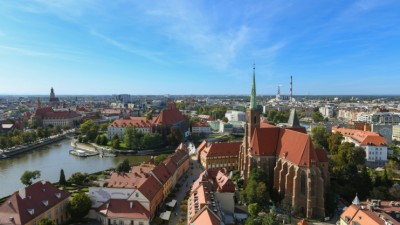
Wrocław
Riverside calm, cultural depth, and a thoughtful city break.
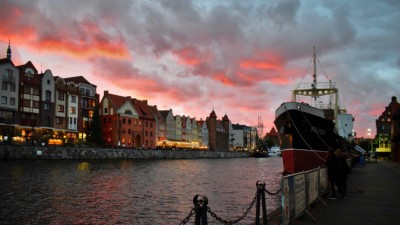
Gdańsk
Where maritime heritage meets modern rights awareness
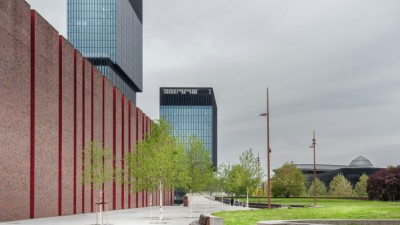
Katowice
Discover a city where heritage, culture, and openness meet.
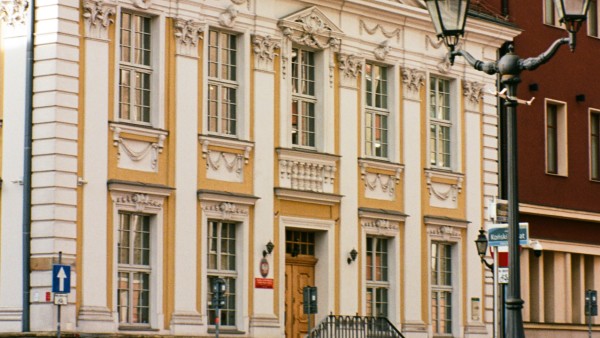
Szczecin
Discover a riverside city where history, architecture, and everyday urban life meet the Baltic edge.
Lublin
History, resilience, and a thoughtful city break beyond the obvious routes.
Białystok
Where green landscapes, history, and open-minded curiosity meet.
Bydgoszcz
Discover a green, musical city where history flows along the water
Radom
A slower-paced city break with room for thoughtful solo exploration.
Gdynia
Where the waterfront meets the wider struggle for equality.
Zielona Góra
A compact city where festivals and local culture shape the visit.