About Mumbai
As the capital of Maharashtra and India’s financial capital, the city is a dense, fast-moving metropolis on the west coast, and it is also a place where the country’s LGBTQ+ story has visible urban expression, especially through activism, community spaces, and annual Pride visibility.For LGBTQ+ travelers, Mumbai matters because India’s legal landscape has changed significantly in recent years: same-sex intimacy is no longer criminalized, though broader equality protections and marriage rights remain limited.
In a city this large and internationally connected, that legal progress is reflected in a more visible LGBTQ+ community than many visitors may expect, alongside the usual realities of navigating social conservatism in parts of India.One of the most recognisable annual moments for the community is Mumbai Pride, also known as the Mumbai Queer Pride March, which has become a key event in the city’s LGBTQ+ calendar.
For visitors, it offers one of the clearest windows into local advocacy, solidarity, and celebration.
Beyond the march itself, Mumbai’s significance lies in being a major urban centre where queer life, work, art, and activism intersect.As a digital nomad, I also find Mumbai relevant for very practical reasons: it is a major commercial hub, with a huge urban network and the kind of infrastructure that supports work on the move.
That makes it a destination where I can balance travel with remote work while still exploring a city that is central to India’s cultural and economic life.For a first look, I would treat Mumbai as both a gateway and a reality check: energetic, complex, and important to understand on its own terms.
If you want to follow the city through a broader travel lens, start with its public faces—its coastline, its bustle, and its large-scale urban rhythm—while keeping an eye on the community spaces and events that show how LGBTQ+ life is present here.
Our Review
I write about Mumbai as one of India’s most dynamic and practical bases for a traveler who needs both mobility and connectivity.
As the capital of Maharashtra and India’s financial capital, the city is a dense, fast-moving metropolis on the west coast, and it is also a place where the country’s LGBTQ+ story has visible urban expression, especially through activism, community spaces, and annual Pride visibility.
For LGBTQ+ travelers, Mumbai matters because India’s legal landscape has changed significantly in recent years: same-sex intimacy is no longer criminalized, though broader equality protections and marriage rights remain limited.
In a city this large and internationally connected, that legal progress is reflected in a more visible LGBTQ+ community than many visitors may expect, alongside the usual realities of navigating social conservatism in parts of India.
One of the most recognisable annual moments for the community is Mumbai Pride, also known as the Mumbai Queer Pride March, which has become a key event in the city’s LGBTQ+ calendar.
For visitors, it offers one of the clearest windows into local advocacy, solidarity, and celebration.
Beyond the march itself, Mumbai’s significance lies in being a major urban centre where queer life, work, art, and activism intersect.
As a digital nomad, I also find Mumbai relevant for very practical reasons: it is a major commercial hub, with a huge urban network and the kind of infrastructure that supports work on the move.
That makes it a destination where I can balance travel with remote work while still exploring a city that is central to India’s cultural and economic life.
For a first look, I would treat Mumbai as both a gateway and a reality check: energetic, complex, and important to understand on its own terms.
If you want to follow the city through a broader travel lens, start with its public faces—its coastline, its bustle, and its large-scale urban rhythm—while keeping an eye on the community spaces and events that show how LGBTQ+ life is present here.
Social Acceptance and Safety in Mumbai
When I travel to Mumbai, I read the city as one of India’s more visible and cosmopolitan urban centers, but I also keep my expectations grounded: this is still a place where LGBTQ+ people can face legal and social challenges, even as rights and visibility have expanded in recent years.
India no longer criminalizes same-sex intimacy, but same-sex marriage and several other forms of legal recognition are still not available.
In practical terms, that means Mumbai can feel more open than many other places, yet discretion and situational awareness still matter.
In day-to-day life, I find Mumbai’s general attitude toward LGBTQ+ people shaped by its size, diversity, and fast-moving urban culture.
In central business districts, tourist areas, and neighborhoods that are used to international visitors, the atmosphere tends to be more relaxed and cosmopolitan.
Public displays of affection are not especially common in India overall, and I treat that as a useful baseline: even in a city that is comparatively LGBTQ+-visible, I keep public affection modest unless I have a clear sense that the setting is welcoming.
For safety, I plan Mumbai the way I would any large, densely populated city.
The biggest practical concerns are usually the ordinary urban ones: crowded trains, busy streets, late-night transport, and the possibility of unwanted attention in unfamiliar areas.
I prefer trusted ride-hailing or pre-arranged transport after dark, keep my phone charged, and avoid wandering alone late at night in places I do not know well.
If I am meeting people through queer social circles, I choose public venues first and let someone I trust know where I am going.
As a digital nomad, I also pay attention to how a neighborhood feels during the day versus at night.
Central and well-trafficked parts of Mumbai are usually the easiest places to settle into if I want cafés, coworking access, and a generally international environment.
By contrast, I would be more cautious in areas where I feel isolated, where nightlife is sparse, or where I am visibly standing out as a visitor.
I do not rely on broad assumptions about any district being uniformly safe or unsafe; instead, I observe the immediate surroundings, the time of day, and how public the area feels.
On the question of LGBTQ+-friendly neighborhoods, I would avoid overclaiming.
Mumbai is large and socially varied, and I have not seen a reliable, citywide official map of gayborhood-style districts.
What I can say with confidence is that the city’s more cosmopolitan, high-footfall, and internationally oriented areas are generally the easiest for LGBTQ+ travelers to navigate with a lower profile and greater freedom of movement.
In a city like Mumbai, friendliness is often less about a single neighborhood and more about the specific venue, the time, and the company you keep.
If I were advising another LGBTQ+ traveler, my short version would be this: Mumbai is a city where you can feel the benefits of India’s growing urban openness, but you should still travel with common-sense caution.
Stay alert in crowds, choose your transport carefully, keep personal boundaries clear, and look for settings that are busy, central, and clearly used to a diverse crowd.
That approach lets me enjoy the city’s energy without assuming that openness is uniform everywhere.
Events and Nightlife in Mumbai, India
When I look at Mumbai through an LGBTQ+ lens, what stands out most is that the city’s queer life is visible, active, and deeply tied to its scale as India’s financial capital and most populous city.
Mumbai does not have a single, officially recognized LGBTQ+ district, so the social scene is spread across the city rather than concentrated in one neighborhood.
For me, that makes the city feel more like a network of places, events, and communities than one fixed nightlife strip.
Annual LGBTQ+ events
The most important annual event I would highlight is Mumbai Pride, also known as the Mumbai Queer Pride March.
This is the city’s best-known LGBTQ+ public event and a central part of the local queer calendar.
It is both a march and a public celebration, bringing together community members, allies, and visitors in a visible display of support and pride.
If I were planning a trip around queer culture in Mumbai, I would keep an eye on Pride season first, because that is when the city’s LGBTQ+ presence is most publicly expressed.
Beyond Pride, Mumbai’s queer scene is also shaped by activism, community gatherings, and cultural visibility in a large metropolitan setting.
The city’s size and diversity mean events can vary from year to year, so I would check current local listings and community announcements before traveling.
That is especially important in a city as dynamic as Mumbai, where the best events are often those tied to the moment rather than to a permanent venue.
LGBTQ+ nightlife in Mumbai
For nightlife, I would describe Mumbai as selective rather than obvious.
The city has a reputation for being relatively cosmopolitan, and its larger, more central districts tend to offer the broadest range of social venues.
That said, I would not approach Mumbai expecting a clearly marked gay neighborhood full of dedicated queer bars on every block.
Instead, the nightlife works through a mix of inclusive venues, private gatherings, and events that attract mixed but generally open-minded crowds.
For LGBTQ+ travelers and digital nomads, this means choosing places where the atmosphere feels comfortable and well connected.
In a city like Mumbai, I would prioritize central, busy areas that are easy to reach by ride-hailing or taxi, especially at night.
The practical advantage is that these areas usually have more cafes, restaurants, and late-opening venues, which makes it easier to transition from work to social life without crossing the city for every plan.
Because nightlife can change quickly, I would avoid naming a fixed list of clubs or bars unless I had current, verified confirmation that they are operating and consistently LGBTQ+-friendly.
What I can say with confidence is that Mumbai’s social life is strongest in its cosmopolitan zones, and that many LGBTQ+ visitors build their nights around community events, mixed social venues, and word-of-mouth recommendations rather than relying on one famous queer strip.
How I would approach going out
If I were spending time in Mumbai as an LGBTQ+ traveler, I would plan evenings with a few practical priorities in mind:
- Stay central: I would choose areas with strong transport links and active streets rather than isolated spots.
- Check event listings in advance: Pride, parties, screenings, and community gatherings can shift by date and venue.
- Go first to public, busy places: For meeting people, I would start with cafes, restaurants, or event venues before deciding on later-night plans.
- Use reliable transport: Mumbai traffic is heavy, and late-night movement is easier if I plan it ahead of time.
That approach fits the reality of Mumbai: it is energetic, dense, and highly urban, but not structured around one single queer nightlife district.
The city’s strength is its mix of scale, visibility, and social diversity.
Best-known LGBTQ+ friendly anchor point
If I had to name one event that best represents LGBTQ+ life in Mumbai, it would be Mumbai Pride / the Mumbai Queer Pride March.
It is the clearest, most verified public expression of queer community in the city, and it gives visitors a genuine way to engage with Mumbai’s LGBTQ+ culture beyond the usual tourist circuit.
For official or general city context, I also refer to Mumbai and the broader legal backdrop in LGBTQ rights in India.
Cultural and Social Activities
When I explore Mumbai through an LGBTQ+ lens, I find a city where culture is less about a single queer district and more about moving through a vast, layered metropolis with confidence.
Mumbai is India’s financial capital and one of its most cosmopolitan cities, so the easiest way to experience its social and cultural life is to stay central, use reliable transport, and look for spaces that are public, well-known, and easy to reach.
For cultural outings, I start with the city’s major institutions. Mumbai has a strong museum and arts scene, and while these venues are not LGBTQ+-specific, they are part of the city’s broader, generally open urban culture.
A day around the city’s museums, galleries, and performing arts spaces is a good way to understand Mumbai beyond nightlife.
The city’s scale means I can move from one cultural district to another without needing to commit to one neighborhood alone, which is useful for any traveler balancing work and exploration.
Theater and live performance are especially worthwhile here. Mumbai is India’s leading city for film, stage, and performance culture, and that creates a lively environment for queer visitors who want to experience contemporary urban India.
I look for mainstream theaters, performance venues, and festival programming rather than expecting a separate LGBTQ+ cultural circuit.
In a city this large, queer-friendly experiences are often found inside broader cultural institutions rather than in one clearly labeled space.
For LGBTQ+ history, Mumbai matters nationally. India’s legal environment has changed significantly in the 21st century, but LGBTQ+ people still face social and legal challenges, and visibility in major cities like Mumbai has been part of that larger change.
The city is widely associated with queer activism, public discussion, and Pride visibility.
The annual Mumbai Queer Pride March is the most visible public expression of that community presence, and if my timing is right, I would prioritize attending or at least observing the atmosphere around Pride-related events.
Heritage walks are one of my favorite ways to read the city. Mumbai’s history is embedded in its architecture and older urban districts, and guided heritage walks help connect the city’s colonial-era and commercial past with its present identity.
The city’s historic core is especially useful for travelers who want to understand how Mumbai became such a dense, mixed, outward-looking metropolis.
For me, this kind of walking experience is also practical: it gives structure to a day without requiring me to rely on nightlife or a single social scene.
There are also larger cultural events that bring performance into public view. One example is the Elephanta Festival, organized by Maharashtra Tourism, which has featured classical music, dance, and traditional performances associated with the region.
While not LGBTQ+-specific, festivals like this show how Mumbai’s cultural calendar works: public, layered, and often welcoming to a wide audience.
For a queer traveler, this matters because it offers socially rich spaces that do not depend on finding a niche venue.
When it comes to specifically LGBTQ+ landmarks, I need to be careful. Based on verified information, Mumbai does not have a single officially designated queer heritage trail or one universally recognized LGBTQ+ district.
Instead, queer life in the city is distributed across community events, activist spaces, Pride gatherings, and inclusive cultural venues.
That means my best approach is to follow current event listings, use community recommendations, and pay attention to where queer visibility is already happening in public.
As for notable LGBTQ+ figures in the city, the most responsible summary is that Mumbai has been central to India’s queer activism and visibility, but individual names should be checked carefully against current verified sources. I would avoid guessing at local influencers or claiming a specific cultural figure is Mumbai-based unless I can verify it.
What is clear is that the city’s size and media presence have made it an important platform for LGBTQ+ voices in India.
For me, Mumbai’s strength is that it offers a real urban mix: museums, heritage walks, theater, festivals, and Pride-related visibility all in one city that is large enough to accommodate different kinds of travelers.
If I am working remotely here, I can pair a morning in a café or coworking space with an afternoon at a museum or gallery, then end the day in a public, central cultural area where the city feels energetic and accessible.
Accommodation
When I look at Mumbai through an LGBTQ+ travel lens, I see a city that is vast, practical, and very much shaped by its scale.
As India’s financial capital and one of its most populous cities, Mumbai has the kind of infrastructure that matters to me as a digital-nomad journalist: a wide range of accommodation choices, strong transport links, and plenty of centrally located areas where I can base myself for both work and exploring the city.
That said, I would not describe Mumbai as having one clearly defined LGBTQ+ hotel district.
In India, same-sex intimacy is no longer criminalized, but broader equality protections are still limited, and legal and social experiences can vary from place to place.
In practice, that means I look for accommodation in busy, well-connected neighborhoods, choose established properties, and confirm policies directly before I book.
What I look for in LGBTQ+-friendly accommodation
In Mumbai, the most reliable approach is to focus on professional hospitality rather than labels.
I prioritize hotels, serviced apartments, and reputable guesthouses that are used to international guests and have clear booking and check-in procedures.
A property does not need to market itself specifically as LGBTQ+ friendly to feel comfortable; what matters is whether staff are discreet, respectful, and used to diverse travelers.
Before I book, I usually check for:
- Clear policies on double occupancy and couple check-ins.
- Recent guest reviews that mention professionalism and discretion.
- Centrally located neighborhoods with good transport access.
- Reliable Wi-Fi and a workspace, which are important for remote work.
- 24-hour reception or predictable front-desk support, which helps when I arrive late.
If I am staying longer, I look for serviced apartments or aparthotels in central areas, since they usually offer more privacy and space for working.
In a city as large and traffic-heavy as Mumbai, being able to work comfortably from my room can make a big difference.
How I choose inclusive places to stay
My safest rule is simple: I book where the city feels open, busy, and easy to navigate.
Mumbai is a cosmopolitan metropolis, and that usually means I have the best experience in areas with strong business, retail, and hospitality traffic.
I avoid relying on assumptions about a whole neighborhood being universally welcoming, because inclusivity often depends on the specific property, the staff, and the setting.
When I am comparing options, I pay attention to the following:
- How the property presents itself online — neutral, professional language is often a good sign.
- Whether the hotel is part of a recognized chain or a well-reviewed independent property.
- Whether the location is central and well connected by road or rail.
- Whether the area is active at night, which tends to make me feel more comfortable arriving late.
If I have any doubts, I contact the property in advance and keep my question straightforward: I ask whether they are comfortable with two adult guests sharing one room.
That direct, practical approach is usually the least awkward and most effective.
Areas in Mumbai that work well for LGBTQ+ travelers
Because Mumbai does not function around one single LGBTQ+ district, I tend to think in terms of practical neighborhoods.
For me, the best bases are the central and well-connected parts of the city, especially the areas that support business travel, sightseeing, and easy movement around town.
In general, I find that the most useful areas are those with:
- Good transport access, especially near major rail or road connections.
- Hotels, cafés, and coworking options that make it easier to work remotely.
- Tourist and business activity, which usually creates a more international atmosphere.
Mumbai’s major neighborhoods such as South Mumbai, the western suburbs around Bandra and Juhu, and other well-known business and hospitality zones are often practical choices for travelers.
These are not LGBTQ+ districts in a formal sense, but they are the kinds of areas where I would expect better infrastructure, more regular hotel standards, and easier day-to-day movement.
I would still treat every booking individually.
A busy area can feel comfortable, but the exact building, street, and staff matter just as much as the neighborhood name.
My accommodation tips for a smoother stay
For LGBTQ+ travelers in Mumbai, my advice is to keep accommodation planning simple and sensible:
- Book central if you can; long cross-city journeys are tiring in Mumbai traffic.
- Choose reliable transport links so late returns are easier.
- Prioritize Wi-Fi and desk space if you are working remotely.
- Check recent reviews for signs of professionalism and discretion.
- Use direct communication with the property if you want to confirm couple-friendly policies.
I also prefer to keep my first night in a city like Mumbai especially straightforward: an established hotel, an easy airport or station transfer, and a neighborhood that lets me settle in without unnecessary friction.
That approach gives me the flexibility to explore more confidently the next day.
Bottom line
From my perspective, the best LGBTQ+-friendly accommodation strategy in Mumbai is not about hunting for a single queer hotel scene.
It is about choosing well-run, centrally located, professionally managed places in neighborhoods that make the city easier to navigate.
Mumbai rewards that kind of practical planning: I get access to strong transport, reliable hospitality, and the kind of urban energy that suits both work and travel.
For me as a digital nomad, that makes Mumbai a city where comfort is often found in the basics — good location, good service, and a room that lets me work and rest with confidence.
Dining and Entertainment
When I explore Mumbai through an LGBTQ+ lens, I think less about a single “gay district” and more about the city’s broader cosmopolitan energy.
Mumbai is India’s financial capital and one of its most densely layered cities, so the dining and entertainment scene is naturally spread across neighborhoods rather than concentrated in one obvious queer enclave.
That means my best strategy is to look for welcoming, central, well-reviewed places in busy parts of the city, and to approach the city’s cultural calendar as a whole.
For LGBTQ+ travelers, the practical reality in India is important to keep in mind: same-sex intimacy is no longer criminalized, but wider equality protections such as same-sex marriage are not yet in place.
In a city as large and diverse as Mumbai, this translates into a fairly nuanced social landscape.
I generally find that polished, established restaurants, cafes, and hotels in central areas tend to be the safest bet for a relaxed meal or a low-key evening out, especially if I’m working remotely and want reliable Wi-Fi, predictable service, and a professional atmosphere.
Because I travel and work on the road, I pay close attention to cafes and eateries that make it easy to settle in for a few hours with a laptop.
Mumbai’s central business and mixed-use districts are the places I’d start looking, since they usually offer the best combination of transport access, dependable internet, and a more internationally oriented service style.
I always favor places that feel busy and established, especially when I’m alone or arriving after a day of exploring.
Dining out in Mumbai is most comfortable, in my experience, when I focus on the city’s mainstream hospitality scene rather than searching for a separate LGBTQ+-branded restaurant map.
That doesn’t mean queer travelers are invisible here; it simply reflects the fact that Mumbai’s inclusive spaces are often integrated into the city’s wider social fabric.
I look for venues where staff are used to serving a broad mix of local and international guests, and where the atmosphere feels relaxed, public, and professional.
For entertainment, Mumbai is one of India’s strongest cities for film, theater, and live performance.
The city is a major center for Indian cinema, and a night at the movies is one of the easiest ways to enjoy Mumbai’s entertainment culture in a low-pressure setting.
I also like using theater and live performance as a way to understand the city beyond nightlife, since Mumbai has long had a rich stage and performance tradition.
These are not LGBTQ+-exclusive spaces, but they can be very welcoming when I choose reputable, central venues.
Live performances, including concerts, stage productions, and cultural shows, are especially useful for travelers like me who want entertainment that feels social but not necessarily nightlife-driven.
I find that these settings can be a good fit for LGBTQ+ visitors because they are public, structured, and open to a wide audience.
They also work well for solo travelers and remote workers who want an evening out without the intensity of bar-hopping.
Another event that stands out in Mumbai’s cultural calendar is the Mumbai Pride or Mumbai Queer Pride March, which is the city’s most visible annual LGBTQ+ event.
If my timing lines up, I see Pride as the best moment to experience the city’s queer community and its public presence.
It is both a celebration and an important civic expression, and it gives visitors a clearer sense of where Mumbai’s LGBTQ+ life is most visible.
I also think it’s worth remembering that Mumbai’s strength lies in its breadth.
The city offers heritage attractions, performing arts, films, and restaurant culture on a scale that makes it easy to build a full day around meals and entertainment without ever needing to rely on a single scene.
For LGBTQ+ travelers, that is a real advantage: I can dine in a central neighborhood, catch a film or stage show, and still feel connected to the city’s larger cultural rhythm.
My practical advice is simple.
I choose established venues, stay in central areas with good transport, and prefer settings that are busy, public, and clearly professional.
That approach works especially well in Mumbai, where the most welcoming experiences are often found in the city’s mainstream hospitality and cultural institutions rather than in a separate, labeled queer district.
Travel Tips
When I travel to Mumbai, I treat the city as both a major business hub and a deeply layered social landscape.
For LGBTQ+ travelers, that means the best experience usually comes from combining common-sense city smarts with a light touch around local norms.
Mumbai is India’s financial capital and one of its largest, most cosmopolitan cities, but it is still part of a country where LGBTQ+ rights have improved unevenly: same-sex intimacy is no longer criminalized, while same-sex marriage and broader legal recognition are still not available.
My first rule in Mumbai is simple: I keep my public behavior modest and read the room.
In a city this large, attitudes vary widely by neighborhood, venue, and crowd.
I do not assume that every public space will be comfortable for open displays of affection, so I stay discreet unless I’m in a clearly queer-friendly or private setting.
That approach is not about fear; it is about fitting into the local rhythm and avoiding unnecessary attention.
For day-to-day safety, I prefer central, busy parts of the city, especially if I’m balancing sightseeing with remote work.
Mumbai is dense, active, and transport-heavy, so I plan my movements carefully.
I avoid isolated streets late at night, and I use reputable transportation rather than improvising on the spot after dark.
Because Mumbai is a major metropolis, traffic can be intense and journeys can take longer than expected, so I build in extra time for meetings, dinners, and returns to my accommodation.
As a digital nomad, I also pay attention to connectivity and the working environment.
I look for places with reliable Wi-Fi, stable power, and easy access to cafés or coworking spaces.
Central neighborhoods are usually the most practical because they make it easier to move between work, culture, and transport without spending too much time in transit.
For longer stays, I favor professionally managed accommodation where check-in is straightforward and staff are used to a broad mix of guests.
When I want to connect with the local LGBTQ+ community, I start with public, high-visibility moments rather than trying to force a scene map that doesn’t really exist.
Mumbai does not have one officially defined LGBTQ+ district, so community life is more distributed across the city.
The clearest public expression of queer visibility is Mumbai Pride, also known as the Mumbai Queer Pride March.
If my trip overlaps with it, I treat it as the best way to see local community energy, meet people, and understand how activism and celebration come together in the city.
I also keep expectations realistic when meeting new people.
I prefer to start in public places and to let trust build naturally.
In a city as large as Mumbai, community connections often come through events, mutual contacts, and word of mouth rather than through one fixed “gay neighborhood.” That can actually be a strength: it means the scene is connected to the wider city rather than tucked away from it.
My practical do’s and don’ts in Mumbai are straightforward.
I do stay aware of my surroundings, choose busy and reputable venues, and keep copies of essential information for my accommodation and transport.
I do not assume that all spaces are equally open or that local customs around privacy and public behavior mirror those of more overtly queer-marketed destinations.
I also avoid oversharing personal safety details with strangers until I know the setting well.
For me, the most useful mindset is to think of Mumbai as a city where LGBTQ+ life exists within the broader urban fabric.
The city rewards travelers who are flexible, observant, and respectful.
If I move carefully, keep my plans practical, and connect through visible community moments like Pride, Mumbai becomes not just manageable, but genuinely rewarding.
Mumbai | LGBTQ rights in India | Wikivoyage: Mumbai
As I wrap up my time in Mumbai, what stands out most is the city’s scale and its contradictions.
Mumbai is India’s financial capital, a vast coastal metropolis with a reputation for diversity and momentum, and that size matters for LGBTQ+ travelers.
It means there is more anonymity, more movement, and more room to find your own pace.
It also means the city does not offer one neat, centralized LGBTQ+ district or a single obvious scene.
Instead, queer life here is part of the broader urban fabric.
From a practical travel point of view, that is both a strength and a challenge.
India has made important legal progress for LGBTQ+ people, including the decriminalization of same-sex intimacy, but wider equality remains incomplete.
In everyday life, the experience can vary depending on the neighborhood, the venue, and the company you keep.
For me, that makes Mumbai a city to approach thoughtfully: stay observant, choose well-connected areas, and favor established places where the atmosphere feels comfortable and professional.
For LGBTQ+ travelers, especially those of us balancing work and movement as digital nomads, Mumbai rewards good planning.
I would prioritize central accommodation, reliable internet, and easy access to transport, because the city is large and getting around can take time.
I would also keep my expectations realistic: this is not a destination defined by one gay quarter, but by a dispersed network of experiences, from Pride-related visibility to the city’s wider cultural life.
My strongest recommendation is simple: come with curiosity and patience.
Explore Mumbai’s museums, theaters, heritage areas, and public spaces, and if your visit lines up with Mumbai Pride, make space for it.
That event is one of the clearest expressions of the city’s LGBTQ+ presence.
Beyond that, enjoy the city as it is: energetic, layered, and very much alive.
For LGBTQ+ travelers, Mumbai is not about perfection.
It is about possibility.
If you travel smart, keep to trusted areas, and let the city reveal itself gradually, you can have a rewarding stay in one of India’s most important and most cosmopolitan urban centers.
Other Guides in India
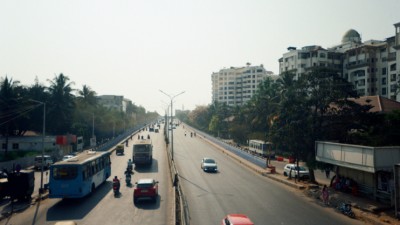
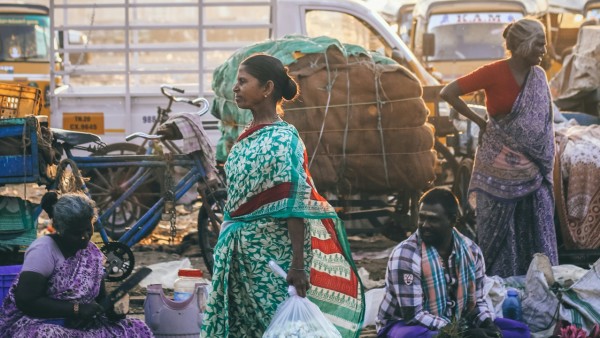
Chennai
Where coastal flavors meet evolving queer visibility
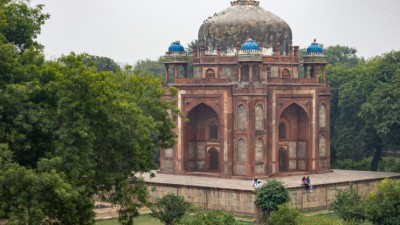
Delhi
A capital of contrasts, history, and modern travel convenience.
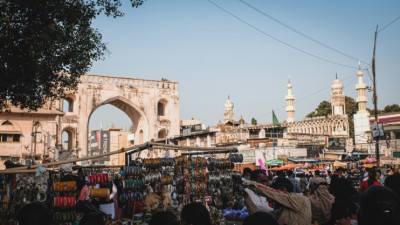
Hyderābād
A city of historic depth and contemporary activism.
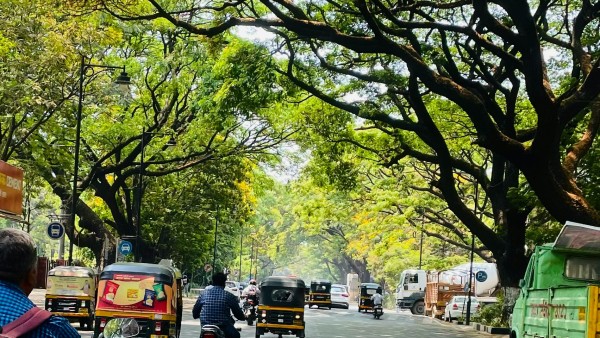
Pune
A lively urban stop where culture, students, and nightlife keep the city moving.
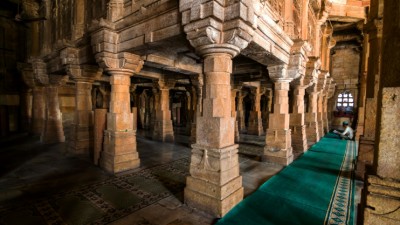
Ahmedabad
Discover a city where history, resilience, and community meet.
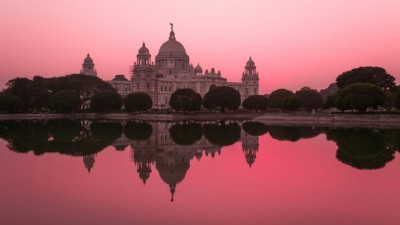
Kolkāta
History, art, and community shape every step