About Delhi
It is a major center of arts, commerce, education, tourism, and transit, which makes it a useful base for travelers who want both deep cultural experiences and the logistics that matter when working on the road.From an LGBTQ+ perspective, India’s legal landscape has changed significantly in the 21st century, and same-sex sexual activity is no longer criminalized.
At the same time, legal and social challenges still exist, so I treat Delhi like any large, fast-moving capital: I stay aware, choose my spaces carefully, and look for neighborhoods and venues that feel comfortable and respectful.For LGBTQ+ travelers, Delhi is important less because of a single landmark and more because of its role as a national hub.
It has been associated with major pride activity in the city, including Delhi Pride, and it remains a place where activism, community visibility, and travel infrastructure intersect.
I also find it practical for remote work, thanks to the city’s scale, transit links, and the concentration of business and hospitality services that support longer stays.In short, Delhi is a city where I can combine culture, history, and daily work routines while staying mindful of the local social context.
It is not a destination to approach casually, but it is a significant one for LGBTQ+ travelers who want a grounded, well-connected base in India.
Our Review
As I arrive in Delhi, I’m always struck by how much the city compresses into a single place: a vast union territory that includes New Delhi, India’s capital, and one of the country’s largest metropolitan areas.
It is a major center of arts, commerce, education, tourism, and transit, which makes it a useful base for travelers who want both deep cultural experiences and the logistics that matter when working on the road.
From an LGBTQ+ perspective, India’s legal landscape has changed significantly in the 21st century, and same-sex sexual activity is no longer criminalized.
At the same time, legal and social challenges still exist, so I treat Delhi like any large, fast-moving capital: I stay aware, choose my spaces carefully, and look for neighborhoods and venues that feel comfortable and respectful.
For LGBTQ+ travelers, Delhi is important less because of a single landmark and more because of its role as a national hub.
It has been associated with major pride activity in the city, including Delhi Pride, and it remains a place where activism, community visibility, and travel infrastructure intersect.
I also find it practical for remote work, thanks to the city’s scale, transit links, and the concentration of business and hospitality services that support longer stays.
In short, Delhi is a city where I can combine culture, history, and daily work routines while staying mindful of the local social context.
It is not a destination to approach casually, but it is a significant one for LGBTQ+ travelers who want a grounded, well-connected base in India.
Social acceptance and safety in Delhi, India
When I travel through Delhi, I find a city that feels both expansive and uneven: open in some settings, conservative in others.
That is an important reality for LGBTQ+ travelers.
Delhi is India’s capital region and one of the country’s largest metropolitan areas, so attitudes can vary a great deal depending on the neighborhood, the venue, the time of day, and the people around you.
As with much of India, legal progress has not yet translated into full social equality.
From a legal standpoint, India no longer criminalizes same-sex sexual activity, but LGBTQ+ people still face social and legal challenges.
Same-sex marriage and civil union are not currently recognized.
In practical terms, that means I treat Delhi as a place where discretion and situational awareness still matter, even in a major global capital.
General attitudes
In my experience, Delhi’s size is part of what makes it usable for LGBTQ+ travelers.
It is a major center of arts, commerce, education, tourism, and transit, and that usually means more anonymity and more varied social spaces than in smaller cities.
I would describe the city as having pockets of openness rather than uniform acceptance.
In some professional, academic, and cosmopolitan settings, LGBTQ+ visitors may feel more comfortable.
In more traditional or unfamiliar environments, public affection or overt self-expression can attract attention.
Because Delhi is such a large and diverse metropolitan area, I do not assume that every space will feel equally welcoming.
My approach is to observe the environment first, especially when I am moving between business districts, transit hubs, markets, residential neighborhoods, and nightlife areas.
Safety concerns and practical tips
For LGBTQ+ travelers, the main safety issue in Delhi is usually not a single citywide threat but the combination of social conservatism, inconsistent attitudes, and the ordinary risks that come with a huge capital city.
I would advise the same caution I use in any large urban destination, with a few extra LGBTQ+ considerations:
- Be selective about disclosure. I do not assume that every conversation is a safe space for personal details.
- Avoid drawing unnecessary attention in unfamiliar areas. Public displays of affection may be read conservatively in some settings.
- Use reputable transport and accommodation. For a digital-nomad stay, I prefer established hotels or well-reviewed short-stay apartments in central, well-connected districts.
- Keep emergency contacts and documents handy. A charged phone, offline maps, and identification are basic essentials.
- Trust the room and the venue. If a place feels tense or overly curious about your identity, I move on.
Delhi’s scale is an advantage for remote workers, but it can also be tiring.
Long commutes, crowded streets, and busy transit corridors can add stress, so I build in buffer time when I am heading to meetings, coworking spaces, or evening plans.
That reduces pressure and makes it easier to leave a situation if I need to.
Areas and neighborhoods
I want to be careful here: I cannot verify any neighborhood in Delhi as officially LGBTQ+ friendly, and I would not label any area as universally welcoming.
What I can say is that some parts of the city are generally more practical for LGBTQ+ travelers because they are central, busy, and well connected.
Those are often the areas where international hotels, business districts, and upscale commercial zones are concentrated.
For a stay focused on comfort and mobility, I would usually look first at central Delhi, New Delhi, and other well-trafficked, transit-connected parts of the city.
These areas tend to be more convenient for work, airport access, and city movement.
By contrast, in neighborhoods that are more residential, less tourist-oriented, or more socially conservative, I would be more cautious and keep a lower profile.
Rather than relying on stereotypes, I base my choices on the immediate environment: Is the hotel used to international guests? Is the street active and well lit? Is it easy to get a ride? Are the staff professional and discreet? Those questions matter more than trying to assign a whole district a label.
My bottom line
Delhi is not a destination where I would describe LGBTQ+ acceptance as uniform or guaranteed, but it is a city where a prepared traveler can move comfortably.
Its size, international character, and concentration of services make it workable for LGBTQ+ visitors and digital nomads alike.
I would come here informed, cautious, and selective about where I spend time—but not deterred.
For background on the city and India’s legal context, see Delhi and LGBTQ rights in India.
Events and Nightlife
Cultural and Social Activities in Delhi for LGBTQ+ Travelers
When I explore Delhi through an LGBTQ+ lens, I find a city that is culturally vast, politically important, and socially uneven.
Delhi is the National Capital Territory of India and includes New Delhi, the national capital.
It is also one of India’s biggest centres for arts, education, tourism, and transit, which makes it a practical base for a culturally minded digital nomad like me Delhi Delhi.
From an LGBTQ+ perspective, the key thing to understand is that India has decriminalized same-sex activity, but broader equality remains incomplete: same-sex marriage and civil unions are not legally recognized, and social acceptance still varies widely LGBTQ rights in India.
In Delhi, that means cultural outings can feel open and welcoming in some settings, while more public expressions of identity may still require judgment and discretion.
Museums and heritage spaces
For travelers interested in history and context, Delhi is one of the country’s most important museum and heritage cities.
Its major museums, galleries, and monuments are not LGBTQ+-specific, but they are part of the cultural landscape where I can spend a full day moving between exhibitions, cafés, and quieter spaces for work or reflection.
In a city with Delhi’s scale and diversity, I find museums especially useful because they offer low-pressure, daytime activities that are easy to combine with remote work schedules.
The city’s historic monuments and national institutions also matter because Delhi sits at the centre of India’s public life.
That includes spaces where contemporary identity, citizenship, and culture often overlap.
While these are not LGBTQ+-themed landmarks, they form the backdrop for public conversations about rights and representation in India’s capital region India Delhi.
Theatre, performance, and arts venues
Delhi’s arts scene is broad and established, and that makes it useful for LGBTQ+ travelers who prefer cultural activities over nightlife.
I would treat theatre performances, film screenings, gallery openings, and literary events as the most dependable ways to experience the city socially.
The advantage here is practical as well as cultural: these are settings where I can meet people in a structured environment, stay anonymous if I want to, and avoid the pressure of heavily nightlife-focused spaces.
Because Delhi is a major centre of arts and education, it offers more options than many Indian cities for people who want thoughtful, contemporary cultural programming Delhi.
That said, I would still recommend checking each venue’s current programming and atmosphere before going, since the city is large and experiences can vary significantly from one part of town to another.
LGBTQ+ social life and public events
Delhi’s most visible LGBTQ+ social activity is community-based rather than concentrated in a single neighborhood.
The city is known nationally for Delhi Queer Pride, which is a major annual event and an important moment of visibility for the local community.
For me, Pride is the clearest way to experience the city’s LGBTQ+ public life in a collective, celebratory setting.
Outside Pride, Delhi’s LGBTQ+ social scene tends to appear through mixed cultural events, private gatherings, and community-led programming rather than through a fixed entertainment district.
That reflects the broader reality of LGBTQ+ life in India: rights have advanced, but acceptance is uneven, so community spaces often remain more cautious and intentional than in cities with long-established queer quarters LGBTQ rights in India.
LGBTQ+-specific tours and landmarks
I do not rely on a single official LGBTQ+-specific sightseeing circuit in Delhi, because I could not verify one as a standard, established offering.
What I can say with confidence is that Delhi’s importance to LGBTQ+ travelers is tied more to its role as a national capital and to events like Delhi Queer Pride than to a set of dedicated queer landmarks.
For visitors who want a structured cultural experience, the most realistic approach is to pair general heritage touring with LGBTQ+-related public events when they are taking place.
In practical terms, this means I would build a Delhi itinerary around museums, monuments, galleries, and Pride-related programming rather than searching for a formally branded queer walking route.
That approach is more grounded in the city’s actual cultural geography and current public life.
Notable LGBTQ+ figures and influencers
For a city-level guide, I have to be careful not to overstate the presence of specific LGBTQ+ public figures based in Delhi unless their connection is clearly established.
The source material here confirms Delhi’s broader importance as a centre of activism and public life, but it does not support naming local influencers or “must-follow” personalities as city-specific facts.
So I would avoid guessing and instead focus on the city’s institutional and event-based visibility.
How I would experience Delhi as a queer digital nomad
If I were planning a cultural stay in Delhi, I would use the city’s strengths in arts, education, and transit to keep my days varied: museum visits in the morning, café work sessions in the afternoon, and cultural events or Pride-related gatherings when available.
Delhi’s size can be an advantage here because it offers enough depth to build a full itinerary without repeating the same area every day Delhi.
My practical advice is to choose central, well-connected parts of the city for easier access to cultural venues and to keep expectations realistic.
Delhi can be rewarding for LGBTQ+ travelers, but the most comfortable experiences usually come from thoughtful planning, selective venue choices, and attention to the local context LGBTQ rights in India.
Accommodation in Delhi, India: what I look for as an LGBTQ+ traveler
When I stay in Delhi, I think less in terms of a single “gay area” and more in terms of practicality: a well-located hotel, straightforward transport connections, reliable Wi‑Fi, and an environment where I can keep a low profile if I want to.
Delhi is one of India’s largest cities and part of the National Capital Territory, with New Delhi at its core, so the accommodation market is broad.
That scale is useful for me as a digital nomad, because it usually means more choice in central business districts, established hotel zones, and serviced-apartment options close to transport.
India has no legal restrictions on sex between men or between women, but LGBTQ+ people can still face social and legal challenges, and same-sex marriage or civil unions are not recognized.
In practical terms, that means I prefer places that are professional, internationally accustomed, and discreet rather than making assumptions about “queer branding” that may not be verifiable.
I also find that large, busy, mixed-use parts of the city are generally easier for short stays and work trips, especially if I need to move around for meetings or coworking.
What I look for in LGBTQ+ friendly accommodation
I start with clear policies and professional standards.
A good hotel in Delhi should have a straightforward online booking process, visible contact details, and a reputation for dealing with guests respectfully.
If I am booking an apartment or guesthouse, I check the host’s communication style carefully and look for consistent reviews that mention cleanliness, responsiveness, and smooth check-in.
For me, inclusivity is often reflected in service quality first: a property that treats all guests professionally is usually the safest choice when public attitudes can vary.
I also prioritize locations that are easy to reach from the airport and major transit routes, because Delhi is large and traffic can be intense.
A property near central New Delhi, Connaught Place, or other established commercial districts can make day-to-day travel easier.
These are not “LGBTQ+ districts” in any formal sense, but they are practical bases for travelers who want convenience, anonymity, and access to restaurants, offices, and transport.
How I identify inclusive options
I rely on verified indicators rather than assumptions.
That means reading recent guest reviews, checking whether the property is used by international travelers, and confirming the exact booking terms before I arrive.
If I am staying longer, I ask about internet speed, laundry, work space, and the surrounding area.
For LGBTQ+ travelers, I also recommend looking for places that are accustomed to hosting international guests, because those properties are often better prepared for different relationship configurations and more likely to handle requests professionally.
I avoid over-interpreting marketing language.
In Delhi, many accommodation providers do not use explicit LGBTQ+ signage, so absence of branding does not necessarily mean a place is unwelcoming.
What matters more to me is whether staff are professional, the booking process is clear, and the property is located in a sensible part of the city for my itinerary.
Areas and neighborhoods that work well
For accommodation, I generally focus on central and well-connected parts of Delhi rather than trying to find a specific queer enclave.
New Delhi and central Delhi are the most practical bases because they are part of the city’s core and are close to government, business, and transport infrastructure.
Connaught Place is especially useful as a central reference point for hotels, dining, and onward travel.
For me, that kind of location is valuable because it keeps commuting manageable and gives me access to established services if I am working remotely.
As a traveler, I also find that areas with a high concentration of business hotels, international chains, and serviced apartments tend to be the easiest places to stay.
Those neighborhoods are not inherently “LGBTQ+ neighborhoods,” but they are often the most comfortable choice for visitors who want predictability, mobility, and discretion.
If I am planning to work from Delhi for several days, I prefer these kinds of locations because they usually offer better internet, more reliable housekeeping, and easier access to cafés and coworking spaces.
Practical booking tips I would follow myself
- Choose a central location with strong transport connections, especially if I will be moving around the city for work.
- Check recent reviews for professionalism, security, and Wi‑Fi quality.
- Prefer properties accustomed to hosting international guests, as they are often more flexible and discreet.
- Confirm house rules and identification requirements before arrival.
- If I want extra privacy, I look for larger hotels or serviced apartments rather than small, locally managed properties.
My bottom line
Delhi does not have a clearly documented, citywide network of LGBTQ+-specific accommodations, so I approach it as I would many large capitals: by choosing a well-located, professionally run property in a central district.
For me, that is the safest and most efficient way to stay in the city.
Delhi’s size and status as India’s capital mean there are plenty of accommodation options, and with careful selection, I can usually find a base that works for both business and travel.
For background on the city and its legal context, I refer to Delhi, Wikivoyage’s Delhi guide, and LGBTQ rights in India.
Dining and Entertainment
When I look for dining and entertainment in Delhi as an LGBTQ+ traveler, I keep my expectations practical.
Delhi is one of India’s largest cities and a major centre for arts, commerce, education, tourism, and transit, which means the city offers depth and choice.
It also means there is no single, clearly defined LGBTQ+ district that I can point to as the default place for queer dining or nightlife.
Instead, I rely on a mix of central locations, well-reviewed venues, and settings where I can feel comfortable working, meeting friends, or spending an unhurried evening.
From an LGBTQ+ perspective, Delhi sits within India’s broader legal and social reality: same-sex sexual activity is not criminalized, but LGBTQ+ people still face legal and social challenges, and same-sex marriage and civil unions are not currently recognized.
In practice, that means I favor public spaces that feel polished, professional, and inclusive in tone, rather than venues that are marketed specifically to a queer clientele.
I also choose places that are easy to reach from central Delhi or New Delhi, because that is simply the most efficient way to move around this megacity.
Dining: where I feel comfortable
Delhi’s strength is variety.
As a large capital city with major international traffic, it has a wide range of restaurants, cafés, and informal eateries that cater to local diners, business travelers, students, and visitors like me who need both good food and dependable Wi-Fi.
I look for places in central, busy areas where service is used to a mixed crowd and where I can sit for a while without feeling out of place.
For a digital nomad, that matters just as much as the menu.
Because I do not see verified sources naming a dedicated set of LGBTQ+-branded restaurants in Delhi, I avoid assuming that any particular dining venue is queer-specific.
Instead, I recommend choosing restaurants and cafés in established commercial areas, especially around New Delhi and central Delhi, where the city’s transport links, hotels, and offices make the atmosphere more cosmopolitan and convenient.
In a city of this scale, that is usually the safest and most practical approach.
For me, the best dining choices are the ones that combine three things: a clear reputation for good service, a relaxed and professional atmosphere, and enough space to work or linger.
If I am planning an evening out, I prefer restaurants that are easy to book, easy to find, and easy to leave after dark.
That is not just a comfort issue; it is also a sensible way to navigate a city where social attitudes can vary widely from one setting to another.
Cafés and casual eateries
Cafés are often the easiest places for me to settle into Delhi.
The city’s role as a centre of education, tourism, and business means there is a broad café culture serving students, professionals, and travelers.
When I am working remotely, I want a place where I can spend a few hours with reliable internet, a manageable noise level, and staff who are accustomed to a steady flow of customers.
I also prefer venues where blending in is effortless, because that makes the experience less self-conscious.
Casual eateries are equally useful when I want a low-key meal before a theatre performance, a cinema screening, or an evening walk.
Delhi’s size means a restaurant can be less about destination dining and more about location strategy.
I tend to choose places near the areas I am already using for accommodation, transport, or work, so I do not spend unnecessary time crossing the city.
Entertainment: cinema, theater, and live performance
Delhi’s arts and culture scene is one of its biggest strengths, and I think that is especially relevant for LGBTQ+ travelers who prefer daytime or early-evening cultural outings over nightlife.
The city is widely recognized as a major centre of arts, and that shows in its theatres, cinemas, galleries, and performance spaces.
For me, this is where Delhi feels most rewarding: there is always something to watch, hear, or explore.
Cinemas are an easy option when I want a straightforward evening activity in a busy, public setting.
The city’s scale means there are multiple options across its commercial districts, and I look for venues that are centrally located and well connected.
The same applies to theaters and live performance spaces.
I am drawn to places with a diverse audience, because that usually makes the environment feel more open and less scrutinizing.
Delhi’s cultural venues can be a good fit for that, especially when I want a social outing that does not depend on nightlife.
Live performances also suit the rhythm of a remote-work trip.
I can spend the day working, then go out in the evening without needing to plan an entire night around transport or late returns.
In a city as large and transit-heavy as Delhi, that practical balance matters.
I am always more comfortable when an event is in a central area and does not require complicated late-night travel.
Inclusive and welcoming venues
Because I am careful not to overstate what cannot be verified, I do not label Delhi as having a universally LGBTQ+-friendly dining or entertainment scene.
What I can say is that the city’s central, international, and professional venues are often the most useful choices for queer travelers who want discretion and normalcy.
That includes upscale restaurants, established cafés, hotels with public dining spaces, cinemas, and performance venues that attract a broad cross-section of Delhi residents and visitors.
When I am choosing where to go, I look for the kind of venue that feels welcoming by behavior rather than branding: staff who are professional, service that is matter-of-fact, and a crowd that is diverse enough that no one stands out for the wrong reasons.
In Delhi, that approach is more realistic than searching for a single “safe” or explicitly queer district.
My practical takeaway
If I were mapping out a food-and-entertainment day in Delhi as an LGBTQ+ traveler and digital nomad, I would keep it simple: start with a café or restaurant in a central part of the city, work or relax there for a few hours, and then choose a cinema, theatre, or live performance venue nearby for the evening.
That approach fits Delhi’s structure, makes use of its strong arts and transit network, and keeps the experience grounded in practical, well-connected places.
For official background on the city and India’s LGBTQ+ legal context, I would refer to Delhi and LGBTQ rights in India.
Travel Tips
When I plan time in Delhi as an LGBTQ+ traveler, I treat the city like a big, fast-moving capital where comfort, discretion, and logistics matter just as much as sightseeing.
Delhi is the National Capital Territory of India and one of the country’s largest metropolitan areas, with New Delhi at its core.
It is also a major center for transit, commerce, education, and tourism, which makes it a practical base for a remote-working trip if I choose my neighborhood and accommodation carefully.
India’s legal picture is important to understand before arrival.
Same-sex sexual activity is no longer criminalized, but India does not currently recognize same-sex marriage, civil unions, or related partner rights.
I keep that in mind when I decide how open I want to be in public.
In Delhi, I do not assume that every hotel, café, or neighborhood will feel equally comfortable, so I travel with the same common-sense caution I would use in any large global capital with uneven social attitudes.
My practical do’s and don’ts
Do choose well-reviewed accommodation in central, busy parts of the city, especially if you are arriving late or working long hours.
Delhi is sprawling, and traffic can be intense, so staying in a location with good transport links saves time and stress.
For me, that usually means prioritizing convenience over chasing a “scene.”
Do use reputable transport options and plan extra time between meetings, work sessions, and evening plans.
In a city this large, getting from one point to another can take much longer than it looks on a map.
That matters if I need to be online for work, or if I want to return to my hotel after dark without feeling rushed.
Do keep your public behavior measured until you understand the environment you are in.
Delhi contains a wide mix of settings, from highly cosmopolitan districts to more conservative spaces.
I find that discretion is usually the safest and most comfortable approach, especially outside clearly international or professional venues.
Don’t assume that legal progress automatically translates into everyday social acceptance.
The law has moved forward, but LGBTQ+ people in India still face social challenges, and that reality can vary sharply by setting.
I avoid making assumptions based on a venue’s location alone.
Don’t rely on vague “inclusive” marketing without checking recent reviews and the overall tone of the place.
In Delhi, I look for professionalism, predictable service, and a mixed crowd.
Those are often better signs of comfort than rainbow branding.
Local customs and social awareness
Delhi is a large, layered city, and that means social cues can change quickly from one area to another.
In my experience as a traveler and remote worker, it helps to be attentive rather than overly casual.
I dress in a way that feels comfortable but not attention-grabbing, especially when moving through busy streets, markets, or transport hubs.
If I am meeting someone new, I usually prefer public, established venues where the setting feels normal and low-pressure.
For LGBTQ+ travelers, this is less about fear and more about practical judgment.
Delhi offers enough anonymity to blend in, which can be an advantage.
At the same time, that same scale means there is no single neighborhood that I would describe as universally safe or uniformly queer-friendly.
I approach the city by choosing specific places carefully rather than by assuming an entire district will match my needs.
Travel safety and comfort
My safety routine in Delhi is straightforward: I book accommodation with strong reviews, keep my phone charged, save addresses in advance, and avoid unnecessary last-minute transit decisions after a long workday.
Since Delhi is such a major transit hub, it is easy to overestimate how quickly I can move around the city.
I build in buffer time so that I am never forced to make rushed choices at night.
If I am working remotely, I also think about internet reliability, daytime access to cafés or work-friendly public spaces, and the practicality of returning to my base before peak traffic or late hours.
A centrally located hotel or serviced apartment usually works best for me because it reduces friction and gives me a dependable home base.
As in any large city, I trust my instincts.
If a venue feels uncomfortable, I leave.
If a conversation turns intrusive, I keep it brief.
If I am unsure about a route or a neighborhood, I use a more straightforward option rather than testing my luck.
That approach is especially useful in Delhi, where the city’s size and pace can add to the mental load of travel.
How I connect with the local LGBTQ+ community
The most reliable way I connect with the local LGBTQ+ community in Delhi is through public, established events and mixed cultural spaces rather than by searching for a single dedicated district.
Delhi is one of India’s major centers of arts and culture, so I look for community visibility in places where people already gather for film, literature, performance, and civic life.
The clearest annual public moment is Delhi Queer Pride, which is the city’s best-known LGBTQ+ Pride event.
If my visit overlaps with Pride, I treat it as the most meaningful opportunity to see community energy and participate respectfully.
Outside Pride season, I would focus on broad cultural venues and community-minded events rather than making assumptions about nightlife alone.
Because Delhi’s LGBTQ+ scene is not concentrated in one official neighborhood, I take a more flexible approach: I stay in central areas, keep an eye on current event listings from trusted sources, and ask locally only in settings where it feels appropriate.
I do not expect every person I meet to be openly queer-friendly, so I look for spaces where diversity is normal and the atmosphere is professional.
My bottom line for Delhi
Delhi is a city where I would travel thoughtfully, not timidly.
Its scale, connectivity, and cultural depth make it a strong base for LGBTQ+ travelers and digital nomads, but I would still rely on discretion, good planning, and careful venue choices.
If I respect the local context, keep my logistics simple, and connect through established public events like Delhi Queer Pride, I can experience the city with far more comfort and confidence.
Useful background reading: Delhi and LGBTQ rights in India.
When I step back from Delhi as an LGBTQ+ destination, I see a city of contrasts: enormous, internationally connected, and culturally rich, but also shaped by uneven social attitudes and incomplete legal recognition.
Delhi is part of one of the world’s largest metropolitan areas and is a major centre of arts, commerce, education, tourism, and transit, which makes it especially useful for travelers like me who need both mobility and a workable base for remote work.
At the same time, LGBTQ+ rights in India have advanced, but legal and social challenges remain, and India does not currently provide for same-sex marriage or civil union.
For LGBTQ+ travelers, that means Delhi is best approached with a practical mindset.
I would recommend staying in central, well-connected parts of the city, choosing accommodation with strong recent reviews, and favouring places that feel professionally run and easy to navigate.
Because Delhi is so large and varied, the experience can change a lot from one area to another, so discretion and situational awareness are still useful.
At the same time, I would not dismiss Delhi as simply difficult.
Its size is also one of its strengths: the city offers anonymity, range, and access to a broad mix of cultural spaces.
For LGBTQ+ visitors who enjoy museums, heritage sites, cafés, arts venues, and the energy of a major capital, Delhi can be rewarding.
And if your timing lines up with public LGBTQ+ events such as Delhi Queer Pride, the city can feel especially vibrant and visible.
My advice is to explore Delhi with curiosity and care.
Use the city’s transport links, keep your plans flexible, and give yourself time to find the parts of Delhi that feel most comfortable.
If you travel thoughtfully, Delhi can be more than a stopover: it can be a place to work, connect, and experience a real slice of LGBTQ+ India while still respecting the local context.
Other Guides in India
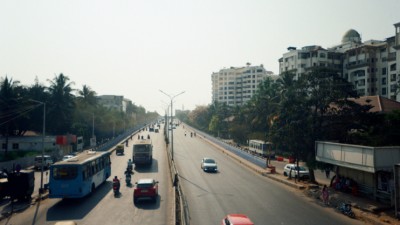
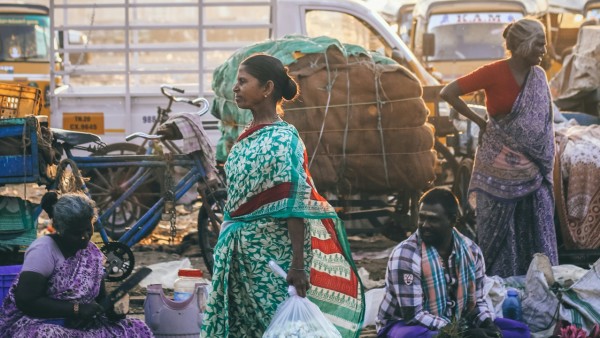
Chennai
Where coastal flavors meet evolving queer visibility
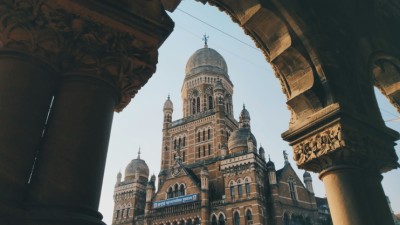
Mumbai
Big-city energy, sea breeze, and a welcome mat for modern explorers.
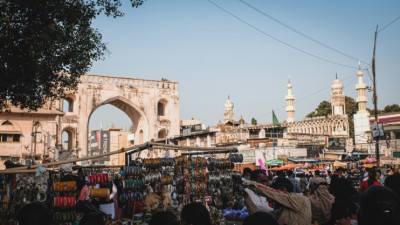
Hyderābād
A city of historic depth and contemporary activism.
Pune
A lively urban stop where culture, students, and nightlife keep the city moving.

Ahmedabad
Discover a city where history, resilience, and community meet.
Kolkāta
History, art, and community shape every step