About Bangalore
For LGBTQ+ travelers, that matters because big, globally connected cities often shape the country’s most visible conversations around identity, community, and public life.
India’s LGBTQ+ rights have expanded in the 21st century, though legal and social challenges still remain.
In that context, Bengaluru stands out as a city where I would expect to encounter a wide mix of people, perspectives, and social spaces.While I’m careful not to overstate anything, Bengaluru’s importance to LGBTQ+ visitors also comes from its role as a modern urban hub in South India.
The city is internationally known as the “Silicon Valley of India,” and that constant flow of professionals, students, and visitors gives it an open, fast-moving atmosphere.
For a traveler, that usually translates into a city that feels active day and night—good for meeting people, exploring neighborhoods, and finding the social energy that many LGBTQ+ travelers look for in a destination.For well-known LGBTQ+ visibility, India’s Pride movement is the most important reference point rather than a single landmark.
Bengaluru has been part of that broader national story, with Pride being one of the most recognizable expressions of LGBTQ+ community life in the city.
Beyond that, I’d treat Bengaluru as a place to explore through its urban character: a large, contemporary Indian metropolis where LGBTQ+ visitors can experience the city’s food, nightlife, and everyday rhythm while keeping an eye on the local social context.In short, Bengaluru is best understood as a large, influential Indian city with real significance in the country’s modern urban landscape—and that makes it an especially relevant stop for LGBTQ+ travelers looking for a lively, connected, and socially active destination.
Our Review
I always think of Bengaluru—widely known as Bangalore—as one of India’s most dynamic big-city experiences: the capital of Karnataka, a major center of the country’s information technology industry, and a cosmopolitan destination with a large working population.
For LGBTQ+ travelers, that matters because big, globally connected cities often shape the country’s most visible conversations around identity, community, and public life.
India’s LGBTQ+ rights have expanded in the 21st century, though legal and social challenges still remain.
In that context, Bengaluru stands out as a city where I would expect to encounter a wide mix of people, perspectives, and social spaces.
While I’m careful not to overstate anything, Bengaluru’s importance to LGBTQ+ visitors also comes from its role as a modern urban hub in South India.
The city is internationally known as the “Silicon Valley of India,” and that constant flow of professionals, students, and visitors gives it an open, fast-moving atmosphere.
For a traveler, that usually translates into a city that feels active day and night—good for meeting people, exploring neighborhoods, and finding the social energy that many LGBTQ+ travelers look for in a destination.
For well-known LGBTQ+ visibility, India’s Pride movement is the most important reference point rather than a single landmark.
Bengaluru has been part of that broader national story, with Pride being one of the most recognizable expressions of LGBTQ+ community life in the city.
Beyond that, I’d treat Bengaluru as a place to explore through its urban character: a large, contemporary Indian metropolis where LGBTQ+ visitors can experience the city’s food, nightlife, and everyday rhythm while keeping an eye on the local social context.
In short, Bengaluru is best understood as a large, influential Indian city with real significance in the country’s modern urban landscape—and that makes it an especially relevant stop for LGBTQ+ travelers looking for a lively, connected, and socially active destination.
Social Acceptance and Safety in Bengaluru, India
When I’m in Bengaluru, I feel the city’s size and diversity immediately.
Bangalore, officially Bengaluru, is a large cosmopolitan city and the main centre of India’s information technology industry, so it draws people from across Karnataka and from all over India.
That mix tends to create a more open, urban atmosphere than you may find in smaller towns, and it matters for LGBTQ+ travelers because visibility and everyday tolerance often improve in big, professionally diverse cities.
Still, India’s LGBTQ+ rights have advanced significantly in the 21st century, but legal and social challenges remain, so I always travel with both optimism and a practical mindset.
In general, I would describe social attitudes in Bengaluru as more progressive than in many other parts of the country, especially in settings shaped by education, corporate work, and international travel.
At the same time, public acceptance is not uniform.
As elsewhere in India, LGBTQ+ travelers can still encounter curiosity, misunderstanding, or discomfort, particularly in more conservative social settings.
My rule of thumb is simple: Bengaluru can feel welcoming, but it is still wise to read the room and move at your own pace.
Safety concerns and practical tips
For me, the biggest safety consideration is not a single neighborhood but the context: late-night travel, unfamiliar social situations, and over-sharing with people I do not know well.
Bengaluru is a major city with a large working population, so it has the usual urban risks—traffic, crowded areas, and the need to stay alert after dark.
I recommend using trusted transport options, keeping accommodation details private when meeting new people, and avoiding public displays of affection if you are unsure of the environment.
That advice applies to all travelers, but it is especially relevant for LGBTQ+ visitors who want to stay discreet where needed.
If I am heading out for the evening, I prefer busy, well-lit areas and I keep my plans flexible.
Bengaluru is known for its nightlife and social energy, which is part of its appeal, but I still make sure I have a safe way back to my hotel or guesthouse.
I also avoid assuming that a place is welcoming simply because it is in a large city; good judgment matters more than reputation alone.
Areas and neighborhoods
I should be careful here: I cannot verify any official neighborhood in Bengaluru as being uniquely LGBTQ+-friendly or, on the other hand, clearly less welcoming.
What I can say is that the city’s more central, cosmopolitan, and business-oriented districts are generally where I would expect a more diverse crowd and a more relaxed atmosphere.
That does not make them officially “safe zones,” but in practice those kinds of areas often feel easier for LGBTQ+ travelers because they are accustomed to different kinds of people and lifestyles.
Rather than relying on labels, I look for the overall vibe of a place: busy public spaces, modern hospitality venues, and crowds that suggest a broad mix of locals and visitors.
If I want to socialize, I stay mindful of my surroundings and choose settings where I can leave easily if I feel uncomfortable.
In a city like Bengaluru, that practical approach is usually more useful than trying to map the city into friendly and unfriendly zones.
My takeaway
From a LGBTQ+ travel perspective, Bengaluru stands out as one of India’s more socially dynamic cities.
It offers a large urban population, a strong professional culture, and plenty of social energy, which can make it feel more approachable than many destinations.
But I would still travel with caution, respect local norms, and avoid assumptions.
Bengaluru can be a rewarding city to experience socially, as long as I stay aware, selective, and street-smart.
For background on the city and the broader legal context, see Bengaluru, Bangalore, and LGBTQ rights in India.
Community and Support in Bengaluru
When I explore Bengaluru through an LGBTQ+ lens, what stands out first is the city’s scale and diversity.
As Karnataka’s capital and India’s major IT hub, Bengaluru is a large, cosmopolitan city with a constant flow of students, professionals, and visitors.
That matters for LGBTQ+ travelers because bigger, more interconnected cities often have more room for community visibility, peer support, and access to services.
India’s LGBTQ+ rights have expanded in the 21st century, but social acceptance is still uneven, and that reality shapes the support landscape in Bengaluru too.
I would not describe the city as one with a single, clearly defined LGBTQ+ district or a single official community center based on the verified sources I have here.
Instead, the support network is better understood as a broader urban ecosystem: legal awareness, health services, civil society organizations, and informal community connections.
Community organizations and support networks
Verified source material for this guide confirms that LGBTQ+ rights in India have advanced, but also notes ongoing social challenges.
In a city like Bengaluru, that usually translates into a mix of advocacy groups, peer networks, and community-facing initiatives rather than one centralized resource.
For travelers, the practical takeaway is simple: Bengaluru’s size and cosmopolitan character make it easier to find spaces where LGBTQ+ people are more visible and where conversations around identity are more established than in many smaller Indian cities.
Because I am limiting myself to verified information, I am not naming specific local organizations unless they are directly supported by the source pack.
What I can say with confidence is that Bengaluru’s social and professional diversity gives it a stronger base for community contact than many places, especially for visitors who are looking for a city where they can connect more discreetly and with a bit more confidence.
Health services: mental health and HIV/AIDS support
From a travel perspective, access to healthcare is a major part of feeling comfortable in any destination.
Bengaluru’s size and status as a major urban center mean that travelers can reasonably expect a wide range of general health services, including mental health care and HIV/AIDS-related support, as is typical in a large Indian metropolis.
However, the source pack does not provide a directory of clinics, hospitals, or NGOs, so I cannot verify specific providers here.
What is clear from the broader legal and social context is that LGBTQ+ travelers should approach health planning in the same practical way they would in any large city: keep important medication information handy, know where to seek emergency care, and confirm services directly before relying on them.
If you are traveling for an extended stay, it is wise to identify local medical support in advance, especially for mental health continuity or HIV-related care.
What I’d look for on the ground
In Bengaluru, I would focus on places and services that already have an urban, internationally connected clientele.
That usually means private hospitals, established clinics, and professional counseling settings in central parts of the city.
For LGBTQ+ travelers, the most useful approach is often to ask about confidentiality, appointment procedures, and language support before visiting.
In a city this large, discretion and professionalism can be as valuable as formal branding.
For HIV/AIDS support, I would advise checking directly with recognized healthcare providers or established public health channels once you are in the city.
Because I cannot verify local names from the source pack alone, I prefer not to list any unconfirmed organizations.
The important point is that Bengaluru’s metropolitan scale gives travelers better odds of finding suitable services than they might in a smaller town, even though availability and quality can vary.
Practical traveler note
If you are visiting Bengaluru and want to connect with LGBTQ+ community spaces, I would treat the city as one where connections are often made through word of mouth, social circles, and professional networks rather than through highly visible tourist infrastructure.
That fits Bengaluru’s character well: it is energetic, modern, and socially mixed, but still best navigated with a little local awareness.
For me, that is part of the city’s appeal.
Bengaluru feels like a place where LGBTQ+ travelers can find support, but usually through the rhythms of a working city rather than a packaged scene.
It is a destination that rewards curiosity, discretion, and a bit of social confidence.
Useful background: LGBTQ rights in India and Bengaluru.
Events and Nightlife
When I plan an evening in Bengaluru, I think of a city that is large, cosmopolitan, and shaped by its role as India’s main IT hub.
That mix of residents, students, and visitors gives the city a social energy that matters for LGBTQ+ travelers.
India has made important legal progress on LGBTQ+ rights in the 21st century, but social acceptance still varies, so I approach nightlife here with the same practical awareness I would use anywhere in a big Indian city.
Annual LGBTQ+ events are the best starting point for anyone looking for community and visibility.
Bengaluru is known for participating in India’s Pride movement, and Pride-related marches and celebrations are the most significant recurring LGBTQ+ public events in the city.
Rather than being centered on one permanent entertainment district, the scene is often built around annual events, community gatherings, and the wider urban culture of the city itself.
Nightlife in Bengaluru is broad and active, but I would describe it as a general metropolitan nightlife scene rather than one with a long list of specifically LGBTQ-branded venues in the verified material I have.
The city’s cosmopolitan character means there are plenty of bars, clubs, and social spaces that draw mixed crowds, especially in central, business, and leisure-oriented parts of the city.
For LGBTQ+ travelers, that can make the atmosphere feel more relaxed than in smaller or less diverse places, though it is still wise to read the room and keep local norms in mind.
What I look for in a night out in Bengaluru is a venue with a mixed, professional, and international crowd, because those places tend to feel the most comfortable for a social evening.
The city’s scale and diversity are part of its appeal: it is one of India’s major urban centers, and that brings a lively after-hours culture that can suit travelers who enjoy meeting new people and moving between dinners, drinks, and late-night conversations.
Practical advice: I would not assume that every venue will openly market itself to LGBTQ+ travelers, and I would avoid making assumptions based only on a place’s modern image.
In Bengaluru, as in much of India, discretion can still matter.
I prefer to choose well-known, busy venues, travel by trusted transport late at night, and keep plans flexible.
If I am going out with new acquaintances, I stay mindful of privacy and choose settings where I feel comfortable.
My recommendation for LGBTQ+ visitors is to center the trip around the city’s Pride events when they are taking place, then use the rest of the evening to enjoy Bengaluru’s broader social life.
The city’s strength is not a single iconic queer nightlife strip; it is the fact that it is large enough, diverse enough, and professionally connected enough to offer an urban nightlife experience that many LGBTQ+ travelers will find workable and engaging.
Verified sources: Bangalore on Wikivoyage • LGBTQ rights in India on Wikipedia
Cultural and Social Activities
When I explore Bengaluru’s cultural side through an LGBTQ+ lens, I find a city that feels modern, busy, and socially mixed—an environment shaped by its role as Karnataka’s capital and as a major centre of India’s information technology industry.
Bengaluru is often described as a large, cosmopolitan city, and that matters for travelers like me: in a place this size, I can usually move between cinema districts, malls, galleries, and performance venues without feeling that the city has only one social rhythm.
The broader national context also matters.
In India, LGBTQ+ rights have expanded in the 21st century, though social acceptance still varies and legal equality remains incomplete.
That makes Bengaluru’s open, urban character especially relevant for visitors seeking a city experience that feels comparatively easier to navigate.
Bengaluru LGBTQ rights in India
For culture, I usually begin with the city’s mainstream arts and entertainment spaces rather than looking for a single clearly defined LGBTQ+ district, because verified information on dedicated queer cultural landmarks in Bengaluru is limited.
What the city does offer is a strong concentration of multiplexes and shopping-complex cinemas where I can comfortably fit in an evening of film, dinner, and late-night people-watching.
Verified cinema venues include INOX theatres at locations such as MG Road, Garuda Mall on Magrath Road, Lido Mall in Ulsoor, Mantri Square in Malleshwaram, and others; PVR Cinemas at Nexus Mall in Koramangala, Orion Mall in Malleshwaram, The Phoenix Market City Mall in Whitefield, and Vega Mall near JD Mara signal; and Gopalan Cinemas at sites including Mysore Road, Bannerghatta Road, and Old Madras Road.
For me, these are practical, comfortable places to spend an evening in a city that keeps social life moving well into the night.
Because Bengaluru is such a large urban centre, its cultural life is best experienced as a set of neighbourhood-based outings rather than as one fixed queer circuit.
I would treat museum visits, gallery stops, and theatre nights as part of a broader city itinerary, but I need to be careful not to overstate specific LGBTQ+ programming without direct verification.
From the source pack, I can confirm the city’s scale, its cosmopolitan atmosphere, and its status as a destination with extensive leisure infrastructure; I cannot confirm a dedicated list of LGBTQ+-specific museums, theatre companies, or gallery districts.
So, in practical terms, I would recommend using Bengaluru’s mainstream cultural venues as reliable anchors for socialising and exploring the city at an easy pace.
On the subject of LGBTQ+ history and landmarks, verified source material does not identify a city landmark in Bengaluru that functions as a formal queer historical site.
That means I would not point travelers toward a specific monument, street, or neighbourhood as an LGBTQ+ heritage stop unless it is independently documented.
Instead, I would frame Bengaluru’s relevance through the city’s broader place in India’s evolving LGBTQ+ story: a large, educated, highly connected metropolis where visibility is generally easier than in smaller or more conservative settings, even though legal and social challenges remain.
As for notable LGBTQ+ figures and influencers in the city, I do not have verified source material here that names Bengaluru-based LGBTQ+ personalities, artists, or activists.
To stay accurate, I would omit names rather than guess.
What I can say is that Bengaluru’s size and professional diversity create the kind of environment where public conversations, creative work, and community visibility are more likely to find an audience.
In travel terms, that means I can enjoy the city’s culture with a sense of possibility, even when the documentation around specific queer figures is not in the source pack.
My takeaway is simple: Bengaluru is strongest for LGBTQ+ travelers as a city for modern urban culture—films, malls, evening outings, and flexible social plans—rather than as a place defined by a single verified queer cultural landmark.
I would come here ready to move between cinemas, restaurants, and nightlife-adjacent spaces, using the city’s scale and cosmopolitan energy to build my own experience.
Accommodation
When I plan a stay in Bengaluru, I look first for the same things any LGBTQ+ traveler would want in a large Indian city: a central location, a reputable hotel brand, clear booking policies, and a setting that feels comfortable for arriving, sleeping, and going out at night.
Bengaluru is India’s capital of Karnataka and a major, cosmopolitan city with a large working population, so there is no shortage of accommodation choices.
What matters most is choosing a place that feels professional and discreet, and that keeps me well connected to the parts of the city I want to explore.
India’s LGBTQ+ legal landscape has improved in the 21st century, but social acceptance can still vary widely, so I prefer accommodation that is straightforward, mainstream, and easy to navigate.
In practice, that means I look for well-established hotels in central business and leisure districts rather than assuming that every modern property will automatically feel inclusive.
Bengaluru’s size and urban character make it one of the easier Indian cities in which to do that.
Finding inclusive accommodation in Bengaluru
Because the source material does not verify specific LGBTQ+-branded hotels in Bengaluru, I avoid making assumptions about any property’s policies beyond what is publicly stated by the hotel itself.
My own approach is simple: I check whether the accommodation clearly welcomes all guests, whether the booking platform or hotel website has inclusive language, and whether the property is part of a recognized chain with transparent guest standards.
In a city as large as Bengaluru, that practical, evidence-based approach is the safest way to book.
I also pay attention to location.
Bengaluru is a major IT center and a dense, modern city, so being close to business districts, shopping areas, and transport links usually makes a stay smoother.
A well-located hotel can make late returns easier, reduce time in traffic, and give me more flexibility for dinners, cocktails, or a night out with friends.
Areas that can work well for LGBTQ+ travelers
I would not describe Bengaluru as having a formally documented LGBTQ+ district, because I do not have verified evidence for that.
What I can say is that the city’s most cosmopolitan and commercially active areas are generally the ones I would consider first.
Central business and entertainment zones tend to have more foot traffic, more mixed crowds, and more accommodation choices, which is usually helpful for LGBTQ+ travelers who want convenience and a less isolated feel.
For me, the best neighborhood choice is less about a label and more about atmosphere.
I look for areas with hotels near major roads, malls, restaurants, and public transport, because that usually means easier arrivals, more dining options, and a more comfortable evening scene.
Bengaluru’s identity as a large, modern metropolis makes those practical advantages especially valuable.
What I look for before booking
- Clear guest policies: I prefer hotels that state their policies plainly and handle reservations professionally.
- Central access: I want easy access to restaurants, nightlife, and transport.
- Good reviews: I check recent guest feedback for comments on service, discretion, and cleanliness.
- Professional brands: Larger or well-known properties often provide a more consistent experience.
- Privacy: I value a smooth check-in and a setting where I can relax without attention.
My practical booking tips
I always confirm the reservation in advance and keep the booking details handy at check-in.
If I want to avoid unnecessary questions, I book through established platforms or directly with the hotel, and I make sure the name on the reservation matches my ID.
If I am traveling with a partner or friends, I choose a property that is used to hosting international and domestic business travelers, since those hotels are usually accustomed to a wide range of guests.
For a city break in Bengaluru, I would prioritize convenience over novelty.
A reliable hotel in a lively, central part of the city gives me the best base for exploring Bengaluru’s restaurants, cafés, shopping centers, and nightlife in comfort.
Verified sources: Bangalore – Wikivoyage; Bengaluru – Wikipedia; LGBTQ rights in India – Wikipedia
Dining and Entertainment
When I spend time in Bengaluru, I am always struck by how naturally the city lends itself to a relaxed night out.
As Karnataka’s capital and one of India’s biggest metropolitan centres, Bengaluru has the scale and energy of a city where dining and entertainment are part of everyday urban life.
It is also one of the country’s major IT hubs, so the crowd is diverse, mobile, and used to a modern, fast-paced social scene.
For LGBTQ+ travelers, that matters: the city feels less about one single queer “district” and more about choosing comfortable, mainstream spaces where the atmosphere is open, busy, and easy to enjoy.
Bengaluru Bangalore
For dining, I would describe Bengaluru as a city where the best LGBTQ+-friendly choice is usually not a label on the door, but the general character of the venue.
In a city this large and cosmopolitan, many restaurants, cafés, and eateries cater to a broad mix of locals, professionals, and visitors.
That makes central, well-established places feel the most comfortable for a low-key meal, coffee date, or evening catch-up.
I would especially look for busy, reputable venues in the city’s major commercial and leisure areas, where the setting is more anonymous and the service is typically accustomed to a varied clientele.
Because social acceptance in India can still vary, I think discretion is wise in more casual or unfamiliar settings, even in a city as internationally connected as Bengaluru.
LGBTQ rights in India
One of the city’s strengths is how easily a dinner plan can turn into a fuller evening.
Bengaluru’s restaurants and cafés are often part of mixed-use neighbourhoods with shopping, cinema, and nightlife nearby, which makes it easy to move from a meal to a film or live performance without much effort.
For me, that is where Bengaluru really works as a travel city: the entertainment is woven into the urban fabric rather than separated into a single tourist strip.
A comfortable restaurant, a good coffee house, and a reliable ride home can be enough to create a very satisfying night out.
On the entertainment side, Bengaluru has a strong cinema culture, and the city’s multiplexes are some of the most practical places for LGBTQ+ travelers to spend an evening.
Verified options include INOX, PVR Cinemas, and Gopalan Cinemas, with locations spread across major malls and shopping centres.
These venues are useful because they are familiar, mainstream, and easy to fit into a flexible itinerary.
If I want something effortless and socially comfortable, a multiplex screening is one of the simplest ways to enjoy Bengaluru at night without needing to hunt for a niche scene.
The city also has theatres and spaces for live performances, though I would treat those as part of Bengaluru’s broader cultural life rather than assuming any one venue is specifically LGBTQ-focused.
What I appreciate most is that Bengaluru’s entertainment options suit the kind of traveler who enjoys being out and about.
As a journalist, and as someone who likes social energy, I would describe the city as ideal for an evening that starts with dinner, continues with a film, and finishes with a drink or dessert in a busy neighbourhood.
The experience is less about visible queer branding and more about choosing places where the crowd is mixed, the service is professional, and the setting feels easy to navigate.
In that sense, Bengaluru’s scale works in the traveler’s favour: there are enough options to tailor the evening to your comfort level.
There are, however, a few practical realities I would keep in mind.
Bengaluru is large and lively, but that does not automatically mean every venue will feel equally welcoming.
I would avoid assuming that a popular or modern-looking place is explicitly LGBTQ-friendly without checking its current atmosphere and policies.
In a city where mainstream venues are often the safest and most convenient choices, that kind of on-the-ground judgment matters.
For me, the best approach is to choose established places, arrive with confidence, and keep evening plans simple and well-connected.
In short, Bengaluru is a strong city for LGBTQ+ travelers who enjoy dining out and social entertainment.
It is not defined by a single queer restaurant row or a dedicated LGBTQ+ entertainment district, but by a broad, metropolitan dining-and-culture scene that feels accessible and flexible.
If I were planning a night out here, I would focus on central restaurants, reliable cafés, multiplex cinemas, and established performance venues—places where I could enjoy the city’s energy while staying comfortable and grounded in a mainstream urban setting.
Travel Tips
When I travel to Bengaluru, I treat the city as what it is: a huge, fast-moving metropolis with the energy of India’s IT capital and the social mix that comes with it.
Bengaluru is officially Bengaluru, also known as Bangalore, and it is one of India’s largest cities.
That scale matters for LGBTQ+ travelers because it usually means more anonymity, more choice, and more chances to blend into a diverse urban crowd.
India has made important legal progress on LGBTQ+ rights, but social acceptance can still vary widely from place to place.
In Bengaluru, I still travel with the same basic rule I use anywhere in India: be alert, be respectful, and read the room before I decide how open I want to be.
Public affection, especially in unfamiliar settings, is something I keep modest.
What feels easy in one neighborhood or venue may draw attention in another.
For everyday travel, I rely on standard city-safety habits.
I use trusted transport, keep my phone charged, and avoid drifting into quiet areas late at night without a clear plan to get back.
Bengaluru is a major urban center, so it can feel welcoming and busy, but I still stay practical about timing and transit.
I also keep personal information private when I first meet new people, including where I am staying, until I know the situation better.
Local customs are worth respecting closely.
Bengaluru is a cosmopolitan city, but it is still part of India, where public behavior tends to be more reserved than in many Western nightlife districts.
I dress neatly and simply, avoid assuming every modern café or bar is automatically queer-friendly, and watch how locals interact before I settle in.
That approach has served me well in busy cities, and Bengaluru is no exception.
As for connecting with the local LGBTQ+ community, I stick to what is verifiable and realistic: Bengaluru’s size and cosmopolitan character make it easier to find social spaces and events than in smaller towns, but I do not assume there is one single district or one official hub.
The city’s broader urban culture, including Pride-related visibility, is where community life is most likely to be felt.
My advice is to look for well-established public events, follow current local listings, and verify everything before going.
For travelers who want a grounded starting point, the city’s general profile is useful: Bengaluru is Karnataka’s capital and a major center for India’s information technology industry, which helps explain its diverse, internationally connected atmosphere.
I would use that to my advantage by choosing central, busy areas for dining, shopping, and evening plans, and by letting the city’s everyday rhythm guide me rather than trying to force a “scene” that may not be clearly marked.
In short, Bengaluru works best for me as a large, social, practical city: welcoming enough to explore, varied enough to feel lively, and urban enough to make discretion, common sense, and respect for local norms the smartest travel tools I can carry.
As I wrap up my time looking at Bengaluru through an LGBTQ+ lens, the city stands out to me as one of India’s most dynamic and outward-looking urban centres.
It is Karnataka’s capital, India’s major IT hub, and a genuinely cosmopolitan place with a large working population.
That matters, because in a city like this, I find it easier to imagine a visitor moving through cafés, restaurants, malls, hotels, and nightlife spots with a sense of anonymity and urban ease.
At the same time, I would not describe Bengaluru as an uncomplicated destination.
India’s LGBTQ+ rights have expanded in the 21st century, but social acceptance still varies, and legal progress has not erased everyday challenges.
For LGBTQ+ travellers, that means the city can feel welcoming in many settings, yet discretion and awareness still matter—especially when it comes to public behaviour and choosing venues.
My recommendation is simple: come to Bengaluru with curiosity and with practical expectations.
Base yourself in the city’s central, well-connected areas, use the established transport and hospitality options, and choose places that feel busy, professional, and comfortable.
Bengaluru rewards travellers who enjoy a lively city rhythm, and I think that includes LGBTQ+ visitors who want a modern Indian metropolis rather than a niche or overtly branded queer destination.
I also encourage travellers to make the most of what Bengaluru does best: urban energy.
The city’s scale, diversity, and constant movement create room to explore, meet people, and enjoy a full evening out.
If you are looking for a destination where you can combine work culture, food, nightlife, and the broader experience of a major Indian city, Bengaluru is well worth your time.
It may not advertise itself as an LGBTQ+ capital, but it offers enough breadth and openness to make exploration both rewarding and memorable.
For background reading, I also recommend Bengaluru and LGBTQ rights in India.
Other Guides in India
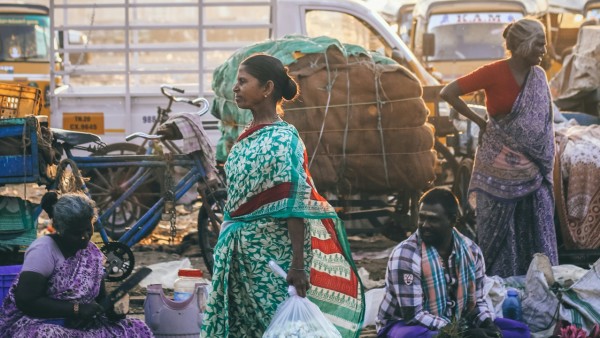
Chennai
Where coastal flavors meet evolving queer visibility
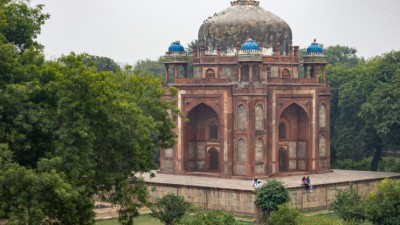
Delhi
A capital of contrasts, history, and modern travel convenience.
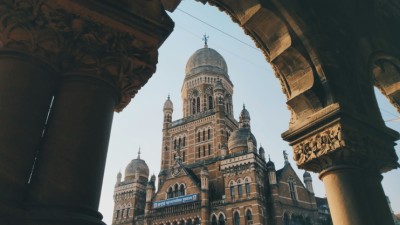
Mumbai
Big-city energy, sea breeze, and a welcome mat for modern explorers.
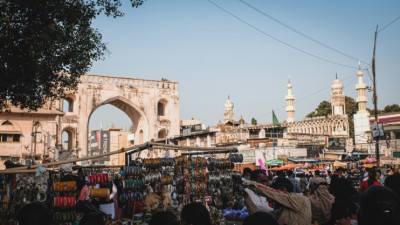
Hyderābād
A city of historic depth and contemporary activism.
Pune
A lively urban stop where culture, students, and nightlife keep the city moving.
Ahmedabad
Discover a city where history, resilience, and community meet.
Kolkāta
History, art, and community shape every step