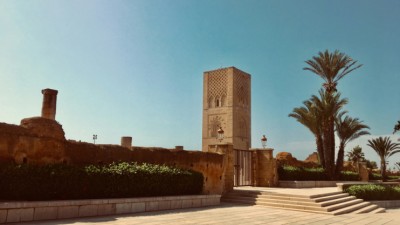
About Marrakech
For LGBTQ+ travelers, it is also a place that calls for careful, informed travel.
Morocco is a country where same-sex sexual activity is illegal, and LGBTQ+ people may face legal and social challenges, so I approach the city with discretion and a focus on practical safety.From a cultural perspective, Marrakech is remarkable for its historic fabric and UNESCO-recognized medina, which draws visitors interested in architecture, craftsmanship, and daily life rooted in centuries of tradition.
That makes it especially meaningful for travelers like me who value museums, heritage sites, and the living culture of a destination.
At the same time, I find it important to be clear: I am not aware of any widely documented LGBTQ+ events or officially recognized LGBTQ+ landmarks in the city from the verified sources provided.For LGBTQ+ visitors, Marrakech is best understood as a destination for cultural immersion rather than visible queer nightlife or public community spaces.
I recommend keeping expectations realistic, respecting local laws and social norms, and prioritizing privacy throughout your stay.
In a city as atmospheric as this one, the most rewarding experiences often come from its history, its craftsmanship, and the everyday rhythm of the medina.
Our Review
As I explore Marrakech, I see a city that remains one of Morocco’s most compelling cultural destinations: a historic imperial city known for its medina, souks, gardens, palaces, and deep artistic traditions.
For LGBTQ+ travelers, it is also a place that calls for careful, informed travel.
Morocco is a country where same-sex sexual activity is illegal, and LGBTQ+ people may face legal and social challenges, so I approach the city with discretion and a focus on practical safety.
From a cultural perspective, Marrakech is remarkable for its historic fabric and UNESCO-recognized medina, which draws visitors interested in architecture, craftsmanship, and daily life rooted in centuries of tradition.
That makes it especially meaningful for travelers like me who value museums, heritage sites, and the living culture of a destination.
At the same time, I find it important to be clear: I am not aware of any widely documented LGBTQ+ events or officially recognized LGBTQ+ landmarks in the city from the verified sources provided.
For LGBTQ+ visitors, Marrakech is best understood as a destination for cultural immersion rather than visible queer nightlife or public community spaces.
I recommend keeping expectations realistic, respecting local laws and social norms, and prioritizing privacy throughout your stay.
In a city as atmospheric as this one, the most rewarding experiences often come from its history, its craftsmanship, and the everyday rhythm of the medina.
Social Acceptance and Safety in Marrakech, Morocco
When I travel to Marrakech, I keep in mind that Morocco is a country where LGBTQ+ people face significant legal and social challenges.
Same-sex sexual activity is illegal under Moroccan law, and public attitudes toward LGBTQ+ people remain mostly negative.
In practical terms, that means I approach the city with discretion and a strong awareness of local norms.
In Marrakech, as in the rest of Morocco, I would not assume open LGBTQ+ expression will be treated safely or respectfully in public spaces.
For visitors, the most important safety principle is privacy: avoid public displays of affection, be cautious about conversations that could expose your sexual orientation or gender identity, and keep personal information limited to people you know and trust.
For day-to-day safety, I would use the same careful habits I recommend anywhere in a higher-risk destination: stay alert in unfamiliar areas, especially after dark; choose reputable accommodation; keep travel documents secure; and use trusted transport options.
If I needed help, I would look for assistance through my hotel or other established services rather than discussing LGBTQ+ identity with strangers.
I would also be mindful that police and broader social attitudes can be hostile toward perceived LGBTQ+ people.
That makes low-profile travel especially important.
In a place like Marrakech, I would prioritize blending in culturally, dressing modestly, and respecting local customs, not only as a sign of courtesy but also as a practical way to reduce attention.
As for neighborhoods, I cannot verify any district in Marrakech as officially LGBTQ+-friendly.
Given the legal and social climate in Morocco, I would not describe any area of the city as openly welcoming in the way some global gay districts are.
Instead, I would treat the city as one where discretion matters everywhere, even in more tourist-oriented parts of town.
My overall advice is simple: Marrakech can be rewarding for its history, architecture, and atmosphere, but LGBTQ+ travelers should plan carefully, keep expectations realistic, and prioritize personal safety and privacy at all times.
For background on the national context, see LGBTQ rights in Morocco.
Community and Support in Marrakech
When I look at Marrakech through a LGBTQ+ lens, I have to start with the legal and social reality: Morocco does not provide the kind of public, visible LGBTQ+ infrastructure that travelers may find in some other destinations.
Same-sex sexual activity is illegal in Morocco, and the broader social climate remains challenging for LGBTQ+ people.
In practical terms, that means I do not expect to find openly branded LGBTQ+ community centers, drop-in spaces, or city-specific support groups in Marrakech that are easy to access and publicly advertised.
For that reason, I approach support in Marrakech as I would in many places where discretion matters: I rely on general health services, private consultation where possible, and international organizations or online resources before I arrive.
For up-to-date global guidance on LGBTQ+ rights and conditions, I use trusted reference pages such as LGBTQ rights in Morocco and Morocco, which help set realistic expectations before travel.
Health services and HIV/AIDS support
Verified source material confirms the legal and social context, but it does not identify specific LGBTQ+ health clinics, mental health centers, or HIV/AIDS organizations in Marrakech itself.
So I would not name local LGBTQ+ health providers unless I had a verified, current source.
What I can say is that, in a city as large and internationally connected as Marrakech, travelers should plan ahead and bring any regular medications, prescriptions, and insurance details they may need.
For HIV/AIDS and broader public health information, I would turn to international public-health resources such as the World Health Organization.
For rights-based context and regional LGBTQ+ information, ILGA World is another trusted starting point.
These sources are not Marrakech-specific support centers, but they are reliable when I need verified background and health guidance before or during a trip.
Mental health and discreet support
Because open LGBTQ+ support networks are not documented here in the source pack, I would not advise travelers to expect a visible community center or peer-support hub in Marrakech.
Instead, I would recommend discreet preparation: save emergency contacts, identify a general medical clinic or hospital before arrival, and have an online therapist or support contact lined up if mental health support is likely to be needed while traveling.
In a destination where privacy is important, I also keep in mind that even well-intentioned conversations about identity may not feel safe everywhere.
I therefore look for support in low-profile ways, such as private telehealth appointments, international helplines accessible from abroad, or online communities that can be reached securely from a personal device.
What I would realistically expect on the ground
- No verified LGBTQ+ community centers are identified in the source pack for Marrakech.
- No verified city-specific LGBTQ+ support groups are identified in the source pack.
- No verified LGBTQ+-specific health clinics, mental health services, or HIV/AIDS support organizations are identified in the source pack for the city.
- Travelers should plan for discretion and rely on general health infrastructure plus trusted international information sources.
For me, that makes preparation the most important form of support in Marrakech.
I would visit for its extraordinary cultural heritage, its museums, gardens, souks, and historic architecture, but I would also travel with the understanding that LGBTQ+ visitors should be careful, discreet, and well prepared.
In this setting, support is less about finding an obvious queer scene and more about knowing where to access reliable information, private care, and emergency help if needed.
Travel tips for LGBTQ+ visitors to Marrakech
When I travel in Marrakech, I keep one fact at the front of my mind: Morocco is a country where same-sex sexual activity is illegal, and public attitudes toward LGBTQ+ people remain largely negative.
That means the best travel strategy here is one of discretion, cultural awareness, and careful planning rather than open visibility.
I always approach the city with respect for local norms, while also protecting my own safety and comfort.
Understand the local context
Before arriving, I make sure I understand the legal and social environment.
The country context matters in everyday life, from how people dress and interact to how openly travelers can express affection.
For LGBTQ+ visitors, it is wise to assume that public displays of affection may draw attention, especially outside international hotels or busy tourist areas.
I keep my conduct low-key in public and save private conversations for settings where I feel secure.
For background reading, I rely on verified sources such as Morocco and LGBTQ rights in Morocco, which summarize the legal situation and broader context.
Do’s and don’ts
Do dress modestly and blend in with local customs, especially in the medina and in non-touristy neighborhoods.
I find that conservative clothing helps me move more comfortably through the city and shows respect for local expectations.
Do use neutral language when discussing personal relationships with strangers, hotel staff, or drivers.
In practice, I keep conversations polite and practical, and I avoid volunteering information that is not necessary.
Do choose well-reviewed, professional accommodation.
In Marrakech, I look for hotels or riads that are used to hosting international guests and have clear, reliable service.
A discreet, efficient check-in process is often a good sign.
Don’t assume that a place is LGBTQ+-friendly unless it clearly states so in verifiable terms.
In Marrakech, I do not rely on rumor or guesswork when it comes to safety.
Don’t expect a publicly visible local LGBTQ+ scene.
At the time of writing, I have not found verified city-specific community centers, support groups, or openly advertised LGBTQ+ venues to recommend.
Don’t share private travel details with people you have just met, especially if you are exploring solo.
Staying safe while exploring the city
I feel most comfortable moving around Marrakech during the day and using common-sense precautions after dark.
The city’s main tourist areas are active and well visited, but I still prefer to plan routes in advance, keep my phone charged, and use trusted transportation options.
I also keep copies of key documents secure and separate from the originals.
In crowded places such as markets and transport hubs, I stay alert to my surroundings as I would in any major city.
Marrakech is a place where atmosphere matters, and I find that a calm, observant approach helps me enjoy the experience without unnecessary stress.
How I connect with the local LGBTQ+ community
Here I need to be candid: I do not have verified information on openly accessible LGBTQ+-specific community spaces in Marrakech.
Because of that, I do not suggest trying to locate community connections casually on arrival.
If I were looking for support, I would begin before the trip through established international organizations and trusted online resources rather than by seeking out unverified local contacts on the ground.
For wider context on LGBTQ+ rights, I would also consult organizations such as ILGA World and the World Health Organization for general health and rights information, though these are not Marrakech-specific community guides.
My practical takeaway
Marrakech rewards travelers who are culturally curious and discreet.
I come here for the medina, the architecture, the food, the museums, and the atmosphere—not for an openly visible LGBTQ+ scene.
For LGBTQ+ visitors, the safest and most realistic approach is to prioritize privacy, choose accommodation carefully, respect local customs, and plan ahead.
That way, the city’s history and sensory richness can take center stage.
When I think about Marrakech from an LGBTQ+ point of view, I see a city of undeniable strengths and very real challenges.
Its greatest appeal lies in its atmosphere: the historic medina, the craftsmanship, the architecture, the food, and the sense of place that makes Marrakech such a compelling destination for culturally curious travelers.
For LGBTQ+ visitors, those are the experiences that are reliably available and genuinely rewarding.
At the same time, I have to be clear about the context: in Morocco, same-sex sexual activity is illegal, and LGBTQ+ people can face significant social and legal risks.
That reality shapes how openly one can move through the city.
My recommendation is to approach Marrakech with realism, discretion, and preparation.
I would focus on enjoying the city’s museums, gardens, souks, riads, and historic districts, while keeping personal safety and local norms in mind.
Public displays of affection are best avoided, and it is wise to choose accommodation and services that are experienced with international guests and feel comfortable to you.
If you want to learn more about the broader legal context before you go, I recommend starting with Morocco and LGBTQ rights in Morocco.
My final advice is simple: come for Marrakech’s culture, history, and atmosphere, and travel with care.
The city may not offer a visible LGBTQ+ scene in the way some other destinations do, but it does offer a richly layered experience that I still think is worth exploring—thoughtfully, respectfully, and with your safety in mind.