About Casablanca
For LGBTQ+ travellers, that mix matters.
It offers the practical advantages of a large city—transport links, hotels, restaurants, and a more anonymous urban setting—while still requiring a careful, informed approach to local laws and social norms.Morocco’s legal environment is important to understand before arriving.
Same-sex sexual activity is illegal in Morocco, and LGBTQ+ people can face discrimination and other challenges.
In practice, that means discretion is essential, especially in public spaces.
I would treat Casablanca as a destination for thoughtful travel rather than open LGBTQ+ visibility.There are no widely documented, officially recognized LGBTQ+ landmarks or major public LGBTQ+ events in Casablanca that I can verify from the source pack, so I would not plan a trip around that.
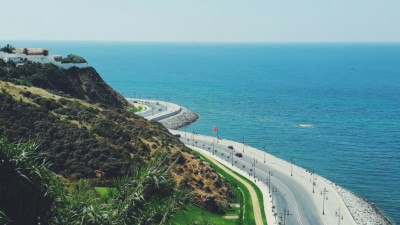
Instead, I focus on the city itself: its seafront setting, urban energy, and role as a gateway into Morocco.
For LGBTQ+ travellers who value a lively city atmosphere and want to stay grounded in local realities, Casablanca can still be an interesting stop—provided expectations are practical and respectful.For context on the wider national situation, I recommend reviewing the overview of Morocco and the current summary of LGBTQ rights in Morocco before travelling.
Our Review
I see Casablanca as Morocco’s most cosmopolitan city in scale and pace: a major Atlantic port, the country’s economic centre, and a place where business travel, cafés, beaches, and nightlife all sit side by side.
For LGBTQ+ travellers, that mix matters.
It offers the practical advantages of a large city—transport links, hotels, restaurants, and a more anonymous urban setting—while still requiring a careful, informed approach to local laws and social norms.
Morocco’s legal environment is important to understand before arriving.
Same-sex sexual activity is illegal in Morocco, and LGBTQ+ people can face discrimination and other challenges.
In practice, that means discretion is essential, especially in public spaces.
I would treat Casablanca as a destination for thoughtful travel rather than open LGBTQ+ visibility.
There are no widely documented, officially recognized LGBTQ+ landmarks or major public LGBTQ+ events in Casablanca that I can verify from the source pack, so I would not plan a trip around that.
Instead, I focus on the city itself: its seafront setting, urban energy, and role as a gateway into Morocco.
For LGBTQ+ travellers who value a lively city atmosphere and want to stay grounded in local realities, Casablanca can still be an interesting stop—provided expectations are practical and respectful.
For context on the wider national situation, I recommend reviewing the overview of Morocco and the current summary of LGBTQ rights in Morocco before travelling.
Social Acceptance and Safety in Casablanca
When I walk Casablanca as an LGBTQ+ traveler, I read the city through two very different lenses at once: its modern, outward-looking urban energy, and Morocco’s much more conservative legal and social framework.
Casablanca is the country’s largest city and economic center, but that does not translate into open public acceptance of LGBTQ+ people.
In Morocco, same-sex sexual activity is illegal, and the wider LGBTQ+ community faces significant legal and social challenges.
Public visibility is therefore limited, and discretion is important in everyday life.
In practical terms, I treat Casablanca as a city where I can enjoy restaurants, cafes, the seafront, and the general social buzz of a big metropolis, but I do not assume that public displays of affection or open discussion of sexual orientation and gender identity will be received comfortably.
The safest approach is to stay low-key in public, especially in busy shared spaces such as streets, transport hubs, markets, and nightlife venues.
Even in a large city, it is wise to be mindful of local norms around behavior and dress, and to avoid drawing unnecessary attention.
For safety, I also keep my plans discreet.
I do not rely on casual online conversations or unverified recommendations when looking for LGBTQ+ spaces, because there is no widely verified public LGBTQ+ scene in Casablanca documented in the source material provided.
Instead, I focus on general traveler precautions: keep valuables secure, be cautious when meeting strangers, use reputable transport, and let someone trustworthy know where I am going.
If I am heading out at night, I prefer well-trafficked areas and I avoid isolated streets or situations where I would feel pressured to explain myself.
As for neighborhoods, I do not want to overstate any area as LGBTQ+ friendly, because the verified sources available here do not identify specific districts in Casablanca as welcoming or hostile.
What I can say is that, in a large and cosmopolitan city like Casablanca, some areas will feel more anonymous and visitor-oriented than others, which can make it easier to blend in as a traveler.
But anonymity is not the same as acceptance, so I still move carefully and keep interactions measured.
My bottom line is simple: Casablanca can be navigated safely with common sense and discretion, but it is not a place where I would expect public LGBTQ+ openness.
I come prepared, stay observant, and prioritize privacy.
For broader background on the country context, I recommend reading more about Morocco and LGBTQ rights in Morocco: Morocco and LGBTQ rights in Morocco.
Travel Tips for LGBTQ+ Travelers in Casablanca
When I travel in Casablanca, I treat discretion as part of the practical planning.
Morocco is a conservative country, and same-sex sexual activity is illegal, so I do not assume that the city is openly welcoming in the way some European or North American destinations are.
The safest approach is to travel thoughtfully, keep a low profile in public, and focus on the city’s mainstream hospitality, dining, and cultural life rather than expecting an openly visible LGBTQ+ scene.
Local customs and social expectations
Casablanca is Morocco’s largest city and a major commercial center, but local social norms still reflect the country’s broader legal and cultural environment.
In practice, that means I avoid public displays of affection, especially with a same-sex partner, and I dress in a way that feels polished but not attention-seeking.
In restaurants, cafes, taxis, and hotels, I find that a calm, respectful manner goes a long way.
Politeness matters, and I always assume that people around me may be conservative even in a cosmopolitan city.
It is also important to remember that public discussion of sexuality can be sensitive.
I do not bring up my identity unless I am sure it is appropriate, and I never assume familiarity from strangers.
Even in a busy, international city like Casablanca, discretion is the most reliable way to move around comfortably.
Dos and don’ts
Do: choose reputable hotels, keep bookings and identification organized, and use standard travel safety habits.
I prefer properties with strong recent reviews, professional staff, and clear check-in procedures.
If I am meeting someone new, I do it in a public place first and let a friend know where I am going.
Do: use mainstream cafes, restaurants, and cultural venues where visitors are common.
Casablanca is a social city, and I find that busy public spaces make it easier to blend in and enjoy the atmosphere without drawing attention.
Don’t: assume there are verified LGBTQ+-specific venues, support groups, or nightlife spaces unless they are clearly and currently documented by trustworthy sources.
I would not rely on rumors or old online claims for planning.
Don’t: display affection publicly or make assumptions about how others will react to gender expression or same-sex couples.
In a place where same-sex activity is illegal, caution is not just polite; it is practical.
Travel safety
For me, safety in Casablanca starts with privacy.
I keep my travel plans simple, avoid oversharing on social media in real time, and use trusted transport options.
At night, I stick to busy, well-trafficked areas and avoid isolated streets.
I also keep digital and physical documents secure, including my passport details and hotel information.
Because local law and social attitudes can create risk for LGBTQ+ travelers, I would avoid any behavior that could expose me unnecessarily.
That includes public flirtation, loud discussion of queer topics in unfamiliar settings, or trying to locate unofficial LGBTQ+ spaces without reliable confirmation.
In this city, blending in is often the safest strategy.
Connecting with the local LGBTQ+ community
This is the area where I have to be especially careful with facts: I cannot verify a public, openly documented LGBTQ+ community infrastructure in Casablanca from the source pack alone.
For that reason, I would not recommend specific meet-up spots, bars, or organizations unless I could confirm them through trusted, current sources.
The reality is that queer life in Morocco is often private rather than publicly visible.
If I were looking for connection, I would do so quietly and respectfully, using trusted personal networks and up-to-date information from reputable organizations.
I would prioritize discretion, mutual trust, and privacy over visibility.
In Casablanca, that is the most realistic way to stay safe while still seeking community.
My practical takeaway
Casablanca rewards visitors who are socially alert and culturally aware.
For LGBTQ+ travelers, I see it as a city to experience through its food, cafes, hotels, waterfront areas, and general urban energy, while keeping expectations grounded in Morocco’s legal and social realities.
My rule here is simple: be respectful, be discreet, and let the city’s mainstream rhythm guide the trip.
For background on the national context, I recommend reviewing Morocco and LGBTQ rights in Morocco.
When I look at Casablanca through an LGBTQ+ lens, I see a city of contrasts.
It is Morocco’s largest city and its economic heart, with a strong Atlantic setting, busy cafés, waterfront energy, and the kind of urban pace that can make a visitor feel less exposed than in smaller places.
But I also have to be clear: Morocco’s laws and social climate create real challenges for LGBTQ+ people.
Same-sex sexual activity is illegal, and the broader environment remains cautious and conservative, so visibility comes with risk.
That is why my strongest recommendation is discretion.
I would explore Casablanca as a traveler first and foremost: enjoy the city’s restaurants, seaside walks, hotel lounges, and lively streets, but keep public affection and personal disclosures private.
In practice, that means choosing well-reviewed, established accommodation, moving thoughtfully through the city, and staying attentive to local norms.
For me, the appeal of Casablanca is not in openly advertised LGBTQ+ spaces, because verified information on those is very limited, but in the city’s wider cosmopolitan rhythm.
So my advice is simple: come with realistic expectations, travel carefully, and let Casablanca reveal itself through its mainstream urban pleasures.
If you are looking for a destination where you can blend in, enjoy good food, and experience a major North African city by night and by day, Casablanca can absolutely offer that.
I would not describe it as an openly LGBTQ+ destination, but I would describe it as a place worth exploring with awareness, respect, and a good sense of adventure.
For background reading, I recommend reviewing Morocco and LGBTQ rights in Morocco before planning a trip.