- Not LGBTQ+ Friendly
- 4 City Guides
- 0 Likes
- Leave a comment
About Morocco
Morocco at a glance
Morocco is one of North Africa’s most compelling and visually varied destinations, with a travel identity shaped by the meeting of the Atlantic Ocean, the Mediterranean Sea, the Atlas Mountains, and the Sahara’s edge.
For many travelers, its appeal lies in the contrast between ancient medinas and modern cities, mountain villages and coastal resort towns, and everyday street life that feels both intensely local and deeply historic.
The country sits in the Maghreb region and has long been a crossroads of Arab, Amazigh (Berber), African, and European influences, which is reflected in its architecture, languages, crafts, and cuisine.
For LGBTQ+ travelers, Morocco is best understood as a destination of strong cultural reward and equally important legal and social caution.
Public attitudes can be conservative, especially outside major cities and tourist areas, and same-sex intimacy is criminalized under Moroccan law.
That does not mean visitors cannot have a rewarding trip, but it does mean discretion, situational awareness, and respectful behavior are essential.
Morocco can be welcoming in practice when travelers move thoughtfully, but it is not a place for public displays of same-sex affection or assumptions that urban tourism norms apply everywhere.
What makes Morocco distinctive
Morocco’s special appeal comes from its depth and variety.
Few countries combine so many classic travel experiences in one compact itinerary: labyrinthine old cities, mountain trekking, desert landscapes, surf beaches, ornate palaces, and bustling markets where daily life unfolds in vivid color and sound.
The built environment is a major draw.
Historic medinas in places such as Fez and Marrakech are famous for their narrow lanes, artisan quarters, courtyards, and Islamic architecture, while the blue-toned town of Chefchaouen and the fortified earth architecture of southern oasis towns offer very different visual moods.
The country’s cultural identity is equally layered, with Arabic and Amazigh traditions especially prominent, alongside French and Spanish colonial-era influence in some areas.
The pace of travel also sets Morocco apart.
A short journey can take you from coastal cities and fertile plains to alpine scenery in the High Atlas and then onward toward dunes and desert outposts in the south.
This geographic variety makes Morocco attractive for travelers who want a trip with range rather than a single-defined beach or city experience.
It is also a destination where food, markets, and hospitality are part of the journey rather than just add-ons.
Even a simple meal can feel like an introduction to regional culture, whether through street food, home-style tagines, or a long, mint-tea pause between sightseeing.
Culture, atmosphere, and travel style
Moroccan culture is expressive and layered, with a strong emphasis on hospitality, family, religion, craftsmanship, and social ritual.
Visitors will notice that everyday life often centers around cafés, souks, mosques, communal meals, and the rhythms of prayer and market hours.
The country’s Islamic heritage is visible everywhere, but Morocco is also known for its artistic and architectural richness, from zellige tilework and carved cedar to riads organized around tranquil interior courtyards.
Many travelers are drawn to the sense of texture and sensory detail: spice stalls, call to prayer, tea poured from height, leather goods, mosaics, and the shifting light across desert and mountain landscapes.
Travel here tends to be most rewarding for people who enjoy moving through places slowly and paying attention to the details of daily life.
Morocco is especially strong for culture-focused city breaks, longer overland journeys, and itineraries that combine sightseeing with food, craft, and scenery.
It can also work well for travelers who want a destination that feels more adventurous than a standard European trip but still offers a substantial tourism infrastructure in major cities and some resort areas.
For LGBTQ+ visitors, that mix means it is possible to have a comfortable and enriching experience, particularly by choosing mainstream hotels and keeping interactions low-profile, while remaining aware that the country’s legal and social framework is not openly queer-friendly.
Food and drink
Moroccan cuisine is one of the country’s biggest draws and an essential part of the travel experience.
Dishes vary by region, but common favorites include tagines, couscous, grilled meats, flatbreads, and salads made with cooked vegetables, herbs, and preserved ingredients.
Sweet-savory combinations are common, as are aromatic spices such as cumin, cinnamon, saffron, ginger, and turmeric.
Street food and market snacks can be excellent ways to sample local flavors, while restaurants in larger cities often offer polished versions of traditional dishes.
Mint tea is more than a drink; it is a social custom and a symbol of welcome.
Travelers should expect food to be central to the rhythm of the day, with leisurely meals and a strong café culture in urban areas.
Seafood is especially prominent along the coast, while inland cities and mountain regions may offer more lamb, chicken, and vegetable-based dishes.
For visitors with dietary restrictions, larger cities usually provide more options, though it is still wise to communicate clearly and allow for differences in interpretation.
Alcohol is available in some tourist-oriented venues and hotels, but it is not central to everyday culture and is best approached with discretion.
Major destinations and landscapes
Marrakech is the classic starting point for many visitors, known for its energy, historic core, and easy access to excursions.
It is a city of palaces, gardens, markets, and nightlife centered around tourism rather than a place to expect broad openness.
Fez is often considered Morocco’s cultural and spiritual heart, with one of the world’s most famous medieval medinas and a strong sense of historical continuity.
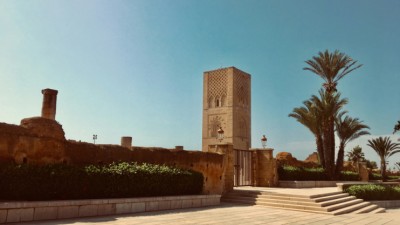
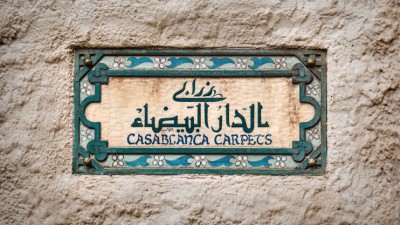
Casablanca is more modern and commercial, while Rabat, the capital, offers a more measured atmosphere with important historic sites and a coastal setting.
Elsewhere, Chefchaouen attracts travelers with its mountain setting and blue-washed streets; Tangier provides a gateway feel at the meeting point of the Mediterranean and Atlantic; Essaouira is prized for its breezy seaside atmosphere and artistic character; and the High Atlas region appeals to hikers and travelers looking for mountain scenery and Amazigh village life.
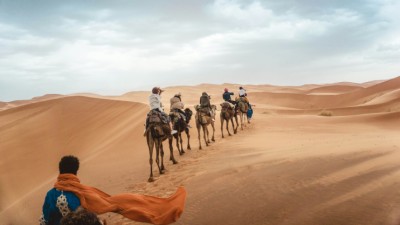
In the south, the road toward the Sahara is a major part of many itineraries, especially for those interested in desert landscapes and dramatic sunset terrain.
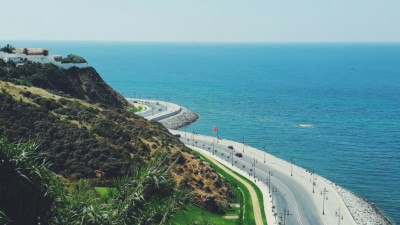
Morocco’s coastal stretches also support beach travel and surfing, giving the country a broader outdoor appeal than many visitors expect.
Why travelers choose Morocco
Morocco works especially well for travelers who want a destination that is visually rich, culturally distinctive, and easy to frame as a multi-stop journey.
It offers a strong sense of place without requiring a long-haul expedition into remote territory, and it has enough range to suit city lovers, food travelers, photographers, hikers, and desert dreamers alike.
Its mix of history and everyday life is a major part of the attraction: you can spend one day in a medieval medina, the next in the mountains, and the next on the coast.
For LGBTQ+ travelers, Morocco is best approached as a country for careful, private, and well-planned travel rather than spontaneous public expression.
The experience can still be deeply worthwhile because the core appeal of Morocco—its landscapes, craftsmanship, cuisine, and urban drama—is substantial on its own.
Travelers who value discretion, choose accommodations carefully, and stay attentive to local norms are more likely to have a smooth trip.
What makes Morocco distinctive is precisely this combination of extraordinary travel rewards and the need for a more guarded style of visiting, which can be manageable for experienced travelers and important to understand before arrival.
LGBTQ+ Overview
Overview
Morocco is an attractive and generally welcoming destination for many visitors, but it is not a safe or legally protective environment for LGBTQ+ people. Same-sex sexual activity is criminalized, and travelers should assume that public expressions of same-sex affection, gender nonconformity, or discussion of LGBTQ+ identity can draw unwanted attention. The country’s established LGBTQ+ safety grade remains E, reflecting serious legal and social risk rather than a benign or improving environment.
For most LGBTQ+ travelers, the most important practical reality is discretion. Morocco’s tourist infrastructure can be comfortable in many major destinations, but that does not translate into safety for LGBTQ+ identity. Same-sex couples should avoid overt displays of affection in public, and transgender and gender-nonconforming travelers may encounter heightened scrutiny in everyday settings such as hotels, transport hubs, and street interactions. Even when no direct incident occurs, the need for constant caution can significantly shape the travel experience.
Legal status
Under Moroccan law, same-sex sexual activity is illegal. This creates a baseline of legal vulnerability for LGBTQ+ visitors and residents alike. In practice, travelers are unlikely to encounter systematic identity checks, but the law matters because it gives authorities broad discretion and leaves LGBTQ+ people without meaningful legal protection if they experience harassment, detention, or discrimination. Because of this legal framework, travelers should understand that privacy is not just a comfort issue in Morocco; it is a safety strategy.
Morocco does not offer broad legal recognition or protection for same-sex relationships, and there is no indication of a recent shift that would change the country’s overall risk profile for LGBTQ+ travelers. Any changes in public discussion or visibility have not translated into reliable legal safeguards or broad social acceptance.
Social climate
Social attitudes are generally conservative, and open LGBTQ+ expression can be controversial or unsafe. In many places, including large cities and tourist areas, you may find individual residents who are polite, worldly, or indifferent, but that should not be mistaken for broad acceptance. Traveler experience can vary widely depending on location, setting, and how visible a person appears to be as LGBTQ+. What feels manageable in a private, international hotel environment may be much riskier in public spaces, smaller towns, or more traditional neighborhoods.
Public affection between same-sex partners can attract negative attention ranging from staring and verbal harassment to possible intervention by security personnel or police. Transgender travelers and others whose appearance does not match local expectations of gender presentation may face confusion, questioning, or hostility. The safest approach is to keep interactions low-profile, especially when moving through airports, train stations, taxis, or crowded public areas.
Common traveler risks
The biggest risks for LGBTQ+ travelers in Morocco are legal exposure, social harassment, and privacy breaches. The legal environment means that any complaint, police contact, or conflict can become more serious than it would in a more protective destination. In addition, even small misunderstandings can escalate if a hotel, landlord, driver, or local resident reacts negatively to perceived same-sex couples or gender nonconformity.
Accommodation is a key area to handle carefully. Some hotels may be accustomed to international tourism, but policies and attitudes can still vary. To reduce risk, travelers should plan for discretion at check-in and avoid assumptions about staff familiarity with LGBTQ+ guests. It is also wise to be cautious with online dating apps and new contacts, since meeting strangers can create privacy, safety, and blackmail concerns in places where LGBTQ+ identities are stigmatized.
Digital privacy is especially important. Travelers should avoid sharing sensitive information publicly or with unfamiliar people, keep device security strong, and think carefully before discussing LGBTQ+ identity on social media while in the country. In environments where same-sex activity is criminalized, an exposed identity can have consequences beyond discomfort, including social harm and possible legal complications.
Support resources and practical planning
There are no widely reliable, Morocco-specific LGBTQ+ support structures that travelers can count on in the way they might in more protective countries. If you need assistance, your best immediate options are usually general emergency services, your embassy or consulate, and trusted local contacts who understand the risks of discretion. Because public LGBTQ+ advocacy can be sensitive, travelers should not assume that every local organization is able to help safely or privately.
Before traveling, it is sensible to arrange communication plans, confirm flexible accommodation policies, and keep copies of important documents accessible. Solo travelers should be especially mindful of meeting arrangements, transport at night, and sharing itinerary details. If you are traveling as a couple or with friends, consider agreeing in advance on how you will present yourselves publicly, how you will handle questions, and what you will do if one of you is separated or questioned.
Meaningful recent trajectory, where known, does not point to a substantial improvement in legal protection or social acceptance for LGBTQ+ people. Visibility may be slowly increasing in some urban and online spaces, but the country remains firmly high-risk for LGBTQ+ travelers, and that reality should guide planning. Morocco can still be visited, but it should be approached with caution, low visibility, and realistic expectations about the limits of safety.