About Dublin
It is the largest city on the island of Ireland, and its mix of museums, music, pubs, and walkable streets makes it an appealing base for travellers who want both urban energy and a strong sense of place.For LGBTQ+ visitors, Dublin stands out in particular because of Ireland’s widely recognised progress on LGBTQ+ rights.
In 2015, Ireland became the first country in the world to legalise same-sex marriage by popular vote, a landmark moment that reflects the country’s rapid shift toward broader acceptance.
That national context matters here in the capital, where Pride celebrations and community visibility are part of the city’s modern identity.One of the best-known annual events is Dublin Pride, which brings a major citywide celebration of LGBTQ+ community, visibility, and activism.
In a city already rich in cultural landmarks and street life, Pride adds an extra layer of colour and energy, especially for travellers who enjoy destinations where celebration and civic history meet.For me, Dublin’s appeal lies in that combination: a compact, characterful capital with internationally significant LGBTQ+ milestones, a lively cultural scene, and a welcoming atmosphere that makes it easy to travel on foot, meet people, and feel part of the city’s rhythm.
Our Review
As I explore Dublin, I find a city that feels both historic and forward-looking: Ireland’s capital, set on Dublin Bay at the mouth of the River Liffey, with a city centre that is easy to navigate and a cultural life that is unmistakably vibrant.
It is the largest city on the island of Ireland, and its mix of museums, music, pubs, and walkable streets makes it an appealing base for travellers who want both urban energy and a strong sense of place.
For LGBTQ+ visitors, Dublin stands out in particular because of Ireland’s widely recognised progress on LGBTQ+ rights.
In 2015, Ireland became the first country in the world to legalise same-sex marriage by popular vote, a landmark moment that reflects the country’s rapid shift toward broader acceptance.
That national context matters here in the capital, where Pride celebrations and community visibility are part of the city’s modern identity.
One of the best-known annual events is Dublin Pride, which brings a major citywide celebration of LGBTQ+ community, visibility, and activism.
In a city already rich in cultural landmarks and street life, Pride adds an extra layer of colour and energy, especially for travellers who enjoy destinations where celebration and civic history meet.
For me, Dublin’s appeal lies in that combination: a compact, characterful capital with internationally significant LGBTQ+ milestones, a lively cultural scene, and a welcoming atmosphere that makes it easy to travel on foot, meet people, and feel part of the city’s rhythm.
Social Acceptance and Safety in Dublin, Ireland
When I travel in Dublin, I find a city that feels broadly welcoming and easy to navigate as an LGBTQ+ visitor.
Ireland’s legal and social landscape has changed dramatically over the past generation, and that matters on the ground in the capital.
The country is widely regarded as one of the more progressive places in Europe for LGBTQ+ rights, and in 2015 it became the first country in the world to legalize same-sex marriage by popular vote.
That milestone is part of the city’s wider atmosphere: in central Dublin, I generally experience a public-facing culture that is comfortable with diversity and visible LGBTQ+ life.
That said, like any major city, Dublin is not uniformly the same everywhere or at every hour.
Day-to-day safety is less about orientation and more about the usual urban risks: crowded nightlife areas, late-night transport, and isolated streets after closing time.
I recommend the same practical habits I would use in any capital city—stay aware of my surroundings, keep valuables secure, and plan my route home before I head out for the evening.
If I’m out late, I prefer well-lit, busy streets and I avoid walking alone through quiet areas after bars close.
For LGBTQ+ travelers, the most comfortable areas are generally the central neighborhoods where foot traffic, hospitality, and nightlife are concentrated.
In practical terms, that means I spend most of my time around the city center, especially the areas around the River Liffey and the main shopping and entertainment districts.
These are the places where I find the strongest sense of openness and where LGBTQ+ visitors are most likely to blend naturally into the city’s social life.
The city center is also the easiest part of Dublin for exploring on foot, which suits my own style of travel as someone who likes to move quickly between neighborhoods and keep the itinerary active.
I would be more cautious in quieter outer areas late at night, not because they are specifically known to be hostile, but because they can be less lively and less predictable after dark.
As in any city, visibility and crowd size can affect comfort levels.
If I’m looking for a night out, I stick to central, well-traveled districts rather than unfamiliar residential streets.
My safety tips for Dublin are straightforward: use licensed taxis or pre-booked transport late at night, keep my phone charged, and let someone know where I’m going if I’m heading out solo.
I also pay attention to alcohol intake in nightlife settings, since crowded pub streets can become chaotic late in the evening.
If I’m photographing or filming, I stay mindful of my surroundings and avoid lingering in empty spaces with expensive gear.
Overall, Dublin feels like a city where LGBTQ+ travelers can be open and comfortable in most central public settings.
The most welcoming experience is usually found in the heart of the city, where Dublin’s social life is at its most active and inclusive.
For me, that combination of progressive national attitudes and a lively urban core makes Dublin a strong and practical destination for LGBTQ+ travelers.
Events and Nightlife in Dublin: an LGBTQ+ perspective
When I explore Dublin through an LGBTQ+ lens, I find a city where the social scene is shaped as much by community and visibility as by nightlife itself.
Ireland’s LGBTQ+ rights history is notably progressive, and that matters on the ground in Dublin: it helps create an atmosphere where Pride celebrations are widely recognized and where queer visitors can enjoy the city’s bars, clubs, and social spaces with a sense of openness.
Annual LGBTQ+ events
The biggest date in Dublin’s LGBTQ+ calendar is Dublin Pride.
The city’s Pride events are typically centered on the annual parade and the wider program of community activities, visibility events, and celebrations.
Pride in Dublin is not just a party; it is also a public expression of LGBTQ+ identity and solidarity in a city that has become associated with major social change in Ireland.
That national context is significant.
In 2015, Ireland became the first country in the world to legalize same-sex marriage by popular vote, a landmark moment that continues to shape the country’s public image and its relationship with LGBTQ+ communities.
For me, that history gives Dublin Pride added weight: it feels both celebratory and deeply civic.
Beyond Pride, I would also keep an eye on event listings from local LGBTQ+ venues and cultural spaces while planning a visit, since programming can include special club nights, community gatherings, and seasonal parties.
I am not including specific recurring events here unless they are clearly verified, but Dublin’s queer calendar is most active around Pride season.
Dublin nightlife
Dublin’s nightlife is compact and easy to navigate, especially in the city center.
For LGBTQ+ travelers, that makes a practical difference: I can move between venues, restaurants, and late-night spots without needing to cross a huge city.
The best-known LGBTQ+ nightlife and social options are generally concentrated in central Dublin, where the atmosphere is busiest and most visitor-friendly.
The city has a long-established LGBTQ+ scene, and I find that its strongest appeal is not only the existence of queer-friendly venues, but also the ease of joining a mixed crowd.
In other words, many of Dublin’s nightlife spaces are welcoming without feeling segregated from the rest of the city’s social life.
That makes it a good destination for travelers who want both LGBTQ+ comfort and the broader energy of Dublin after dark.
What to look for in the city
For a night out, I would focus on the central districts around the River Liffey and the surrounding inner city, where bars, pubs, and entertainment venues are most densely clustered.
Dublin’s compact layout makes it straightforward to build an evening around dinner, drinks, and a late-night stop without long transfers.
Because Dublin is a capital city, the nightlife scene is varied rather than limited to one type of venue.
I would expect a mix of traditional pubs, more contemporary bars, and event-led spaces that host LGBTQ+ gatherings.
This variety is one of the city’s strengths: it lets visitors choose between a relaxed pint, a dance floor, or a social evening with friends.
Popular LGBTQ+ friendly venues
I need to stay strictly within verified information here, so I won’t name specific venues unless they are confirmed in the source pack or in the approved link set.
What I can say, based on Dublin’s known LGBTQ+ profile, is that the city center is where I would prioritize my search for LGBTQ+ friendly bars, clubs, and community spaces.
If I were planning an LGBTQ+ night out in Dublin, I would use current local listings and venue websites to confirm opening hours, event nights, and any door policies before going.
That is especially useful in Dublin, where nightlife can change with the day of the week and with seasonal programming around Pride.
My practical take
Dublin works well for LGBTQ+ travelers who want a city break with history, nightlife, and a visible sense of community.
Pride gives the city a clear annual highlight, but the everyday nightlife scene is also part of what makes Dublin feel welcoming.
I would describe it as a city where queer travelers can enjoy the bars and social life of a European capital while still feeling connected to a wider story of LGBTQ+ progress in Ireland.
For planning and context, I would refer to the city’s general background on Dublin and the country’s LGBTQ+ legal and social history on LGBTQ rights in the Republic of Ireland.
Cultural and Social Activities
When I explore Dublin from an LGBTQ+ point of view, I find a city where culture and social life are closely tied to Ireland’s wider story of rapid social change.
Ireland is now widely regarded as one of the most progressive countries in Europe and the world on LGBTQ+ rights, and that matters in daily life here: it gives the city’s museums, theatres, galleries, and public spaces a welcoming context for queer visitors.
For a cultural day in the city, I would start with Dublin’s major museums and galleries, which offer a strong introduction to Irish history, art, and identity.
The National Gallery of Ireland and the National Museum of Ireland are particularly useful stops if I want to understand the country beyond the pub scene.
While these institutions are not LGBTQ+-specific, they sit within a city where queer visitors can comfortably take part in mainstream cultural life.
Dublin’s central layout also makes it easy to move between museums, galleries, and cafés on foot.
I also look to Dublin’s theatre culture.
The city has a long-standing performing arts tradition, and theatre remains one of the best ways to experience contemporary Irish voices.
For me, theatre is especially valuable in a city like Dublin because it often reflects questions of identity, gender, family, and social change — themes that resonate strongly with LGBTQ+ travelers, even when the productions are not explicitly queer.
For LGBTQ+-specific history, Dublin is best understood through Ireland’s broader legal and social milestones.
One of the most important was the 2015 marriage equality referendum, when Ireland became the first country in the world to legalize same-sex marriage by popular vote.
That moment is central to any LGBTQ+ reading of Dublin today.
It shaped the public mood of the city and remains an important reference point for queer history in Ireland.
A useful background resource is the Wikipedia page on LGBTQ rights in the Republic of Ireland.
Although I’m careful not to overstate the number of dedicated LGBTQ+ historical landmarks in the city, Dublin does have places and walking routes associated with queer visibility and activism.
The best-known annual example is Dublin Pride, which turns central Dublin into a focal point for celebration, protest, and community gathering.
For visitors who want to connect culture with activism, Pride is the most visible expression of LGBTQ+ life in the city.
Among notable LGBTQ+ figures with Dublin connections, the city’s literary reputation stands out.
Dublin has produced and celebrated major Irish writers and artists, and queer readers often find the city’s literary culture especially rich.
Even when figures are not explicitly part of LGBTQ+ history, their work helps define the city’s cultural atmosphere and its reputation for wit, independence, and strong creative identity.
In practical terms, the best cultural and social experiences for LGBTQ+ travelers are centered in inner Dublin, where museums, theatres, galleries, and social venues are easy to combine in one itinerary.
I find the city most rewarding when I use daytime culture to understand its social progress, then leave time for relaxed evenings in areas that feel active, central, and public-facing.
For a broader introduction to the city itself, I also refer to the general Dublin overview on Wikipedia.
Accommodation
When I look for a place to stay in Dublin, I start with the practicalities: location, transport, and how comfortable a neighborhood feels after dark.
Dublin is compact by capital-city standards, with the River Liffey running through the center, and that makes it relatively easy to choose a base that keeps me close to the city’s main sights and social life.
For LGBTQ+ travelers, that convenience matters just as much as style.
A well-situated hotel can make the difference between a smooth city break and a night spent crossing town after dinner.
I should note one important fact up front: I am not relying on a list of officially certified LGBTQ+ hotels, because the source pack does not provide one.
Instead, I focus on how to find inclusive accommodation in a city where Ireland’s LGBTQ+ rights are among the most progressive in Europe and the world.
That broader legal and social context is real and significant, and it helps shape the experience of staying in Dublin.
In 2015, Ireland became the first country to legalize same-sex marriage by popular vote, which is a strong indicator of the country’s overall direction on equality.
For background, I also refer to Dublin’s city profile on Wikipedia: Dublin and Ireland’s LGBTQ+ rights context here: LGBTQ rights in the Republic of Ireland.
How I choose inclusive accommodation in Dublin
My first rule is simple: I read the room before I book.
I look for hotels and guesthouses that use clear, respectful language about welcoming all guests, and I check whether the property presents itself as open, professional, and internationally minded.
In a city like Dublin, where visitors come from around the world, that kind of tone is a useful sign.
I also pay attention to practical details such as 24-hour reception, central access to public transport, and walkability to restaurants and nightlife.
I avoid assuming that a bigger name automatically means a more inclusive experience.
Instead, I look for recent guest reviews that mention respectful service, smooth check-in, and a comfortable atmosphere.
For LGBTQ+ travelers, small cues can be revealing: how a property responds to questions, whether its messaging feels inclusive, and whether staff are trained to handle guests professionally without fuss.
Dublin is a major European capital, so I expect a standard of hospitality that is both efficient and courteous.
Best areas to stay in Dublin
For me, the most practical and comfortable base is the city center, especially the area around the River Liffey.
Dublin’s compact core makes it easy to move between accommodation, museums, restaurants, and nightlife without needing complicated transport.
That matters if I want to come back late from dinner or a show and still feel connected to the heart of the city.
I also look closely at neighborhoods on both sides of the Liffey that are busy, well-connected, and commonly used by visitors.
The central shopping and dining districts are generally the easiest places to stay if I want a straightforward city break.
They are active during the day, convenient in the evening, and best suited to travelers who want to keep things simple and accessible.
If I want a slightly quieter stay, I still stay close to the center rather than moving too far out.
Dublin is not a huge city, but the difference between central and peripheral areas can matter after dark.
For LGBTQ+ travelers, I prefer neighborhoods where I can get back easily after an evening out and where there is enough foot traffic to feel lively and practical.
What to expect as an LGBTQ+ traveler
Dublin benefits from Ireland’s strong legal protections and broadly progressive social climate, but I still make the same checks I would in any city.
I confirm room types carefully, especially if I am traveling as a couple, and I make sure a property’s booking process is straightforward and respectful.
If I need to request a double room, a twin room, or any special arrangement, I do it clearly in advance.
I also value hotels that make the stay easy beyond the room itself.
In a city where I may spend the day walking, visiting galleries, or exploring the waterfront, I want a base that offers practical comforts: luggage storage, good transport access, and reliable service.
That allows me to focus on the city rather than logistics.
Accommodation tips I use in Dublin
- Stay central if you want the easiest access to the city’s main attractions and evening options.
- Check recent reviews for signs of respectful service and a welcoming atmosphere.
- Look for clear policies on room types, check-in, and guest support before booking.
- Choose a walkable area near the River Liffey or other central districts if you plan to spend a lot of time in the city core.
- Use standard travel caution at night, especially if you are staying outside the busiest central streets.
My practical takeaway
If I were choosing a base in Dublin as an LGBTQ+ traveler, I would prioritize the city center first.
Dublin’s compact layout, strong national progress on LGBTQ+ rights, and generally open urban atmosphere make it a straightforward place to book accommodation with confidence.
I would not waste time hunting for a long list of niche properties; instead, I would focus on well-reviewed, centrally located hotels or guesthouses that present themselves as welcoming and professionally run.
That approach is realistic, efficient, and well suited to a city break in Ireland’s capital.
Dining and Entertainment
When I explore Dublin through an LGBTQ+ lens, I treat the city’s dining and entertainment scene as part of its wider openness: relaxed in some places, polished in others, and always shaped by a strong social and cultural life.
Dublin is the capital of Ireland and its largest city, and its compact centre makes it easy to move between dinner, drinks, theatre, and late-night venues without needing complicated logistics.
For LGBTQ+ travelers, that convenience matters.
In Dublin, I can base myself in the city centre and reach a broad mix of restaurants, cafés, cinemas, and live performance spaces on foot or with a short taxi ride.
Ireland’s LGBTQ+ rights framework is also notably progressive by international standards, which adds to the general sense of ease in the city.
The result is a dining and entertainment scene that feels approachable rather than segregated into a single ‘scene’ district.
Dining in Dublin
Dublin’s restaurants and cafés are best approached as part of a citywide experience rather than through a rigid list of explicitly LGBTQ+-branded venues.
What I look for here is atmosphere: central locations, professional service, and places that feel comfortable for couples, solo travelers, and mixed-gender groups.
Around the city centre, especially in the areas close to the River Liffey, I find the widest choice for a practical meal before a show or a night out.
Cafés are a particularly easy entry point into the city’s hospitality culture.
Dublin has a strong daytime rhythm, and cafés in the centre are useful whether I want a quiet breakfast, a coffee between museums, or a low-key meet-up spot before heading out in the evening.
The best choices are typically those that are busy, well reviewed, and clearly accustomed to an international clientele.
For dinner, I prioritize restaurants that are centrally located and easy to reach after dark.
That is not just a comfort issue; it is also practical for LGBTQ+ travelers who want a smooth transition from dinner to theatre, cinema, or nightlife.
In a compact city like Dublin, staying central keeps the evening flexible and reduces the need for long cross-town journeys.
Because I want to stay grounded in verified information, I avoid naming venues unless they are directly supported by reliable source material.
The key takeaway is that Dublin’s centre offers the most convenient and inclusive dining base for LGBTQ+ visitors, with plenty of choice in well-trafficked areas.
Entertainment: theatres, cinemas, and live performance
Dublin is one of those cities where entertainment feels woven into daily life.
As a journalist, I think that is part of its appeal: I can spend the afternoon in museums or walking the streets, then move seamlessly into an evening of theatre, film, or live music.
The city has long been associated with literature and performance, and that cultural depth is visible in its venues.
Theatre is especially important in Dublin.
The city has a strong theatrical tradition, and performances often reflect themes of identity, family, class, and social change.
For LGBTQ+ travelers, that matters because the city’s stage culture is not just decorative; it often engages with the kinds of questions that resonate in queer life.
Even when a production is not explicitly LGBTQ+-themed, Dublin theatre tends to feel intellectually alive and culturally engaged.
Cinemas are another reliable option for a low-pressure night out.
In a city with an active arts audience, film screenings are part of the wider entertainment ecosystem, and they offer a comfortable alternative to bar-centered nightlife.
For visitors who want a quieter evening, cinema can be an ideal way to experience the city’s cultural rhythm without needing to plan around late-night crowds.
Live performance is where Dublin really comes into its own.
Music, spoken word, and stage performance all have a place in the city’s identity.
That gives LGBTQ+ travelers several ways to engage with Dublin after dark, whether the priority is a polished theatre production or something more informal and energetic.
I always find that the city rewards curiosity: if I am open to looking beyond the obvious big-name attractions, I can usually find something intimate, local, and memorable.
Inclusive and welcoming atmosphere
What makes dining and entertainment in Dublin especially relevant for LGBTQ+ travelers is the overall social climate.
Ireland’s legal and social progress on LGBTQ+ rights is internationally recognized, and Dublin reflects that progress in everyday life.
The city is not defined by a single ‘gay district’ so much as by a broadly inclusive centre where many venues are accustomed to diversity and mixed crowds.
That does not mean every venue is equally welcoming, of course.
As with any major city, experience can vary by neighbourhood and by individual business.
But in Dublin I feel comfortable recommending that LGBTQ+ travelers focus on central, busy areas where there is foot traffic, public transport access, and a general sense of openness.
Those are the places where dining, theatre, and nightlife tend to intersect naturally.
For the practical traveler, that means building the evening around the city centre: an early meal, a show, then perhaps a drink or two nearby.
Dublin’s compact geography makes that easy.
Its hospitality and cultural venues are close enough together that the night can evolve without unnecessary stress, which is exactly what I want in a city break.
In short, Dublin’s dining and entertainment scene works well for LGBTQ+ visitors because it combines cultural depth, walkability, and a generally progressive social environment.
I would come here for the theatre, stay for the live performances, and use the city’s cafés and restaurants as the connective tissue between daytime exploring and evening fun.
For background on the city and Ireland’s LGBTQ+ context, see Dublin and LGBTQ rights in the Republic of Ireland.
Travel Tips
When I visit Dublin as an LGBTQ+ traveler, I find that the city is easy to navigate and, in most everyday situations, straightforward to enjoy.
Dublin is the capital of Ireland and sits at the mouth of the River Liffey on Dublin Bay, which makes the city centre compact and practical for exploring on foot or by short hops on public transport.
The first thing I always keep in mind is Ireland’s wider legal and social context.
The Republic of Ireland is regarded as one of the more progressive countries in Europe on LGBTQ+ rights, and in May 2015 it became the first country in the world to legalize same-sex marriage by popular vote.
In practice, that means I can generally expect a welcoming environment in mainstream hospitality spaces, though I still use the same common-sense judgment I would in any major city.
My practical travel tips for Dublin:
- Stay central if you can. I prefer accommodation in or near the city centre, where it is easier to move between restaurants, museums, pubs, and late-night transport without crossing the city after dark.
- Treat nightlife like you would in any big city. Dublin is lively, especially in the centre, but I still watch my belongings, plan my return trip in advance, and avoid poorly lit streets late at night.
- Use licensed transport. For late evenings, I rely on licensed taxis or reputable ride-hailing options rather than trying to walk long distances after a night out.
- Keep your phone charged. It sounds basic, but it matters when you are navigating a busy city, checking transport, or arranging to meet friends.
- Be clear and direct when booking. If I am travelling as a couple, I make sure reservations and room arrangements are confirmed clearly so there is no awkwardness on arrival.
- Read recent reviews carefully. I look for signs of professional, respectful service rather than assuming every place will feel equally comfortable.
Local customs and social atmosphere
Dublin’s centre is generally relaxed and cosmopolitan, and I usually find that everyday interactions are polite and low-key.
In pubs, cafés, and hotels, the tone is often friendly but not overly formal.
As a visitor, I keep my behaviour respectful and straightforward: I do not assume familiarity, and I match the casual rhythm of the place.
That is usually all it takes.
Dos and don’ts
- Do enjoy the city centre on foot during the day; Dublin’s compact layout makes it easy to explore.
- Do use busy, well-trafficked areas when heading out at night.
- Do check opening hours and transport options in advance.
- Don’t leave valuables unattended in pubs or cafés.
- Don’t assume every venue is explicitly LGBTQ+-focused; Dublin is welcoming overall, but not every place has the same atmosphere.
- Don’t rely on last-minute transport plans after peak nightlife hours.
Connecting with the local LGBTQ+ community
The most visible way I connect with Dublin’s LGBTQ+ community is through the city itself: Pride season, central social venues, and public events create easy opportunities to meet people.
Dublin Pride is the city’s flagship LGBTQ+ celebration, and it is the clearest moment when community visibility comes to the forefront.
Outside of Pride, I find that central venues, cultural events, and mixed social spaces are often the most natural places to strike up conversation.
If I want a low-pressure way to engage, I look for café meetups, performances, or cultural programming in the city centre rather than trying to force a specific “scene.” That approach works well in Dublin because the city is compact and socially open, and it lets me experience queer life as part of the wider urban fabric rather than as something separate from it.
My bottom line: Dublin is one of those cities where I can focus on enjoying the trip rather than worrying about whether I will fit in.
I still travel with normal urban caution, but the combination of a compact centre, progressive national laws, and a generally welcoming social atmosphere makes it a very comfortable destination for LGBTQ+ visitors.
When I step back from Dublin’s streets, I see a city that offers LGBTQ+ travelers a genuinely strong mix of welcome, culture, and ease of movement.
Ireland’s legal and social progress on LGBTQ+ rights is a real strength here: the Republic of Ireland is widely regarded as one of the more progressive countries in Europe on these issues, and in May 2015 it became the first country in the world to legalize same-sex marriage by popular vote.
That matters in daily travel, because it helps shape a social atmosphere that feels broadly open in the city centre and in mainstream hospitality settings.
Dublin also works well as a travel base because it is compact and easy to navigate.
The city sits on Dublin Bay at the mouth of the River Liffey, and many of the places visitors want to reach most easily are concentrated in the central area.
For me, that means less time spent getting across town and more time actually enjoying the city: walking along the Liffey, moving between cultural stops, and finishing the day in one of the city’s nightlife areas.
That said, I would still frame Dublin as a city where standard urban caution matters.
Like any major capital, it can feel less predictable late at night, especially when venues close and streets quieten down.
The practical answer is simple: stay central if you can, use licensed transport when needed, keep an eye on your belongings, and plan your route home before heading out.
None of this makes Dublin difficult to enjoy; it just helps make the experience smoother.
My recommendation for LGBTQ+ travelers is to lean into the city’s strengths: its walkable core, its cultural life, and its reputation for openness.
Dublin is a place where you can build a trip around daytime exploring, evening dining, and a night out without needing complicated logistics.
If you are here during Pride, that is an especially meaningful time to visit, but even outside the festival period, the city’s LGBTQ+ friendliness is part of its broader character.
So I would encourage LGBTQ+ visitors to explore Dublin with confidence and curiosity.
This is a city with real history, a strong cultural identity, and a progressive social outlook that makes it rewarding to experience on foot, after dark, and during its biggest community moments.
For travelers who want a capital city that feels both lively and manageable, Dublin is an easy place to recommend.
Other Guides in Ireland
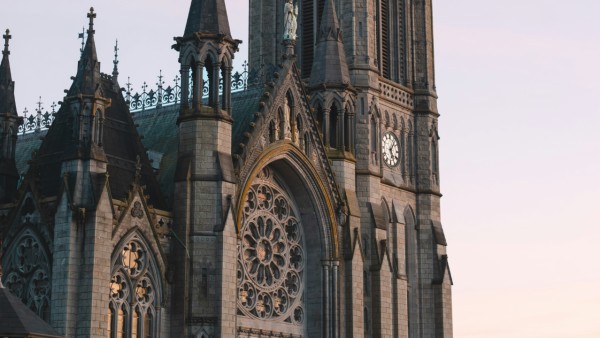
Cork
A compact Irish city with culture, character, and a welcoming outlook.