- LGBTQ+ Friendly
- 2 City Guides
- 0 Likes
- Leave a comment
About Ireland
Overview
Ireland is an island in the North Atlantic in Northwestern Europe, known for a landscape that can shift quickly from lively cities to windswept coastlines, green farmland, bogs, lakes, and mountain ranges.
Geopolitically, the island is divided between the Republic of Ireland and Northern Ireland, and the two parts are often experienced together by travelers, though they have separate systems and borders.
For many visitors, Ireland’s appeal lies in its mix of compact scale, strong sense of place, and a travel rhythm that feels welcoming, social, and easy to navigate without rushing.
The island is the second-largest in the British Isles and the third-largest in Europe, yet it remains manageable for a first-time trip.
That makes it especially attractive for travelers who want variety without long internal flights or complicated logistics.
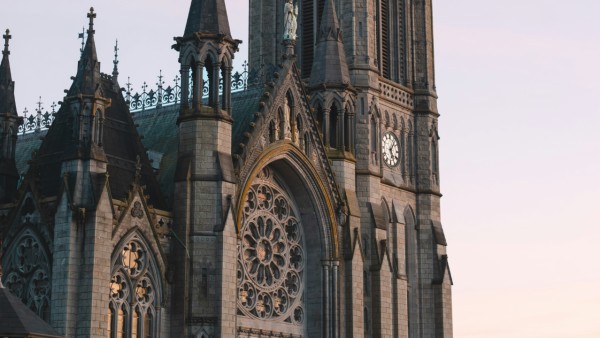
It is also a destination where city culture and rural scenery sit close together: Dublin, Cork, Galway, and Belfast offer museums, dining, nightlife, and historic streets, while the countryside delivers rugged coasts, national parks, stone villages, and scenic drives that have helped shape Ireland’s global image.
Why travelers choose Ireland
Ireland has a reputation for hospitality, storytelling, music, and conversation, and those qualities often shape the travel experience as much as the scenery does.
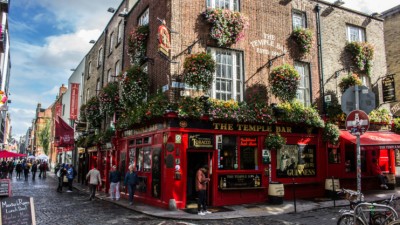
In practice, that means you will find destinations that are easy to explore on foot, pubs and restaurants that serve as social hubs, and a general travel culture that rewards lingering rather than ticking off sights.
For LGBTQ+ travelers, the country’s major urban centers are usually the most practical bases for dining, nightlife, and community-oriented travel, while smaller towns and rural areas are better approached with the same situational awareness you would use anywhere else outside a major city.
Its distinctive identity also comes from the way ancient and modern Ireland overlap.
Medieval castles, monastic ruins, ring forts, and historic streetscapes sit alongside contemporary galleries, design-led hotels, and a strong food and drink scene.
Irish is an official language of the Republic and is visible in place names and signage, adding to the sense that travel here is as much about cultural texture as it is about sightseeing.
Geography and atmosphere
Much of Ireland’s appeal is rooted in its physical landscape.
The west coast, in particular, is famous for Atlantic weather, dramatic cliffs, sandy beaches, and island views, while the interior is gentler and more pastoral, with fields divided by hedgerows and dotted with lakes and historic sites.
The weather can change quickly, and even in warmer months travelers should expect wind and rain as part of the experience.
That unpredictability is part of the island’s character and contributes to the lush, shifting scenery many visitors come to see.
Because the island is compact, travelers can combine multiple landscape types in a single trip.
You can start with museums and restaurants in Dublin, move on to the cultural energy of Galway, then continue to the cliffs, peninsulas, and national parks of the west.
In the north, Belfast and the nearby coast offer another layer of urban and scenic travel, with a different political and cultural context that many visitors find worthwhile to explore.
Food, drink, and everyday culture
Irish food is broader and more contemporary than old stereotypes suggest.
Traditional dishes still play an important role, especially in pubs and family-run eateries, but travelers will also find a modern dining scene that emphasizes local seafood, dairy, meats, baked goods, and produce.
In cities especially, Irish cuisine is often presented in an updated way, alongside international dining influenced by immigration and urban tourism.
Pub culture remains central to how many visitors experience Ireland.
A good pub can be a place for food, music, conversation, and a sense of local life, not just nightlife.
Live traditional music is part of the attraction in many places, and even travelers who are not focused on drinking often find pubs useful as relaxed social spaces.
This is one of the country’s defining features: social life is visible, public, and easy to join without much ceremony.
Key destinations
Dublin is the main international gateway and a natural starting point for many trips.
It combines literary history, Georgian streets, museums, compact neighborhoods, and a lively restaurant and nightlife scene.
For many LGBTQ+ travelers, Dublin is also the most straightforward place to build an itinerary around, because it offers the widest range of accommodation, transport connections, and city amenities.
Galway is one of the most atmospheric destinations on the island, with a strong arts identity, a walkable center, and easy access to the west of Ireland.
Cork offers a different urban feel, with its own food culture, historic character, and access to nearby coastal and countryside attractions.
Belfast, in Northern Ireland, is a major city with a distinct history and cultural identity, and it is often paired with nearby scenic day trips or used as a base for exploring the northern coast.
Beyond the cities, travelers are drawn to the Ring of Kerry, the Cliffs of Moher, the Burren, the Dingle Peninsula, Connemara, and the Causeway Coast.
These places reflect the Ireland many people imagine before they arrive: broad Atlantic views, stone walls, wild headlands, and road journeys that are destinations in themselves.
For travelers with more time, the smaller towns and islands can be especially rewarding because they offer a slower pace and a stronger sense of local life.
What makes Ireland distinctive
Ireland stands out because it offers a rare combination of accessibility and atmosphere.
It is easy to reach, easy to move around in at a basic level, and rich in places that feel visually and culturally distinct.
The landscape is a major draw, but so is the social feel of the country: conversation, music, literature, and hospitality are woven into the travel experience.
For LGBTQ+ visitors, Ireland’s most practical appeal is often its strong urban base combined with a generally welcoming tourism environment in major destinations.
At the same time, it remains a place where local context matters, especially outside the main cities.
The best trips balance that reality with the strengths that make Ireland memorable in the first place: striking scenery, layered history, good food and drink, and a travel culture that encourages you to slow down and stay awhile.
LGBTQ+ Overview
Overview
Ireland is generally a safe and welcoming destination for LGBTQ+ travelers, especially in urban areas such as Dublin, Cork, and Galway. The country has made substantial legal progress over the past few decades and is widely viewed as one of the more inclusive places in Europe. That said, traveler experience can still vary by setting: visible same-sex affection is usually unremarkable in many city-center environments, but more conservative attitudes may be encountered in some smaller towns and rural areas, particularly outside nightlife and tourist zones.
For most visitors, day-to-day travel is straightforward. The main practical concerns are not legal restrictions but ordinary travel safety issues, plus the possibility of occasional verbal harassment or insensitive remarks. As in many countries, discretion can still be wise in unfamiliar settings, especially late at night, in isolated areas, or where alcohol is involved.
Legal status
Same-sex sexual activity is legal in Ireland, and the country has broad legal protections for LGBTQ+ people. Same-sex marriage is legal nationwide, and Ireland has also established legal recognition for gender identity. Anti-discrimination protections apply in key areas of public life, including employment and access to goods and services. In practical terms, LGBTQ+ travelers do not face special entry restrictions or routine legal barriers because of their identity.
For travelers who are trans or nonbinary, Ireland is relatively accommodating by European standards, but administrative processes and documentation can still be relevant during travel. It is sensible to carry identification that matches the name and gender marker used in your bookings where possible, and to check any airline or accommodation policies in advance if your documents differ from your presentation.
Social climate
Public attitudes in Ireland are broadly positive, particularly in larger cities and among younger people. Dublin has the most visible LGBTQ+ scene and the widest range of affirming services and social spaces, while other urban centers are generally comfortable for LGBTQ+ visitors as well. Ireland’s strong recent track record on equality has helped normalize LGBTQ+ visibility in everyday life.
Even so, the social climate is not perfectly uniform. Travelers should expect a more mixed reception in some rural areas or in settings that are more traditional, private, or family-oriented. Open displays of affection are usually not a problem in city nightlife or tourist neighborhoods, but individuals who are more visibly gender-nonconforming may attract unwanted attention in some contexts. This is usually limited to awkward stares or comments rather than serious hostility, but it can still feel uncomfortable.
Common traveler risks
The principal risks for LGBTQ+ visitors in Ireland are low-level rather than systemic. These include occasional harassment in nightlife districts, drunken behavior, or insensitive reactions in less cosmopolitan settings. As with any destination, nightlife can create additional vulnerability, so standard precautions around drink spiking, intoxication, and late-night transport are important.
There is no indication that LGBTQ+ travelers face exceptional legal danger in Ireland. The more realistic concerns are social rather than legal: being misgendered, encountering outdated attitudes, or feeling less comfortable in small communities where diversity is less visible. Travelers staying in guesthouses, sharing accommodation, or booking private tours may prefer to communicate preferences clearly in advance if doing so helps avoid awkwardness.
Support resources
Travelers needing assistance can usually rely first on mainstream emergency and health services, which are available nationwide. For non-emergency support, local LGBTQ+ organizations in Ireland are well established, especially in Dublin, and can be useful for community information, referrals, or updates on events and services. If you are traveling during Pride season or planning nightlife, checking current local listings once you arrive is often the best way to identify affirming venues and activities, because the scene can change over time.
If you experience discrimination in accommodation, retail, or transport, documentation helps: note dates, locations, names if known, and any witnesses. For serious safety issues, use local emergency services immediately. For less urgent concerns, community organizations and equality-focused services may be able to advise on next steps, though travelers should not assume every issue will have a formal remedy while abroad.
Recent trajectory
Ireland’s trajectory has been strongly positive over the past decade and a half, moving from legal reform to broader social normalization. The country is often cited internationally for major equality milestones, and the overall direction has been toward stronger rights and greater visibility for LGBTQ+ people. For travelers, that means the baseline experience is increasingly comfortable, especially in cities and tourist-heavy areas.
Even with this progress, Ireland is best described as a country with broadly strong protections rather than a place where every visitor will have exactly the same experience everywhere. The overall risk profile is low, but not zero, and travelers who understand the urban-rural divide and use ordinary caution will usually find Ireland an easy and welcoming destination.