- LGBTQ+ Friendly
- 2 City Guides
- 0 Likes
- Leave a comment
About Puerto Rico
Puerto Rico at a glance
Puerto Rico is a Caribbean island territory of the United States with a travel identity that blends tropical ease, deep history, and a lively contemporary culture.
For LGBTQ+ travelers, it is often appealing because it offers many of the comforts of domestic U.S.
travel alongside a distinctly Caribbean rhythm, Spanish-speaking roots, and a social scene centered on beaches, music, food, and nightlife.
The island is compact enough to combine city, coast, mountains, and rainforest in one trip, yet varied enough to feel like several destinations at once.
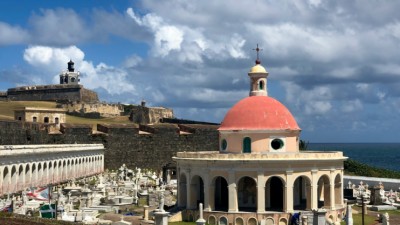
The island’s most visited hub is San Juan, where centuries-old forts and colorful colonial streets sit alongside upscale hotels, oceanfront neighborhoods, restaurants, and one of the most visible LGBTQ+ social scenes in the Caribbean.
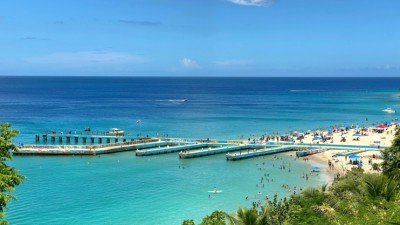
Beyond the capital, Puerto Rico rewards travelers who want more than a city break: bioluminescent bays, rugged central mountains, surf towns, dry forest, black- and white-sand beaches, and smaller communities with a slower pace.
It is a destination where a visitor can spend one day exploring a 16th-century fortress and the next hiking in a national forest or eating seafood by the water.
What makes Puerto Rico distinctive
Puerto Rico stands out because it is culturally Latin Caribbean, politically tied to the United States, and geographically a blend of rainforest, coast, and mountain highlands.
That combination makes it easier to visit than many international Caribbean destinations for U.S.
travelers, while still feeling different from the mainland.
English is widely used in tourism and in urban areas, but Spanish is the dominant language and is central to daily life, media, and culture.
Visitors who appreciate cultural texture will notice it in architecture, music, food, religious traditions, and the relaxed sociability of many neighborhoods and beach towns.
For LGBTQ+ travelers, the island’s appeal is shaped by this mix of metropolitan and local life.
San Juan offers the most concentration of queer-friendly accommodations, nightlife, and services, but the island overall is best approached as a place where travelers will encounter a range of attitudes depending on setting.
In practical terms, many visitors find Puerto Rico welcoming and easy to enjoy, especially in tourism-oriented areas.
As always, choosing the right neighborhood, venue, and time of day matters, particularly outside the capital.
Landscape and geography
Puerto Rico’s geography is one of its biggest travel draws.
The island is small enough to navigate without long overland journeys, yet it includes an impressive range of landscapes.
The north coast faces the Atlantic, with broad beaches and busy urban areas near San Juan.
The east holds resort zones, sailing waters, and access to islands and cays, while the west is known for sunsets, surfing, and a more laid-back coastal atmosphere.
The interior rises into the Cordillera Central, a mountainous spine that brings cooler temperatures, coffee-growing areas, and scenic roads.
In the southeast, dry forest and coastal reserves create a different, more arid feel.
El Yunque National Forest is one of the island’s most famous natural attractions and a major reason many travelers venture beyond the city.
Its rainforest trails, waterfalls, and lush scenery offer a clear contrast to the beaches and urban districts.
The island also has internationally known bioluminescent bays, which are especially memorable for travelers interested in nature-based experiences.
Together, these landscapes make Puerto Rico attractive to travelers who want a trip that balances beach time with outdoor exploration.
Culture, music, and atmosphere
Puerto Rican culture is vibrant, outward-looking, and deeply rooted in a complex history shaped by Taíno, African, and Spanish influences, as well as modern U.S.
connections.
That cultural blend is visible in everything from local cuisine to festivals, street art, and the pulse of popular music.
San Juan and other towns often feel animated by music drifting from homes, bars, restaurants, and public spaces.
Salsa remains iconic, but reggaetón, plena, bomba, and other styles are equally important to understanding the island’s contemporary identity.
The social atmosphere can be warm and expressive, with a strong emphasis on family, neighborhood, and celebration.
Visitors often notice that dining out and going out are not just practical activities but key parts of social life.
In the capital, especially in tourist and nightlife districts, LGBTQ+ travelers are likely to encounter an environment that feels relatively open compared with many Caribbean destinations.
Outside the major urban centers, public attitudes can be more varied, so many travelers prefer to keep expectations grounded and read the room, especially in smaller towns.
Food and drink
Puerto Rican cuisine is one of the island’s great pleasures and a major part of the travel experience.
Many dishes are built around rice, plantains, pork, seafood, beans, and aromatic seasonings.
Travelers will quickly encounter mofongo, made from mashed plantains, and arroz con gandules, a classic rice-and-pigeon-pea dish.
Lechón, or roast pork, is another signature food, especially associated with festive gatherings and countryside eating.
Pasteles, alcapurrias, and empanadilla-style snacks offer more casual ways to sample local flavors.
Seafood is plentiful in coastal areas, and the island’s drinking culture includes rum-based cocktails and local coffee.
For many travelers, a distinctive pleasure of Puerto Rico is eating well without having to plan every meal in advance: from casual roadside spots and beachfront kiosks to stylish city restaurants, there is a broad range of options.
In San Juan, the restaurant scene is especially dynamic, while other regions reward travelers seeking simple, excellent local cooking in a more relaxed setting.
Key destinations and typical travel appeal
San Juan is the obvious starting point for most trips.
Old San Juan is the historic heart, with cobblestone streets, pastel buildings, plazas, and fortifications that reflect the island’s colonial past.
Nearby, modern districts such as Condado and Santurce give the capital much of its hotel inventory, dining, beach access, and nightlife energy.
For many LGBTQ+ travelers, San Juan is where a first-time visit feels easiest to structure, because it combines urban amenities, beaches, and social options in one area.
Beyond the capital, travelers often head east for beach time, water activities, and access to offshore islands, or west for surfing towns and dramatic sunsets.
The mountain towns in the center of the island appeal to visitors interested in cooler air, coffee culture, and a more rural pace.
Nature-focused travelers often combine El Yunque with coastal stops and a stay in San Juan, creating a trip that mixes convenience with scenery.
Because Puerto Rico is relatively compact, it works well for both short getaways and longer itineraries that move between several regions.
The island’s typical appeal is broad rather than niche.
It suits beach travelers, history lovers, food-focused visitors, music fans, and outdoor travelers alike.
For LGBTQ+ travelers in particular, Puerto Rico can be especially appealing because it offers a recognizable level of ease in the major tourism zones without sacrificing Caribbean flavor.
Its distinctive character comes from that combination: familiar enough to feel manageable, but culturally rich and geographically varied enough to feel genuinely different.
Planning perspective for LGBTQ+ travelers
Puerto Rico is often a strong choice for travelers seeking a Caribbean destination with a large, accessible urban center and a lively queer-friendly scene in the capital.
At the same time, it is still worth thinking regionally rather than assuming the whole island feels the same.
San Juan is the most straightforward base for LGBTQ+ travelers, while smaller towns and more remote areas may have a more conservative or less visibly queer public atmosphere.
Choosing accommodation in established tourist districts and being mindful about public displays of affection in unfamiliar settings can help travelers stay comfortable.
Overall, Puerto Rico offers an unusually flexible travel experience.
It can be a relaxed beach holiday, a culinary trip, a nightlife trip, a heritage trip, or an outdoor escape, and often some combination of all of them.
That versatility, paired with its rich culture and easy air connections, is a big part of why it remains one of the Caribbean’s most appealing destinations.
LGBTQ+ Overview
LGBTQ+ overview: Puerto Rico
Puerto Rico is generally one of the more LGBTQ+-friendly destinations in the Caribbean. For many travelers, especially in San Juan and other major tourist areas, the experience is broadly welcoming and comparatively low-risk. Same-sex activity is legal, same-sex couples can marry, and U.S. federal civil rights protections apply in many contexts because Puerto Rico is a U.S. territory. That said, social acceptance is not uniform across the island, and travelers may encounter more conservative attitudes in smaller towns, rural areas, or among some religious communities.
From a legal standpoint, Puerto Rico has important protections, including recognition of same-sex marriage and anti-discrimination rules in areas such as employment and public accommodations. In practice, these protections matter most in larger cities, established hotels, restaurants, and mainstream tourism businesses. Travelers should still be aware that legal rights do not always translate into consistently respectful treatment, particularly in less tourist-oriented settings. For most visitors, the main concerns are not criminal penalties but uneven social attitudes, occasional harassment, and the possibility of being misgendered or encountering staff who are not well trained on LGBTQ+ issues.
The social climate is mixed but has improved over time. San Juan, especially areas with nightlife, hospitality, and arts communities, is typically the most visibly LGBTQ+-welcoming part of the island. Same-sex couples generally travel without major issue in tourist zones, and LGBTQ+ visitors are often able to move around comfortably in hotels, beaches, and popular neighborhoods. Outside those areas, public affection may draw more attention than it would in major North American or Western European cities. Travelers who prefer to avoid hassle may want to be more cautious in more traditional or rural settings, particularly at night or in places where they are unsure of the local atmosphere.
Common traveler risks are usually practical rather than legal. Public displays of affection can attract stares or comments in more conservative settings, and isolated incidents of verbal harassment are possible. Transgender travelers may face the most friction in everyday interactions, especially around ID checks, restroom use, or when relying on services from smaller businesses that may not be familiar with gender-diverse customers. As in many destinations, it is wise to confirm hotel policies in advance, ensure identification documents match the traveler’s needs as closely as possible, and choose reputable transportation and accommodations. Standard urban safety precautions also apply: be mindful after dark, avoid poorly lit or empty areas, and use trusted rides rather than accepting informal offers of transport.
There are support resources available, though travelers should verify current contact details before departure. Puerto Rico has local LGBTQ+ advocacy and community organizations, and the island’s larger hotels, medical centers, and international brands are generally the best first points of contact if a traveler needs help. U.S. citizens can also use regular U.S. consular channels as they would in any other U.S. jurisdiction, though local police and emergency services remain the primary responders for immediate safety issues. For health-related needs, San Juan has the broadest selection of affirming providers, while options may be more limited elsewhere.
The overall trajectory in Puerto Rico has been positive over the past decade and a half, with major legal advances and stronger visibility for LGBTQ+ people in public life. The island’s large tourism sector has also helped normalize diverse visitors in many settings. Even so, the pace of cultural change is uneven, and travelers should not assume that the experience will be identical across the whole island. For most LGBTQ+ travelers, Puerto Rico is a relatively accessible and practical destination, especially if they stay within established tourist corridors and use the same common-sense precautions they would in any place with mixed attitudes.