- LGBTQ+ Friendly
- 27 City Guides
- 0 Likes
- Leave a comment
About France
France at a glance
France is one of Europe’s great all-purpose travel countries: dense with history, highly varied in landscape, and famous for a national culture that prizes food, style, debate, and everyday public life.
Many visitors arrive for Paris, but the country’s appeal goes far beyond its capital.
France stretches from the North Sea and the English Channel to the Mediterranean, with Atlantic beaches, alpine peaks, rolling wine country, river valleys, and rural regions where local identity remains strong.
It is also not limited to metropolitan Europe; France includes overseas regions and territories in the Caribbean, South America, the Indian Ocean, and the Pacific, which broadens the country’s cultural and geographic reach.
For LGBTQ+ travelers, France is one of the more straightforward countries in Europe to visit.
It is broadly considered progressive by global standards, and it has a long legal history on LGBTQ+ issues, including the repeal of sodomy laws in 1791.
In practical terms, that does not mean every part of the country feels the same, but it does mean many travelers find France easy to navigate from both a cultural and safety perspective, especially in larger cities and established tourist areas.
As always, local attitudes can vary, particularly in smaller towns and more conservative settings, so general streetwise travel awareness still matters.
What makes France distinctive
France’s biggest distinction is how many different travel experiences it combines in one place.
You can spend a morning in a grand museum or historic quarter, an afternoon in a neighborhood café, and the evening in a village square, mountain town, or seaside promenade.
French daily life is part of the draw: café culture, long meals, markets, and a strong sense of place are not just tourist packaging but central to how the country presents itself.
The result is a destination that often feels as rewarding for slow travel as it does for sightseeing.
The country is also deeply associated with art, literature, philosophy, architecture, and political history.
Paris is the obvious center for major museums and landmarks, but many other places matter to travelers interested in culture: the Loire for châteaux, Normandy for memory-filled historic sites and coastlines, Provence for light and landscape, Alsace for its blend of French and German influences, and the southwest for wine, food, and slower-paced regional life.
France’s UNESCO-listed heritage, world-renowned museums, and carefully preserved town centers make it especially appealing to travelers who like to pair iconic sights with everyday urban and rural atmosphere.
Landscape, regions, and travel style
Geographically, France is unusually diverse.
Metropolitan France alone includes Atlantic and Mediterranean coasts, the Alps and Pyrenees, broad river systems, vineyards, forests, and farmland.
That means a trip can be shaped around almost any travel style: city breaks, beach holidays, road trips, rail travel, hiking, skiing, or culinary journeys.
Major urban areas such as Paris, Lyon, Marseille, Nice, Bordeaux, and Toulouse each have distinct identities, while rural and coastal regions can feel very different from one another in pace and character.
This diversity is one reason France works so well for repeat visits.
A first trip might focus on Paris and one or two classic side trips; later visits can move into the countryside, the coast, or the mountains.
Travelers who enjoy independent exploration will find extensive rail and road networks and plenty of established tourism infrastructure.
Those who prefer a more structured trip can still build a rewarding itinerary around major cities, famous museums, historic towns, and culinary stops.
Food, wine, and everyday pleasures
French cuisine is one of the country’s strongest draws and a major part of its identity.
Food here is not only about fine dining, though France certainly excels at that; it is also about markets, bakeries, cafés, cheese, wine, regional specialties, and the ritual of sitting down for a proper meal.
Different regions have distinct food cultures, from coastal seafood traditions to hearty inland dishes and the refined produce-and-wine pairings of celebrated agricultural areas.
For many travelers, eating well is not an add-on in France but one of the main reasons to come.
Wine is closely tied to travel across the country, but France also rewards visitors who are interested in simple pleasures: fresh bread in the morning, a long lunch, an evening apéritif, or a neighborhood café where people-watchers can settle in without rushing.
This relaxed but elegant approach to daily life is one of the most recognizable parts of the French travel experience, and it often leaves a strong impression even on short visits.
Key destinations and typical first-time highlights
Paris is the essential first stop for many travelers, with its major museums, historic monuments, grand boulevards, river scenery, and internationally recognizable neighborhoods.
For LGBTQ+ travelers, it is also the place most visitors expect to find the widest range of nightlife, community visibility, and visitor services, though the city is best understood as a large, varied metropolis rather than a single nightlife district.
Outside Paris, many travelers head to the south for a warmer, more Mediterranean atmosphere.
Nice and the French Riviera remain classic choices for coastal scenery, urban promenades, and resort-style travel, while Marseille offers a more working-city feel with strong maritime character.
Lyon is another standout, especially for food, while Bordeaux appeals to wine travelers and anyone who likes handsome city architecture plus easy access to surrounding countryside.
The Loire Valley is ideal for châteaux, gardens, and slower sightseeing, and Normandy offers a different mix of coastline, history, and small-town appeal.
In the east, Strasbourg and nearby Alsace towns add a distinct regional flavor.
For nature and outdoor travel, the Alps and Pyrenees are major draws in winter and summer alike.
France is also a strong destination for travelers who like to combine the famous with the intimate.
A trip might mix world-class museums and landmarks with cafés, bakeries, markets, and neighborhood wandering; or combine beaches and city culture; or move from a major hub to a small town with a very different pace.
That flexibility is part of what makes France such a dependable and satisfying country to visit.
Why LGBTQ+ travelers often choose France
France’s appeal for LGBTQ+ travelers lies in a combination of legal progress, large-city visibility, and overall travel ease.
The country’s long-standing decriminalization of same-sex activity, relatively progressive modern rights framework, and established international tourism sector make it a practical choice for many visitors.
Major cities are familiar with LGBTQ+ tourism, and travelers can usually expect a level of openness that makes day-to-day travel uncomplicated in mainstream settings.
At the same time, France is not just a “safe big-city” destination; it is a country where one can also enjoy beaches, vineyards, mountain towns, and historic villages without needing to center the trip on LGBTQ+ venues or events.
That balance is part of the appeal.
Visitors who want culture, food, scenery, and a generally comfortable environment often find France a particularly satisfying all-around choice.
In short, France stands out because it offers both classic and varied travel at a high level: iconic landmarks, serious cuisine, strong regional identities, and a broad mix of landscapes, all within a country that is relatively easy for LGBTQ+ travelers to visit and enjoy.
LGBTQ+ Overview
LGBTQ+ overview
France is generally one of the more LGBTQ+-friendly destinations in Europe and, by global standards, offers strong legal protections and broad public visibility. Same-sex sexual activity has been legal for a very long time, and France now recognizes same-sex marriage and adoption. In practical terms, most LGBTQ+ travelers can move around the country without needing to hide their identity, especially in major cities such as Paris, Lyon, Marseille, Bordeaux, Lille, Toulouse, and other urban or university-centered areas.
That said, France is not uniformly comfortable everywhere. Social attitudes are usually positive in large cities and among younger people, but can be more mixed in smaller towns, conservative environments, and some rural areas. Public affection between same-sex couples is usually unremarkable in many settings, yet travelers may still encounter staring, rude comments, or occasional harassment. Trans and gender-nonconforming travelers may face more misunderstanding than gay and lesbian travelers, especially when dealing with bureaucracy, accommodation check-ins, or documents that do not reflect their lived gender presentation.
Legal status and traveler implications
From a legal perspective, France is a strong destination. Same-sex sexual activity is legal, anti-discrimination protections exist in multiple areas of public life, and same-sex couples can marry and adopt. This creates a relatively secure baseline for day-to-day travel, including hotels, restaurants, transportation, and tourist sites. Travelers should still remember that legal equality does not always mean identical treatment in practice, especially in private businesses or in less cosmopolitan areas.
For transgender travelers, the legal environment is comparatively favorable by international standards, but administrative realities can still be frustrating. If your passport or ID does not match your presentation, it is wise to anticipate occasional questions, especially at airports, rail checkpoints, hotel registration, or when receiving age-restricted services. Carrying matching travel documents and, where relevant, any supporting paperwork that explains a name or gender marker discrepancy can reduce friction.
Social climate
The everyday social climate in France is often welcoming, particularly in larger cities and in hospitality, culture, education, and tourism sectors. Pride events are established in several cities, and openly LGBTQ+ life is highly visible in many neighborhoods and venues. French society has also had long-running public debate about LGBTQ+ rights, which has helped normalize the topic even where opinions remain divided.
At the same time, travelers should not assume universal acceptance. Conservative attitudes can be more common outside major urban areas, and some visitors may encounter insensitive remarks or assumptions. This is more likely to be an issue in low-key daily interactions than in overt safety threats, but it can still affect comfort. Discretion can be useful in situations where you are unsure of the environment, though many travelers will find no need to conceal their identity in ordinary tourist settings.
Common traveler risks
The main risks for LGBTQ+ travelers in France are usually low-level rather than severe. These can include verbal harassment, unwanted attention, and occasional discrimination in private settings. As in any major destination, nightlife areas can bring the usual travel risks of intoxication, pickpocketing, and opportunistic crime; LGBTQ+ travelers should take the same precautions they would elsewhere when leaving bars or clubs late at night.
In some situations, trans and gender-nonconforming travelers may face the greatest practical hassles, not because the country is broadly unsafe, but because staff or officials may not know how to handle documentation, presentation, or privacy correctly. If you expect to interact with institutions that are strict about identity documents, plan ahead and keep your most important paperwork organized.
Support resources and practical planning
France has a substantial network of LGBTQ+ organizations, community groups, and health and legal support services, especially in larger cities. If you need help, the most reliable approach is often to contact local LGBTQ+ centers or consult your accommodation for discreet, city-based referrals. Because support availability can vary by location, travelers should plan ahead if they expect to need affirming healthcare, counseling, or legal assistance during a stay.
For practical travel planning, choosing centrally located accommodations in larger cities is usually the easiest way to maximize comfort. Hotel chains and higher-end independent properties in major tourist destinations are more likely to be accustomed to diverse guests. If you are traveling as a same-sex couple, you should generally expect normal treatment in mainstream hospitality settings, but if something feels off, relocating to a more international or urban area is usually a quick solution.
Recent trajectory
France’s trajectory has been broadly positive over the long term, with significant legal modernization and a public climate that is more supportive today than in the past. The country is best understood as a place with strong formal protections and relatively good everyday comfort for many LGBTQ+ travelers, rather than as a zero-risk destination. The overall direction has been toward greater visibility, recognition, and normalization, even as some social and regional variation remains.
In short, France is a strong destination for LGBTQ+ travelers: legally secure, often socially comfortable, and usually straightforward to navigate. Most visitors will experience little or no difficulty, but it is still sensible to remain aware of local context, especially outside major cities and in any situation involving identity documents or late-night nightlife travel.

Paris
Where rights, heritage, and community converge in a global capital
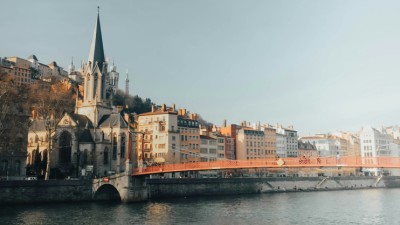
Lyon
Where rivers meet, culture flows, and solo discovery feels natural.
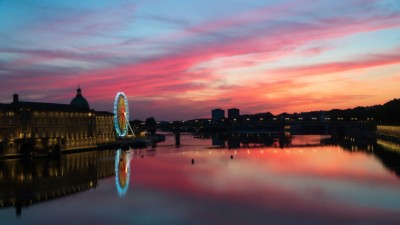
Toulouse
Where historic streets, river views, and vibrant flavours meet.
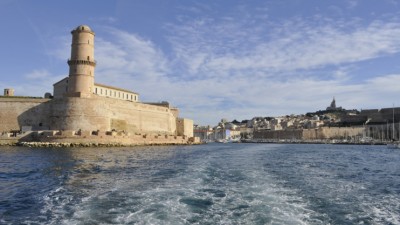
Marseille
Sunlit streets, historic quarters, and a welcoming cultural pulse.
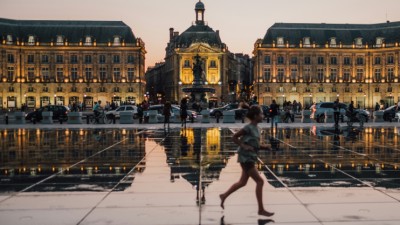
Bordeaux
Where riverside history meets easygoing city breaks
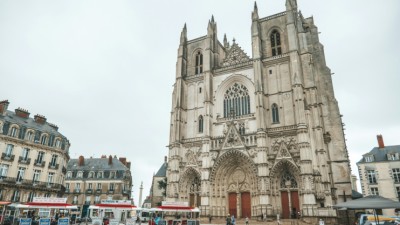
Nantes
Heritage, river views, and a welcoming pause in western France.
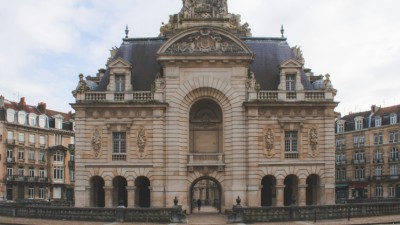
Lille
Culture, comfort, and inclusive travel in a polished European crossroads.
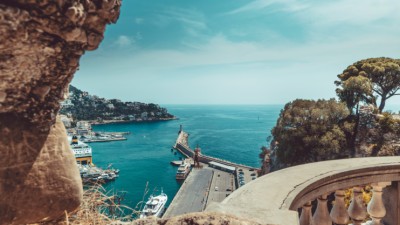
Nice
Sunlit promenades, calm waters, and a welcoming French Riviera escape.
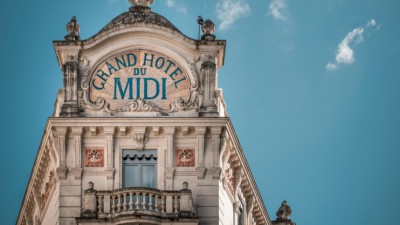
Montpellier
Sunlit streets, easy living, and a smart stop for work and wanderlust.
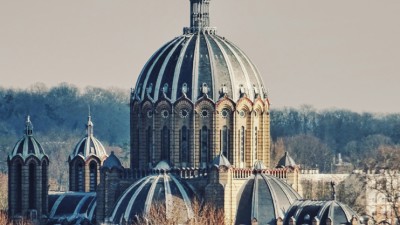
Reims
Where heritage, elegance, and inclusive travel meet under the vineyards.

Le Havre
Where seafront energy meets inclusive French urban life.

Villeurbanne
Discover a welcoming base beside France’s vibrant metropolitan heart.
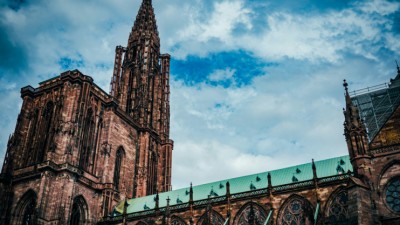
Strasbourg
Where historic streets meet open-minded travel
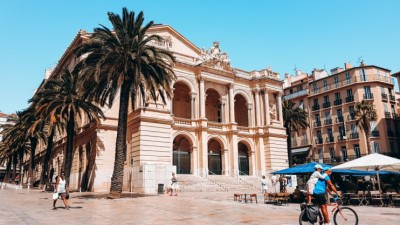
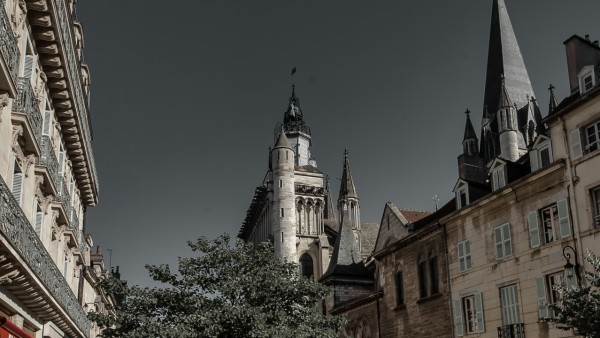
Dijon
Explore heritage, flavor, and inclusive city life.

Angers
Historic streets, easygoing nights, and room to wander.
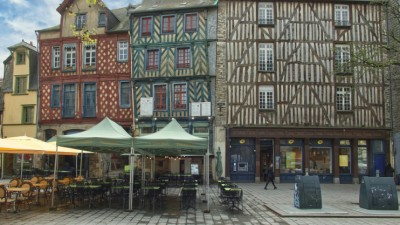
Rennes
Historic streets, strong culture, and an inclusive French city break.
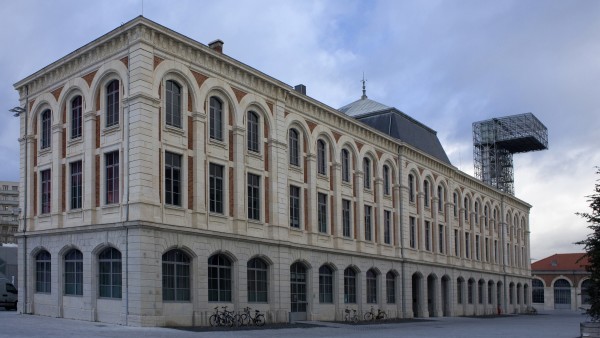
Saint-Étienne
An urban stop where history, culture, and openness intersect.

Nîmes
Ancient stones, modern ease, and elegant city breaks.
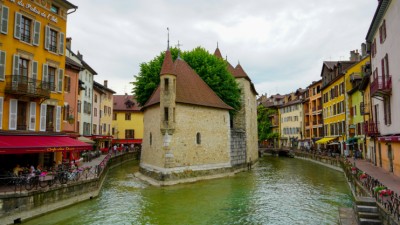
Annecy
History, culture, and alpine scenery meet by the water.
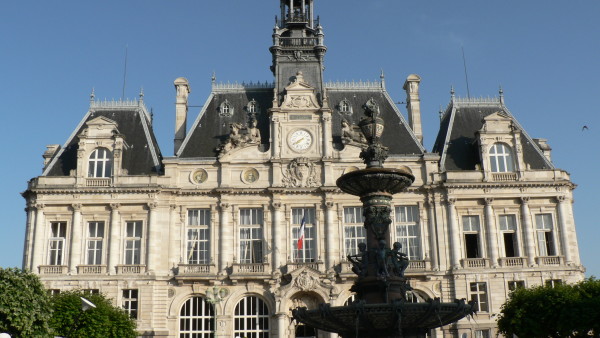
Limoges
Historic streets, cultured pauses, and a welcoming French backdrop.

Metz
Where rivers meet, culture crosses borders, and solo journeys feel grounded.
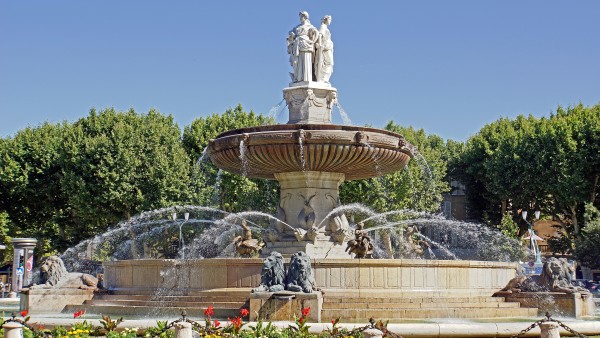
Aix-en-Provence
Where café culture, culture walks, and social evenings meet under southern French light.
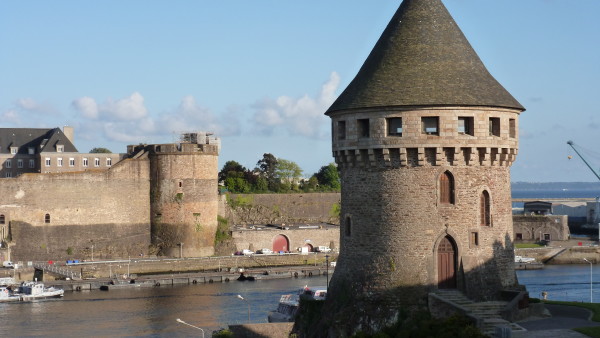
Brest
Where maritime history meets a welcoming French cultural escape
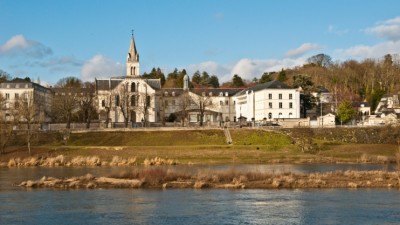
Tours
History, riverside walks, and easy access to France’s cultural heart

Le Mans
Historic streets, elevated stays, and a quietly welcoming French escape.
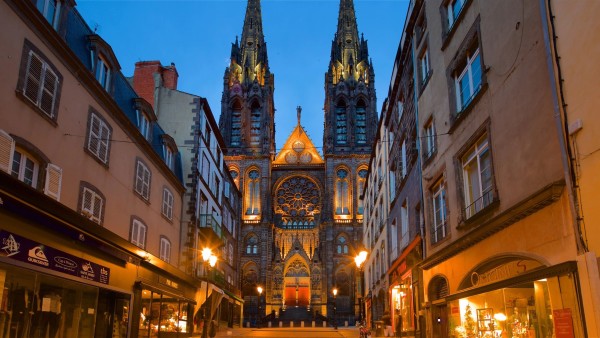
Clermont-Ferrand
Volcanic landscapes, urban culture, and a quietly progressive French stopover.