About Paris
The city’s reputation as a hub for LGBTQ+ rights and culture is deeply rooted in its history, with neighborhoods like Le Marais serving as vibrant centers of LGBTQ+ life.
Le Marais, in particular, is known for its concentration of LGBTQ+ bars, clubs, bookstores, and community centers, making it a focal point for both locals and visitors seeking an inclusive atmosphere.Paris also hosts one of Europe’s largest and most well-known LGBTQ+ events: the Paris Pride (Marche des Fiertés LGBT).
This annual parade and festival celebrate diversity and advocate for LGBTQ+ rights, drawing tens of thousands of participants and spectators each year.
The event is not only a celebration but also a platform for activism and visibility.In addition to social spaces and events, Paris is home to several landmarks and institutions important to LGBTQ+ history and culture.
Museums and cultural centers occasionally feature exhibitions that explore queer history and art, contributing to the city’s role as a place of reflection and education on LGBTQ+ issues.As a journalist and LGBTQ+ activist, I find Paris’s blend of historical significance, vibrant community life, and ongoing activism makes it a compelling destination for travelers interested in exploring LGBTQ+ culture within a rich urban tapestry.
Our Review
Community and Support in Paris: An Analytical Overview
As an LGBTQ+ activist and traveler, I find Paris to be a city with a well-established network of organizations and services dedicated to supporting the LGBTQ+ community.
The city’s history of activism and its contemporary infrastructure provide a solid foundation for community engagement, health services, and social support.
Key LGBTQ+ Organizations and Support Groups
One of the central organizations in Paris is Inter-LGBT, which acts as an umbrella group coordinating various LGBTQ+ associations across the city and the Île-de-France region.
Inter-LGBT is notably responsible for organizing the annual Marche des Fiertés (Paris Pride), a major event that draws tens of thousands of participants and highlights ongoing struggles and achievements within the community.
The Centre LGBT Paris-Île-de-France is another cornerstone institution.
This center offers a range of services including legal advice, social support, health information, and cultural activities.
It functions as a safe space where individuals can access resources tailored to their needs, from counseling to peer support groups.
Le Refuge deserves special mention for its focus on young LGBTQ+ people who face family rejection.
It provides temporary housing and psychological support, addressing a critical need for vulnerable youth in the community.
For those concerned with HIV/AIDS activism and support, Act Up-Paris remains a vital organization.
Known for its direct action campaigns and advocacy, Act Up-Paris continues to influence public health policies and raise awareness about HIV prevention and treatment.
Health Services Including Mental Health and HIV/AIDS Support
Paris offers several specialized health services that cater to the LGBTQ+ community.
Public health centers, known as Centres de Santé, provide comprehensive sexual health services including HIV testing and counseling.
Among these, 190 - Le Centre de Santé Sexuelle stands out for its inclusive approach, offering STI testing, PrEP consultations, and mental health support in a welcoming environment.
Checkpoint Paris is another important resource, providing free and anonymous HIV testing and counseling.
Its non-judgmental atmosphere encourages individuals to access testing and information without stigma.
Community Centers and Resources
Paris also hosts cultural and social spaces that strengthen community bonds.
Les Mots à la Bouche is a well-known LGBTQ+ bookstore that serves as a cultural hub, offering literature and hosting events such as readings and discussions.
La Mutinerie is a feminist and LGBTQ+ bar that doubles as a community space for workshops, film screenings, and social gatherings, fostering a sense of belonging and activism.
Finally, the Centre LGBT Paris-Île-de-France itself functions as a community center with a library, meeting rooms, and regular cultural and social programming, making it a focal point for LGBTQ+ life in the city.
Conclusion
From my perspective, Paris offers a robust and multifaceted support system for LGBTQ+ individuals.
The combination of advocacy organizations, health services, and community spaces creates an environment where people can find both practical assistance and social connection.
These resources reflect the city’s ongoing commitment to LGBTQ+ rights and well-being.
Events and Nightlife in Paris: An LGBTQ+ Perspective
As an LGBTQ+ traveler and activist, I find Paris to be a city that embraces diversity through a rich calendar of events and a vibrant nightlife scene.
Below, I provide an analytical overview of the key annual LGBTQ+ events and the most notable venues that contribute to the city's inclusive atmosphere.
Annual LGBTQ+ Events
Paris Pride (Marche des Fiertés) is the flagship LGBTQ+ event in the city, taking place annually in late June.
This parade is among the largest in Europe, drawing tens of thousands of participants and supporters.
The route traditionally runs from Place de la Concorde to Place de la République, symbolizing a public assertion of LGBTQ+ visibility and rights.
The event is organized by Inter-LGBT, a key advocacy group in France.
For updated details, the official Paris Pride website is a reliable resource.
In November, the Chéries-Chéris Festival offers an important cultural dimension by showcasing LGBTQ+ cinema from around the world.
This film festival provides a platform for diverse voices and stories within the community, held at various cinemas across Paris.
Additionally, Printemps des Assoces, organized by Inter-LGBT in the spring, focuses on community engagement through workshops, performances, and exhibitions.
It is a significant event for advocacy and networking within the local LGBTQ+ community.
Nightlife and Social Venues
The Le Marais district is the historic and cultural heart of LGBTQ+ nightlife in Paris.
It hosts a concentration of bars and clubs that cater to a diverse crowd.
Among the most notable venues is RAIDD Bar, famous for its unique shower shows and energetic atmosphere.
Another popular spot is COX, known for its friendly vibe and mixed clientele.
Outside Le Marais, Les Souffleurs in the 3rd arrondissement offers a more relaxed environment, welcoming a broad spectrum of LGBTQ+ patrons.
Their social media presence provides current event information.
For those interested in clubbing, Le Dépôt is a renowned venue offering techno and house music nights with a strong LGBTQ+ following.
Meanwhile, Badaboum in the Bastille area hosts LGBTQ+ friendly events with an eclectic music selection and vibrant crowd.
Summary
Paris' LGBTQ+ events and nightlife are deeply intertwined with the city's cultural fabric and history of activism.
The annual pride parade, film festival, and community events provide visibility and celebration, while the nightlife venues offer safe and dynamic spaces for socializing and expression.
For anyone visiting Paris with an interest in LGBTQ+ culture, these events and venues represent essential experiences grounded in real community engagement and ongoing advocacy.
Cultural and Social Activities in Paris from an LGBTQ+ Perspective
As an LGBTQ+ activist and traveler, I find Paris to be a city rich with cultural and social activities that embrace and celebrate queer identities.
The city’s long history of LGBTQ+ presence is reflected in its theaters, museums, art galleries, and historical landmarks, as well as in the lives of notable figures who have shaped both Parisian and global queer culture.
Theaters and Performances
Paris offers a vibrant theater scene where LGBTQ+ themes and artists are often showcased.
Venues such as the Théâtre du Palais-Royal and Théâtre Ouvert have hosted avant-garde and contemporary productions that explore queer narratives and challenge societal norms.
These theaters contribute to a dynamic cultural dialogue around gender and sexuality, providing spaces where LGBTQ+ stories can be told authentically.
Museums and Art Galleries
While no major Parisian museum is exclusively dedicated to LGBTQ+ art, several institutions highlight queer artists and themes within their broader exhibitions.
For example, the Musée d'Orsay periodically features works by artists known for their queer identities or themes related to gender and sexuality.
Additionally, contemporary art galleries in neighborhoods like Le Marais often exhibit works by LGBTQ+ artists, fostering visibility and dialogue within the art community.
LGBTQ+ Specific Tours and Historical Landmarks
Specialized tours focusing on LGBTQ+ history in Paris are available through organizations like Queer Paris, which guide visitors through significant sites such as the Marais district—a historic center of LGBTQ+ social life—and landmarks connected to early LGBTQ+ activism.
The Mémorial de la Déportation on Île de la Cité serves as a poignant reminder of the persecution faced by LGBTQ+ individuals during the Holocaust, making it an important site for reflection and education.
Notable LGBTQ+ Figures and Influencers
Paris has been home to many influential LGBTQ+ figures.
Jean Cocteau, a multifaceted artist and openly queer figure, left a lasting legacy in literature, film, and visual arts; his former residence is now a museum that honors his contributions.
Contemporary activists like Alice Coffin, a Paris-based feminist and LGBTQ+ advocate, continue to shape the city’s discourse on queer rights and visibility.
In conclusion, Paris offers a multifaceted cultural landscape that is welcoming to LGBTQ+ individuals and visitors.
Its theaters, museums, and historical sites provide both entertainment and education, while its community continues to thrive through activism and artistic expression.
Accommodation in Paris: An LGBTQ+ Perspective
As an LGBTQ+ traveler and activist, I understand the importance of finding accommodations that are not only comfortable but also explicitly welcoming and inclusive.
Paris, known for its progressive values and vibrant queer culture, offers several options and neighborhoods that cater to LGBTQ+ visitors.
LGBTQ+ Friendly Hotels and Accommodations
Paris has a number of hotels and guesthouses that are recognized for their LGBTQ+ friendliness.
Many of these establishments are located in or near neighborhoods with strong LGBTQ+ communities, ensuring easy access to queer nightlife and cultural spaces.
- Hotel Marais Bastille: Situated in the Marais district, the historic heart of LGBTQ+ life in Paris, this hotel offers a welcoming atmosphere.
The Marais is home to numerous LGBTQ+ bars, clubs, and shops, making it an ideal base. - Hotel des Archives: Also located in the Marais, this hotel is known for its inclusive environment and proximity to key LGBTQ+ venues.
- Mama Shelter Paris: Located in the 20th arrondissement, Mama Shelter is recognized for its inclusive policies and vibrant, eclectic design.
It attracts a diverse clientele and is known for supporting LGBTQ+ rights. - Le 123 Sebastopol - Astotel: Near the Sentier area, this hotel is part of the Astotel group, which is known for welcoming LGBTQ+ guests.
It offers stylish accommodations and is well-situated for exploring central Paris.
Tips for Finding Inclusive Accommodation
When searching for LGBTQ+ friendly accommodations in Paris, I recommend the following approaches:
- Research Reviews: Platforms like TripAdvisor and Booking.com often include guest reviews that mention inclusivity and the atmosphere of the hotel.
- Use LGBTQ+ Specific Platforms: Websites such as Misterb&b specialize in LGBTQ+ friendly lodging and can be a reliable resource.
- Check Official Policies: Many hotels openly state their commitment to diversity and inclusion on their websites.
- Contact Directly: When in doubt, reaching out to the hotel to inquire about their inclusivity policies and local LGBTQ+ scene can provide clarity.
Welcoming Neighborhoods for LGBTQ+ Travelers
The choice of neighborhood can significantly impact the experience of LGBTQ+ travelers in Paris.
The following areas are well-known for their welcoming atmosphere:
- Le Marais: The epicenter of LGBTQ+ culture in Paris, Le Marais hosts a dense concentration of queer bars, clubs, bookstores, and community centers.
Staying here places you at the heart of Parisian LGBTQ+ life. - Canal Saint-Martin: This trendy neighborhood has a bohemian vibe and is known for its inclusive cafes and bars, attracting a diverse crowd.
- Montmartre: While more traditionally known for its artistic heritage, Montmartre offers a welcoming environment with several LGBTQ+ friendly establishments.
In conclusion, Paris provides a variety of accommodation options and neighborhoods that are supportive and welcoming to LGBTQ+ travelers.
Prioritizing inclusivity and proximity to LGBTQ+ cultural hubs can enhance the experience and safety of your visit.
Dining and Entertainment in Paris: An LGBTQ+ Perspective
As an LGBTQ+ activist and traveler, I have found Paris to be a city that embraces diversity and inclusivity, particularly in its dining and entertainment scenes.
The city offers a variety of venues that are welcoming to LGBTQ+ individuals, ranging from historic cafés to vibrant nightlife spots and cultural institutions that highlight queer voices.
Dining: LGBTQ+ Friendly Restaurants and Cafés
Paris’s Marais district is widely recognized as the heart of the city’s LGBTQ+ community, and it hosts several eateries known for their inclusive atmospheres.
- Café de Flore: Located in Saint-Germain-des-Prés, this café is one of Paris’s most iconic establishments.
While not exclusively LGBTQ+, its historic significance and open-minded clientele make it a welcoming spot for queer visitors seeking a classic Parisian experience.
(No official URL provided) - Le Gai Moulin: Situated in the Marais, this restaurant is popular within the LGBTQ+ community for its friendly environment and eclectic menu.
It serves as a great starting point before exploring nearby nightlife. - La Mutinerie: This feminist bar and cultural space is explicitly LGBTQ+ inclusive, hosting a range of events from poetry readings to live music.
It fosters a safe and creative environment for queer expression.
lamutinerie.eu
Entertainment: Cinemas, Theaters, and Live Performances
Paris offers several cultural venues that highlight LGBTQ+ themes and provide inclusive spaces for entertainment.
- MK2 Beaubourg: Located in the Marais, this cinema is known for screening LGBTQ+ films and hosting special events such as the Paris LGBTQ+ Film Festival.
It is a key venue for queer cinema enthusiasts.
mk2.com - Théâtre du Rond-Point: This theater is recognized for its progressive programming, often featuring plays and performances that explore LGBTQ+ issues and narratives.
It serves as an important cultural platform for queer artists.
theatredurondpoint.fr - Le Tango (La Boîte à Frissons): A legendary LGBTQ+ nightclub offering dance nights and live shows, Le Tango provides an inclusive space for socializing and celebrating queer culture.
boite-a-frissons.fr
In summary, Paris’s dining and entertainment venues reflect the city’s commitment to inclusivity and diversity.
Whether you are seeking a quiet café with historical significance or a dynamic nightclub with a vibrant queer scene, Paris offers spaces that welcome and celebrate LGBTQ+ identities.
Travel Tips for LGBTQ+ Travelers Visiting Paris
As an LGBTQ+ traveler visiting Paris, I approach the city with both enthusiasm and awareness, grounded in verified information and lived experiences shared by the community.
Paris is widely recognized as one of the most LGBTQ+ friendly capitals in Europe, but practical knowledge about local customs, safety, and community engagement is essential for a smooth and respectful visit.
Local Customs and Social Etiquette
Parisian society is generally open-minded, especially in central neighborhoods like Le Marais, which is known as the historic LGBTQ+ district.
However, it is important to remember that public displays of affection (PDA) between same-sex couples, while increasingly accepted, may still attract attention in more conservative or residential areas.
Discretion is advised in such contexts, particularly near religious sites or in less touristy neighborhoods.
French communication style tends to be more formal and reserved compared to some other cultures.
Greeting with a polite “Bonjour” or “Bonsoir” and using basic French phrases can foster positive interactions.
Avoid overly familiar physical contact with strangers, as personal space is valued.
Safety Considerations
Paris is generally safe for LGBTQ+ travelers, but standard precautions apply.
The Le Marais neighborhood is considered the safest and most welcoming area for LGBTQ+ visitors, with numerous bars, clubs, and shops catering to the community.
Outside of this area, especially late at night, it is wise to stay in well-lit, populated places and remain vigilant about personal belongings.
Emergency numbers in France are:
- Police: 17
- Medical emergencies: 15
- Fire department: 18
- European emergency number: 112
Connecting with the Local LGBTQ+ Community
Le Marais remains the cultural and social hub for LGBTQ+ life in Paris.
Venues such as RAIDD Bar are well-known for their welcoming atmosphere and themed events.
For a more relaxed setting, Café de Flore is a historic café frequented by diverse crowds, including LGBTQ+ patrons.
Paris hosts significant annual LGBTQ+ events, most notably the Paris Pride Parade (Marche des Fiertés), which draws thousands of participants and allies each year.
The city also supports LGBTQ+ cultural events like the Paris LGBTQ+ Film Festival, offering opportunities to engage with local and international queer cinema.
Online platforms such as Meetup host groups specifically for LGBTQ+ individuals in Paris, facilitating social connections and community activities.
Additionally, bookstores like Les Mots à la Bouche provide a safe space to explore LGBTQ+ literature and meet locals.
Summary
Paris offers a vibrant and largely welcoming environment for LGBTQ+ travelers.
By respecting local customs, staying aware of your surroundings, and engaging with established community spaces and events, you can experience the city’s rich queer culture safely and meaningfully.
Conclusion: An Analytical Overview of Paris from an LGBTQ+ Perspective
As someone deeply engaged with LGBTQ+ history and community dynamics, I find Paris to be a city of considerable significance and complexity for LGBTQ+ travelers.
The city’s reputation as a progressive and culturally rich destination is well-earned, especially given its historical role in LGBTQ+ activism and the vibrant community that thrives today.
Strengths:
- Inclusive Atmosphere: Paris has cultivated a generally welcoming environment for LGBTQ+ individuals, particularly in neighborhoods like the Marais, which serves as the epicenter of LGBTQ+ social life with numerous bars, cafes, and cultural venues.
- Community and Cultural Resources: Institutions such as the Centre LGBT Paris-Île-de-France provide vital support, cultural programming, and historical context, enriching the experience of visitors and locals alike.
- Events and Visibility: The annual Paris Pride Parade is a major event that highlights the city’s commitment to LGBTQ+ visibility and rights, attracting diverse participants and fostering solidarity.
Challenges:
- Incidents of Discrimination: While Paris is broadly inclusive, LGBTQ+ travelers should remain aware that occasional instances of homophobia or discrimination can occur, as in many large cities.
Exercising standard travel caution is advisable. - Language Considerations: Although many Parisians speak English, especially in tourist areas, some knowledge of French can enhance communication and access to community resources.
Final Recommendations:
For LGBTQ+ travelers, I recommend immersing yourself in the Marais district to experience the heart of Paris’s LGBTQ+ culture.
Attending events like the Paris Pride Parade can provide meaningful engagement with the community.
Additionally, visiting the Centre LGBT Paris-Île-de-France can offer valuable insights and support during your stay.
Beyond LGBTQ+ specific venues, Paris’s rich cultural heritage—its museums, historic sites, and culinary scene—complements the experience, making it a well-rounded destination.
In summary, Paris stands as a city that balances its historic charm with a progressive and visible LGBTQ+ community.
While challenges exist, the city’s strengths and resources make it a rewarding and important destination for LGBTQ+ travelers seeking both cultural enrichment and community connection.
Other Guides in France
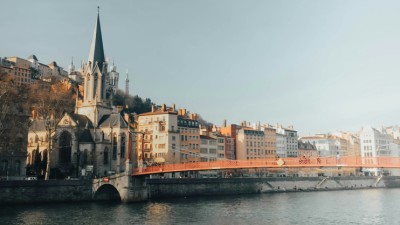
Lyon
Gastronomic Capital of the World
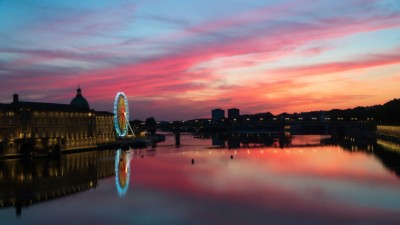
Toulouse
The Pink City
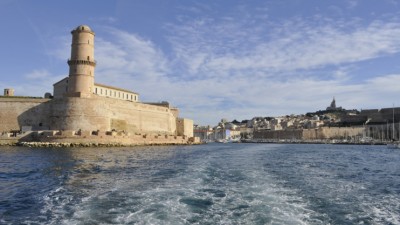
Marseille
The Old Lady of the Mediterranean
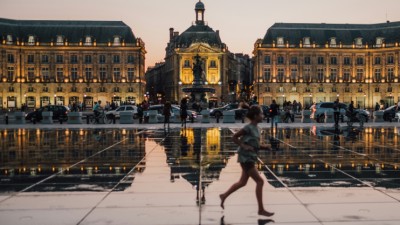
Bordeaux
The Pearl of Aquitaine
Nantes
Venice of the West
Lille
Capital of Flanders
Nice
Nice, la Belle
Montpellier
Sun-Kissed Mediterranean Jewel
Reims
The Champagne Capital

Le Havre
Rebuilt Beauty by the Sea
Villeurbanne
Urban Art and Culture Hub
Strasbourg
Crossroads of Europe
Toulon
Naval Heritage and Coastal Beauty
Dijon
Gastronomy and Heritage

Angers
City of Flowers and Vineyards
Rennes
The Heart of Brittany
Saint-Étienne
Design and Innovation
Nîmes
The French Rome
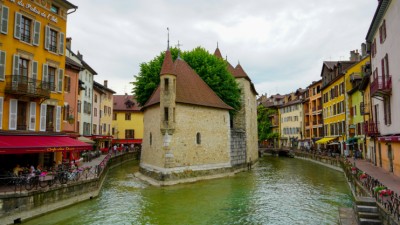
Annecy
The Venice of the Alps
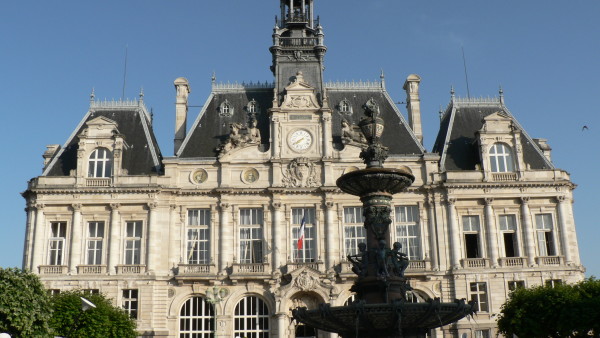
Limoges
The Art of Fire
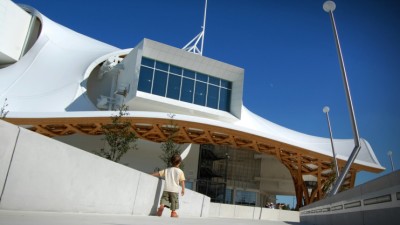
Metz
La Ville Jardin
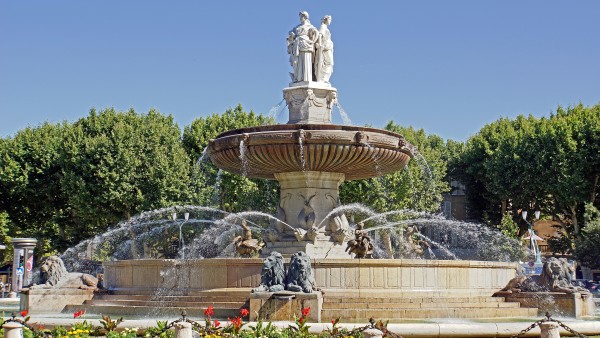
Aix-en-Provence
City of Water, City of Art

Brest
en résistance

Tours
The Garden of France

Le Mans
Between Tradition and Innovation
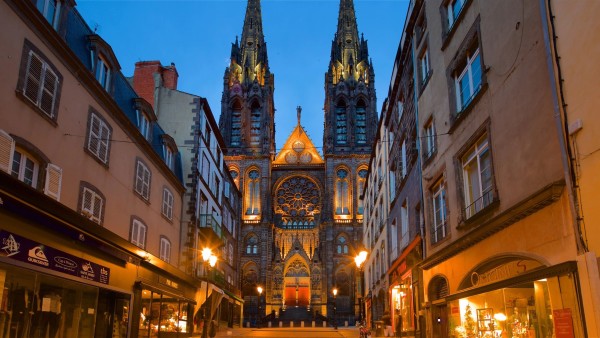
Clermont-Ferrand
Naturally Volcanic