- Not LGBTQ+ Friendly
- 4 City Guides
- 0 Likes
- Leave a comment
About Egypt
Travel overview
Egypt is one of the world’s most compelling travel destinations, drawing visitors with a mix of ancient history, dramatic desert landscapes, major river scenery, and a lively modern urban culture centered on the Nile.
It stretches across northeastern Africa and into southwest Asia through the Sinai Peninsula, giving it an unusual geographic identity that is part Mediterranean, part Middle Eastern, and part African.
For many travelers, the appeal is immediate: this is the country of the Pyramids of Giza, the Sphinx, Luxor’s temple complexes and tombs, and the Nile, whose banks have sustained settlement for millennia.
For LGBTQ+ travelers, Egypt can be culturally fascinating but also legally and socially sensitive.
The source material notes that LGBTQ+ people face severe challenges in the country, including widespread discrimination and violence and frequent police prosecution of gay and transgender people.
That reality makes discretion, local awareness, and careful judgment especially important.
Travelers should plan conservatively, avoid public displays of affection, and be mindful that social attitudes and enforcement can be unpredictable.
What Egypt feels like as a destination
Egypt rewards travelers who are interested in history, archaeology, and living culture in equal measure.
The country’s biggest draw is its extraordinary concentration of world-famous heritage sites, many of them set in landscapes that are as memorable as the monuments themselves.
Beyond the headline attractions, Egypt also offers a strong sense of place: crowded streets, riverfront life, long-established markets, mosque skylines, seaside resorts, and desert horizons all contribute to a trip that can feel intensely layered and distinctive.
Cairo, the capital and largest city, is often the starting point.
It is a sprawling metropolis where ancient landmarks, museums, Islamic architecture, contemporary neighborhoods, and busy commercial districts sit close together.
It can be hectic, but it is also one of the best places to understand modern Egypt’s energy and complexity.
Further south, Upper Egypt is the classic Nile travel corridor, where Luxor and Aswan anchor some of the country’s most significant ancient sites.
In the far southeast, the Sinai Peninsula adds a different character, with mountain scenery, Red Sea access, and a strong sense of geographic separation from the rest of the country.
Along the coast, the Red Sea and Mediterranean shores offer a more resort-oriented experience.
Geography and climate
Egypt’s geography is one of its defining features.
Most of the country is desert, with habitation and agriculture concentrated along the Nile Valley, the Nile Delta, and a handful of coastal and oasis regions.
This creates a striking travel pattern: huge open spaces and archaeological landscapes in one direction, dense urban and river life in another.
The Sinai Peninsula and the Red Sea coastline add mountain and marine scenery, while the northern Mediterranean coast offers a different maritime setting.
Because so much of Egypt is arid, weather can shape the travel experience significantly.
Heat is a major factor in much of the country, especially outside the cooler months, and sightseeing often involves early starts and practical planning around midday temperatures.
Travelers who are prepared for sun, dust, and long days will usually find the country much easier and more enjoyable to navigate.
Food and everyday culture
Egyptian cuisine is an important part of the travel experience and one of the easiest ways to connect with daily life.
Meals often reflect the country’s position at the intersection of African, Mediterranean, and Middle Eastern influences.
Travelers will encounter hearty, familiar, and satisfying dishes that work well for street food, casual meals, and family-style dining.
Food culture is social and rooted in routine, and even simple meals can feel memorable because of the atmosphere around them.
Culture in Egypt is also deeply shaped by religion, history, and urban-rural contrasts.
Islamic architecture and traditions are highly visible, while Coptic Christian heritage also plays a major historical role.
In major cities, modern fashion, nightlife, and consumer culture exist alongside conservative social norms.
For visitors, this means Egypt can feel simultaneously cosmopolitan and traditional, sometimes in the same neighborhood.
That tension is part of what makes the country distinctive, but it also means travelers should read situations carefully and adapt to local expectations.
Key destinations
Cairo is the essential gateway, both for practical travel and for its cultural weight.
It offers the country’s strongest concentration of museums, historic districts, and access to the Giza plateau.
Nearby Giza is where many first-time visitors go to see Egypt’s most iconic ancient monuments.
Luxor is often described as an open-air museum because of its extraordinary concentration of temples and tombs, while Aswan is valued for its river setting, relaxed pace, and access to important ancient and modern sights in southern Egypt.
For travelers looking beyond the classical Nile route, Alexandria offers a Mediterranean atmosphere and a long historical legacy.
The Sinai Peninsula appeals to those interested in mountain landscapes and Red Sea access, while Red Sea destinations are popular for beach and diving travel.
Egypt’s travel appeal is not limited to one type of trip: it can be a bucket-list archaeology journey, a river-and-city itinerary, a coastal escape, or a broad cultural exploration.
Why Egypt stands out
What makes Egypt especially distinctive is the combination of scale and continuity.
Few countries offer such an immediate encounter with ancient civilization, yet Egypt is not a museum piece; it is a large, living country with millions of people navigating modern urban life, economic pressures, and strong social traditions.
That blend gives travel here a powerful sense of depth.
You are not only visiting monuments, but also moving through a society whose history is visible in daily life, architecture, language, religion, and landscape.
For LGBTQ+ travelers, that same depth requires caution.
Egypt can be an extraordinary destination, but it is not a place where openness about identity should be assumed to be safe.
A thoughtful itinerary, discreet behavior, and a clear understanding of local risk will help travelers focus on what Egypt does best: unforgettable history, iconic scenery, and a travel experience that is unlike almost anywhere else.
LGBTQ+ Overview
Overview
Egypt is a high-risk destination for LGBTQ+ travelers. Same-sex conduct is not openly legalized in practical terms, and in recent years authorities have continued to use broad morality, public decency, or “debauchery” style charges to target people suspected of being LGBTQ+. The legal environment is not transparent or protective, and the country’s established safety rating remains E, reflecting severe legal and personal safety risk.
For visitors, the biggest issue is not only the formal law but also how it is enforced. People perceived as LGBTQ+ can face police scrutiny, detention, entrapment through dating apps or online communications, blackmail, public exposure, and social harassment. Even when travelers are not openly identifying as LGBTQ+, profile photos, messages, or local contacts can create risk if they are discovered by the wrong person.
Legal status and enforcement
Egypt does not have comprehensive legal protections for LGBTQ+ people, and there is no indication of meaningful national safeguards against discrimination in employment, housing, or public life. The legal picture is especially difficult because enforcement often relies on vaguely defined offenses rather than explicit “LGBTQ” statutes. In practice, this gives authorities wide latitude. People suspected of same-sex intimacy or gender nonconformity may be charged under public morality or decency laws, and police have been reported to target gay and transgender people.
For travelers, the safest assumption is that any public expression of same-sex affection, gender nonconformity, or discussion of LGBTQ+ identity can draw unwanted attention. Same-sex couples should avoid behavior that would be unremarkable in more accepting destinations, including holding hands or showing affection in public. Trans travelers may be subject to extra scrutiny, especially in places where documents, appearance, and perceived gender do not align neatly.
Social climate
The social climate is generally hostile or highly conservative. Openly LGBTQ+ people may face discrimination, verbal abuse, or violence, and there is limited visible public support. Because social norms are strict, even a low-profile traveler can encounter problems if neighbors, hotel staff, taxi drivers, or local acquaintances suspect they are LGBTQ+. The risk is often higher outside the most cosmopolitan settings, but even in major cities travelers should not assume privacy or acceptance.
Public discussion of LGBTQ+ topics is limited and can be sensitive. Online spaces are not necessarily safe either, because digital monitoring, fake profiles, screenshot sharing, and extortion are all plausible risks. Travelers should treat dating apps and social media with caution and avoid sharing identifying details, travel plans, accommodation information, or images that could be used against them.
Common traveler risks
The most common risks are police attention, entrapment, blackmail, and outing. Some travelers are contacted online by people who then arrange meetings that lead to theft, extortion, or police involvement. Others are reported by acquaintances, hotel staff, or taxi drivers. If confronted, the situation can escalate quickly, especially if local authorities decide to investigate phones or online accounts.
Another practical risk is the loss of privacy in accommodations. Shared rooms, informal rentals, and small hotels may not offer discretion. Same-sex couples should plan for conservative assumptions from staff and other guests, and avoid discussing relationship details where they can be overheard. Public displays of affection, even those that would not be sexual elsewhere, can attract attention and potentially trigger trouble.
Trans travelers may face difficulties with airport screening, identity checks, and interactions where appearance and passport gender markers do not match expectations. Carry documentation that is consistent and easy to present, and be prepared for questions without volunteering more information than necessary. If you use medication or other transition-related supplies, keep them in original packaging and bring a copy of the prescription if possible.
Practical safety advice
Discretion is essential. Avoid mentioning LGBTQ+ identity to strangers, and do not assume that hotel staff, guides, drivers, or internet contacts are safe confidants. Use secure communication habits, disable location sharing, and consider separating travel accounts from personal ones. If you use dating apps, keep profiles vague, do not link them to your main social media, and be extremely cautious about meeting anyone in private or unfamiliar places.
Choose accommodations carefully and favor larger, more international hotels where staff are accustomed to foreign guests, while still maintaining privacy. Keep public behavior conservative, especially in airports, transport hubs, religious sites, and government-heavy areas. If you are traveling as a couple or with friends, agree in advance on how to respond if questioned, and keep emergency contacts accessible. Avoid carrying visible LGBTQ+ symbols or items that could draw attention in baggage or on your person.
Support resources and trajectory
There are no reliable, clearly established in-country support networks that travelers should count on in an emergency, and assistance options may be limited by the same social and legal pressures that create the risk in the first place. Embassy support may be more practical than local advocacy channels if you face detention, harassment, or extortion, though consular help cannot override local law. It is wise to register trip details with your embassy if your government offers that service, and to keep copies of key documents outside your phone.
In terms of trajectory, the overall picture has remained bleak rather than improving. Reports continue to describe discrimination, police targeting, and a harsh environment for LGBTQ+ residents and visitors. Travelers should therefore plan on Egypt remaining a severe-risk destination, not a country where conditions are trending toward safety or visibility for LGBTQ+ people.
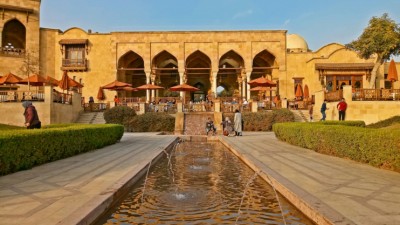
Cairo
Ancient wonders, modern rhythms, and mindful travel.
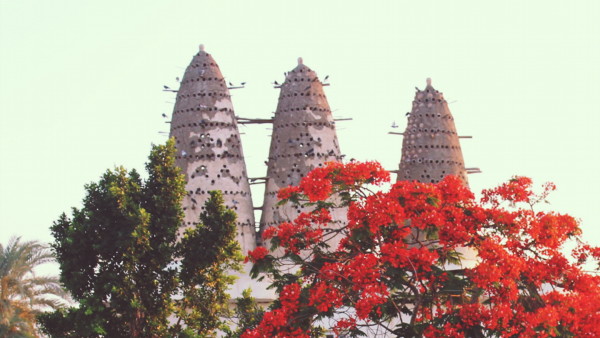
Shubrā al Khaymah
A grounded stop on the edge of Cairo, best approached with local context in mind.
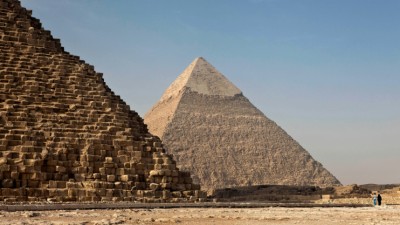
Giza
Walk through living history beside the Nile’s western bank.
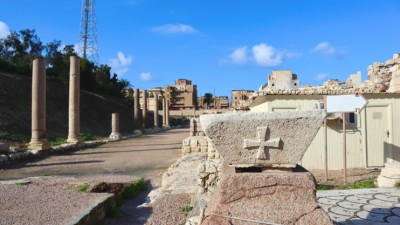
Alexandria
A coastal city of classical heritage, café culture, and resilient everyday travel.