- LGBTQ+ Friendly
- 3 City Guides
- 0 Likes
- Leave a comment
About Czech Republic
Overview
The Czech Republic, also known as Czechia, is a compact Central European country that combines a strong sense of history with an easy, traveler-friendly scale.
Landlocked and bordered by Austria, Germany, Poland, and Slovakia, it is often experienced as a country of walkable cities, orderly public transport, and landscapes that shift quickly from river valleys and rolling hills to low mountains and forested countryside.
Its capital, Prague, is the largest city and the country’s most famous draw, but much of the appeal of the Czech Republic lies in how much variety it offers beyond the capital as well.
For LGBTQ+ travelers, the Czech Republic is often appealing because it feels relatively straightforward and practical to visit.
Major cities are easy to navigate, tourism infrastructure is well developed, and the country’s cultural life is rich enough to support everything from museum visits and classical music to beer halls, historic squares, and long evenings in cafés.
As with many European destinations, day-to-day experiences can vary between urban and rural settings, but the overall travel experience is generally centered on sightseeing, architecture, food, and relaxed exploration rather than on beach resorts or high-adrenaline adventure travel.
What makes it distinctive
What sets the Czech Republic apart is the way it condenses so many recognizable European themes into a relatively small area.
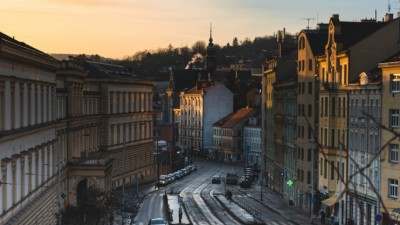
Prague’s Gothic, Baroque, and Art Nouveau streetscapes are famous, but the country also has a strong identity of its own: a deep beer culture, a tradition of spa towns, preserved medieval centers, and a reputation for good-value city breaks compared with many Western European destinations.
The country’s history is visible everywhere, from castles and old town squares to reminders of the Habsburg era and the long period when the region was known as Bohemia.
The landscape is another part of the country’s character.
The Czech Republic is hilly rather than dramatically alpine, which makes it especially suited to scenic road and rail travel, cycling, and short stays that combine multiple cities.
It is not a vast country, so travelers can often move between major destinations without losing much time to transit.
That ease of movement is one reason the country works well for visitors who want to pack several different experiences into one trip.
Major destinations and travel appeal
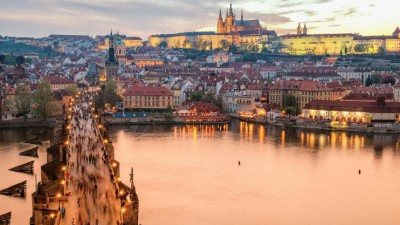
Prague is the obvious starting point for most travelers.
It is the country’s cultural and political center, with a dense historic core, striking river views, major museums, and a nightlife scene that can be lively without being overwhelming.
For many visitors, Prague is the quintessential Czech experience: elegant architecture, strong café culture, and a city that rewards wandering on foot.
It is also the easiest place to use as a base for LGBTQ+ travelers looking for the widest range of dining, entertainment, and urban comforts.
Beyond Prague, Brno is often appreciated for its younger, more understated urban feel.
It gives travelers a sense of contemporary Czech life alongside historic architecture and a strong student presence.
Other destinations that help round out the country include Český Krumlov, with its famously picturesque old town and castle setting, and spa towns such as Karlovy Vary, which reflect the Czech Republic’s long tradition of wellness travel and grand resort architecture.
In the eastern part of the country, Olomouc offers another attractive historic center with a more local, less tourist-heavy atmosphere.
Because the Czech Republic is relatively small, many travelers enjoy combining cities with countryside or regional excursions.
The country’s castle routes, wine regions in the south, and protected natural areas can all be fitted into a broader itinerary.
That flexibility is part of the Czech Republic’s appeal: it works equally well as a focused Prague city break, a multi-stop cultural trip, or a slower tour that mixes architecture, scenery, and food.
Culture, food, and everyday atmosphere
Czech culture tends to come through in practical, everyday ways.
Cafés, pubs, concert halls, and public squares all play an important role in city life.
Beer is a major part of the national image, and the country is widely known for its brewing traditions, but travelers will also find a strong appreciation for hearty Central European cooking, pastry shops, and seasonal dishes that match the climate.
The food is often comforting rather than delicate, with meat, dumplings, soups, and rich sauces featuring prominently in traditional cuisine.
For visitors, this means the Czech Republic is a place where travel pleasure often comes from atmosphere as much as from checklist sightseeing.
A morning spent in a museum or cathedral might lead into an afternoon café stop and an evening in a historic restaurant or beer hall.
The cultural rhythm feels grounded and accessible, which suits travelers who like to observe a city’s everyday life rather than just move from landmark to landmark.
Overall, the Czech Republic is distinctive because it offers classic Central European charm in a concentrated, manageable package.
It is historically layered, geographically varied, and easy to explore, with enough major sights and local character to reward both first-time visitors and repeat travelers.
For LGBTQ+ travelers planning a European trip, it is a destination that often fits well into a wider itinerary while still standing on its own as a memorable, visually rich, and culturally distinctive country.
LGBTQ+ Overview
LGBTQ+ overview
The Czech Republic is generally one of the more favorable destinations in Central Europe for LGBTQ+ travelers. Same-sex sexual activity has been legal for many years, and the country has a long-standing reputation as comparatively open by regional standards, especially in Prague and other larger cities. Travelers usually find day-to-day life manageable and, in urban settings, often unremarkable rather than openly hostile.
That said, legal recognition and full equality are not complete. The country does not currently offer same-sex marriage, and family rights are more limited than in the strongest-protection countries in Western Europe. The practical result for visitors is that the most important legal concerns are usually less about criminal risk and more about the uneven pace of equality in family law, documentation, and public attitudes. For most tourists, the main issues are social comfort and occasional discrimination rather than formal legal danger.
Legal status and traveler implications
For travelers, the baseline legal environment is safe. There is no criminal penalty for same-sex intimacy, and LGBTQ+ people can generally travel without needing to hide their identity for legal reasons. Change-of-gender and related identity issues are more complex in domestic law than in the most progressive countries, but those matters are unlikely to affect a short-term visitor unless they intersect with documents, medical care, or administrative processes.
Same-sex couples should still be aware that relationship recognition is limited compared with countries where marriage equality is established. If you are traveling as a family or as a couple relying on legal recognition for matters such as hospitalization decisions, child-related permissions, or inheritance, do not assume Czech authorities will treat your relationship the same way they would in a marriage-equality jurisdiction. Travelers should carry clear documentation for guardianship or parental status when relevant, just as they would in any country where their family structure may not be fully recognized.
Social climate
Social attitudes in the Czech Republic are mixed but generally more accepting in cities and among younger people than in rural areas or older demographics. Prague is typically the most comfortable environment for LGBTQ+ travelers, and other urban centers tend to be more moderate than the country’s conservative pockets. Public affection between same-sex partners is usually possible in tourist areas, but as in many European destinations, visibility can still draw looks, comments, or awkward reactions in less cosmopolitan settings.
Compared with countries that have strong anti-LGBTQ+ political climates, overt hostility is less common. Even so, travelers should not assume universal acceptance. Casual prejudice, jokes, or dismissive comments can still occur, and trans travelers may encounter more misunderstanding than gay and lesbian travelers. For most visitors, the experience is best described as broadly safe but uneven, with the quality of the visit depending heavily on location and context.
Common traveler risks
The most common risks are social rather than legal: uncomfortable stares, occasional verbal harassment, and discrimination in nightlife or private-service settings. These problems are more likely outside major urban and tourist-oriented areas, and they can be more pronounced late at night or in alcohol-heavy environments. Standard city-safety habits matter, especially if you are meeting new people through apps, visiting bars, or returning late from nightlife districts.
As in many destinations, app-based dating can create ordinary personal-safety risks that are not specific to the Czech Republic but may be amplified if you are unfamiliar with the local scene. Meet in public first, let someone know where you are going, and be cautious about accepting invitations to isolated locations. For trans and nonbinary travelers, the larger concern is usually misgendering or bureaucratic friction rather than overt danger, though discretion may still be wise in conservative settings.
Support resources and where travelers tend to look
Prague is the easiest place to find LGBTQ+ friendly accommodations, venues, and community visibility, and it is generally the safest base for travelers who want a more openly queer social environment. Larger cities also tend to have more inclusive service providers and more English-speaking staff, which can reduce stress if you need assistance. If you require urgent help, use standard emergency services and, where possible, seek out local medical providers or hotels with a reputation for serving international guests.
Because the source pack does not verify specific local organizations, this guide avoids naming groups or venues that may be out of date. A practical approach is to rely on your hotel concierge, established hospitality brands, and up-to-date local listings for current safe-space options. Travelers with health, legal, or documentation concerns should prepare in advance with copies of key papers and travel insurance that clearly covers their needs.
Recent trajectory
The overall trajectory has been gradual improvement rather than dramatic transformation. The Czech Republic remains relatively tolerant by regional standards, but reforms in full relationship equality and broader family recognition have lagged behind public visibility in major cities. In practical terms, this means travelers can expect a reasonably comfortable visit today, while also recognizing that the country is not yet at the level of the most LGBTQ+ protective destinations in Europe.
For most visitors, the takeaway is straightforward: the Czech Republic is a safe and usually welcoming country for LGBTQ+ travel, especially in Prague and other urban centers, but it still has meaningful legal gaps and uneven social attitudes. If you travel with normal urban caution and avoid assuming universal acceptance, the overall experience is typically positive.