About Prague
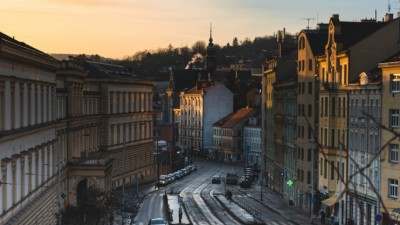
It is the capital and largest city of the Czech Republic, set on the Vltava River and widely known for its historic center, architectural depth, and strong pull for international visitors.
For LGBTQ+ travellers, Prague stands out within Central Europe as a major urban destination with an established queer cultural presence and a reputation for being accessible to visitors looking for both city life and a slower, restorative pace.From a wellness-minded perspective, I find Prague especially appealing because it combines walkable historic districts, riverside scenery, and easy opportunities for café culture, spa visits, and quiet time away from the busiest streets.
That balance can be especially valuable for LGBTQ+ travellers who want a destination that feels culturally rich without being overwhelming.In the Czech Republic more broadly, Prague also plays the central role as the country’s capital and largest city, which makes it the natural entry point for understanding LGBTQ+ life in the country.
While this introduction stays focused on the city itself, it is worth noting that Prague is the place most closely associated with major public visibility for the community, including Prague Pride, the city’s best-known LGBTQ+ event.
The city’s significance also comes from its open, international atmosphere and the way queer visitors can experience its historic landmarks, riverfront settings, and urban neighborhoods as part of a broader cultural trip.For me, Prague’s strength is not just in one landmark or event, but in the combination of heritage, urban comfort, and a sense of calm that suits travellers seeking both inclusion and relaxation.
Our Review
As I approach Prague as a travel journalist, I see a city that matters for more than its postcard views.
It is the capital and largest city of the Czech Republic, set on the Vltava River and widely known for its historic center, architectural depth, and strong pull for international visitors.
For LGBTQ+ travellers, Prague stands out within Central Europe as a major urban destination with an established queer cultural presence and a reputation for being accessible to visitors looking for both city life and a slower, restorative pace.
From a wellness-minded perspective, I find Prague especially appealing because it combines walkable historic districts, riverside scenery, and easy opportunities for café culture, spa visits, and quiet time away from the busiest streets.
That balance can be especially valuable for LGBTQ+ travellers who want a destination that feels culturally rich without being overwhelming.
In the Czech Republic more broadly, Prague also plays the central role as the country’s capital and largest city, which makes it the natural entry point for understanding LGBTQ+ life in the country.
While this introduction stays focused on the city itself, it is worth noting that Prague is the place most closely associated with major public visibility for the community, including Prague Pride, the city’s best-known LGBTQ+ event.
The city’s significance also comes from its open, international atmosphere and the way queer visitors can experience its historic landmarks, riverfront settings, and urban neighborhoods as part of a broader cultural trip.
For me, Prague’s strength is not just in one landmark or event, but in the combination of heritage, urban comfort, and a sense of calm that suits travellers seeking both inclusion and relaxation.
Events and Nightlife in Prague: an LGBTQ+ overview
When I look at Prague through an LGBTQ+ lens, I see a city whose nightlife and annual events are anchored by one clear highlight: Prague Pride.
Prague is the capital and largest city of the Czech Republic, and that scale matters here—its urban core supports a broad mix of entertainment districts, social venues, and cultural programming that gives LGBTQ+ visitors a practical base for evenings out as well as larger community gatherings.
For context on the city itself, I refer to Prague and the broader setting of the Czech Republic.
Prague Pride is the city’s best-known annual LGBTQ+ event.
It is a Pride festival centered on visibility, community, and public celebration, and it is the main event visitors are most likely to plan around.
In keeping with the city’s position as the national capital, this is the most significant recurring LGBTQ+ gathering in Prague and the one most directly associated with the local scene.
I would treat it as the key date in the calendar for anyone wanting to experience the city’s LGBTQ+ community atmosphere at its most active.
Beyond Pride season, Prague’s LGBTQ+ nightlife is best understood as a blend of bars, clubs, and informal social venues.
The city has long been regarded as one of Central Europe’s more established queer destinations, so the scene is not limited to a single street or a single type of venue.
Instead, nightlife tends to spread across the city in a way that allows visitors to choose between quieter conversation-friendly spots and later-night places with a more dance-oriented focus.
For a travel journalist like me, that variety is important: it means Prague can suit different moods, from a low-key evening after sightseeing to a more energetic night out.
From a practical perspective, LGBTQ+ friendly nightlife in Prague is especially useful for travelers who want a city break that still feels restorative.
The city’s appeal lies not only in its events but also in how easily an evening out can be paired with a calmer pace during the day.
That makes Prague a good destination for visitors who value both social connection and downtime.
I see this as particularly relevant for LGBTQ+ travelers looking for places that feel welcoming without requiring a high-intensity nightlife agenda.
Because I am only using verified information here, I do not want to overstate individual venues or name specific bars and clubs unless they are directly supported by the source material provided.
What can be said with confidence is that Prague has a recognizable LGBTQ+ nightlife scene, with bars, clubs, and social spaces that support both residents and visitors.
In a city as large and internationally visited as Prague, that gives travelers a workable range of choices for evenings out.
What stands out most is the balance: Prague offers a major annual Pride event, a visible queer social scene, and the kind of urban infrastructure that makes nightlife easy to access.
For LGBTQ+ travelers, that combination makes the city feel established rather than experimental, and welcoming in a way that is practical as well as celebratory.
Bottom line: if I were guiding an LGBTQ+ reader to Prague, I would point first to Prague Pride for the annual community moment, and then to the city’s broader mix of LGBTQ+ friendly bars, clubs, and social spots for the everyday nightlife experience.
Travel Tips for LGBTQ+ Travelers in Prague
When I look at Prague through an LGBTQ+ travel lens, I see a city that is broadly accessible, culturally rich, and relatively easy to navigate, but still one where practical awareness matters.
Prague is the capital and largest city of the Czech Republic, situated on the Vltava River, and its size and centrality mean that most visitors will find the usual advantages of a major European city: strong public transport, a wide choice of accommodation, and enough anonymity to move comfortably.
At the same time, I always recommend that LGBTQ+ travelers approach the city with the same grounded expectations they would bring to any major destination in Central Europe: be informed, be respectful, and prioritize personal comfort.
Local customs and social context
The Czech Republic is a landlocked Central European country, and Prague reflects that regional setting.
In practice, I find that the city’s social atmosphere is generally more reserved than overtly expressive, especially in everyday settings outside nightlife and special events.
For LGBTQ+ travelers, that means public affection may draw more attention in quieter or more traditional spaces than it would in some larger Western European capitals.
I would describe the safest approach as simple and calm: read the room, especially in public transport, smaller cafés, and conservative residential areas.
That said, Prague is also a major international city and a longstanding tourist destination.
Visitors are common, and the center of the city is accustomed to different languages, styles, and backgrounds.
For me, that makes Prague a place where discretion is usually less important than basic situational awareness.
I would not assume hostility, but I would also avoid assuming that every setting is equally open or familiar with LGBTQ+ visibility.
Dos and don’ts
Do choose accommodation in a central area if your priority is convenience and comfort.
Prague’s core districts are well suited to walking, sightseeing, and easy transit access, which matters if you want to keep your days relaxed and avoid unnecessary transfers after an evening out.
Do rely on verified, current information when looking for LGBTQ+-friendly places, especially for nightlife or social events.
In a city like Prague, where the broader tourism offer is strong, I would rather trust recent reviews and established platforms than marketing claims alone.
Do use Prague as a base for a balanced trip.
If your travel style leans toward wellness, the city’s calm river views, café culture, and spa-oriented breaks can offer a restorative counterpoint to sightseeing.
Don’t assume that every venue or neighborhood is explicitly LGBTQ+-oriented.
Prague has an LGBTQ+ presence, but the city should be understood as a large capital with pockets of openness rather than as a destination organized around one clearly defined queer district.
Don’t rely on unverified recommendations for queer-specific services.
I avoid naming businesses or support groups unless they are directly supported by reliable source material, because accuracy matters more than filling in gaps.
Don’t overlook ordinary travel precautions.
Even in a generally welcoming city, I would keep the usual safeguards in place: secure valuables, confirm transport details, and stay alert late at night in busy areas.
Travel safety
From a safety perspective, Prague is best approached as a major urban destination rather than as a special-case LGBTQ+ destination requiring a separate rulebook.
I would encourage travelers to use the same judgment they would use anywhere else in Europe: keep digital and physical essentials close, avoid isolated routes late at night if you are unfamiliar with the area, and prefer well-reviewed accommodation with clear communication.
If I were advising a solo LGBTQ+ traveler, I would emphasize low-friction safety choices: central lodging, straightforward transport, and neighborhoods that are lively but not overwhelming.
Prague’s size makes it practical to build a trip around well-connected areas, which is useful if you want to minimize stress and maximize time for museums, river walks, or a quiet spa visit.
I would also note that, as with many capital cities, safety often improves when travelers stay visible, confident, and informed.
That does not mean being guarded at all times; it means moving through the city with a clear plan and an awareness of local norms.
Connecting with the local LGBTQ+ community
For travelers hoping to connect with Prague’s LGBTQ+ community, I would focus first on publicly visible and verified community moments rather than trying to force spontaneous connections.
Prague Pride is the city’s best-known LGBTQ+ event, and it is the most reliable starting point for understanding local visibility and meeting people in a structured, public setting.
Beyond that, I would recommend approaching the city organically.
Because Prague is a large and diverse capital, LGBTQ+ life is likely to be present in social venues, cultural spaces, and broader city life rather than concentrated in a single district.
The most practical way to connect is to attend well-established events, read recent local listings from trustworthy sources, and remain open to conversation without expecting every interaction to be explicitly queer-coded.
For me, the key is not to chase a supposedly “authentic” scene, but to let Prague’s existing rhythm shape the experience.
The city is particularly well suited to travelers who want social contact without pressure: a Pride event, a café conversation, a relaxed evening out, or a shared wellness break can all be part of the same trip.
My practical takeaway
If I were planning an LGBTQ+ visit to Prague, I would keep the itinerary simple and grounded: stay centrally, rely on verified information, use common-sense safety habits, and treat Pride or other established public events as the most dependable way to connect with the local community.
Prague rewards travelers who want culture, ease, and calm more than spectacle, and that makes it especially appealing for LGBTQ+ visitors looking for a balanced, restorative city break.
For general background on the city and country, I would also consult Prague and the Czech Republic.
From my perspective, Prague works well for LGBTQ+ travelers who want a city break that combines cultural depth, easy walkability, and a generally open urban atmosphere.
As the capital and largest city of the Czech Republic, Prague has the scale and infrastructure of a major European destination, which gives visitors flexibility in where they stay, how they move around, and how they shape their trip.
For LGBTQ+ travelers, that practical advantage matters: a city that is easy to navigate and rich in public life can make travel feel more comfortable and less performative.
The city’s strengths are clear.
Prague offers a historic setting on the Vltava River, a strong public transport network by virtue of its size and central role in the country, and a concentration of museums, architecture, cafés, and riverside spaces that support a relaxed pace of travel.
For LGBTQ+ visitors, that means the experience is not limited to nightlife or festival moments.
It is also a city where I can recommend slow daytime exploration, comfortable hotel stays, and wellness-oriented downtime alongside any community-focused plans.
At the same time, I would not overstate Prague’s LGBTQ+ profile.
The city is widely known as a major European capital, but the source material available here does not support claims about specific LGBTQ+-only neighborhoods, venues, or institutions beyond Prague Pride as the key verified community event.
That is an important limitation.
In practice, Prague’s LGBTQ+ appeal appears to come more from its broader cosmopolitan character and its established Pride presence than from a densely mapped queer infrastructure.
There are also challenges to acknowledge.
LGBTQ+ travelers should not assume that every setting in Prague will feel equally expressive or visibly queer-friendly.
As in many Central European cities, discretion and situational awareness are still sensible.
I would recommend travelers pay attention to local context, especially in quieter public spaces or when choosing accommodation and venues.
Standard urban travel precautions remain relevant as well: select well-reviewed lodging, keep valuables secure, and rely on current information from trusted sources.
My final recommendation is straightforward: use Prague as a base for a balanced trip.
Build in time for Prague Pride if your visit aligns with it, but also leave space for the city’s quieter strengths—its historic streets, riverside walks, and restorative atmosphere.
For LGBTQ+ travelers who value culture as much as community visibility, Prague can be a rewarding destination.
It is not a city I would describe through hype; I would describe it through balance, comfort, and the practical pleasure of exploring a beautiful capital at an unhurried pace.
For general background on the city, I would refer readers to Prague and the wider national context of the Czech Republic.