- LGBTQ+ Friendly
- 8 City Guides
- 0 Likes
- Leave a comment
About Colombia
Colombia at a glance
Colombia is one of South America’s most compelling travel destinations, and for LGBTQ+ travelers it offers a mix of major-city culture, Caribbean warmth, Andean scenery, coffee-region landscapes, and a long Pacific coast that still feels adventurous and underexplored.
It is a large and geographically varied country, stretching from the Caribbean Sea in the north to the Pacific Ocean in the west, with the Andes running through the interior and the Amazon and Orinoquía regions extending into the south and east.
That diversity gives Colombia an unusually broad travel appeal: you can pair historic cities, beach time, cloud-forest hikes, coffee tastings, and wildlife-rich national parks in one trip.
Travelers are often drawn first to the energy of Bogotá and Medellín, the colonial beauty of Cartagena, and the laid-back rhythm of places like Santa Marta and the Coffee Triangle.
The country is also known for its music, dance, street life, and exceptionally strong regional identities.
Spanish is the main language, and Colombian culture blends Indigenous, African, and European influences in ways that are especially visible in its food, festivals, architecture, and everyday social life.
What makes Colombia distinctive
Colombia stands out for the sheer range of experiences it packs into one country.
Few places offer such a dramatic contrast between high-altitude capitals, Caribbean old towns, rainforests, palm-lined beaches, volcanic mountains, and fertile coffee hills.
The Andes split into three ranges as they move through the country, creating varied climates and landscapes that change quickly over relatively short distances.
That geography helps explain why Colombia is so good for travelers who want variety without constantly crossing borders.
It is also distinctive for its urban culture.
Bogotá is a major cultural capital with museums, restaurants, contemporary art, and a large-city pace; Medellín is widely associated with innovation, green public spaces, and a milder mountain climate; Cartagena offers one of the most iconic historic cores in Latin America, with fortified walls and colorful colonial streets.
Together, these cities give travelers a very different picture of Colombia than the one often seen from afar.
Culture, food, and everyday travel appeal
Colombian travel is appealing to visitors who enjoy strong local character and a social, outward-facing atmosphere.
Cafés, plazas, markets, and neighborhood bars are central to daily life, and hospitality tends to be warm and direct.
Music is a constant presence, from salsa and vallenato to cumbia and reggaeton, and nightlife can be energetic in the country’s larger cities.
For LGBTQ+ travelers, that can translate into a trip that feels lively and socially engaging, especially in urban areas where restaurants, nightlife, and arts scenes are more developed.
Food is an important part of the experience.
Colombia’s cuisine varies by region, but travelers will commonly encounter arepas, empanadas, soups, rice dishes, fresh tropical fruit, grilled meats, and seafood along the coasts.
Coffee is, of course, a signature part of the country’s identity, and visiting a coffee-producing area is one of the most rewarding ways to understand Colombia beyond the cities.
The famous Coffee Triangle is a popular choice for travelers looking for scenic landscapes, plantations, and a slower pace between urban stays.
Key destinations and regional highlights
Bogotá, the capital and largest city, is usually the best place to start for culture and museums, including the city’s major historic and artistic institutions.
Its high-altitude setting gives it a cool climate compared with many other South American capitals, and its size means there is a lot to explore if you enjoy neighborhoods with distinct personalities, from historic areas to modern dining districts.
Medellín is another major draw, especially for travelers who want a big-city base with mountain views, cable-car transit, and easy access to nearby excursions.
Cartagena is the classic coastal stop: a historic port city with a UNESCO-listed walled center and a strong appeal for romance, architecture, and Caribbean atmosphere.
For beach and nature travel, Santa Marta is a key gateway to Tayrona and the Caribbean coast.
The Coffee Triangle, often centered on Armenia, Pereira, and Manizales, is ideal for landscape travel and coffee tourism.
Beyond those better-known hubs, Colombia’s Pacific and Amazon regions offer far more remote, nature-focused experiences for travelers willing to go off the standard circuit.
Geography and how it shapes a trip
Because Colombia spans coastlines, mountains, and tropical lowlands, planning around climate and distance matters.
The country is not just large; it is topographically complex.
Travel between regions can take longer than map distances suggest, and weather can vary dramatically from one destination to another.
Bogotá can feel cool or even chilly in the evenings, Cartagena is hot and humid, Medellín is milder, and the Coffee Triangle sits somewhere in between.
This variety is part of Colombia’s charm, but it also means smart packing and realistic transit planning are important.
That same geography creates strong options for different travel styles.
You can build a city-and-culture trip around Bogotá, Medellín, and Cartagena; focus on beaches and colonial heritage; or lean into outdoors travel with coffee-country hikes, national parks, and rainforest destinations.
For many visitors, the country’s distinctive appeal is that it does not force a single travel identity.
Colombia can be urban, tropical, historic, scenic, or adventurous depending on the route you choose.
A practical note for LGBTQ+ travelers
For LGBTQ+ travelers, Colombia’s biggest travel advantage is that it combines a highly varied tourism landscape with major cities that are popular, dynamic, and internationally oriented.
The best-known destinations tend to have the broadest range of dining, nightlife, and accommodation choices, while smaller towns and rural areas are likely to feel more traditional.
As with any destination, the traveler experience can differ sharply by location, so Colombia is best approached with the same mix of openness and situational awareness you would use anywhere else.
In short, Colombia is a country for travelers who want substance as well as scenery: big-city culture, memorable food, iconic colonial architecture, Caribbean and mountain landscapes, and a strong sense of place.
Its diversity is its signature, and that makes it especially rewarding for visitors who like a trip with more than one mood, more than one climate, and more than one kind of destination.
LGBTQ+ Overview
LGBTQ+ overview
Colombia is one of the more LGBTQ+-progressive countries in Latin America in legal terms, but traveler experience can still vary sharply by city, neighborhood, and personal presentation. In major urban centers such as Bogotá, Medellín, and Cartagena, LGBTQ+ travelers are often able to move around with relative comfort, especially in established nightlife and tourism areas. Outside those settings, public attitudes can be more conservative, and discretion may reduce friction in smaller cities, rural areas, and in some family- or faith-centered social settings.
Legal status
Colombia has strong legal protections compared with many countries in the region. Same-sex sexual activity is legal, and Colombia recognizes same-sex marriage. The country also permits adoption by same-sex couples and provides legal recognition for gender identity, including access to identity-document changes. In addition, discrimination on the basis of sexual orientation and gender identity is prohibited under Colombian law, and hate-motivated violence can be subject to criminal penalties. For most travelers, this means there is no legal basis for being punished simply for being LGBTQ+.
That said, legal equality does not always translate into equal everyday treatment. Enforcement can be uneven, and some local officials or service providers may still hold outdated views. Travelers who need assistance after harassment or an incident should not assume every public official will be equally informed or supportive, especially outside the largest cities.
Social climate
Colombia’s social climate is mixed rather than uniformly welcoming. In big cities and tourist hubs, public expressions of affection between same-sex partners are more likely to be accepted, though they can still draw attention in certain settings. Younger Colombians and people with regular exposure to international tourism tend to be more open-minded, while some older, more religious, or more traditional communities remain cautious or openly conservative.
Transgender travelers may face the greatest day-to-day friction. Even where legal protections exist, trans people can encounter misgendering, document confusion, or unwanted attention in public accommodations, at transport checkpoints, or in nightlife venues. Situational awareness matters, especially when traveling alone, using informal transport, or moving through places where staff may be unfamiliar with gender-diverse identities.
Common traveler risks
The main risks for LGBTQ+ visitors in Colombia are usually social and situational rather than legal. Petty crime is a general travel concern in Colombia and can intersect with LGBTQ+ vulnerability when travelers are targeted because they appear distracted, unfamiliar with the area, or connected to nightlife. Dating-app scams, robberies after meetups, and opportunistic theft can be a concern in some urban areas. As with any destination, arranging to meet strangers in private locations and drinking heavily in unfamiliar venues can increase risk.
Public displays of affection may be fine in some districts and uncomfortable in others. In conservative neighborhoods, on public transport, or in smaller towns, keeping affection low-key can help avoid unwanted attention. Travelers who are visibly gender-nonconforming may want to plan extra time for hotels, ID checks, and airport or bus terminal procedures, since staff reactions can vary even when the law is on your side.
Support resources and practical handling
Reliable LGBTQ+-specific traveler support is concentrated mainly in larger cities, where general healthcare, international hotels, and more diverse social networks are available. Travelers needing assistance should prioritize reputable hotels, ride-hailing or licensed transport where available, and well-reviewed venues in established commercial districts. If a problem arises, it is often more effective to frame the issue as harassment, theft, or discrimination in plain factual terms rather than assuming the first responder will understand the broader LGBTQ+ context.
For serious incidents, embassy or consular support can be important, especially if passports, medications, or other documents are involved. If you need medical care, major cities are more likely to have providers accustomed to serving international visitors. Travelers who are transgender and carrying medication or documentation should keep both copies and originals accessible and consider bringing a brief physician letter for prescriptions when possible.
Recent trajectory
Colombia’s overall trajectory has been toward broader formal equality and greater visibility for LGBTQ+ people, especially in its larger cities. Legal recognition has advanced significantly over the past decade, and that progress has helped normalize LGBTQ+ presence in public life. At the same time, social change is uneven, and conservative attitudes remain part of the lived reality in many places. For travelers, the practical takeaway is that Colombia is broadly navigable and often welcoming in major destinations, but it still rewards discretion, local awareness, and the same common-sense safety habits used in any country with significant urban crime and uneven social attitudes.
Overall, Colombia is best approached as a destination where the law is comparatively favorable, the urban experience can be positive, and the main challenges are inconsistent social acceptance and general traveler safety rather than state persecution.
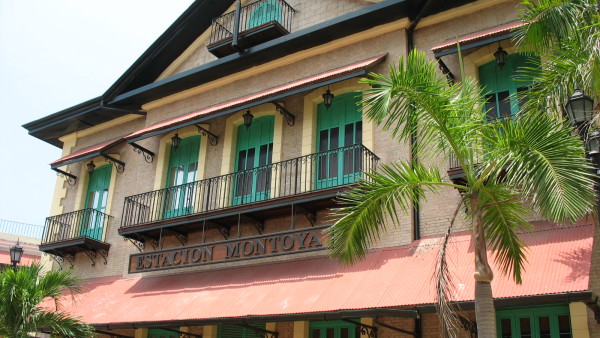
Barranquilla
Caribbean rhythm, carnival color, and a city best read on foot.
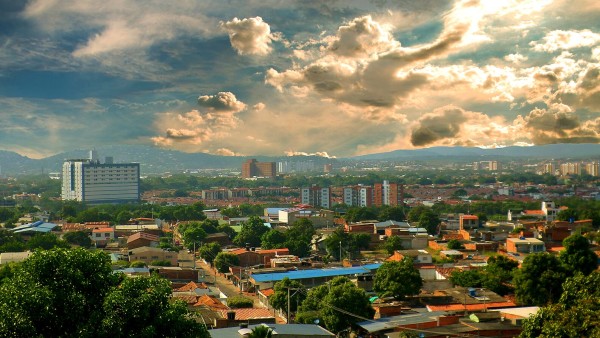
Cúcuta
Where border energy meets big-city nights
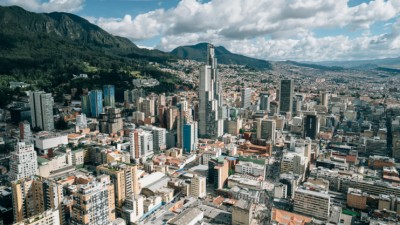
Bogotá
Where mountain air meets vibrant city life
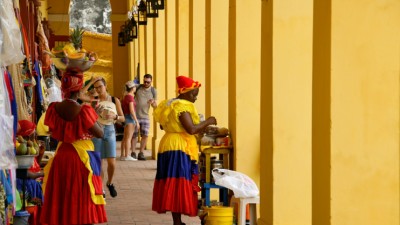
Cartagena
Sunlit walls, calm waters, and a warm South American escape.
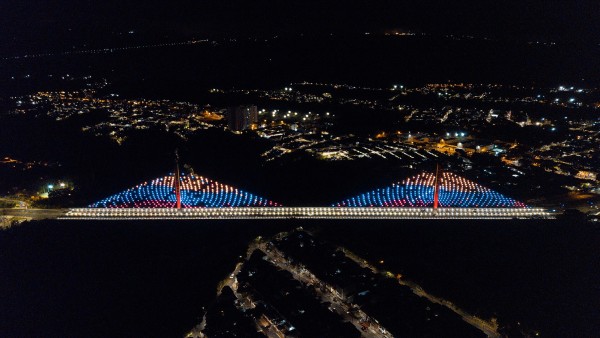
Bucaramanga
Green streets, urban energy, and a welcoming base for independent exploration.
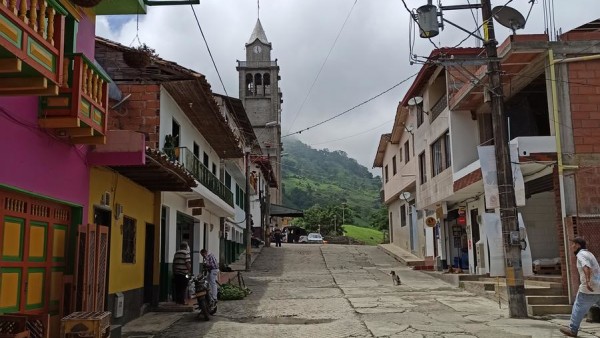
Palermo
Small-town Colombia, with a wider national story of inclusion.
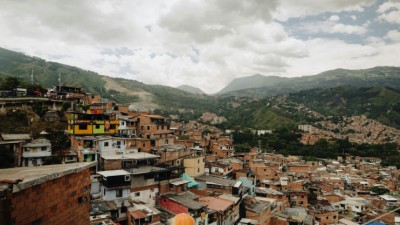
Medellín
Find culture, mountain views, and a welcoming urban pulse.
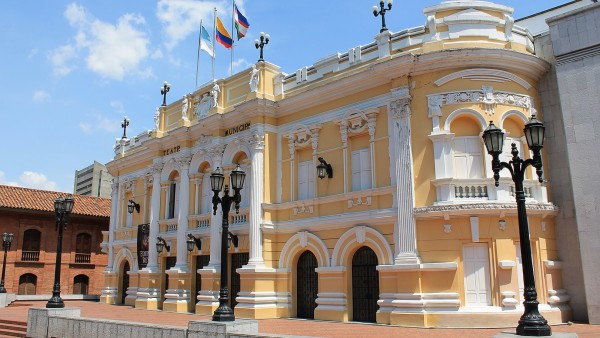
Cali
Dance, unwind, and explore a city with a vibrant urban pulse.