About Cali
Known as the salsa capital of the world, Cali offers not only rhythmic dance and warm hospitality but also a gradually expanding LGBTQ+ scene that reflects Colombia's progressive legal stance on LGBTQ+ rights.Colombia was one of the first countries in Latin America to legalize same-sex marriage and has comprehensive anti-discrimination laws, which contributes to a relatively safe environment for LGBTQ+ individuals in urban centers like Cali.
While the city is traditionally conservative compared to Bogotá or Medellín, it has been witnessing increased visibility and acceptance, especially in neighborhoods such as Granada and San Antonio, where inclusive bars and cultural spaces have emerged.One notable event is Cali Pride, which celebrates diversity and promotes LGBTQ+ rights in the city.
This annual pride parade and associated activities attract locals and visitors alike, fostering a sense of community and visibility.
Additionally, the city's commitment to wellness and relaxation is evident in its spas and boutique hotels, some of which are LGBTQ+ friendly, providing tranquil retreats after exploring the vibrant city life.In summary, Cali offers a unique blend of cultural richness and a welcoming atmosphere for LGBTQ+ travelers seeking both lively urban experiences and peaceful relaxation.
Our Review
As a relaxation-focused traveler, I find Cali, Colombia, to be a fascinating destination that balances rich cultural heritage with a growing openness toward LGBTQ+ visitors.
Known as the salsa capital of the world, Cali offers not only rhythmic dance and warm hospitality but also a gradually expanding LGBTQ+ scene that reflects Colombia's progressive legal stance on LGBTQ+ rights.
Colombia was one of the first countries in Latin America to legalize same-sex marriage and has comprehensive anti-discrimination laws, which contributes to a relatively safe environment for LGBTQ+ individuals in urban centers like Cali.
While the city is traditionally conservative compared to Bogotá or Medellín, it has been witnessing increased visibility and acceptance, especially in neighborhoods such as Granada and San Antonio, where inclusive bars and cultural spaces have emerged.
One notable event is Cali Pride, which celebrates diversity and promotes LGBTQ+ rights in the city.
This annual pride parade and associated activities attract locals and visitors alike, fostering a sense of community and visibility.
Additionally, the city's commitment to wellness and relaxation is evident in its spas and boutique hotels, some of which are LGBTQ+ friendly, providing tranquil retreats after exploring the vibrant city life.
In summary, Cali offers a unique blend of cultural richness and a welcoming atmosphere for LGBTQ+ travelers seeking both lively urban experiences and peaceful relaxation.
Social Acceptance of LGBTQ+ Individuals in Cali
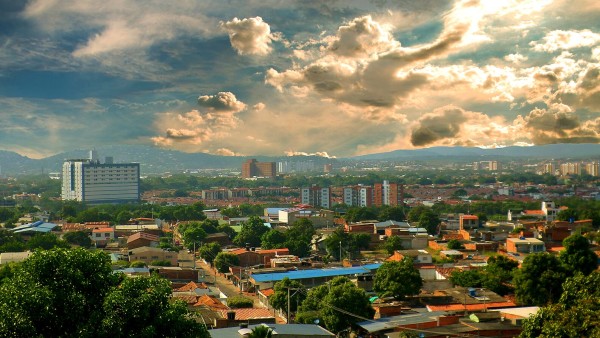
Cali, Colombia's third-largest city, is known for its vibrant culture and warm, welcoming atmosphere.
In terms of LGBTQ+ social acceptance, the city reflects a complex but gradually improving landscape.
Colombia as a country has made significant legal progress in LGBTQ+ rights, including marriage equality and anti-discrimination protections.
However, social attitudes can vary widely depending on factors such as age, socioeconomic background, and neighborhood.
In Cali, younger generations and urban communities tend to be more open and accepting of LGBTQ+ individuals.
The city’s cultural hubs, nightlife, and artistic scenes often embrace diversity, creating pockets of inclusivity.
Nevertheless, more conservative or traditional segments of the population may still hold less tolerant views, which can affect everyday social interactions.
Key LGBTQ+ Organizations and Support Groups in Cali
Cali, Colombia, while not as internationally renowned for its LGBTQ+ scene as Bogotá or Medellín, hosts several important organizations that advocate for LGBTQ+ rights and provide community support.
One of the most prominent is Colombia Diversa, a national nonprofit organization that works extensively across Colombia, including Cali, to defend LGBTQ+ rights, monitor human rights violations, and promote equality through legal advocacy and public policy engagement.
Their work is critical in fostering safer environments and raising awareness about discrimination and violence.
Locally, grassroots groups and informal networks contribute to community cohesion by organizing events and peer support activities.
These groups often collaborate with national organizations to amplify their impact.
However, formalized LGBTQ+ community centers dedicated exclusively to the community are limited in Cali, reflecting a developing but growing infrastructure.
Annual LGBTQ+ Events in Cali
Cali, Colombia, while primarily known as the salsa capital of the country, maintains a modest yet meaningful LGBTQ+ event calendar.
The city's main annual LGBTQ+ event is the Marcha por la Diversidad Sexual (Pride March), typically held in late June or early July.
This event serves as a focal point for visibility, advocacy, and community solidarity within Cali’s LGBTQ+ population.
Although smaller in scale compared to Bogotá or Medellín’s Pride festivities, it is a significant occasion for local activists and allies.
Cultural and Social Activities in Cali from an LGBTQ+ Perspective
As a relaxation-focused traveler with an interest in LGBTQ+ friendly destinations, I find Cali, Colombia, to be a city with a vibrant cultural scene that is gradually embracing diversity and inclusion.
While the city is best known worldwide as the salsa capital, its cultural and social offerings provide meaningful experiences for LGBTQ+ visitors seeking both engagement and peaceful enjoyment.
Theaters and Performing Arts
Cali's theaters, such as Teatro Jorge Eliécer Gaitán and Teatro Municipal Enrique Buenaventura, host a variety of performances including plays, dance, and music.
Although there are no theaters exclusively dedicated to LGBTQ+ themes, some productions and festivals occasionally explore topics of gender, identity, and social inclusion.
These venues offer a platform for cultural expression that can resonate with LGBTQ+ audiences interested in the arts.
Museums and Art Galleries
The Museo de Arte Moderno La Tertulia is the primary contemporary art museum in Cali.
It showcases works that sometimes address social issues, including themes of diversity and identity, though it does not focus exclusively on LGBTQ+ art.
The museum provides a contemplative environment to appreciate evolving cultural narratives within the city.
LGBTQ+ Specific Tours and Social Spaces
Currently, there is limited availability of LGBTQ+-specific cultural tours in Cali.
However, some local guides and community organizations occasionally offer tailored experiences highlighting LGBTQ+-friendly neighborhoods and nightlife.
For visitors seeking to connect with the community, engaging with local organizations such as Red Comunitaria Trans Cali can provide insights and access to social events and safe spaces.
Historical Landmarks
Cali does not have widely recognized LGBTQ+-specific historical landmarks.
Public spaces like Plaza de Cayzedo serve as central gathering points for cultural events and community activities that promote inclusion and diversity, reflecting the city’s gradual social progress.
Notable LGBTQ+ Figures and Influencers
There is limited publicly available information on prominent LGBTQ+ figures specifically from Cali.
While Colombia has notable LGBTQ+ activists and artists nationally, their direct connection to Cali is not well documented.
Visitors interested in local LGBTQ+ culture may benefit from connecting with community groups during their stay.
Conclusion
While Cali’s LGBTQ+-focused cultural and social activities are still developing, the city offers a rich artistic environment and welcoming public spaces that provide meaningful opportunities for engagement.
For travelers seeking a blend of cultural depth and a peaceful atmosphere, Cali presents a promising destination with growing inclusivity.
Accommodation: LGBTQ+ Friendly Hotels and Options in Cali, Colombia
As a relaxation-focused traveler and LGBTQ+ advocate, I understand the importance of finding accommodations that are not only comfortable but also welcoming and inclusive.
Cali, Colombia, while not as internationally renowned for LGBTQ+ tourism as some other Latin American cities, offers a growing range of options that prioritize inclusivity and wellness.
LGBTQ+ Friendly Hotels
Several international hotel chains operating in Cali maintain non-discriminatory policies and foster inclusive environments.
For example, the Marriott Cali and Movich Hotel de Cali are known for their professional service and adherence to global hospitality standards that respect diversity.
These hotels offer modern amenities and wellness facilities such as spas and pools, ideal for travelers seeking relaxation.
While there are no hotels explicitly branded as LGBTQ+ exclusive in Cali, many boutique hotels and guesthouses in culturally vibrant neighborhoods provide welcoming atmospheres.
These smaller properties often emphasize personalized service and tranquility, aligning well with wellness-oriented stays.
Tips for Finding Inclusive Accommodation
- Use Reputable Booking Platforms: Websites like Booking.com and Expedia allow you to read guest reviews, where you can look for mentions of inclusivity and respectful treatment.
- Consult LGBTQ+ Travel Resources: Organizations such as the International LGBTQ+ Travel Association (IGLTA) provide listings and guidance on LGBTQ+ friendly accommodations worldwide, including Colombia.
- Contact Hotels Directly: Reaching out to hotels to inquire about their policies and experience with LGBTQ+ guests can provide reassurance and clarity.
- Choose Welcoming Neighborhoods: Selecting accommodations in known inclusive or culturally open areas can enhance your overall experience.
Welcoming Neighborhoods in Cali
Two neighborhoods stand out for their cultural openness and relatively inclusive atmospheres:
- San Antonio: This historic district is known for its bohemian charm, with cafes, art galleries, and boutique shops.
It attracts a diverse crowd and offers a peaceful environment suitable for wellness and relaxation. - El Peñón: Known for its vibrant nightlife and dining scene, El Peñón offers social venues that tend to be welcoming to LGBTQ+ visitors, though it is not an exclusive LGBTQ+ district.
While Cali does not have large, explicitly LGBTQ+ neighborhoods like some other cities, these areas provide a good balance of cultural richness and openness.
Conclusion
In summary, Cali offers a range of accommodations that, while not always explicitly LGBTQ+ branded, maintain inclusive and respectful environments.
By leveraging trusted booking platforms, consulting LGBTQ+ travel organizations, and selecting culturally open neighborhoods like San Antonio and El Peñón, LGBTQ+ travelers can enjoy a relaxing and affirming stay in this dynamic Colombian city.
Dining in Cali: LGBTQ+ Friendly and Inclusive Spaces
Cali, Colombia, is a city known for its vibrant culture and warm hospitality.
While it does not yet have a large number of explicitly LGBTQ+ branded restaurants or cafés, several neighborhoods offer inclusive and welcoming dining experiences that align well with a relaxation and wellness-focused visit.
Granada is one of the most popular areas for dining, featuring a variety of cafés and restaurants that attract a diverse clientele.
The atmosphere here tends to be relaxed and artistic, making it a comfortable environment for LGBTQ+ visitors.
Many establishments emphasize fresh, local ingredients and offer farm-to-table options, supporting mindful and wellness-oriented dining.
San Antonio is another neighborhood known for its bohemian charm and historic architecture.
It hosts small eateries and coffee shops where inclusivity is part of the welcoming vibe, even if not explicitly marketed as LGBTQ+ venues.
The calm ambiance and focus on quality food make it a good choice for those seeking a peaceful dining experience.
Understanding Local Customs
Cali is a vibrant city known for its rich culture and warm hospitality.
Colombia has made significant legal progress regarding LGBTQ+ rights, including the legalization of same-sex marriage nationwide since 2016 and anti-discrimination protections.
However, social acceptance can vary by region and community.
In Cali, urban areas tend to be more open and tolerant, but conservative attitudes may persist, especially in less touristy neighborhoods.
As a traveler, it is important to remain respectful of local customs and exercise discretion in public displays of affection.
Dos and Don'ts
- Do engage with locals respectfully and learn basic Spanish greetings to foster positive interactions.
- Do seek out LGBTQ+-friendly venues, particularly in neighborhoods like Granada and San Antonio, which have a reputation for inclusivity.
- Do dress modestly outside nightlife districts to avoid unwanted attention.
- Don't assume universal acceptance; public displays of affection between same-sex couples may attract attention in some areas.
- Don't travel alone at night in unfamiliar or isolated areas; safety in numbers is advisable.
Travel Safety
While Cali is generally safe for tourists, it is prudent to take standard precautions.
Choose accommodations with positive reviews from LGBTQ+ travelers, which can be found on platforms like Booking.com and Airbnb.
Use registered taxis or ride-sharing apps such as Beat or DiDi rather than hailing cabs on the street.
Keep personal belongings secure, especially in crowded areas and nightlife venues.
Connecting with the Local LGBTQ+ Community
Cali’s LGBTQ+ scene is smaller compared to cities like Bogotá or Medellín but still active.
Neighborhoods such as Granada and San Antonio host several LGBTQ+-friendly bars and clubs.
To stay informed about events and safe spaces, I recommend following local social media groups like "Colombia LGBT" on Facebook.
Engaging with community events and organizations can enrich your experience and provide opportunities to connect authentically with locals.
By balancing cultural respect with situational awareness, LGBTQ+ travelers can enjoy Cali’s dynamic culture and warm hospitality while prioritizing personal safety and wellness.
In summary, Cali presents a nuanced landscape for LGBTQ+ travelers.
The city’s vibrant culture, warm hospitality, and growing LGBTQ+ scene offer meaningful opportunities for connection and enjoyment.
Notably, Cali hosts events such as the annual Cali Pride, which reflects increasing visibility and activism within the community.
The city’s nightlife, including several LGBTQ+-friendly bars and clubs primarily located in neighborhoods like Granada and San Antonio, provides safe spaces for socializing and cultural exchange.
However, it is important to acknowledge ongoing challenges.
Colombia as a whole has progressive legal protections for LGBTQ+ individuals, including marriage equality and anti-discrimination laws, yet social acceptance can vary significantly by region.
In Cali, conservative attitudes persist in some quarters, and public displays of affection may attract unwanted attention.
Travelers should exercise situational awareness and respect local customs while enjoying the city’s offerings.
From my perspective as a relaxation-focused traveler, I encourage LGBTQ+ visitors to balance exploration with self-care.
Cali’s wellness centers, spas, and tranquil green spaces such as the Parque del Perro area provide excellent opportunities to unwind after engaging with the city’s dynamic urban life.
Prioritizing personal safety and well-being will enhance the overall experience.
Ultimately, Cali’s strengths lie in its cultural richness, emerging LGBTQ+ visibility, and welcoming social venues.
While challenges remain, informed and mindful travelers can confidently explore and enjoy the city’s unique blend of tradition and modernity.
I recommend connecting with local LGBTQ+ organizations or guides to deepen understanding and ensure a respectful, rewarding visit.