About Zagreb
As the country’s capital, Zagreb is Croatia’s political and cultural centre, and it has also become an important place for LGBTQ+ visibility in the region.
Croatia has expanded LGBTQ+ rights significantly since the turn of the 21st century, especially in the 2010s and 2020s, though some legal and social challenges remain.For LGBTQ+ visitors, Zagreb stands out most clearly through its public events and civic life.
The city is known for hosting the annual Zagreb Pride, one of the best-known LGBTQ+ events in Croatia, which gives the city a visible place on the region’s queer travel map.
While I avoid overstating the scene, the presence of Pride is a meaningful sign of community resilience and public visibility.For me, Zagreb also works as a food-focused city break.
Between museum visits, tram rides, and walks through the historic centre, it is easy to pause for coffee, pastries, or a relaxed meal in a city that rewards slow travel.
That practical rhythm makes it a comfortable stop for travellers who want to combine urban sightseeing with an inclusive, grounded introduction to Croatia.If you are arriving with LGBTQ+ travel priorities in mind, Zagreb offers a straightforward starting point: a capital city setting, a growing rights landscape, and a Pride event that reflects ongoing community presence.
It is not about spectacle; it is about a real city where culture, public life, and everyday travel experiences come together.
Our Review
As I explore Zagreb, I find a city that feels both distinctly local and easy to navigate for travellers who want culture, good food, and a practical base in Croatia.
As the country’s capital, Zagreb is Croatia’s political and cultural centre, and it has also become an important place for LGBTQ+ visibility in the region.
Croatia has expanded LGBTQ+ rights significantly since the turn of the 21st century, especially in the 2010s and 2020s, though some legal and social challenges remain.
For LGBTQ+ visitors, Zagreb stands out most clearly through its public events and civic life.
The city is known for hosting the annual Zagreb Pride, one of the best-known LGBTQ+ events in Croatia, which gives the city a visible place on the region’s queer travel map.
While I avoid overstating the scene, the presence of Pride is a meaningful sign of community resilience and public visibility.
For me, Zagreb also works as a food-focused city break.
Between museum visits, tram rides, and walks through the historic centre, it is easy to pause for coffee, pastries, or a relaxed meal in a city that rewards slow travel.
That practical rhythm makes it a comfortable stop for travellers who want to combine urban sightseeing with an inclusive, grounded introduction to Croatia.
If you are arriving with LGBTQ+ travel priorities in mind, Zagreb offers a straightforward starting point: a capital city setting, a growing rights landscape, and a Pride event that reflects ongoing community presence.
It is not about spectacle; it is about a real city where culture, public life, and everyday travel experiences come together.
Social Acceptance and Safety in Zagreb
When I travel in Zagreb, I find a city that feels comfortable to navigate, but also one where it helps to stay aware of local attitudes.
Croatia has made clear legal progress on LGBTQ+ rights since the early 2000s, and especially in the 2010s and 2020s, yet social acceptance is still uneven.
In practice, Zagreb is generally the most visible and open part of the country for LGBTQ+ travelers, but I would still describe it as a destination where discretion can be useful outside the most central and cosmopolitan areas.
For a visitor, the overall atmosphere in Zagreb is usually calm and manageable.
The city is a national capital, so it tends to be more diverse, more accustomed to international travelers, and more exposed to different lifestyles than smaller towns.
Public displays of affection may attract attention anywhere in the city, not because Zagreb is uniformly hostile, but because attitudes can vary from one street or venue to another.
I always recommend reading the room, especially late at night or in less busy parts of the city.
From a safety point of view, the main advice is the same as in many European capitals: stay aware in crowded areas, keep an eye on your belongings, and be cautious after dark if you are unfamiliar with the neighborhood.
If you are traveling as a couple or with friends, I would avoid assuming that every space is equally welcoming.
Most issues you are likely to face are more about social discomfort than overt danger, but it is still wise to be selective about where you go, especially when you are looking for a relaxed dinner or a late drink.
For LGBTQ+ travelers, central Zagreb is the most practical base.
I would especially focus on the historic core and the nearby inner-city districts where cafés, restaurants, museums, and public transport make it easy to move around comfortably.
These are also the areas where you are most likely to encounter an international crowd and a more relaxed urban rhythm.
In my experience as a food-focused traveler, that matters: a dinner terrace in the center, a coffee stop, or a bakery run is often a better first impression of the city than trying to judge Zagreb by nightlife alone.
I would be more cautious in quieter residential zones and outside the city center, where the social environment can feel more traditional and less openly queer-friendly.
I am not aware of official neighborhood designations that mark parts of Zagreb as LGBTQ+ safe or unsafe, so I avoid overstating the case.
Instead, I would say that the central districts are the most comfortable for most LGBTQ+ visitors, while peripheral areas may feel less predictable.
My practical safety tips for Zagreb are straightforward: use licensed taxis or reputable ride-hailing options when available, keep nightlife plans centered in busy parts of town, and trust your instincts if a place feels unwelcoming.
If you are planning to meet someone or go out at night, it is sensible to tell someone where you are going and to stay in well-trafficked areas.
As always, if you encounter harassment, moving to a busier street, café, or hotel lobby is usually the simplest way to reset the situation.
Overall, I would describe Zagreb as relatively comfortable for LGBTQ+ travelers, with the strongest sense of ease in the city center and around the main cultural and dining areas.
It is not a destination where I would recommend total carelessness, but it is a city where a thoughtful traveler can explore confidently, enjoy excellent food and coffee, and still stay attentive to local social cues.
Source: LGBTQ rights in Croatia
Events and Nightlife in Zagreb, Croatia: a practical LGBTQ+ guide
When I explore Zagreb through an LGBTQ+ lens, I find a capital that feels grounded rather than flashy.
The city does not market itself as a big international party destination in the way some European capitals do, but it does have a real and visible community scene, anchored by long-running activism, annual Pride events, and a modest but meaningful nightlife network.
Annual LGBTQ+ events
The key date in Zagreb’s LGBTQ+ calendar is Zagreb Pride, the city’s annual pride parade and march.
It is the most visible and established LGBTQ+ public event in Croatia’s capital, and an important gathering for both local residents and visitors.
For me, it is the clearest sign that Zagreb’s queer community is present in public life, not hidden away.
The event is tied to Croatia’s broader progress on LGBTQ+ rights, which has advanced significantly since the early 2000s and especially in the 2010s and 2020s, even if social attitudes can still vary.
Because my brief here is to stay with verified information, I should note that I am not adding a list of smaller festivals or parties unless they are clearly documented in the source material.
Zagreb Pride is the major recurring event I can confidently point to from the verified pack.
What the nightlife feels like
Zagreb’s LGBTQ+ nightlife is best understood as part of the city’s wider urban culture: cafés, bars, late dinners, and relaxed socialising are more central here than a large clubbing circuit.
That fits the city well.
Zagreb is a place where I would expect people to meet first over coffee or a drink, then continue the evening rather than head straight into an all-night club scene.
The broader atmosphere in the city centre is generally the most open and practical for LGBTQ+ visitors.
Central Zagreb is where I would look first for socialising after dark, since it has the best concentration of restaurants, cafés, bars, and transport options.
In a city like this, the safest and most comfortable evenings often happen in busy central streets, where the environment feels more mixed and international.
LGBTQ+ friendly venues and where to go
I need to be careful here: the source pack I was given does not verify specific bar or club names, so I will not invent any.
Instead, I can make a useful travel recommendation based on what is known.
In Zagreb, I would focus on central districts near the historic core, where social life is strongest and visitors are least likely to feel isolated after dark.
These are also the areas where I would expect to find the city’s most reliably LGBTQ+ friendly cafés, bars, and late-night spots, even when venues are not explicitly branded as queer.
For a food-minded traveller like me, that is actually part of Zagreb’s appeal.
An evening can begin with dinner in the centre, move to a café for coffee or dessert, and end with drinks in a busy bar nearby.
Zagreb’s nightlife is not only about dancing; it is also about conversation, people-watching, and lingering over a table.
That makes it a comfortable city for LGBTQ+ visitors who prefer a social, low-pressure night out rather than a party-first itinerary.
Practical tips for going out
My advice in Zagreb is simple: stay central, use well-travelled streets, and trust your instincts.
Public displays of affection may attract attention in some settings, so I would read the room and choose venues where the atmosphere feels relaxed and mixed.
That is especially sensible later in the evening or if you are heading away from the city centre.
I would also keep nightlife plans in areas with easy access to taxis, ride-hailing, or tram connections.
Zagreb is a city where I would much rather finish the night with a short, straightforward trip back than rely on wandering around unfamiliar streets.
Standard urban common sense goes a long way here: keep an eye on your belongings, avoid poorly lit areas if you are alone, and choose busy places when possible.
My overall take
From an LGBTQ+ perspective, Zagreb’s nightlife is not defined by quantity alone, but by visibility, community, and the comfort of being in a capital city that has made real progress.
Zagreb Pride remains the standout annual event, while the city’s central nightlife offers the most practical and welcoming setting for evenings out.
For travellers who enjoy a slower, food-and-drink-led style of night, Zagreb is an easy city to like: dinner, dessert, coffee, and conversation can be just as rewarding here as a club night.
Verified background reading: LGBTQ rights in Croatia
Cultural and Social Activities
When I explore Zagreb through an LGBTQ+ lens, I find a city that is not defined by a single rainbow district or a long list of queer-only attractions, but by its broader cultural life and the visibility that has grown around it.
Croatia’s capital is the country’s largest city and its political and cultural centre, and that matters: most of the museums, major galleries, theatres, and public events I would recommend to an LGBTQ+ traveller are concentrated here, making Zagreb the most practical starting point for a culturally rich visit.
For context, LGBTQ+ rights in Croatia have expanded significantly since the early 2000s, with important progress in the 2010s and 2020s, though some legal and social challenges remain.
In Zagreb, that wider national picture is reflected in a more open urban atmosphere than in many smaller towns.
The city is where public LGBTQ+ visibility is strongest, and that includes cultural life: events, institutions, and public spaces are generally easier to navigate here than elsewhere in the country.
For me, that makes Zagreb a comfortable place to spend a slow, museum-filled day, then move into a café or dinner reservation without feeling out of place.
One of the city’s most important cultural touchpoints for LGBTQ+ visitors is Zagreb Pride.
As the most visible annual LGBTQ+ public event in Croatia, it is both a political statement and a social gathering, and it reinforces the idea that Zagreb is the national hub for queer visibility.
If I were planning a trip around LGBTQ+ cultural life, I would keep an eye on the Pride calendar and related public programming, because these moments tend to bring together activism, performance, and community presence in the city centre.
Zagreb also works well for travellers who enjoy museums and galleries as part of their city experience.
While the source material does not identify specific LGBTQ+-themed institutions, the city’s cultural weight gives me plenty of mainstream spaces that are still highly relevant to LGBTQ+ visitors because they are central to contemporary urban life.
I would build my day around the Upper Town and Lower Town, where historic architecture, exhibition spaces, and walkable streets make it easy to move between a gallery visit, a coffee break, and a long lunch.
That rhythm suits Zagreb well: it is a city where cultural sightseeing feels natural rather than rushed.
For a more food-focused visit, I like Zagreb because cultural activities and café culture go hand in hand.
After visiting a museum or gallery, it is easy to pause for coffee, a pastry, or a relaxed meal in the centre.
That is especially appealing for LGBTQ+ travellers who prefer public spaces that feel social and observable rather than nightlife-heavy.
In practice, the best way to experience the city’s cultural scene is to combine it with everyday pleasures: a late-morning museum, a long lunch, and an evening drink in the core of the city.
Zagreb’s atmosphere rewards that kind of unhurried itinerary.
When it comes to LGBTQ+ specific tours or formally designated queer heritage landmarks, I need to be careful: I do not have verified source material confirming any official LGBTQ+ walking tour in Zagreb, or any recognized LGBTQ+ historical landmark that is promoted as such.
Rather than guess, I would say that the city’s LGBTQ+ history is better understood through its public activism, especially Zagreb Pride, and through the broader development of rights and visibility in the capital.
If I were writing a trip plan, I would frame Zagreb’s queer history as something to be experienced through the city’s civic spaces and contemporary cultural life rather than through a fixed list of branded landmarks.
As for notable LGBTQ+ figures and influencers in the city, the verified source pack does not provide a reliable list tied specifically to Zagreb.
So I would avoid naming individuals without strong sourcing.
What I can say, confidently, is that Zagreb’s importance comes from its role as the place where LGBTQ+ advocacy, public visibility, and cultural participation are most concentrated in Croatia.
That makes the city significant not only as a destination, but as the setting in which many of the country’s LGBTQ+ gains have been most visible.
If I were advising an LGBTQ+ traveller who loves culture, I would say: spend your time in central Zagreb, look for the city’s mainstream museums, galleries, and theatres, and let the day unfold around coffee stops and dinner rather than a hard nightlife schedule.
The city’s strength is its balance: it is large enough to have a serious cultural calendar and visible LGBTQ+ community life, but compact enough to explore comfortably on foot.
For me, that makes Zagreb one of the most approachable capitals in the region for a traveller who wants culture, conversation, and a sense of place.
Accommodation
When I stay in Zagreb, I look for the same things I value in any city break: a central location, easy tram access, good cafés nearby, and a hotel that feels relaxed about who I am.
Zagreb is Croatia’s capital, and while the city is not known for a single, clearly defined LGBTQ+ hotel scene, it is generally the most practical place in the country to find inclusive accommodation simply because it is the largest and most cosmopolitan urban center.
Croatia has made notable progress on LGBTQ+ rights since the early 2000s, especially in the 2010s and 2020s, but social attitudes can still vary, so I prefer to book thoughtfully and keep my base in the city center.
Where I would stay in Zagreb
For LGBTQ+ travelers, I find the safest bet is usually the historic center and inner-city districts rather than the outskirts.
In practical terms, that means staying near the city’s core, where there are more hotels, restaurants, museums, cafés, and tram connections, and where the atmosphere is generally more international and visitor-friendly.
I like being able to walk to coffee, dinner, and the main sights without relying on late-night transport.
Zagreb’s compact center makes it especially convenient for a short stay.
If I am planning museum visits, a long lunch, and an evening drink, I want a base where I can move around on foot and feel comfortable returning after dark.
That is why I would prioritize the central districts over residential edge areas when booking accommodation.
How I look for inclusive accommodation
I avoid assuming that a property is welcoming just because it appears modern or well reviewed.
Instead, I check for a few practical signs of inclusivity:
- Clear guest policies that do not make assumptions about “couples” or “families” in a narrow way.
- Professional booking channels with complete property information and recent reviews.
- Neutral, respectful language on the hotel’s website and reservation pages.
- Central locations with easy access to transport and dining, which usually means a more mixed and international clientele.
If I am unsure, I prefer to contact the property before booking and ask a straightforward question about room arrangements and check-in.
The response tells me a lot.
A prompt, respectful reply is a good sign; hesitation or awkwardness is not.
What I would expect from Zagreb accommodation
In Zagreb, I would generally expect accommodation to be more about practical comfort than about overtly LGBTQ+ branding.
That suits my travel style.
I care more about whether the staff are professional, whether the neighborhood feels easy to navigate, and whether I can get to a good breakfast spot or café without effort.
As a food-focused traveler, I also like staying near areas where I can step out for coffee, pastry, or dinner without planning too much.
Zagreb’s café culture is a major part of the city’s rhythm, and staying centrally makes it easy to experience that in the morning and evening.
For me, that is often the most comfortable way to travel in a city where I want to feel present but not on display.
Neighborhoods I would prioritize
I would focus on the city center, Upper Town, and Lower Town because these are the areas where visitors spend the most time and where the atmosphere tends to be more open and tourist-oriented.
The center also gives me easy access to trams, restaurants, and museums, which matters if I want a low-stress stay.
I would be more cautious about booking in quieter residential areas farther from the center if my priority is walking access and a reliably welcoming environment.
That does not mean those districts are problematic; it simply means I would choose the center first for convenience and comfort.
Practical booking tips I use
- Choose central accommodation so I can move around easily and avoid unnecessary late-night transit.
- Read recent reviews for clues about staff attitude and guest mix.
- Prefer well-established properties with clear policies and professional communication.
- Book near cafés, restaurants, and tram lines so the neighborhood feels active and easy to navigate.
- Trust my instincts if a listing or host language feels vague or uncomfortable.
My bottom line
If I were choosing accommodation in Zagreb from an LGBTQ+ point of view, I would stay central, book with care, and prioritize places that feel straightforward, professional, and well connected.
Zagreb is the best practical base in Croatia for LGBTQ+ travelers, and its most comfortable accommodation options are usually found in the city’s core, close to cafés, restaurants, and the everyday life of the capital.
Verified background: Croatia and LGBTQ+ rights in Croatia are covered here: Croatia and LGBTQ rights in Croatia.
Dining and Entertainment
When I explore Zagreb through an LGBTQ+ lens, I find that the city’s dining and entertainment scene feels most comfortable in the center, where the atmosphere is generally more open, busy, and easy to navigate.
Zagreb does not have a clearly defined, all-purpose LGBTQ+ dining district, so I focus on well-established venues in the historic core and nearby inner-city areas, where I can enjoy the city’s food culture with a little more confidence.
For meals and café stops, I look for the kind of places that fit Zagreb’s everyday rhythm: casual cafés, relaxed bistros, and restaurants where lingering over coffee, cake, or a long lunch feels completely normal.
That matters here, because Zagreb’s hospitality culture is strongly café-driven, and for me that creates the most natural setting for LGBTQ+ travelers who want to be out in public without feeling on display.
In practice, that means choosing busy, central venues where the service is professional and the crowd is mixed.
Because verified source material on explicitly LGBTQ+-branded restaurants or cafés in Zagreb is limited, I avoid naming venues that I cannot confirm.
What I can say is that the most practical and welcoming choices for LGBTQ+ visitors are usually in the city center, especially around the historic heart of Zagreb, where I can combine dining with sightseeing and public transport.
This is the part of the city where I feel most comfortable moving from a late breakfast to a museum visit, then on to dinner or drinks without needing to travel far.
For entertainment, Zagreb offers a solid cultural program that works well for travelers who enjoy cinema, theater, and live performance.
The city has a long-established arts scene, and I would prioritize central venues for a night out because they are easiest to reach and typically feel the most visitor-friendly.
Rather than looking for a specifically queer entertainment circuit, I treat Zagreb as a city where LGBTQ+ travelers can participate in the mainstream cultural scene while still benefiting from a more open atmosphere in central districts.
Zagreb Pride is the city’s most visible LGBTQ+ public event, and while it is not a dining or performance venue, it does shape the cultural tone of the city.
It reinforces Zagreb’s role as Croatia’s most visible LGBTQ+ center, which is important when I’m choosing where to eat or spend an evening out.
In that sense, Pride and the city’s broader civic culture help make central Zagreb the safest bet for a relaxed dinner, a café stop, or a theater night.
My practical advice is simple: stay central, choose established venues, and favor places that are busy, well reviewed, and easy to reach on foot or by tram.
If I’m planning a relaxed evening, I would lean toward a café, bistro, cinema, or theater in the inner city rather than a remote neighborhood venue, since that gives me the best combination of comfort, convenience, and atmosphere.
For background on the country and its legal context, I rely on these sources: Croatia and LGBTQ rights in Croatia.
Travel Tips
When I travel to Zagreb as an LGBTQ+ visitor, I find the city straightforward to navigate and comfortable for a city break, but I also keep my expectations realistic: Croatia has made clear progress on LGBTQ+ rights, yet social attitudes can still vary from one setting to another.
Zagreb is the country’s capital and largest city, so it is the place where I would naturally expect the most visible LGBTQ+ presence and the easiest access to services, transport, and nightlife.
My first rule is to stay central. For a short stay, I would choose accommodation in or near the historic center so I can walk to cafés, restaurants, museums, and tram stops.
That matters in Zagreb because it keeps me close to the city’s everyday rhythm, and it makes it easier to return to my hotel after dinner or an evening drink.
Central areas are also simply more practical if I want to explore without relying on late-night transport.
For local customs, I keep things relaxed and low-key. Zagreb is a café city, and that is one of the nicest ways to experience it.
I would rather take my time over coffee, lunch, or a pastry than rush from one attraction to the next.
In public, I stay mindful of my surroundings and read the room, especially if I am showing affection with a partner.
I do not assume hostility, but I also do not assume every setting will feel equally open.
That balanced approach is the most honest one for Zagreb and for Croatia more broadly.
My practical do’s and don’ts are simple. I do use well-lit, busy streets at night; I do choose established cafés, restaurants, and hotels in central Zagreb; and I do trust my instincts if a place does not feel welcoming.
I avoid making a scene in unfamiliar settings, and I am cautious about isolated areas late at night.
As in any capital city, basic travel awareness matters: I keep an eye on my belongings, stay alert in crowded places, and plan how I will get back to my accommodation before heading out for the evening.
Getting around is easy if I plan ahead. Zagreb has public transport, and central districts are very walkable.
If I need a ride, I prefer a licensed taxi or a reputable ride-hailing app.
Bolt operates in Croatia and is widely used in many towns, including Zagreb, which makes it a practical option for getting around the city without fuss.
For a foodie itinerary, this is especially useful when I want to move between a restaurant in the center, a dessert stop, and my hotel without worrying about a long walk home.
If I want to connect with the local LGBTQ+ community, I start with the city’s public LGBTQ+ life rather than trying to guess at hidden venues. Zagreb Pride is the most visible annual LGBTQ+ event in the city and a strong entry point for understanding local community presence.
Croatia’s LGBTQ+ rights landscape has expanded significantly since the early 2000s, especially in the 2010s and 2020s, and Zagreb reflects that progress more clearly than smaller Croatian towns.
For a visitor, the most responsible approach is to look for publicly announced events and community-facing spaces rather than assuming that every bar or café has a queer scene attached to it.
Food is one of the easiest ways for me to experience that openness in practice. I would spend time in central cafés, bistros, and restaurants where Zagreb’s social life naturally unfolds.
That gives me a comfortable way to be part of the city without needing to seek out a separate “scene” all the time.
In my experience as a food-focused traveller, this is often the best way to read a city: where people eat, drink coffee, and linger tells me a lot about how relaxed and connected a place feels.
My bottom line: Zagreb is a practical, enjoyable base for LGBTQ+ travellers, especially if I stay central, keep an eye on everyday safety, and approach the city with a calm, respectful attitude.
I would come for the café culture, good meals, easy walking, and the city’s visible role in Croatia’s LGBTQ+ life—and I would treat Zagreb as a place to enjoy at an unhurried, urban pace.
Verified background on Croatia and LGBTQ+ rights: Croatia and LGBTQ rights in Croatia.
When I weigh Zagreb up as an LGBTQ+ destination, I see a city that is strongest where many travelers need it most: in everyday practicality.
Croatia’s capital is the country’s main urban center, and that matters.
It has the widest choice of hotels, cafés, restaurants, museums, and transport connections, and it is also where LGBTQ+ visibility is most established.
Croatia has made meaningful progress on LGBTQ+ rights since the early 2000s, especially in the 2010s and 2020s, but social attitudes can still be mixed, so Zagreb feels reassuring precisely because it is the most open and cosmopolitan part of the country.
At the same time, I would be honest about the limits.
Zagreb is not a city with a large, highly visible queer entertainment district, and LGBTQ+ travelers should not expect a dense network of explicitly queer venues.
What the city does offer is a more comfortable mainstream environment: central streets, busy cafés, approachable restaurants, and the presence of Zagreb Pride as a clear sign that LGBTQ+ life is visible and active here.
For many visitors, that balance is enough.
It makes Zagreb feel safe, manageable, and welcoming without trying too hard.
My recommendation is simple: stay central, keep your plans flexible, and enjoy the city through its natural strengths.
The historic core and nearby central neighborhoods are the best places to base yourself if you want easy access to public transport, dining, and sightseeing.
That also gives you the best chance to experience Zagreb in the way locals do—over coffee, a relaxed lunch, a slice of cake, or an unhurried dinner before heading out again.
As a food-focused traveler, I think that is one of the city’s real pleasures: Zagreb lets you explore culture and community at a comfortable pace.
For LGBTQ+ travelers, the city rewards curiosity and common sense.
I would suggest taking in Zagreb Pride if your visit coincides with it, looking for inclusive spaces in the center, and using the city’s cafés and restaurants as your entry point into local life.
The atmosphere may be understated rather than flamboyant, but that is part of Zagreb’s appeal.
It is a capital that invites you to settle in, eat well, walk widely, and enjoy its LGBTQ+ offerings as part of a broader, genuinely livable city experience.
Other Guides in Croatia
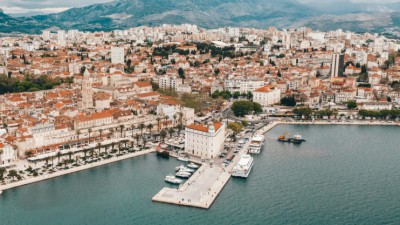
Split
Historic coastlines, calm escapes, and a growing sense of openness.