About Taipei
Same-sex sexual activity is legal, same-sex marriage was legalized in 2019, and same-sex couples have been able to jointly adopt children since 2023.
For LGBTQ+ visitors, that legal framework matters because it shapes the overall sense of security and visibility in daily travel.From a city guide perspective, Taipei is especially notable for its connection to Pride.
Taiwan is home to one of Asia’s best-known LGBTQ+ gatherings, Taipei Pride, which has become a major annual event and an important public marker of queer life in the city.
For travelers who value both cultural substance and comfort, that combination makes Taipei a compelling destination: it is a modern, internationally minded capital with a strong record on LGBTQ+ rights and a public pride presence that signals openness rather than tokenism.I would describe Taipei as a city where LGBTQ+ travel is not defined by novelty, but by the practicality of being able to move through an urban environment with a comparatively high degree of legal recognition and social visibility.
For a luxury-minded visitor, that means the city offers more than activism and symbolism; it also provides the ease, infrastructure, and metropolitan polish expected of a serious destination in East Asia.
Our Review
As I look at Taipei through an LGBTQ+ travel lens, what stands out first is not a single neighborhood or nightlife strip, but the city’s broader significance in Asia: it is the capital of Taiwan, a place widely recognized for some of the region’s most comprehensive LGBTQ+ rights.
Same-sex sexual activity is legal, same-sex marriage was legalized in 2019, and same-sex couples have been able to jointly adopt children since 2023.
For LGBTQ+ visitors, that legal framework matters because it shapes the overall sense of security and visibility in daily travel.
From a city guide perspective, Taipei is especially notable for its connection to Pride.
Taiwan is home to one of Asia’s best-known LGBTQ+ gatherings, Taipei Pride, which has become a major annual event and an important public marker of queer life in the city.
For travelers who value both cultural substance and comfort, that combination makes Taipei a compelling destination: it is a modern, internationally minded capital with a strong record on LGBTQ+ rights and a public pride presence that signals openness rather than tokenism.
I would describe Taipei as a city where LGBTQ+ travel is not defined by novelty, but by the practicality of being able to move through an urban environment with a comparatively high degree of legal recognition and social visibility.
For a luxury-minded visitor, that means the city offers more than activism and symbolism; it also provides the ease, infrastructure, and metropolitan polish expected of a serious destination in East Asia.
Social Acceptance and Safety
In Taipei, I find that social acceptance of LGBTQ+ people is shaped by a broader Taiwanese legal and civic environment that is comparatively progressive by Asian standards.
Same-sex sexual activity is legal, same-sex marriage has been legal since 24 May 2019, and same-sex couples have been able to jointly adopt children since 2023.
Taiwan also prohibits discrimination on the basis of sexual orientation.
In practical terms, this means that Taipei is not a city where LGBTQ+ identity is treated as unusual in the same way it may be in other regional capitals; it is part of the city’s mainstream public life.
That said, a legal framework is not the same as universal social comfort.
As in any large Asian metropolis, attitudes can vary by age, generation, neighborhood, and setting.
In my view, the safest assumption for LGBTQ+ travelers is that Taipei is broadly welcoming, but discretion is still wise in more private or unfamiliar contexts, especially if you are traveling with a partner and are unsure of local cues.
Safety overview
From a traveler’s point of view, Taipei is generally considered one of the safer major cities in the region for LGBTQ+ visitors, particularly because public rights protections are strong and Pride visibility is well established.
The main safety concerns are less about direct legal risk and more about standard urban travel issues: staying aware in crowded areas, using reputable transport late at night, and protecting personal belongings.
For LGBTQ+ travelers, the practical safety advice is similar to what I would give any visitor to a major international city: be alert, avoid isolated areas late at night, and trust your instincts if a situation feels uncomfortable.
If I needed support in a police matter involving a foreign visitor, the Taipei City Police Department Foreign Affairs Division is the specialized contact point for crimes involving foreigners.
Its listed address is No.
96, Yanping S.
Rd., Taipei City.
For travelers, that makes it a useful reference point if an incident requires official assistance.
Areas and neighborhoods
Among Taipei neighborhoods, I would regard central, high-footfall districts as the most comfortable for LGBTQ+ travelers, simply because they are used to international visitors and have a cosmopolitan atmosphere.
Ximending is widely recognized as a youthful, busy district and is often associated with LGBTQ+ visibility and nightlife; for many visitors it is one of the most openly expressive parts of the city.
For a luxury-oriented traveler, the surrounding central city area also offers the easiest access to high-end hotels, polished dining, and convenient transport, which can make a stay feel both safe and seamless.
I would be more cautious in quieter, residential, or less-frequented parts of the city where public displays of affection in general may draw more attention, not necessarily because of hostility, but because the social setting may be less accustomed to visible couples or queer expression.
I would not describe Taipei as having clearly designated “no-go” neighborhoods for LGBTQ+ visitors based on verified information; rather, comfort tends to depend on the specific setting and the time of day.
Practical tips
- Use standard urban precautions at night, especially after leaving bars, clubs, or late dinners.
- If you are traveling as a couple, gauge the setting before public displays of affection, particularly outside the most visibly LGBTQ+ friendly districts.
- Choose centrally located hotels with strong reputations, since this improves both convenience and personal comfort.
- Keep the Taipei City Police Department Foreign Affairs Division contact in mind if you need official help as a foreign traveler.
Overall, I would describe Taipei as a city where LGBTQ+ travelers can usually move with confidence.
Its combination of legal protection, public visibility, and urban sophistication makes it one of the more reassuring destinations in Asia for visitors who value both comfort and safety.
Community and Support
When I look at Taipei from an LGBTQ+ travel perspective, the city’s support ecosystem stands out less for a single flagship venue than for the way public life, healthcare, and civil society work together.
Taiwan is widely recognized for having some of the most comprehensive LGBTQ+ rights in Asia, and that legal context shapes how community support functions in Taipei: people can access services, organize openly, and seek help within a comparatively stable framework.
Same-sex sexual activity is legal, same-sex marriage has been legal since 24 May 2019, and same-sex couples have been able to jointly adopt children since 2023.
For visitors and residents alike, that broader environment matters because it makes it more feasible for support groups and advocacy organizations to operate in the open rather than at the margins.
In practical terms, I would expect Taipei’s LGBTQ+ community resources to be most visible through civil society organizations, public events, and advocacy networks rather than through a single centralized “community center” model.
Based on the verified information available to me here, I cannot responsibly name specific local organizations or centers that are not explicitly documented in the source pack.
Health services are an important part of the picture.
Taipei is home to major medical institutions, and Mackay Memorial Hospital is identified in the source material as one of the best hospitals in the city.
For LGBTQ+ travelers, that matters because a strong general healthcare base is a prerequisite for accessing everything from routine care to urgent treatment.
I would still advise travelers to confirm service availability directly with the hospital or clinic before visiting, especially for specialist needs such as sexual health, gender-affirming care, or counseling.
On HIV/AIDS and sexual health support, Taiwan’s overall legal and public-health environment is a positive sign, but I do not have verified Taipei-specific service names in the source pack.
For that reason, I would not list particular clinics or programs without confirmation.
What I can say, objectively, is that a city with Taipei’s healthcare infrastructure and Taiwan’s generally progressive legal environment is better positioned than many regional peers to offer access to testing, treatment, counseling, and referral pathways.
Travelers seeking these services should verify them in advance through official hospital channels or trusted health authorities.
Mental health support is equally important for LGBTQ+ travelers, especially for those navigating family pressure, transition-related concerns, or the stress of travel itself.
Again, I do not have a verified list of Taipei counseling centers or peer-support groups in the source material, so I will not invent one.
However, the city’s mainstream medical infrastructure suggests that mental-health care is likely to be accessed through hospitals, private clinics, or referral-based services rather than through travel-facing resources.
For a luxury-minded traveler, the practical takeaway is to stay in a well-connected central district and use reputable, established medical institutions rather than relying on informal recommendations.
My overall assessment is that Taipei offers a strong enabling environment for LGBTQ+ community support because legal recognition, public acceptance, and healthcare capacity are all relatively advanced by Asian standards.
The city is not just a destination for nightlife or pride events; it is a place where community life can be supported by normal civic institutions.
For a traveler who values comfort and reliability, that combination is a significant advantage.
Still, where the verified record here does not give me names, addresses, or service details, I have deliberately left them out.
Verified reference: LGBTQ rights in Taiwan; Mackay Memorial Hospital.
Events and Nightlife
In Taipei, I find that the LGBTQ+ calendar is anchored by one event that has real regional weight: Taiwan Pride, centered in Taipei.
It is widely recognized as the largest Pride march in East Asia and is held annually in October.
For a city guide focused on LGBTQ+ travel, that matters because Pride here is not a niche gathering hidden from public view; it is a major civic event that draws local residents, visitors, community organizations, and businesses into the streets of the capital.
From a luxury-travel perspective, I would plan well ahead for hotel demand, dining reservations, and transportation during Pride week, as central Taipei becomes noticeably busier.
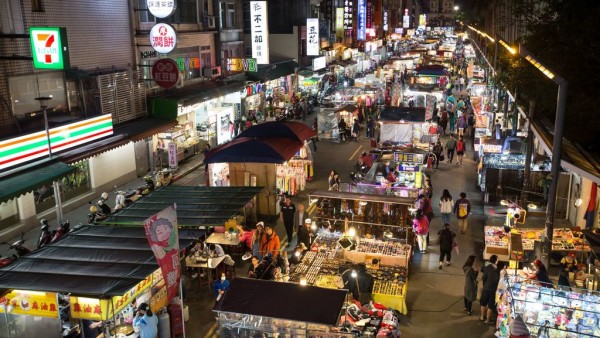
Beyond Pride itself, Taipei’s LGBTQ+ nightlife is concentrated rather than diffuse, which makes it relatively easy to navigate.
The city’s best-known social and nightlife district is Ximending, a central area known for youth culture, shopping, cafés, and an established LGBTQ+ presence.
For me, the key point is that Ximending is not merely “gay-friendly”; it is one of the city’s most visible public spaces for LGBTQ+ social life.
That makes it especially useful for travelers who want an urban atmosphere where they can move comfortably between dinner, drinks, and late-night people-watching without having to cross the city repeatedly.
When I assess Taipei as a nightlife destination for LGBTQ+ travelers, I would describe it as selective rather than sprawling.
The city does have bars and clubs that cater to queer patrons, but the source material available here does not support a precise, current venue-by-venue directory.
I therefore avoid naming specific bars or clubs unless they are clearly verified in the source set.
What can be said with confidence is that Taipei offers a recognizable LGBTQ+ social scene, especially in and around Ximending, and that the city’s broader legal environment supports public queer life more openly than is common in much of the region.
The practical implication for travelers is that Taipei works well for a range of evening experiences.
Someone seeking a polished, luxury-oriented stay can base themselves in the central city, enjoy dinner at high-end restaurants, and then head to LGBTQ+-friendly nightlife areas without needing to venture far.
That centrality is one of Taipei’s strengths: the city’s queer social scene is integrated into a modern urban core rather than isolated in a remote district.
I find that this is particularly valuable for travelers who prefer convenience, safety, and an easy return to a well-located hotel after a late night out.
In analytical terms, Taipei’s LGBTQ+ nightlife is best understood through three features: a major annual Pride event, a visible central social hub in Ximending, and a broader city context that supports queer visibility.
I would not present the city as a nonstop club destination on the scale of some larger global nightlife capitals.
Instead, I would frame it as a destination where LGBTQ+ travelers can combine a significant public celebration, approachable social venues, and a sophisticated urban environment.
If you are planning a trip specifically around LGBTQ+ events, Taipei Pride is the date to prioritize.
If you are planning a longer stay and want a more casual evening scene, Ximending is the area I would explore first.
In both cases, Taipei offers a nightlife landscape that is accessible, internationally relevant, and strongly shaped by the city’s role as the center of LGBTQ+ life in Taiwan.
Cultural and Social Activities
From a cultural and social perspective, I find Taipei to be one of the most important cities in Asia for LGBTQ+ travelers, not because it is defined by a single gay district, but because queer visibility is woven into the city’s wider urban culture.
Taiwan’s legal environment is a major part of that context: same-sex sexual activity is legal, same-sex marriage has been legal since 24 May 2019, and same-sex couples have been able to jointly adopt children since 2023.
That framework matters, because it shapes how openly LGBTQ+ identity can appear in public life, including in cultural spaces.
For travelers who want more than nightlife, Taipei’s most relevant LGBTQ+ cultural and social activity is Taipei Pride.
The event is widely recognized as one of the major Pride gatherings in Asia and is the city’s most visible annual LGBTQ+ celebration.
For me, that makes it the clearest cultural anchor for LGBTQ+ visitors: it is both a public demonstration and a social event, with broad participation that extends beyond the community itself.
It also signals how firmly LGBTQ+ life is established in Taipei’s civic calendar.
In terms of everyday social geography, I would focus on Ximending, which is the city’s best-known LGBTQ+-friendly district.
It is a central, high-footfall area with retail, cafés, entertainment, and youth culture, and it functions as a natural meeting point for LGBTQ+ residents and visitors.
While I would not describe Taipei as a city that depends on isolated “gay-only” venues, Ximending stands out because queer life here is visible in a mainstream urban setting rather than hidden on the margins.
For luxury-minded travelers, that matters: it makes it easier to pair cultural exploration with high-end dining, well-located hotels, and convenient access to the rest of the city.
When it comes to museums, theaters, and galleries, I need to be careful not to overstate what is specifically LGBTQ+-branded unless it is clearly documented.
The verified source material for this guide does not identify particular museums or galleries in Taipei as explicitly LGBTQ+-themed.
What I can say with confidence is that Taipei’s broader cultural institutions operate within a society that is comparatively open to LGBTQ+ people, and that makes the city’s museums, theaters, and contemporary art spaces generally more accessible to queer visitors than in many regional destinations.
For a traveler like me, the value lies in being able to engage with Taipei’s cultural scene without needing to constantly code-switch or self-censor.
I also want to note the absence of a large number of internationally famous LGBTQ+ cultural landmarks in the verified material I’m using here.
That does not mean such places do not exist in the city; it means I should avoid naming them without solid documentation.
What is clearly established is that Taipei’s LGBTQ+ identity is most strongly expressed through public life, community visibility, and Pride rather than through a long list of formal monuments.
In practical terms, that creates a more living cultural landscape: the city’s queer significance is social and contemporary, not just historical.
As for notable LGBTQ+ figures and influencers in Taipei, the source pack does not provide a verified list of specific local personalities.
I therefore will not speculate.
What I can responsibly emphasize is that Taipei has produced a public environment in which LGBTQ+ voices are more likely to be visible in media, culture, and activism than they are in many neighboring cities, especially given Taiwan’s broader legal protections and the prominence of Pride.
Overall, my assessment is that Taipei’s LGBTQ+ cultural and social appeal lies in its combination of visibility, legality, and urban polish.
The city’s strongest cultural experiences for LGBTQ+ travelers are not limited to a single venue or institution; instead, they come from the interplay between Pride, queer-friendly central districts such as Ximending, and a wider metropolitan culture that allows LGBTQ+ people to participate openly in public life.
Accommodation
When I assess Taipei as an LGBTQ+ traveler, accommodation is one of the city’s strongest practical advantages.
Taiwan is widely regarded as one of the most LGBTQ+ progressive places in Asia, with same-sex marriage legalized in 2019 and joint adoption rights for same-sex couples established in 2023.
That legal context does not automatically make every hotel or apartment equally inclusive, but it does shape the city’s overall hospitality environment in a positive way.
For a luxury-minded traveler, I would start with internationally branded five-star hotels in central Taipei.
In practical terms, these properties are often the easiest choice for LGBTQ+ visitors because they tend to offer standardized service, multilingual staff, strong privacy norms, and clear professional booking procedures.
They are also typically well located for access to Taipei’s best dining, shopping, and transport connections.
I would still recommend checking recent guest reviews for cues about staff attitude and service consistency, especially if you are traveling as a same-sex couple and value discretion and comfort.
In Taipei, the most useful strategy is not to look for a clearly defined list of “gay hotels,” but to choose accommodations that are demonstrably professional, centrally located, and accustomed to international guests.
Taipei does not rely on a separate LGBTQ+ hotel district in the way some destinations do.
Instead, inclusivity is generally easier to find in the city’s major business and lifestyle hotels, serviced apartments, and well-reviewed boutique properties.
For many travelers, that means the luxury segment offers the best combination of privacy, design quality, and reliable service.
Location matters as much as brand.
I would consider staying in central Taipei, especially around districts that are convenient for dining, nightlife, and transport.
Ximending is the city’s best-known LGBTQ+ visible area and a practical base for visitors who want to be near queer-friendly social life.
It is busy, youthful, and highly walkable, which makes it attractive for shorter stays and travelers who want to be close to the city’s most visible LGBTQ+ scene.
That said, it is also lively and urban, so travelers seeking a quieter, more refined atmosphere may prefer nearby central districts while still remaining within easy reach of Ximending.
For a more polished experience, I would also consider central Taipei neighborhoods that are known for upscale hotels, restaurants, and convenient access to the MRT rather than relying solely on nightlife-centric areas.
In general, Taipei’s compact urban structure makes it easy to stay in one well-connected district and still move comfortably across the city.
For LGBTQ+ travelers, that can be an advantage: it reduces the need to depend on late-night transport and allows for a smoother, more discreet return after dinner or evening entertainment.
When I evaluate whether an accommodation is truly welcoming, I look for practical indicators rather than marketing language.
These include clear non-discrimination policies where available, consistent reviews from international guests, a reputation for professional service, and staff who handle check-in and room arrangements without unnecessary questions.
If booking an apartment or smaller guesthouse, I would pay close attention to reviews mentioning inclusivity, privacy, and responsiveness.
For a same-sex couple, this matters because the quality of the welcome can depend more on the individual property than on the city overall.
I would also advise LGBTQ+ travelers to confirm room configuration and booking terms carefully.
In any destination, but especially when discretion matters, it is wise to book directly with the property if possible, request a double bed in advance if that is preferred, and review cancellation terms before arrival.
Taipei is generally a comfortable city for LGBTQ+ visitors, but these basic steps help avoid unnecessary friction and support a more seamless stay.
In summary, Taipei offers a strong accommodation environment for LGBTQ+ travelers, particularly in the luxury and upper-midscale categories.
The city’s legal protections and broad social acceptance create a favorable backdrop, while central districts such as Ximending provide the clearest LGBTQ+ visibility.
For me, the best strategy is to choose a well-reviewed, professionally run hotel in central Taipei and use the city’s efficient transport network to move easily between refined accommodation, dining, and queer-friendly neighborhoods.
Dining and Entertainment
From an LGBTQ+ traveler’s perspective, Taipei is one of the most reassuring cities in Asia in which to plan an evening out, because the city sits within a legal and social environment that is broadly supportive of LGBTQ+ people.
Taiwan, as a whole, is recognized for having some of the most comprehensive LGBTQ+ rights in Asia: same-sex sexual activity is legal, same-sex marriage has been legal since 24 May 2019, and same-sex couples have been able to jointly adopt children since 2023.
For dining and entertainment, that matters because it shapes the everyday atmosphere in which restaurants, cafés, cinemas, theaters, and performance venues operate.
What I find most notable about Taipei is that LGBTQ+ inclusion is not confined to a single “scene” alone; it is part of the city’s broader urban culture.
For visitors who prefer polished, high-comfort travel, this creates a practical advantage.
I can move through central districts, choose a restaurant, then continue into a bar, film screening, or live performance without feeling as though I am crossing into an unfamiliar or marginal space.
In other words, Taipei’s LGBTQ+ friendliness is best understood as a combination of legal protection, mainstream acceptance, and a visible community presence rather than as a niche nightlife label.
For dining, the most useful approach is to focus on central, busy districts where international visitors and younger local crowds are most likely to gather.
In Taipei, LGBTQ+ travelers generally benefit from choosing restaurants and cafés that are already embedded in the city’s contemporary urban culture: places with open, cosmopolitan service styles, strong reputations, and easy access by metro or taxi.
While I am not listing specific restaurants here unless they are verified in the source pack, the key point is that Taipei’s dining environment is not segregated by identity.
Instead, inclusivity tends to show up through the city’s overall hospitality culture, especially in areas with high foot traffic and strong exposure to visitors.
For cafés and casual eateries, this same pattern holds.
Taipei’s café culture is mature and design-conscious, and that makes it attractive to LGBTQ+ travelers seeking a comfortable daytime base for meetings, solo time, or a pre-evening meal.
In an objective travel sense, the city’s strength lies in the fact that a visitor does not need to build the entire day around queer-specific venues in order to feel at ease.
Many travelers will find that the most enjoyable experience comes from selecting stylish, well-reviewed spaces in central Taipei and then using them as a launch point for the rest of the evening.
On the entertainment side, cinemas, theaters, and live performances are especially relevant because Taipei offers a metropolitan cultural calendar that complements its LGBTQ+ reputation.
The city is not only about nightlife; it also supports the kind of layered evening that luxury-oriented travelers often want: dinner, then a film, then a performance, or perhaps a late drink afterward.
That breadth is important.
A city becomes more genuinely inclusive when queer travelers have options across culture and entertainment, not only in bars and clubs.
Live performance is particularly significant in Taipei because it allows LGBTQ+ visitors to experience the city as a modern Asian capital with serious cultural depth.
The broader acceptance of LGBTQ+ people in Taiwan helps make public-facing entertainment venues feel less coded or isolated than in more restrictive destinations.
For the traveler, this means a greater likelihood of being able to enjoy a theater, concert, or performance night as an ordinary part of city life rather than as a specialist excursion.
As for cinemas, the analytical point is that Taipei’s entertainment economy is generally accessible and urban in character, which supports inclusive travel even when a venue is not explicitly branded as LGBTQ+-specific.
A city with strong legal protections and a visible queer community tends to normalize the presence of LGBTQ+ audiences in mainstream spaces.
That is one of Taipei’s real advantages: inclusion is often expressed through normalcy.
The traveler is not asked to seek out a separate world.
In practical terms, I would describe Taipei’s dining and entertainment environment as welcoming through density and convenience.
The city offers a concentration of restaurants, cafés, cultural venues, and nightlife in a relatively compact urban core, which is ideal for travelers who want to maximize comfort and minimize transit time.
For a luxury-minded visitor, that means the evening can be planned with precision: an excellent dinner, a cultural performance, and a late-night return to a centrally located hotel, all within a city where LGBTQ+ presence is broadly visible and legally protected.
Overall, Taipei stands out because its dining and entertainment scene is supported by a national environment that is comparatively progressive and by a city culture that is modern, accessible, and outward-looking.
For LGBTQ+ travelers, that combination matters more than any single venue.
It is what makes Taipei feel not just usable, but genuinely comfortable for a refined city break.
Travel Tips
When I assess Taipei from an LGBTQ+ travel perspective, I see a city that is unusually straightforward to navigate because Taiwan’s legal environment is among the most progressive in Asia.
Same-sex sexual activity is legal, same-sex marriage has been legal since 24 May 2019, and same-sex couples have been able to jointly adopt children since 2023.
That legal backdrop matters in practice: it shapes how open the city feels, and it gives many LGBTQ+ travelers a level of comfort that is not always available elsewhere in the region.
For context on the wider legal setting, I refer to LGBTQ rights in Taiwan.
My first practical tip is to treat Taipei as a modern, large Asian capital where everyday travel habits matter as much as identity-specific ones.
In central districts and major commercial areas, travelers will generally find a cosmopolitan environment, but I still recommend the same measured awareness I would advise in any major city: keep valuables secure, use reputable transport, and remain attentive late at night.
Taipei is known for its efficient metro system and generally orderly public spaces, which makes moving around relatively easy for visitors seeking restaurants, bars, cafés, and cultural venues.
In terms of social customs, I would advise LGBTQ+ travelers to read the room rather than assume that every setting in Taipei will be equally public or expressive.
Taiwan’s overall environment is welcoming, but levels of openness can still vary by age group, neighborhood, and venue type.
In more urban, younger, and internationally oriented areas, casual visibility is usually easier.
In quieter or more traditional settings, I would be more discreet with public affection.
That is not a warning unique to LGBTQ+ travelers; it is simply the most practical way to move through a city where social norms can differ from one district to another.
For couples, the key dos and don’ts are fairly simple.
I would do keep public behavior proportionate to the setting, especially outside nightlife districts and major central areas.
I would also do book hotels with strong international reputations if comfort and privacy matter, which is particularly relevant for luxury-minded travelers who want reliable service standards.
I would not assume that every local venue automatically functions as a dedicated LGBTQ+ space, even in a city with a strong reputation for inclusion.
Taipei’s strength is that LGBTQ+ life is often integrated into mainstream urban life, rather than isolated into a handful of clearly marked venues.
If safety becomes an issue, the practical response should be the same as in any major international destination: move to a busier area, contact your accommodation, and call local police if necessary.
For foreigners who need official assistance, the Taipei City Police Department Foreign Affairs Division is the relevant contact point mentioned in the source material.
I consider that useful to note in advance rather than search for it in an emergency.
For connecting with the local LGBTQ+ community, I would start with the city’s most visible public spaces and events rather than trying to force a connection through unverified services.
Taipei Pride is the most prominent annual moment for community visibility, and it is one of the best-known Pride events in Asia.
If I were visiting during the season, I would plan well ahead for accommodation and dinner reservations, because demand is likely to be higher.
Outside Pride, I would focus on central districts where LGBTQ+ visibility is already established and where community life blends naturally into cafés, bars, and cultural venues.
Ximending is the district I would pay closest attention to as a visitor wanting a broader sense of Taipei’s LGBTQ+ social world.
It is widely recognized as one of the city’s most visibly queer-friendly areas, and it also suits travelers looking for an urban, stylish, and walkable base.
For a luxury-oriented itinerary, I would pair time in that district with a centrally located hotel, then structure the evening around dinner, drinks, and perhaps a performance or film screening elsewhere in the city.
I would also keep expectations realistic about community access.
Taipei is open, but like any city, not every social connection is immediate or public-facing.
The most reliable way to connect respectfully is to participate in widely visible, legitimate public life: Pride, mainstream cultural spaces, and established commercial districts known for inclusiveness.
Because I am not including unverified venues or organizations here, I would avoid guessing at specific community groups unless I had current confirmation from a reliable source.
In short, my practical advice is to travel through Taipei with confidence, but also with ordinary urban judgement.
The city’s legal protections, public LGBTQ+ visibility, and high level of urban convenience make it one of the more comfortable destinations in Asia for LGBTQ+ travelers.
For me, the best approach is to enjoy Taipei as a sophisticated capital: stay central, choose reputable luxury accommodation, keep expectations grounded in local context, and use Pride and the city’s visible districts as the most reliable entry points into local LGBTQ+ life.
In my assessment, Taipei stands out as one of the strongest LGBTQ+ destinations in Asia because it combines legal protection, social visibility, and urban comfort in a way that is still relatively uncommon in the region.
Taiwan’s LGBTQ+ rights framework is among the most advanced in Asia: same-sex sexual activity is legal, same-sex marriage was legalized on 24 May 2019, and same-sex couples have been able to jointly adopt children since 2023.
For LGBTQ+ travelers, that legal foundation matters.
It does not just shape policy; it helps define the tone of the city itself.
What I find most significant about Taipei is that its LGBTQ+ life is not presented as an isolated niche.
It is part of a broader, modern capital city experience.
That makes Taipei especially appealing for travelers who value comfort, polished service, and the ability to move easily between fine dining, cultural venues, and nightlife without feeling that they are constantly navigating boundaries.
For a luxury-minded traveler, this integration is a real strength: Taipei offers the sense of a city that is both sophisticated and genuinely welcoming.
At the same time, I would be careful not to overstate uniformity.
As in any major city, comfort levels can vary by neighborhood and social setting.
Taipei is broadly open, but travelers should still use ordinary discretion, especially outside the most visibly LGBTQ+-friendly districts.
Public affection may feel more natural in central, youthful, and cosmopolitan areas than in quieter or more traditional parts of the city.
That is not a sign that Taipei is unsafe; rather, it is a reminder that local context still matters.
My practical recommendation for LGBTQ+ travelers is simple: base yourself centrally, move around the city with confidence, and prioritize well-regarded hotels and established areas.
Taipei rewards visitors who want convenience and quality.
It is a city where I would comfortably recommend planning elegant dinners, relaxed café stops, cultural outings, and evenings out in the same trip.
During major LGBTQ+ events such as Taipei Pride, it is wise to book early, because demand rises and the city becomes especially active.
For me, the strongest reason to visit Taipei is that it offers both reassurance and substance.
It is not only a place to be safe; it is a place to feel included, to enjoy the city’s rhythm, and to experience LGBTQ+ life as part of a confident, contemporary urban culture.
If you are looking for a destination in Asia that combines legal progress, visible community presence, and a high standard of travel experience, Taipei deserves a place near the top of the list.
I would encourage LGBTQ+ travelers to explore it fully and enjoy what the city does best: excellent hospitality, an open atmosphere, and a refined metropolitan setting that makes visibility feel natural rather than forced.