- LGBTQ+ Friendly
- 5 City Guides
- 0 Likes
- Leave a comment
About Taiwan
Travel overview
Taiwan is one of East Asia’s most rewarding and easy-to-navigate destinations, combining dense, energetic cities with dramatic mountains, hot-spring towns, temple-lined neighborhoods, and a coastline that feels surprisingly varied for such a compact island.
The main island of Taiwan lies in the northwestern Pacific, with additional outlying islands adding more beaches, slower-paced communities, and a different sense of place.
For travelers, the country’s appeal comes from how much it packs into a relatively small area: you can move from a major metropolitan center to forested highlands, coastal scenery, and traditional market streets in the space of a few days.
Its biggest draw for many visitors is the balance between modernity and local character.
Taipei is the most obvious gateway, known for culture, entertainment, and an excellent food scene, but the country’s identity is not limited to the capital.
Taiwan’s western side is more urbanized and densely populated, while the eastern two-thirds are dominated by mountain ranges and natural landscapes.
That geography shapes the travel experience: fast trains, busy cities, and night markets coexist with hiking, cycling, and scenic rail journeys.
It is a destination where you can travel actively without having to give up comfort or culinary variety.
Taiwan is also distinctive for how approachable it feels.
Mandarin is widely used, public transport is strong, and the country has a reputation for being traveler-friendly.
The cultural atmosphere blends Chinese, indigenous, Japanese, and contemporary influences, and that mix is visible in architecture, cuisine, religious life, and everyday habits.
Temples and shrines sit beside modern storefronts; traditional breakfast shops operate alongside sleek coffee bars; and local festivals, arts, and pop culture are woven into daily life rather than preserved only for visitors.
Landscape and geography
Geography is one of the main reasons to visit Taiwan.
The island’s mountainous spine creates a landscape of deep valleys, forested slopes, and dramatic central highlands, while the west has the broad plains that hold most of the major cities and transport infrastructure.
This contrast gives Taiwan a sense of scale that surprises first-time visitors.
It is possible to make straightforward journeys between urban hubs and natural scenery, and this compactness is a major advantage for travelers who want variety without long overland transfers.
The coast adds another layer of interest.
Taiwan’s shores shift from developed city waterfronts to fishing communities, rocky headlands, and quieter beaches.
The outlying islands extend that appeal further, offering a slower pace and a more maritime feel.
For many travelers, the geographic variety is part of the country’s identity: Taiwan is not just a city break or a nature destination, but a place where both are constantly within reach.
Culture and atmosphere
Culture in Taiwan is lively, layered, and very present in everyday life.
Taipei in particular is a hub for culture, entertainment, and leisure, but the broader island has a strong street-level energy: night markets, temple activity, and neighborhood dining are part of daily rhythms rather than special occasions.
Taiwan is also known as a center of Mandarin-language pop culture, which gives the destination an added draw for travelers interested in music, film, design, and contemporary Asian urban life.
At the same time, Taiwan retains a strong sense of local tradition.
Religious practice is visible in temples and processions, and many older districts preserve a distinct street pattern and architectural texture.
This blend of the modern and the traditional can be especially appealing to visitors who want a destination that feels current but not generic.
It is a place where high-rise skylines, independent cafés, temple courtyards, and street snacks all belong to the same travel story.
Food and eating well
Food is one of Taiwan’s strongest travel attractions.
The country is famous for its night markets, snack culture, and broad range of affordable, highly local dishes.
Eating in Taiwan is often as much about exploration as it is about dining: travelers can sample breakfast shops, market stalls, noodle counters, dumpling spots, and specialty dessert stands in the course of a single day.
The result is a destination that feels especially satisfying for food-focused visitors who enjoy variety and informal dining.
Taipei is the easiest place to begin, but culinary exploration is not limited to the capital.
Across the island, local dishes reflect regional habits, seasonal ingredients, and a culture that places real importance on everyday food.
For many travelers, the best food experiences come from simply following busy places and eating what local diners are ordering.
Taiwan’s food scene is a major reason the country works so well for repeat visits: even if you come for the cities or scenery, the meals quickly become part of what you remember most.
Key destinations
Taipei is the usual starting point and remains the country’s most versatile base.
It offers a mix of museums, nightlife, shopping, markets, temples, and day-trip access to surrounding nature and hot-spring areas.
As the political and cultural center, it gives a strong first impression of contemporary Taiwan, while also revealing the traditional layers that still shape urban life.
Beyond Taipei, travelers are drawn to the island’s mountain regions, scenic eastern coast, and historic cities in the west.
Because the island is relatively compact and the transport network is good, many visitors combine several regions in one trip rather than choosing a single base.
This makes Taiwan especially appealing for itinerary builders: you can balance city time with hiking, rail travel, coast, and food in a way that feels efficient rather than rushed.
The outlying islands and smaller destinations are worth considering if you want a slower pace or a more local-feeling trip.
They add depth to the overall picture of Taiwan and can be a good fit for travelers who have already seen the main urban highlights and want to experience a different side of the country.
What makes Taiwan distinctive
Taiwan stands out because it combines several different kinds of travel appeal in one place: a modern, easy-to-use urban environment; strong food culture; accessible nature; and a social atmosphere that feels lively and current.
Its dense population and excellent city amenities might suggest an overwhelmingly urban destination, but the island’s mountains, forests, and coastlines are never far away.
That combination is rare and is one of the main reasons Taiwan earns such strong word-of-mouth among travelers.
For LGBTQ+ travelers in particular, Taiwan’s broader significance is notable: it has some of the most comprehensive LGBTQ rights in Asia, including legalized same-sex marriage.
That does not change the fact that normal travel caution is always sensible, but it does mean many visitors experience Taiwan as an unusually comfortable and welcoming destination in the regional context.
In practical terms, that can make a trip feel less complicated and more relaxed, especially in major urban areas.
Overall, Taiwan is best understood as a destination of contrasts that work well together.
It is compact but diverse, modern but tradition-rich, urban but scenic, and energetic without feeling overwhelming.
Travelers who like good food, efficient transport, textured city life, and easy access to nature will find a country that is both straightforward to visit and rich enough to return to.
LGBTQ+ Overview
LGBTQ+ Overview
Taiwan is one of the strongest destinations in Asia for LGBTQ+ travelers and is widely seen as the regional leader on legal recognition. Same-sex sexual activity is legal, same-sex marriage has been legal since 24 May 2019, and same-sex couples have been able to jointly adopt children since 2023. Taiwan also has anti-discrimination protections that include sexual orientation, and recent legal progress has made day-to-day travel easier for many LGBTQ+ visitors, especially in major cities such as Taipei.
That said, Taiwan is not the same as full social uniformity. Urban areas tend to be visibly welcoming, with Taipei in particular standing out as openly LGBTQ-friendly, while more conservative social attitudes can still exist elsewhere. Travelers are generally unlikely to face legal problems because of sexual orientation or same-sex relationships, but they may still encounter occasional discomfort, staring, or low-level social conservatism outside the most cosmopolitan settings. Public affection is usually not a major issue in broad terms, though discretion can still be wise in unfamiliar or more traditional environments, especially if you are traveling outside major city centers or in mixed company.
For transgender travelers, Taiwan is often comparatively accessible, but practical experiences can still vary. As in many places, documentation issues, airport checks, hotel registration, or situations involving gender presentation may create stress even where the law is broadly favorable. Travelers whose appearance or documents do not align may want to allow extra time for security, immigration, or check-in procedures and keep identity documents easily accessible. Because social comfort can differ from one setting to another, a calm and low-key approach can help avoid unnecessary attention.
The main traveler risks are therefore social and practical rather than legal. Harassment and violence are not defining features of travel in Taiwan, and most LGBTQ+ visitors report a broadly safe experience, but isolated incidents can still occur anywhere. The more likely friction points are conservative reactions in less urban areas, misunderstandings in small businesses or family-run lodging, and the usual travel issues of crowded transit, nightlife caution, and document mismatches. Standard city-safety habits remain important, particularly late at night or when meeting new people.
Support resources are strongest in larger cities, especially Taipei, where LGBTQ+ life is the most visible and where travelers are most likely to find affirming accommodation, nightlife, and community spaces. Because the source pack does not provide a verified current directory of specific organizations, it is best to rely on mainstream hotel staff, your embassy, and established local venues or event spaces that you have independently confirmed as current. If you need help, Taiwan’s legal environment means you are far less likely to encounter institutional barriers than in many nearby countries, but it is still sensible to keep emergency contacts and your lodging details on hand.
The overall trajectory in Taiwan has been clearly positive. The country has moved from strong court-led recognition to broader legal normalization, with marriage equality and adoption rights marking major milestones. For travelers, this means Taiwan currently offers a rare combination of legal protection and relatively open social conditions in Asia, even if the level of comfort is not perfectly uniform across the whole island. In practical terms, Taiwan is a highly favorable destination for LGBTQ+ visitors, with the strongest experience generally found in urban and tourist-oriented settings.

Kaohsiung
Harbor calm, inclusive travel, and a welcoming city rhythm.
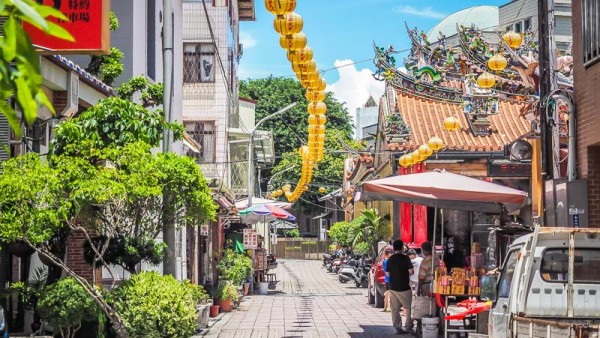
Tainan
Where heritage tastes rich and welcome feels real
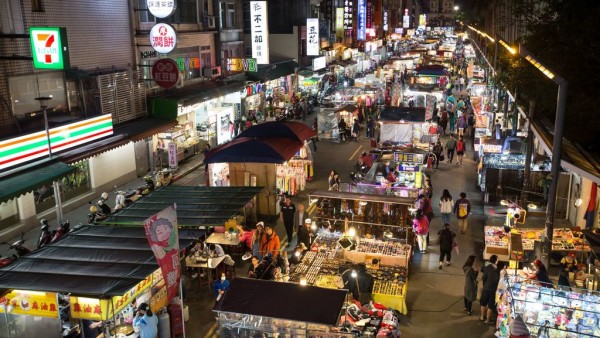
Zhongli
Culture, history, and a welcoming base for exploring inclusive Taiwan.
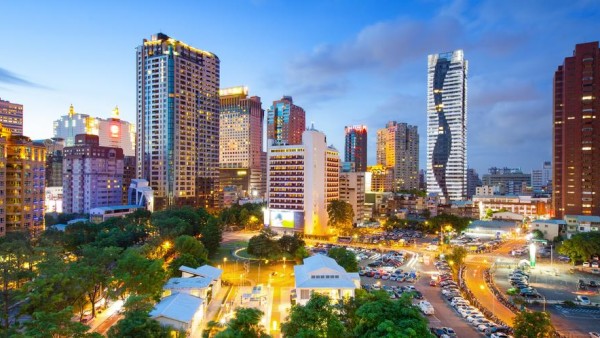
Taichung
Culture, comfort, and a welcoming city break
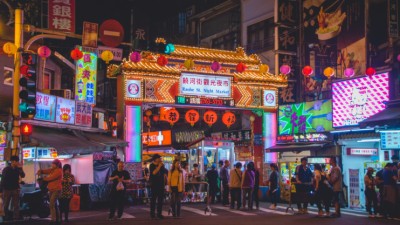
Taipei
Where inclusive travel meets a polished urban escape.