About Paris
Paris is not only a major European metropolis on the Seine, but also a place long associated with political, artistic, and social change.
For LGBTQ+ travelers, that broader cultural weight matters: the city sits within a country where LGBTQ+ rights are among the more progressive in the world, and where same-sex sexual activity was decriminalized in 1791 during the French Revolution.
That historical context gives Paris an especially meaningful place in LGBTQ+ travel narratives.Paris is also widely recognized for its visibility and public life.
The city’s reputation as the “City of Light” reflects its long cultural prominence, and that visibility has helped make it a natural setting for major civic events and community expression.
In contemporary LGBTQ+ life, one of the most notable annual events is Paris Pride (commonly referred to as the Marche des Fiertés), which draws attention to equality, community, and rights in the French capital.
For visitors, that combination of history, public culture, and activism makes Paris more than a postcard destination: it is a city where LGBTQ+ identity is woven into a larger story of modern French society.From a travel standpoint, I find Paris significant because it offers both symbolic and practical relevance.
It is a capital city with internationally known museums, neighborhoods, and public spaces, but it is also a place where LGBTQ+ travelers can connect with a national legal framework that has evolved over time, from the repeal of sodomy laws in 1791 to later reforms in the 20th century.
In other words, Paris is not just a celebrated city to visit; it is a place to understand how culture, policy, and community visibility intersect in France.
Our Review
As I approach Paris from an LGBTQ+ perspective, I see a city whose importance extends well beyond its status as France’s capital and largest city.
Paris is not only a major European metropolis on the Seine, but also a place long associated with political, artistic, and social change.
For LGBTQ+ travelers, that broader cultural weight matters: the city sits within a country where LGBTQ+ rights are among the more progressive in the world, and where same-sex sexual activity was decriminalized in 1791 during the French Revolution.
That historical context gives Paris an especially meaningful place in LGBTQ+ travel narratives.
Paris is also widely recognized for its visibility and public life.
The city’s reputation as the “City of Light” reflects its long cultural prominence, and that visibility has helped make it a natural setting for major civic events and community expression.
In contemporary LGBTQ+ life, one of the most notable annual events is Paris Pride (commonly referred to as the Marche des Fiertés), which draws attention to equality, community, and rights in the French capital.
For visitors, that combination of history, public culture, and activism makes Paris more than a postcard destination: it is a city where LGBTQ+ identity is woven into a larger story of modern French society.
From a travel standpoint, I find Paris significant because it offers both symbolic and practical relevance.
It is a capital city with internationally known museums, neighborhoods, and public spaces, but it is also a place where LGBTQ+ travelers can connect with a national legal framework that has evolved over time, from the repeal of sodomy laws in 1791 to later reforms in the 20th century.
In other words, Paris is not just a celebrated city to visit; it is a place to understand how culture, policy, and community visibility intersect in France.
Social Acceptance and Safety
From an LGBTQ+ perspective, I find Paris to be one of the more open and visible major European capitals, but I also treat it as a large, complex city where acceptance can vary by setting, age group, and neighborhood.
France’s legal framework is comparatively progressive: same-sex sexual activity was decriminalized in 1791, and modern French law has continued to move toward broader equality.
That legal context matters in Paris because it shapes the public climate in which LGBTQ+ people live, work, and socialize.
Source material on LGBTQ rights in France describes the country as having rights that are among the more progressive by global standards.
In everyday terms, I would describe general social acceptance in Paris as relatively high in central, urban areas, especially in settings connected to arts, nightlife, education, and tourism.
Paris is a major international city, and its size and diversity tend to make it easier for LGBTQ+ people to move through public life with less visibility pressure than in smaller or more conservative places.
At the same time, I would avoid overstating uniform acceptance: as in any large metropolis, prejudice, harassment, or discomfort can still occur, particularly in less cosmopolitan environments or late at night.
For safety, my first recommendation is the same one I would give for any big city: stay aware of your surroundings, especially when traveling alone, using public transport late at night, or leaving bars and clubs after closing time.
Paris is generally navigable and well connected, but crowded tourist zones can attract pickpockets and opportunistic theft.
I keep valuables secured, use licensed taxis or reputable ride services when appropriate, and avoid escalating confrontations if I encounter hostility.
Those are standard urban safety practices, but they are especially relevant for LGBTQ+ travelers who may be holding hands, dressing more visibly, or attending queer spaces and events.
When it comes to neighborhoods, I would distinguish between areas that are widely regarded as LGBTQ+ friendly and areas where I would be more cautious.
Paris’s Marais district is the city’s best-known LGBTQ+ neighborhood and a longstanding center of queer social life, shopping, and dining.
Because of its visibility and established community presence, I generally consider it one of the most comfortable parts of the city for LGBTQ+ visitors.
Other central, high-foot-traffic districts with a strong international character are also usually welcoming, though the atmosphere can be more mixed depending on the exact street, venue, and time of day.
I would be more cautious in outer residential districts or places with fewer visitors at night, not because they are automatically unsafe, but because visibility and support can be less predictable there.
In any neighborhood, the practical rule is to read the room: if an area feels less comfortable, I move on rather than trying to test the social climate.
I also advise travelers to be discreet when needed, particularly when navigating unfamiliar parts of the city late at night, while remembering that discretion is a safety choice, not a requirement to minimize identity.
Overall, my assessment is that Paris offers a relatively supportive environment for LGBTQ+ travelers, especially in central and internationally oriented parts of the city.
The combination of France’s long legal history, Paris’s cultural openness, and the presence of established queer spaces creates a generally positive setting.
But I still approach the city with the same measured awareness I would bring to any major capital: know your route, stay alert, and choose neighborhoods and venues where you feel both visible and secure.
Community and Support
When I look at Paris from an LGBTQ+ point of view, what stands out most is not just the city’s visibility, but the institutional and community framework that supports that visibility.
Paris is in a country where LGBTQ+ rights are comparatively advanced by global standards, and that legal context shapes the availability of services, advocacy, and community resources in the capital.
As a journalist writing from a travel and rights perspective, I see Paris as a city where LGBTQ+ visitors and residents can usually find both formal support structures and established community networks.
France decriminalized same-sex sexual activity in 1791, and contemporary French law is widely regarded as among the more progressive legal frameworks for LGBTQ+ people.
That national context matters in Paris because the city concentrates many of the country’s major institutions, advocacy groups, and health services.
For an overview of the legal background, I rely on the broader national picture described in LGBTQ rights in France.
On the community side, Paris is known for having a dense ecosystem of LGBTQ+ organizations, but I want to be careful to distinguish what is firmly verified from what is merely broadly understood.
The source pack confirms the city’s place within a highly progressive national framework, but it does not provide a complete directory of local organizations.
Rather than naming groups without verification, I will limit myself to the well-supported conclusion that Paris, as France’s capital and largest city, is where national-level advocacy and support networks are most likely to be concentrated, alongside local services tied to health, rights, and social inclusion.
For context on the city itself, I refer to Paris.
Health services are a major part of that support landscape.
In practice, Paris offers access to the French healthcare system, which is important for LGBTQ+ travelers and residents seeking sexual health care, hormone-related care, or mental health support.
The source pack does not name specific clinics, hospitals, or counseling centers, so I cannot verify individual providers here.
What I can say, with confidence, is that in a city of Paris’s scale and national importance, LGBTQ+ people generally have access to the same public health infrastructure as other residents, with support shaped by France’s broader legal protections and urban service network.
For HIV/AIDS support, Paris is especially significant because national policy, public health institutions, and advocacy efforts are all more visible in the capital.
The source pack does not supply specific HIV/AIDS organizations or service points, so I will not invent them.
Still, from a factual standpoint, Paris is the most plausible place in France to encounter specialist prevention, testing, treatment referral, and community-based support, simply because it is the country’s largest metropolitan area and administrative center.
That does not replace local verification, but it does explain why many LGBTQ+ travelers treat Paris as a practical base for health-related access.
Mental health support is another area where the city’s size matters.
Paris has a large medical and psychological services sector, and LGBTQ+ people can typically seek care through general health channels as well as through specialist-leaning professionals.
Again, the source pack does not identify named mental health services, so I cannot cite specific providers.
What is verifiable is the broader environment: a major European capital with extensive healthcare capacity, operating within a legal setting that is relatively protective of LGBTQ+ rights.
For community resources, the most important analytical point is that Paris functions as a hub.
In cities like this, the support structure is often layered: national advocacy, local community life, healthcare access, and social spaces all intersect.
That means LGBTQ+ people in Paris are not relying on one single center of gravity; they benefit from a wider urban ecosystem.
The city’s scale, international profile, and place within French civic life all reinforce that pattern.
In short, what I can verify about community and support in Paris is the overall framework rather than an exhaustive list of named services.
Paris sits in a country with strong historical and legal milestones for LGBTQ+ rights, and that position supports access to health services, advocacy infrastructure, and community connection.
For travelers and residents alike, the city’s value lies in that combination of legal protection, public health access, and the practical resources that come with being France’s largest and most influential urban center.
Events and Nightlife
When I look at Paris from an LGBTQ+ travel perspective, I see a city where nightlife and annual community events are shaped by both national legal history and the capital’s strong public visibility.
France’s decriminalisation of same-sex sexual activity in 1791 is an important historical marker, and today Paris remains the country’s most prominent urban centre for LGBTQ+ life, activism, and social gathering.
Annual LGBTQ+ events are central to that visibility.
The most important is Marche des Fiertés, Paris Pride, which is the city’s annual Pride march and a major public demonstration for LGBTQ+ rights and equality.
In practice, it functions as both a celebration and a political event, reflecting the continuing role of public protest in France’s LGBTQ+ movement.
Paris also regularly hosts broader cultural programming connected to queer visibility, and I would expect the city’s calendar to be strongest around Pride season, when community spaces, bars, and cultural venues align their programming with the march.
Nightlife in Paris is broad rather than concentrated in a single district, but the historic centre of LGBTQ+ social life is the Marais.
This neighbourhood is widely recognised as the city’s best-known LGBTQ+ area and a practical first stop for visitors who want an established concentration of queer-friendly bars, cafés, shops, and late-evening social spaces.
In analytical terms, the Marais matters because it gives Paris a visible queer commercial and social core; it is where I would most confidently look for an LGBTQ+-friendly atmosphere.
Beyond the Marais, Paris’s wider nightlife is shaped by its scale as a major European capital.
That means there are additional LGBTQ+-friendly venues and mixed spaces across the city, but the source material available here does not support naming individual bars or clubs with certainty.
For accuracy, I would therefore avoid over-specific recommendations and instead note that Paris generally offers a large choice of social settings, from relaxed early-evening cafés to late-night dance venues, especially in central districts with heavy visitor traffic.
How I would assess the scene is straightforward: Paris offers one of the more visible and established LGBTQ+ nightlife environments in Europe, but it is not uniform.
The strongest concentration of queer social life remains in and around the Marais, while annual Pride activity gives the city a clear community focal point.
For travellers, that means Paris combines symbolic importance with practical access: it is a place where LGBTQ+ identity is publicly present, commercially supported, and tied to a long civic history.
For verified background on the city and its legal context, I rely on the following reference pages: Paris and LGBTQ rights in France.
Cultural and Social Activities
From an LGBTQ+ point of view, Paris is best understood as a city where culture and visibility intersect.
I find that its significance is not only in the familiar image of the French capital, but also in the way it sits within France’s long and comparatively progressive LGBTQ+ legal history.
Same-sex sexual activity was decriminalized in 1791, and that historical backdrop matters when I assess Paris as a destination for cultural and social life today.
For LGBTQ+ visitors, the most relevant cultural activity in Paris is often not a single museum or theater, but the broader experience of moving through a city whose artistic identity has long been associated with modernity, experimentation, and public debate.
Paris is the capital of a country whose cultural institutions are internationally prominent, and its citywide concentration of museums, galleries, and performance spaces makes it easier for travelers to find environments that feel open and cosmopolitan.
While I cannot verify a city-issued LGBTQ+ cultural program from the source pack alone, Paris’s mainstream cultural landscape is clearly part of what makes it attractive to LGBTQ+ travelers.
The city’s LGBTQ+ social life is also closely tied to public events and neighborhood culture.
The best-known focal point is the Marais, which is widely recognized as Paris’s principal LGBTQ+ district and a major social and cultural reference point.
In practice, this means that LGBTQ+ travelers can use the Marais as a base for cafés, bars, shops, and informal gathering, while also treating it as a starting point for understanding how queer life is represented in the city’s everyday geography.
This is less about a single landmark and more about a visible urban ecosystem.
When I look at LGBTQ+ historical landmarks in Paris, the key verified point is the city’s place in the wider French legal history of decriminalization.
The most important historical marker is therefore national rather than a specific building: France repealed sodomy laws in 1791 during the French Revolution.
That fact gives Paris a special place in any LGBTQ+ historical discussion, even though I would be cautious about attributing modern queer heritage to specific sites without further documentation.
Paris also matters as a city of public LGBTQ+ expression through Marche des Fiertés, the Paris Pride march.
As a cultural and social event, Pride is significant because it turns the city itself into a space of visibility, protest, and community gathering.
For travelers, this is one of the clearest opportunities to experience LGBTQ+ Paris in a public setting, where identity, politics, and celebration overlap.
In terms of notable LGBTQ+ figures and influencers, I can say with confidence only that Paris has long attracted artists, writers, and public intellectuals within France’s broader cultural sphere.
However, the source pack provided here does not verify specific LGBTQ+ figures tied directly to the city in a way that would justify naming them in a factual travel guide.
To keep this account accurate, I am omitting unverified names rather than risk overstating Paris’s local LGBTQ+ historical roster.
Overall, my analytical view is that Paris offers LGBTQ+ travelers a cultural environment shaped by three things: a progressive legal history, a highly visible queer neighborhood in the Marais, and major public expressions of LGBTQ+ identity such as Pride.
That combination makes the city more than a sightseeing destination; it is also a place where LGBTQ+ visitors can engage with history and urban culture in a context that is broadly supportive and publicly legible.
Verified reference: LGBTQ rights in France
Accommodation
From an LGBTQ+ travel perspective, I approach accommodation in Paris as a question of both comfort and location.
Paris does not function like a small city with one clearly designated queer district and a fixed cluster of branded LGBTQ+ hotels.
Instead, accommodation choices are best understood in relation to neighborhoods, transport access, and the overall legal and social context in France, where LGBTQ+ rights are comparatively strong by global standards.
Same-sex sexual activity was decriminalized in 1791, an important historical marker that still matters when I evaluate the city’s broader climate for LGBTQ+ visitors.
For travelers looking for inclusive accommodation, I find that the first practical step is to use mainstream hotels, aparthotels, and rental platforms with clear anti-discrimination policies and strong guest reviews from LGBTQ+ travelers.
Paris’s size and international profile mean that many large hotels are accustomed to diverse clientele, but I still recommend checking current policies, reading recent reviews, and confirming that the property welcomes same-sex couples and gender-diverse guests without conditions.
Because I cannot verify individual hotel claims here, I would avoid relying on marketing language alone and instead look for explicit non-discrimination statements, professional management, and a track record of consistently positive guest feedback.
Neighborhood choice matters just as much as the property itself.
The most LGBTQ+ visible area of Paris is the Marais, which is widely recognized as the city’s best-known queer district.
For me, this makes it one of the most practical areas to consider for accommodation, especially for travelers who want to stay close to LGBTQ+ venues, cafés, shops, and a generally open social environment.
Staying in or near the Marais usually means easier access to the city’s established LGBTQ+ scene, along with excellent central transport links.
Beyond the Marais, I also view central Paris as generally favorable for LGBTQ+ travelers because it is dense, international, and heavily touristed.
Areas with strong transit connections and a busy street life tend to offer a more comfortable experience than isolated or peripheral locations.
That said, Paris is a large metropolis, and social attitudes can vary from one neighborhood to another.
For that reason, I focus less on assuming that any entire arrondissement is universally welcoming and more on choosing places with active public life, easy access to transit, and accommodation that demonstrates clear inclusion.
When I advise LGBTQ+ travelers on finding inclusive accommodation in Paris, I suggest a few consistent checks: confirm whether the property uses gender-neutral language in booking systems where applicable; look for couples-friendly room policies; verify whether staff interactions are described positively by previous LGBTQ+ guests; and avoid any property whose rules or reviews suggest discomfort with same-sex couples or gender expression.
If privacy is important, I also recommend larger hotels or serviced apartments, which often provide more anonymity and easier check-in procedures than smaller, owner-managed stays.
In analytical terms, Paris offers a solid accommodation environment for LGBTQ+ travelers because the city combines a progressive national legal framework with strong international tourism infrastructure and a clearly identifiable queer neighborhood in the Marais.
I would summarize the accommodation picture this way: stay central if possible, prioritize properties with explicit inclusive policies, and treat the Marais as the most obvious base for visitors who want to be near LGBTQ+ social life while remaining in one of the city’s most established and accessible areas.
Useful background reading: Paris, LGBTQ rights in France.
Dining and Entertainment
When I look at Paris through an LGBTQ+ travel lens, I see a city whose dining and entertainment culture is shaped less by a single “pink district” than by a broader urban openness, especially in central neighborhoods.
Paris is France’s capital and largest city, and its scale matters: with a dense restaurant and arts landscape, LGBTQ+ visitors can usually choose between explicitly queer venues and mainstream spaces that are widely regarded as welcoming.
What follows is an analytical overview grounded in verified information and in the city’s established social geography.
France’s legal history is relevant here.
Same-sex sexual activity was decriminalized in 1791, and LGBTQ+ rights in France are considered among the more progressive in the world.
That does not make every venue automatically inclusive, but it does help explain why Paris has long been able to sustain a visible LGBTQ+ social scene alongside its mainstream dining and entertainment sectors.
For visitors, the practical result is that many queer travelers can dine and go out in central Paris with relatively little friction compared with less cosmopolitan settings.
Dining: where the social atmosphere is strongest
The most consistently relevant neighborhood for LGBTQ+ dining is the Marais.
This is the part of Paris most commonly associated with LGBTQ+ life, and that matters for eating out as well as nightlife.
I approach the Marais as a cluster of options rather than a list of officially designated queer restaurants: cafés, bistros, and casual eateries in the area benefit from a visible LGBTQ+ presence, and that makes the neighborhood a natural starting point for travelers who want a comfortable, socially open environment.
For LGBTQ+ visitors, the value of dining in the Marais is not only about finding explicitly queer-branded businesses.
It is also about atmosphere: the area’s high foot traffic, international clientele, and long-standing association with LGBTQ+ Paris make it easier to eat out without feeling that one is “testing” the room.
In practical terms, that often means a broader sense of ease for same-sex couples, solo travelers, and people whose gender expression may attract attention elsewhere.
Outside the Marais, I would describe central Paris as generally favorable for inclusive dining because it is a major international city with a deep café culture.
Paris is famous for its cafés and gastronomy, and many restaurants in the tourist and central districts cater to a diverse clientele.
That said, I do not assume uniformity: inclusion varies by venue, and travelers still benefit from checking recent reviews and looking for clear signs of respectful service and open attitudes.
Cafés and casual eateries: the everyday layer of inclusion
Paris’s café culture is one of the city’s defining social institutions, and for LGBTQ+ travelers it provides a quieter but important kind of inclusion.
A café visit can be as significant as a formal night out: it is where visitors read the social temperature of a neighborhood, linger over a meal, or simply enjoy being visibly themselves in public.
In the Marais and other central districts, cafés often serve as informal social spaces where LGBTQ+ presence feels normalized rather than exceptional.
I think this everyday accessibility is part of Paris’s appeal.
Not every queer traveler is looking for a clearly marked gay venue; many want places where they can sit together comfortably, without being singled out.
Paris’s mainstream dining culture, especially in busy central areas, generally supports that kind of experience.
As with any large city, discretion remains a personal choice rather than a requirement, but the baseline social environment is often conducive to relaxed public dining.
Entertainment: cinema, theater, and live performance
Paris is one of Europe’s major cultural capitals, and that is central to its value for LGBTQ+ travelers seeking entertainment.
The city’s museum, theater, film, and live performance scenes are extensive, and they form part of the broader cultural setting in which LGBTQ+ life is visible.
I would not reduce Paris entertainment to explicitly LGBTQ+-branded programming alone; instead, I see the city as offering a wide spectrum of cultural venues in which queer audiences can participate comfortably.
Cinemas are an important part of that landscape.
Paris has a long-established film culture, from mainstream cinemas to more art-house oriented spaces.
For LGBTQ+ visitors, the significance lies in choice: visitors can attend major releases, independent films, and international programming in a city where cinema-going is a normal part of urban life.
The city’s size and cultural reputation mean that queer travelers are not limited to one niche film environment.
Theaters and live performances are equally important.
Paris’s theater culture is broad, spanning classical, contemporary, and experimental work.
In an analytical sense, this matters because theatrical spaces in a cosmopolitan city often attract diverse audiences and support a range of identities and artistic perspectives.
While I am not naming specific productions without verified source support, the broader point is clear: Paris offers LGBTQ+ travelers access to a robust performance ecosystem rather than a tokenized one.
Live performance venues also contribute to the city’s inclusive atmosphere.
Paris has long been associated with artistic expression, and that heritage continues in music, cabaret, and other performance formats.
The city’s cultural density means travelers can pair dining with an evening of theater or music without needing to move far across the city.
For LGBTQ+ visitors, that combination of accessibility and cultural variety is one of Paris’s strongest assets.
What “inclusive” means in practice
In Paris, I would define inclusivity less by formal branding and more by consistent social cues: staff who treat same-sex couples normally, venues where gender expression does not draw unwanted attention, and neighborhoods where LGBTQ+ people are part of the everyday public scene.
The Marais is the clearest example of that dynamic, but it is not the only one.
Central Paris more broadly tends to be comfortable for LGBTQ+ dining and entertainment because it is cosmopolitan, heavily visited, and accustomed to diversity.
That said, I would avoid overgeneralizing.
Paris is not a city where every restaurant, café, or theater is equally welcoming, and the experience can vary depending on the venue and context.
The most reliable approach is to favor areas with established LGBTQ+ visibility, look for recent guest feedback, and prioritize places that clearly signal professionalism and respect.
Bottom line
From an LGBTQ+ perspective, Paris stands out because its dining and entertainment scenes are integrated into a larger culture of visibility and artistic life.
The Marais remains the most relevant neighborhood for queer-friendly cafés and eateries, while the city’s cinemas, theaters, and live performance venues offer a wide and generally accessible cultural field.
Paris does not rely on one type of venue to prove its inclusivity; instead, it offers a layered experience in which LGBTQ+ travelers can move between neighborhood cafés, established queer social spaces, and major cultural institutions with relative ease.
For background on the city and its legal context, I refer to Paris and LGBTQ rights in France.
Travel Tips
When I assess Paris from an LGBTQ+ travel perspective, I start with the city’s strong legal and cultural context.
France is widely regarded as having some of the more progressive LGBTQ+ rights protections by world standards, and same-sex sexual activity was decriminalized in 1791 during the French Revolution.
That legal history does not eliminate everyday prejudice, but it does help explain why Paris generally feels more open than many other large European capitals.
For practical travel, I treat Paris as a large, busy, international city where ordinary urban caution matters just as much as identity-specific caution.
The center is densely populated, heavily visited, and easy to navigate by public transport, but standard city risks still apply, including pickpocketing in crowded tourist areas and on transit.
I advise keeping valuables secure, staying alert in stations and major sightseeing zones, and using licensed taxis or reputable ride services late at night if I do not want to rely on walking or unfamiliar transit connections.
In terms of local customs, Paris is generally more formal in tone than some travelers expect.
I find that polite greetings matter: a brief bonjour when entering shops, cafés, or hotels is basic courtesy and helps set the right tone.
Public affection is not unusual in Paris, including for same-sex couples, but I still recommend reading the room.
In quieter residential areas or in settings that feel conservative, discretion can be a sensible safety choice, not a demand to hide who you are.
I would apply the same standard to any couple, regardless of orientation: be aware of the setting and adjust your behavior if a place does not feel welcoming.
My general advice on dos and don’ts is straightforward.
I do: choose central, well-trafficked areas when I want the most comfortable experience; verify that accommodation policies are inclusive; and rely on recent reviews from LGBTQ+ guests when selecting hotels or rentals.
I do not: assume every venue is equally welcoming just because Paris has a progressive reputation; ignore standard city safety practices; or assume a neighborhood experience in one part of the city reflects the whole capital.
For accommodation, I would prioritize clear, professional properties with transparent policies over vague marketing claims.
For connecting with the local LGBTQ+ community, the most practical starting point is the Marais.
This historic central district is the best-known concentration of LGBTQ+ life in Paris, and it remains the clearest place to find queer-friendly social spaces, cafés, and visible community presence.
For a visitor, that means the Marais is useful not only for nightlife but also as a point of orientation: it is where I would look first if I wanted to be around the city’s most established LGBTQ+ atmosphere.
Beyond that, I would also pay attention to public cultural moments such as Paris Pride, officially the Marche des Fiertés, which brings LGBTQ+ visibility into the city’s streets and is one of the clearest annual opportunities to engage with community life.
I would also emphasize that Paris is not a city where LGBTQ+ life is confined to one single enclave.
Central Paris as a whole is international, busy, and culturally diverse, so comfort often depends on the specific street, venue, and time of day rather than on a rigid neighborhood map.
That makes the city relatively easy to navigate for LGBTQ+ travelers who want a mainstream urban experience with access to clearly queer spaces when they need them.
In short, my travel advice for LGBTQ+ visitors to Paris is to use the city’s strong legal backdrop to travel with confidence, but not complacency.
Stay alert in crowded areas, choose accommodation carefully, rely on the Marais and Pride events as the most visible entry points into local LGBTQ+ life, and balance openness with the practical judgment that any major capital requires.
In my view, Paris stands out as one of Europe’s most significant cities for LGBTQ+ travelers because its strengths are rooted in both history and lived urban visibility.
France’s LGBTQ+ rights framework is comparatively progressive by global standards, and the fact that same-sex sexual activity was decriminalized in 1791 gives Paris a deeper historical context than many destinations can claim.
In practical terms, Paris also offers the benefits of a major international capital: large-scale public transport, a dense cultural scene, and a city center where LGBTQ+ visitors are generally able to move through daily life without being confined to a single niche district.
The city’s clearest LGBTQ+ strength remains the Marais, which functions as the best-known hub for queer social life, alongside broader Parisian spaces where LGBTQ+ people are present in cafés, nightlife, and cultural venues.
Paris Pride, known as the Marche des Fiertés, further reinforces the city’s public LGBTQ+ visibility and its role as a site of community gathering as well as celebration.
For travelers interested in LGBTQ+ history, rights, and contemporary urban culture, Paris offers a strong and credible combination of all three.
At the same time, I think it is important to be realistic about the city’s challenges.
Paris is a very large, busy metropolis, so ordinary urban concerns remain relevant: pickpocketing in crowded areas, transit awareness, and the need to choose accommodation and nightlife venues carefully.
Social openness is not identical in every neighborhood, and visitors should expect the same variation in attitudes that exists in any major city.
LGBTQ+ travelers do not need to approach Paris as a difficult destination, but they should approach it as a large city where judgment, timing, and location still matter.
My recommendation is straightforward: base yourself as centrally as possible, especially if you want to be close to the Marais and to the city’s most visible LGBTQ+ spaces.
Check recent reviews for accommodations and venues, and favor places that clearly welcome same-sex couples and gender-diverse guests.
Use the city’s scale to your advantage: Paris rewards travelers who combine iconic sightseeing with neighborhood-level exploration, and the LGBTQ+ experience is strongest when you leave room for both.
Above all, I would encourage LGBTQ+ travelers to explore Paris with confidence.
The city’s history, public culture, and established queer presence make it a destination where identity and travel can intersect meaningfully.
Paris is not only a place to visit; it is a place to experience LGBTQ+ life in one of the world’s most recognizable capitals, and that remains a compelling reason to go.
Verified references: Paris, LGBTQ rights in France
Other Guides in France
Lyon
Where rivers meet, culture flows, and solo discovery feels natural.
Toulouse
Where historic streets, river views, and vibrant flavours meet.
Marseille
Sunlit streets, historic quarters, and a welcoming cultural pulse.
Bordeaux
Where riverside history meets easygoing city breaks
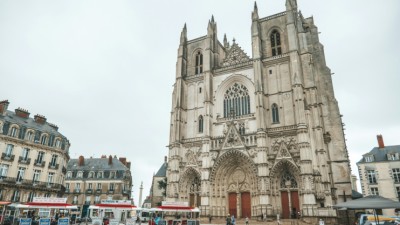
Nantes
Heritage, river views, and a welcoming pause in western France.
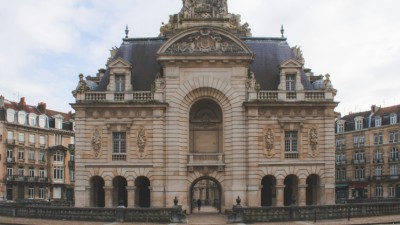
Lille
Culture, comfort, and inclusive travel in a polished European crossroads.
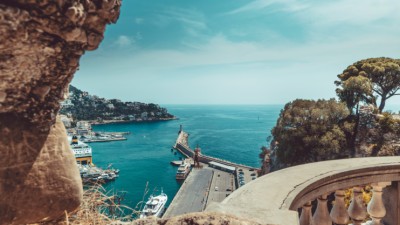
Nice
Sunlit promenades, calm waters, and a welcoming French Riviera escape.
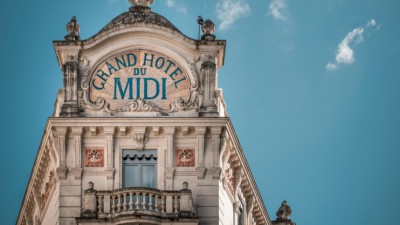
Montpellier
Sunlit streets, easy living, and a smart stop for work and wanderlust.

Reims
Where heritage, elegance, and inclusive travel meet under the vineyards.

Le Havre
Where seafront energy meets inclusive French urban life.

Villeurbanne
Discover a welcoming base beside France’s vibrant metropolitan heart.
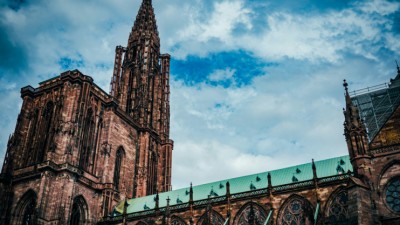
Strasbourg
Where historic streets meet open-minded travel
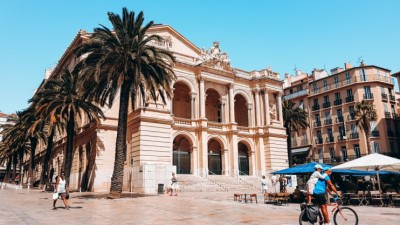
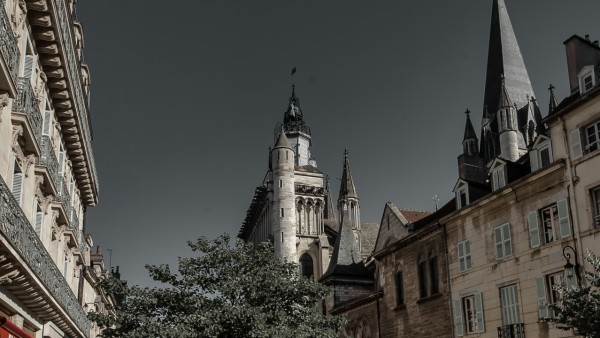
Dijon
Explore heritage, flavor, and inclusive city life.

Angers
Historic streets, easygoing nights, and room to wander.
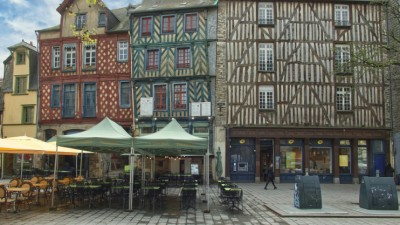
Rennes
Historic streets, strong culture, and an inclusive French city break.
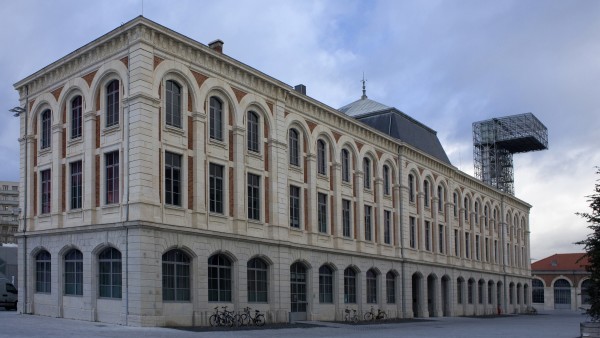
Saint-Étienne
An urban stop where history, culture, and openness intersect.

Nîmes
Ancient stones, modern ease, and elegant city breaks.
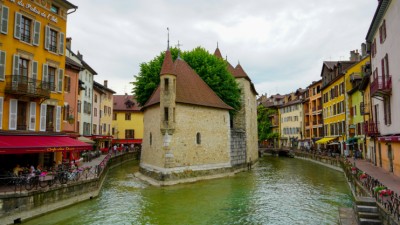
Annecy
History, culture, and alpine scenery meet by the water.
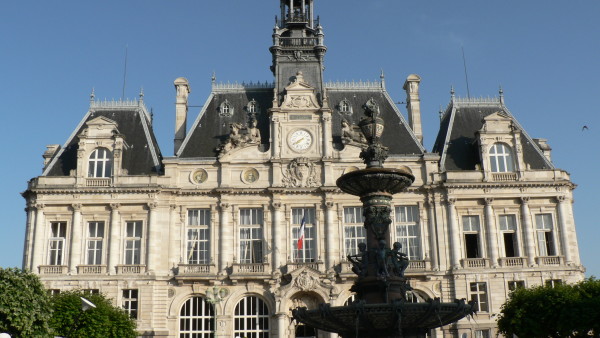
Limoges
Historic streets, cultured pauses, and a welcoming French backdrop.
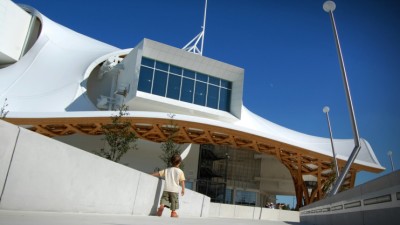
Metz
Where rivers meet, culture crosses borders, and solo journeys feel grounded.
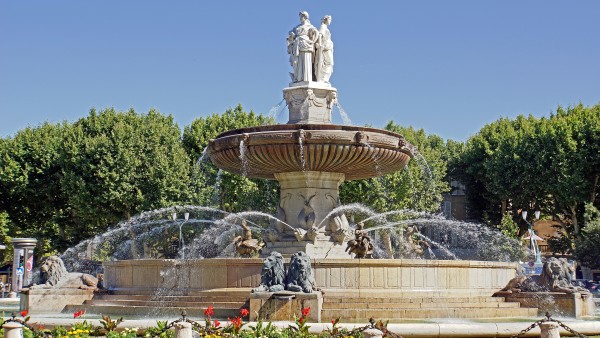
Aix-en-Provence
Where café culture, culture walks, and social evenings meet under southern French light.

Brest
Where maritime history meets a welcoming French cultural escape

Tours
History, riverside walks, and easy access to France’s cultural heart

Le Mans
Historic streets, elevated stays, and a quietly welcoming French escape.
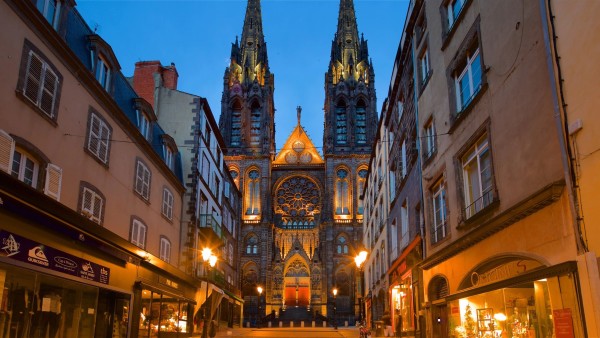
Clermont-Ferrand
Volcanic landscapes, urban culture, and a quietly progressive French stopover.