About Mexico City
Set high on the Mexican Central Plateau, it is a place where history, art, and public life meet on a scale that is both immense and deeply lived-in.
For LGBTQ+ travelers, that matters: the city’s size, energy, and long-standing role as a center of activism have helped make it one of the region’s most visible urban destinations for queer life.Mexico City has also become especially significant for LGBTQ+ travelers because of its reputation for openness and its highly public Pride presence.
I would plan around Marcha del Orgullo LGBTTTIQ+, the city’s annual Pride march, which is among the best-known LGBTQ+ events in the country and draws large crowds each year.
Another important stop is the area around the Zona Rosa, long recognized as a social and nightlife hub with a visible LGBTQ+ presence.
For travelers who value responsible tourism, the city also rewards slower, lower-impact exploration: I recommend using public transport where practical, walking in compact neighborhoods, and supporting locally owned businesses and community-led spaces whenever possible.What makes Mexico City especially compelling to me is that it offers both scale and specificity: world-class museums, major public spaces, and a contemporary queer scene that sits within a broader civic identity shaped by diversity and cultural exchange.
For LGBTQ+ visitors, it is a city where visibility is part of the experience, and where a thoughtful, respectful approach to travel can make that experience even richer.
Our Review
As I arrive in Mexico City, I’m reminded that this is not only Mexico’s capital and largest city, but also one of Latin America’s most important cultural centers.
Set high on the Mexican Central Plateau, it is a place where history, art, and public life meet on a scale that is both immense and deeply lived-in.
For LGBTQ+ travelers, that matters: the city’s size, energy, and long-standing role as a center of activism have helped make it one of the region’s most visible urban destinations for queer life.
Mexico City has also become especially significant for LGBTQ+ travelers because of its reputation for openness and its highly public Pride presence.
I would plan around Marcha del Orgullo LGBTTTIQ+, the city’s annual Pride march, which is among the best-known LGBTQ+ events in the country and draws large crowds each year.
Another important stop is the area around the Zona Rosa, long recognized as a social and nightlife hub with a visible LGBTQ+ presence.
For travelers who value responsible tourism, the city also rewards slower, lower-impact exploration: I recommend using public transport where practical, walking in compact neighborhoods, and supporting locally owned businesses and community-led spaces whenever possible.
What makes Mexico City especially compelling to me is that it offers both scale and specificity: world-class museums, major public spaces, and a contemporary queer scene that sits within a broader civic identity shaped by diversity and cultural exchange.
For LGBTQ+ visitors, it is a city where visibility is part of the experience, and where a thoughtful, respectful approach to travel can make that experience even richer.
Dining and Entertainment in Mexico City: an LGBTQ+ Travel Guide
When I explore Mexico City from an LGBTQ+ perspective, I’m always struck by how naturally dining, nightlife, and culture overlap here.
The city is one of the world’s largest metropolitan areas and a major cultural center, so I tend to think of food and entertainment less as separate activities and more as part of the city’s everyday rhythm.
For LGBTQ+ travelers, that matters: the most comfortable places are often in lively, well-connected neighborhoods where diversity is already part of the street life.
The best-known starting point is Zona Rosa, the city’s long-established LGBTQ+ district.
I find it especially useful because it brings together restaurants, cafés, bars, and late-night entertainment in a compact area that is easy to navigate.
For travelers who want to be near queer-friendly venues without relying on long cross-city trips, this is the most practical base.
Where I go for LGBTQ+ friendly dining
I look for central, busy neighborhoods with a steady mix of locals and visitors.
In Mexico City, that usually means areas with good public transit access and a strong daytime street presence.
That approach is both more comfortable and more sustainable: I can walk between nearby spots, use the metro or other public transport when appropriate, and avoid unnecessary car rides.
In and around Zona Rosa, I recommend choosing restaurants and cafés that are visibly welcoming and well reviewed by a broad mix of diners.
While individual business names can change over time, the general experience in this part of the city is that casual eateries, coffee shops, and bars are used to serving a diverse crowd.
That makes it a reliable area for an easy lunch, a relaxed dinner before a show, or a late-night drink after a concert.
When I’m writing about inclusive dining, I also pay attention to practical details rather than just atmosphere: clear menus, transparent pricing, attentive service, and a location that feels active after dark.
Those features matter to many LGBTQ+ travelers, especially if they are new to the city or are looking for a low-stress first night out.
Cafés and casual spots
For daytime meals and coffee breaks, I prefer cafés in central neighborhoods where it’s easy to linger, work, or plan the rest of the day.
Mexico City’s café culture is strong, and many visitors use cafés as a base between museum visits, gallery stops, or neighborhood walks.
That fits well with an LGBTQ+ trip because it allows a slower, more local way to experience the city.
From a travel perspective, I suggest choosing places near major pedestrian streets or transit corridors.
That not only reduces emissions, it also makes it easier to move comfortably between lunch, shopping, and evening plans.
In a city as large as Mexico City, that kind of planning can make the difference between a hectic schedule and a genuinely enjoyable day.
Entertainment: cinemas, theaters, and live performance
Mexico City’s cultural scene is one of its biggest strengths.
For LGBTQ+ travelers, I think that is part of the appeal: entertainment here is not limited to nightlife.
The city is known for its museums, theaters, cinemas, and live performance spaces, and these often sit close to dining districts, which makes it easy to build a full evening around food and culture.
I especially recommend looking for performances and screenings in central, well-trafficked areas where the audience is mixed and the setting feels open and urban.
Large cultural institutions and established venues are usually the most straightforward options for travelers who want a welcoming experience without having to research every detail in advance.
Live performance is also an important part of the city’s identity.
Mexico City has a broad theater and arts tradition, and I often find that combining dinner with a play, concert, or dance performance creates a more memorable night than bar-hopping alone.
For LGBTQ+ visitors, that blend of culture and community can feel especially rewarding.
How I choose inclusive venues
When I’m selecting a restaurant or entertainment venue in Mexico City, I look for a few simple signs of inclusion:
- Respectful, professional service
- Clear and nonjudgmental communication
- A mixed and comfortable crowd
- Central location with easy transit access
- Recent reviews that mention a welcoming atmosphere
I also prefer places that fit a walkable itinerary.
That is better for the planet and often better for the trip itself, because it reduces stress and lets me spend more time enjoying the neighborhood rather than commuting across the city.
My practical takeaway
If I were planning a dining-and-entertainment-focused LGBTQ+ stay in Mexico City, I would center it on Zona Rosa and nearby central districts, then build outward from there with cafés, restaurants, cinemas, and live venues that are easy to reach by foot or public transport.
That approach reflects what makes the city work so well for LGBTQ+ travelers: visibility, variety, and the ability to move between meals and culture in a way that feels natural.
Mexico City rewards curiosity, but it also rewards planning.
For me, the most satisfying evenings here are the ones that combine a good meal, a welcoming crowd, and a performance or screening in a place that feels part of the city rather than separated from it.
Travel tips for LGBTQ+ visitors in Mexico City
When I travel in Mexico City, I treat it as a huge, layered capital where neighborhood choice, timing, and awareness matter just as much as what I plan to see.
The city is Mexico’s capital and most populous city, and it is divided into 16 boroughs, so my first tip is to keep logistics simple: stay in a well-connected area, map out my routes in advance, and avoid assuming that every district feels the same.
That matters here.
For LGBTQ+ travelers, Mexico City is generally one of the more visible and open places in Latin America, especially in central districts, but I still travel with the same common-sense habits I would use in any major metropolis.
I keep valuables out of sight, use reputable transport, and avoid walking alone late at night in unfamiliar areas.
I also pay attention to crowds in tourist zones and on public transit, where petty theft can be a concern in big cities.
Local customs are important, too.
I have found that a polite, low-key approach goes a long way in day-to-day interactions.
Public affection is common in some settings and neighborhoods, but I still read the room, especially outside central entertainment areas.
If I am unsure how open a space feels, I let local cues guide me rather than making assumptions about the whole city.
One of the best ways I connect with the local LGBTQ+ community is by spending time in established queer-friendly areas, especially Zona Rosa, which has long been associated with LGBTQ+ nightlife and social life.
I use it as a starting point, not the whole story: I also look for cafés, cultural venues, and daytime meeting places where community life feels more local and less performance-driven.
If I’m traveling during Pride season, I plan ahead, since the Marcha del Orgullo LGBTTTIQ+ draws large crowds and affects hotel and transport availability.
I also try to travel responsibly.
Mexico City is a place where walking and public transit can be practical in central areas, so I use them when they make sense and when the route feels safe.
That helps me keep my footprint lower while getting a better feel for the city.
I choose accommodation close to the places I want to visit so I can reduce unnecessary taxi rides, and I prefer businesses that are clearly welcoming and locally rooted.
My final advice is simple: stay alert, stay flexible, and let the city unfold neighborhood by neighborhood.
Mexico City rewards travelers who plan carefully, respect local rhythms, and move through it with curiosity and caution in equal measure.
When I think about Mexico City from an LGBTQ+ traveler’s point of view, I see a city with real strengths: scale, visibility, and cultural depth.
As the capital and most populous city in Mexico, it has the density and diversity that allow LGBTQ+ life to be present in more than one part of the city, not just in a single nightlife district.
That breadth matters.
It means I can spend a day moving between museums, plazas, cafés, and neighborhood streets, and still feel the city’s queer energy in the background of everyday life.
At the same time, Mexico City is a very large metropolis, and that size brings challenges.
Like any major city, it requires awareness, especially when I am planning nighttime movement, using transit, or navigating unfamiliar neighborhoods.
I also keep in mind the city’s altitude and pace: it is physically expansive, busy, and can be tiring if I try to do too much at once.
For LGBTQ+ travelers, the key is not to assume that every area feels the same.
I would approach the city with openness, but also with the practical caution I use in any big urban destination.
My final recommendation is simple: stay central if you can, move thoughtfully, and give yourself time to experience the city at street level.
Walking between nearby places, using public transport when it makes sense, and choosing well-located accommodation can make the trip easier and more sustainable.
That approach also supports a more eco-conscious visit, because it reduces unnecessary car use and helps me experience the city in a more grounded way.
Most importantly, I would encourage LGBTQ+ travelers to explore Mexico City with curiosity.
Its scale is part of its charm.
The city rewards visitors who take time to look beyond the obvious and notice how culture, public life, and local communities intersect.
For me, that is what makes Mexico City memorable: it is not just a place to pass through, but a place to explore, observe, and enjoy at a human pace.
Other Guides in Mexico
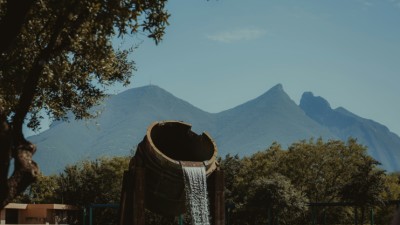
Monterrey
Mountain views, bold flavors, and a modern urban pulse
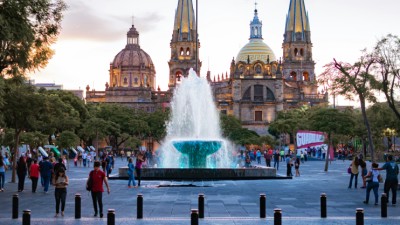
Guadalajara
Colonial heritage, living arts, and a welcoming urban pulse.
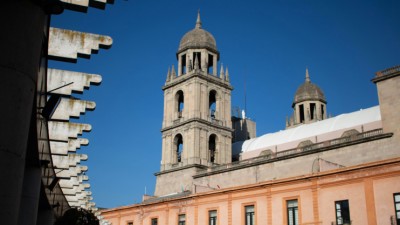
Toluca
High-altitude culture, regional access, and a useful base for the central plateau.
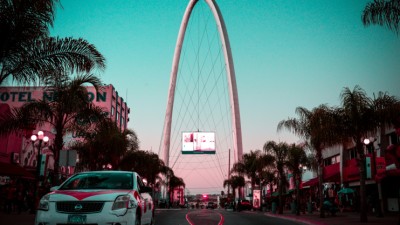
Tijuana
Where border energy meets nightlife, culture, and connection.
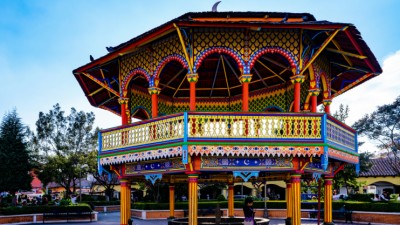
Puebla
Baroque streets, mountain views, and a welcoming city break beyond the ordinary.
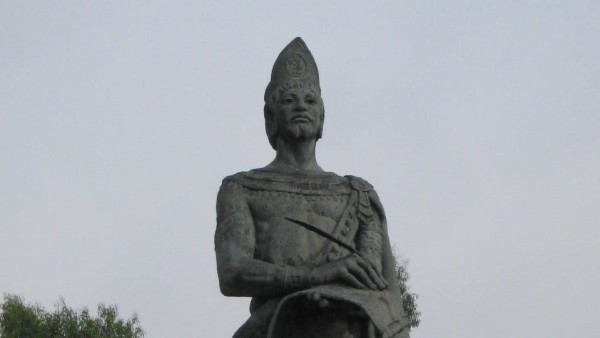
Nezahualcóyotl
Where urban energy meets a wider metropolitan queer scene
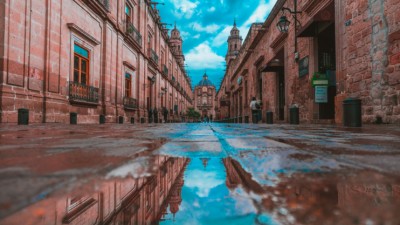
Morelia
Historic beauty, walkable streets, and a slower pace for thoughtful travel.
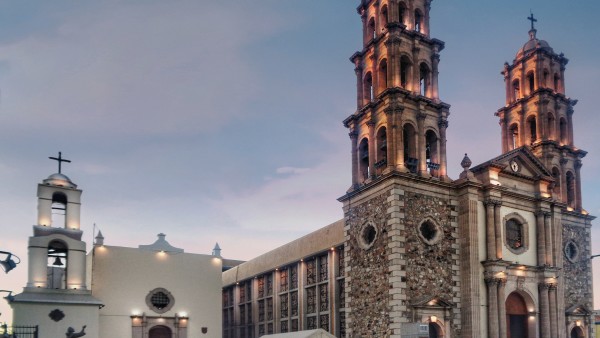
Juárez
Cross the border, feel the pulse.
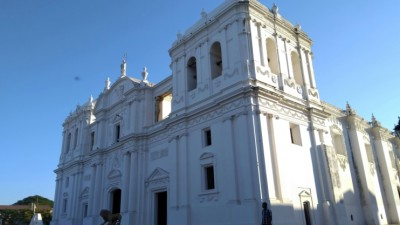
León de los Aldama
Explore the city with open eyes and an informed perspective.
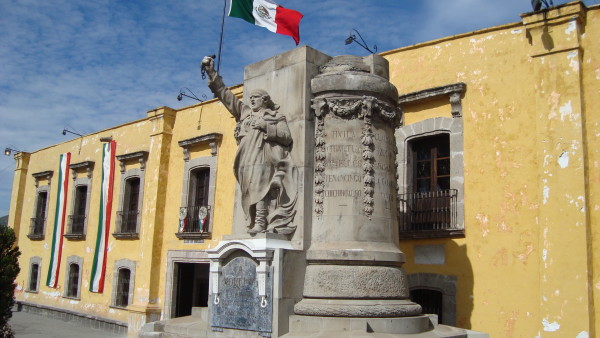
Ecatepec
Explore a bustling urban gateway where everyday street life meets the wider culture of Mexico City.
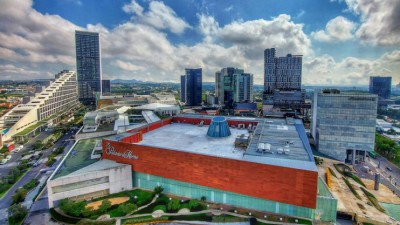
Zapopan
Heritage streets, regional flavors, and a wider Jalisco backdrop
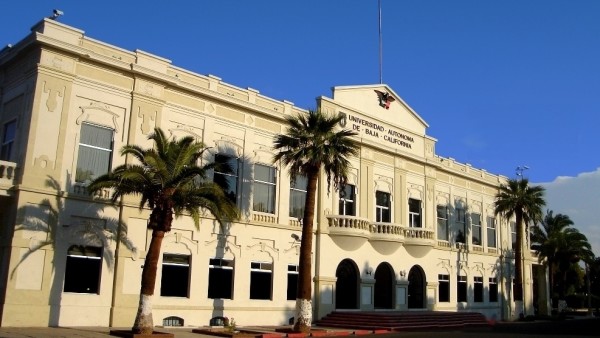
Mexicali
Border energy, desert nights, and a welcoming base for exploring Baja California.
Ciudad Nezahualcóyotl
Discover a vibrant urban gateway with easy access to queer life nearby.