- Home
- Mozambique
- Matola
About Matola
While it is not widely recognized as a major LGBTQ+ destination, Matola's proximity to Maputo allows visitors to tap into the broader progressive movements and communities in the region.As a solo traveler interested in LGBTQ+ culture, it’s important to approach Matola with awareness of Mozambique’s evolving social landscape.
The country has made significant strides in LGBTQ+ rights compared to many of its neighbors, including the decriminalization of same-sex relationships.
However, Matola itself remains a quieter city with limited dedicated LGBTQ+ events or landmarks.
Most LGBTQ+ social and cultural activities tend to be centered in Maputo, where community organizations and occasional events provide spaces for connection and expression.Visiting Matola offers an opportunity to experience everyday Mozambican life beyond the capital’s tourist circuit, with the added benefit of easy access to Maputo’s more visible LGBTQ+ scene.
For those traveling solo, Matola can serve as a peaceful base from which to explore the region’s diversity and emerging inclusivity.
Our Review
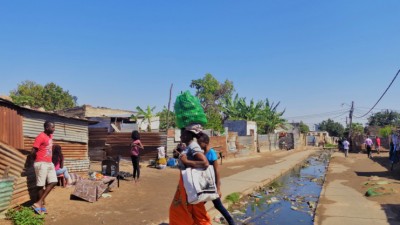
Matola, Mozambique's largest suburb and an industrial hub adjacent to the capital Maputo, offers a unique blend of urban life and cultural authenticity.
While it is not widely recognized as a major LGBTQ+ destination, Matola's proximity to Maputo allows visitors to tap into the broader progressive movements and communities in the region.
As a solo traveler interested in LGBTQ+ culture, it’s important to approach Matola with awareness of Mozambique’s evolving social landscape.
The country has made significant strides in LGBTQ+ rights compared to many of its neighbors, including the decriminalization of same-sex relationships.
However, Matola itself remains a quieter city with limited dedicated LGBTQ+ events or landmarks.
Most LGBTQ+ social and cultural activities tend to be centered in Maputo, where community organizations and occasional events provide spaces for connection and expression.
Visiting Matola offers an opportunity to experience everyday Mozambican life beyond the capital’s tourist circuit, with the added benefit of easy access to Maputo’s more visible LGBTQ+ scene.
For those traveling solo, Matola can serve as a peaceful base from which to explore the region’s diversity and emerging inclusivity.
Social Acceptance and Safety in Matola
As a solo traveler exploring Matola, Mozambique, understanding the local social climate and safety considerations for LGBTQ+ visitors is essential.
Matola, Mozambique’s largest suburb and an industrial hub adjacent to the capital Maputo, reflects a generally conservative social environment.
While Mozambique decriminalized same-sex sexual activity in 2015, societal acceptance of LGBTQ+ individuals remains limited, especially outside the capital.
In Matola, public expressions of LGBTQ+ identity are rare, and there are no established LGBTQ+ neighborhoods or dedicated venues known for being openly welcoming.
The city’s social fabric is shaped by traditional values, and discretion is advisable for same-sex couples or LGBTQ+ travelers when in public spaces.
Public displays of affection may attract unwanted attention, so I recommend keeping interactions low-key to avoid discomfort.
Regarding safety, there are no widespread reports of targeted violence against LGBTQ+ individuals in Matola.
However, general safety precautions apply: avoid isolated areas after dark, stay aware of your surroundings, and trust your instincts.
Connecting with local contacts or online communities before and during your visit can provide up-to-date insights and support.
For those seeking a more visible and active LGBTQ+ scene, Maputo—just a short drive away—offers more options, including occasional events and venues that are more openly LGBTQ+ friendly.
If your itinerary includes Matola, consider spending time in Maputo to experience a more welcoming environment.
In summary, Matola is not known for LGBTQ+ visibility or activism, but it is not openly hostile either.
Exercising discretion, respecting local customs, and prioritizing personal safety will help ensure a positive experience while exploring this industrial city.
Community and Support for LGBTQ+ Travelers in Matola
As a solo traveler exploring Matola, Mozambique, understanding the local LGBTQ+ community and available support is essential for a safe and enriching experience.
Matola, being the largest suburb of Maputo, shares much of its social and cultural fabric with the capital, yet it does not have a distinct or well-documented LGBTQ+ infrastructure of its own.
Key LGBTQ+ Organizations and Support Groups
While Matola itself lacks dedicated LGBTQ+ organizations, the nearby capital Maputo hosts several important groups that serve the broader metropolitan area.
One of the most prominent is Lambda Mozambique, an organization advocating for LGBTQ+ rights, health education, and HIV/AIDS awareness.
Lambda Mozambique provides vital outreach, counseling, and community-building activities primarily in Maputo but also impacts residents in Matola and surrounding areas.
For solo travelers in Matola seeking connection or support, reaching out to Lambda Mozambique or similar Maputo-based groups is advisable.
These organizations often organize events, workshops, and safe spaces that foster community and provide valuable information.
Health Services: Mental Health and HIV/AIDS Support
Specialized LGBTQ+-friendly health services, including confidential HIV testing, counseling, and mental health support, are concentrated in Maputo.
Matola currently does not have dedicated clinics or centers focused on LGBTQ+ health needs.
If you require these services during your stay, planning a visit to Maputo’s health facilities is recommended.
HIV/AIDS remains a significant public health focus in Mozambique, and organizations like Lambda Mozambique work closely with health providers to ensure accessible, stigma-free services for LGBTQ+ individuals.
Community Centers and Resources
Matola does not have established LGBTQ+ community centers or dedicated safe spaces.
However, the city’s proximity to Maputo means that community events, support groups, and cultural activities are within reasonable reach.
For solo travelers, this means you can enjoy the quieter atmosphere of Matola while accessing the more visible and active LGBTQ+ community life in Maputo.
In summary, while Matola itself offers limited direct LGBTQ+ community infrastructure, its closeness to Maputo provides access to essential organizations and services.
I recommend connecting with Maputo-based groups like Lambda Mozambique to enhance your experience and ensure you have support during your travels.
Events and Nightlife in Matola from an LGBTQ+ Perspective
As a solo traveler exploring Matola, Mozambique, I found that the city offers a quieter and more low-key experience compared to larger urban centers.
When it comes to LGBTQ+ events, Matola itself does not currently host dedicated Pride parades, festivals, or marches.
The main annual LGBTQ+ celebrations in Mozambique take place in nearby Maputo, the capital city, which is just a short drive away.
Maputo hosts Mozambique Pride, the country's primary LGBTQ+ event, usually held in September or October, bringing together a vibrant community for visibility and advocacy.
Matola's nightlife scene is modest and does not have venues exclusively catering to LGBTQ+ patrons.
However, several local bars and clubs are known for their welcoming and inclusive atmospheres.
These spots provide safe and friendly environments where LGBTQ+ travelers can enjoy a night out.
Recommended LGBTQ+ Friendly Venues in Matola
- Bar do Cais: A relaxed bar popular with locals, Bar do Cais offers a friendly atmosphere ideal for meeting people and enjoying casual drinks.
While not exclusively LGBTQ+, it is known for its openness and respect toward diversity. - Club 360: This club features lively music and dancing, attracting a diverse crowd.
Its inclusive vibe makes it a good option for LGBTQ+ visitors looking to experience Matola’s nightlife. - Chill Out Lounge: A cozy and laid-back venue, Chill Out Lounge is appreciated for its welcoming environment and is a nice spot to unwind after a day of exploring.
Since Matola is close to Maputo, I recommend combining your visit with time in the capital to experience a broader range of LGBTQ+ events and nightlife options.
Maputo’s scene is more developed, with dedicated LGBTQ+ venues and larger community events, including Mozambique Pride.
Overall, Matola offers a respectful and safe environment for LGBTQ+ solo travelers who appreciate a slower pace and authentic local interactions.
While the city’s LGBTQ+ nightlife is still emerging, its proximity to Maputo provides easy access to more vibrant community experiences.
Cultural and Social Activities in Matola
As a solo traveler passionate about exploring LGBTQ+ friendly spaces, I found that Matola, Mozambique’s second-largest city, offers a quieter cultural scene compared to its neighbor, Maputo.
While Matola itself does not have dedicated LGBTQ+ theaters, museums, or art galleries, its proximity to Maputo allows easy access to a richer cultural landscape.
Theaters, Museums, and Art Galleries
Matola’s cultural venues primarily reflect local and regional art and history but do not specifically cater to LGBTQ+ themes or audiences.
For example, Cine Matola is a local cinema screening a mix of international and Mozambican films, though LGBTQ+ themed films are rare here.
For a broader cultural experience, I recommend visiting Maputo’s National Art Museum of Mozambique, which showcases diverse Mozambican art and occasionally hosts exhibitions that touch on social issues, including gender and identity.
LGBTQ+ Specific Tours and Historical Landmarks
Currently, there are no known LGBTQ+ specific tours or historical landmarks in Matola.
The city’s history is largely industrial and residential, with limited public recognition of LGBTQ+ heritage.
For travelers interested in LGBTQ+ history and activism in Mozambique, Maputo remains the primary hub where organizations and community events are more visible.
Notable LGBTQ+ Figures and Influencers
Information about notable LGBTQ+ figures specifically from Matola is limited.
Mozambique’s LGBTQ+ advocacy and visibility are largely centered in Maputo, where activists and artists work to advance rights and representation.
Engaging with national organizations based there can provide valuable insight into the community’s progress and challenges.
Final Thoughts
While Matola itself may not offer a vibrant LGBTQ+ cultural scene, its close proximity to Maputo makes it a convenient base for solo travelers seeking to explore Mozambique’s evolving LGBTQ+ landscape.
Embracing the quieter pace of Matola combined with day trips to Maputo’s more active cultural and social spaces can provide a balanced and enriching experience.
Finding LGBTQ+ Friendly Accommodation in Matola
As a solo traveler who values safety and inclusivity, I understand how important it is to find welcoming places to stay.
Matola, Mozambique’s industrial sister city to Maputo, is still developing its tourism infrastructure and does not yet have hotels or guesthouses explicitly branded as LGBTQ+ friendly.
However, many accommodations operate professionally and discreetly, offering respectful service to all guests.
Hotels and Guesthouses
While Matola itself has limited options, Palacio Matola is one of the better-known hotels in the area.
It offers comfortable rooms and professional service.
Though it is not marketed specifically as LGBTQ+ friendly, there are no known reports of discrimination, and the staff tend to be welcoming and discreet.
For a more personalized experience, I recommend browsing Airbnb listings in Matola.
This platform allows you to read detailed guest reviews and communicate directly with hosts, which can be invaluable when assessing the inclusivity and comfort level of a stay.
Tips for Finding Inclusive Accommodation
- Research Reviews: Use platforms like Booking.com and TripAdvisor to read guest feedback, paying attention to comments about staff attitude and atmosphere.
- Contact Hosts Directly: Don’t hesitate to ask about their experience with LGBTQ+ travelers or their inclusivity policies.
- Use LGBTQ+ Travel Forums: Engage with communities such as Purple Roof or Travel Gay for firsthand recommendations and advice.
- Consider Staying in Maputo: Since Matola is close to Maputo (about 10 km away), many LGBTQ+ travelers choose to stay in Maputo, which has a more visible and established LGBTQ+ scene and more explicitly welcoming accommodations.
Welcoming Areas and Neighborhoods
Matola itself does not have neighborhoods known specifically for LGBTQ+ friendliness.
However, its proximity to Maputo is a significant advantage.
In Maputo, neighborhoods like Polana and Sommerschield are known for being cosmopolitan and more open-minded, with a variety of hotels, guesthouses, and restaurants that are welcoming to LGBTQ+ travelers.
For those who want to experience Matola but prefer the comfort of a more LGBTQ+ friendly environment, staying in Maputo and making day trips to Matola is a practical and safe approach.
Final Thoughts
While Matola is still emerging as a travel destination and lacks explicitly LGBTQ+ branded accommodations, the city’s hospitality industry is professional and discreet.
By doing your research, communicating with hosts, and considering nearby Maputo for your base, you can enjoy a safe and comfortable stay.
Traveling solo here offers a unique opportunity to explore an authentic part of Mozambique while embracing the freedom and growth that come with solo travel.
Dining in Matola
Matola, Mozambique’s industrial neighbor to Maputo, offers a quiet and authentic local dining scene.
While the city itself does not have venues explicitly marketed as LGBTQ+ friendly, the general hospitality culture in Mozambique is known for its warmth and friendliness.
As a solo traveler, I found that many informal eateries and small restaurants serve traditional Mozambican dishes such as peri-peri chicken, fresh seafood, matapa (cassava leaves in peanut sauce), and xima (a cornmeal staple).
These spots are often family-run and community-oriented, providing a genuine taste of local life.
Since Matola is less tourist-focused than Maputo, dining options are modest but sincere.
I recommend approaching these venues with openness and respect for local customs.
For a wider variety of restaurants with more explicitly inclusive atmospheres, a short trip to Maputo is advisable.
Travel Tips for LGBTQ+ Travelers Visiting Matola, Mozambique
As a solo traveler who values both safety and authentic experiences, visiting Matola offers a unique glimpse into Mozambican culture just outside the capital, Maputo.
While Matola itself is less frequented by international tourists, it’s important for LGBTQ+ travelers to be aware of local customs, safety considerations, and ways to connect with the community.
Understanding Local Customs
Mozambique decriminalized same-sex relationships in 2015, which is a positive step legally.
However, societal attitudes, especially outside Maputo, tend to be conservative.
In Matola, public displays of affection between same-sex couples are generally not accepted and could attract unwanted attention.
I recommend adopting a low profile regarding your sexual orientation or gender identity in public spaces.
Dos and Don'ts
- Do learn some basic Portuguese phrases; it helps break the ice and shows respect for local culture.
- Do use registered taxis or ride-hailing apps like Bolt or Uber (available in Maputo) when traveling between Matola and Maputo, especially after dark.
- Do dress modestly and respectfully to avoid standing out unnecessarily.
- Don't engage in overt public displays of affection, as this may provoke negative reactions.
- Don't openly discuss your sexual orientation or gender identity with strangers unless you feel safe and comfortable.
Travel Safety
Matola is generally safe during the day, but like many urban areas, caution is advised after sunset.
Stick to well-lit, populated areas and avoid isolated streets.
Keep your belongings secure and be mindful of your surroundings.
Sharing your itinerary with a trusted friend or family member is always a good practice.
Connecting with the Local LGBTQ+ Community
Matola itself has limited visible LGBTQ+ spaces or organizations.
However, nearby Maputo has a more active LGBTQ+ scene.
Organizations such as Lambda Mozambique advocate for LGBTQ+ rights and occasionally host events and support groups.
If your schedule allows, consider visiting Maputo to connect with these communities.
Online platforms and social media can also be useful for discreetly connecting with locals, but always prioritize your safety and privacy.
Final Thoughts
Traveling solo in Matola requires a balance of openness and discretion.
By respecting local customs and prioritizing your safety, you can enjoy the rich culture and warm hospitality Mozambique offers.
Remember, nearby Maputo can provide additional resources and community connections to enrich your journey.
Matola offers a unique glimpse into everyday Mozambican life, just outside the bustle of Maputo.
From an LGBTQ+ perspective, the city presents both opportunities and challenges.
While Mozambique’s legal framework does not criminalize same-sex relationships, social acceptance in Matola remains limited, especially compared to larger urban centers.
This means discretion and cultural sensitivity are important for LGBTQ+ travelers.
That said, Matola’s proximity to Maputo is a significant advantage.
You can easily access Maputo’s more established LGBTQ+ venues, community groups, and resources while enjoying the authentic, less-touristy atmosphere Matola provides.
This balance allows for a meaningful travel experience that combines cultural immersion with access to safer, more inclusive spaces.
My advice for LGBTQ+ solo travelers is to prepare by connecting with local LGBTQ+ networks based in Maputo before your visit.
Choose accommodations known for inclusivity and remain aware of your surroundings.
Engage respectfully with the local culture—explore markets, try local cuisine, and appreciate the natural beauty around Matola.
Ultimately, Matola rewards travelers who approach it with an open mind and thoughtful planning.
It may not have a visible LGBTQ+ nightlife or scene, but it offers a genuine cultural experience that complements the broader Mozambican journey.
Embrace the freedom of solo travel here, stay safe, and enjoy discovering a side of Mozambique that many overlook.