- Not LGBTQ+ Friendly
- 4 City Guides
- 0 Likes
- Leave a comment
About Mozambique
Mozambique at a glance
Mozambique is a long, Indian Ocean-facing country in Southeast Africa, stretching from the tropical north down toward South Africa and Eswatini.
For many travelers, its appeal lies in contrast: a broad sweep of coastline with island-dotted waters and beach towns, alongside inland landscapes shaped by rivers, wildlife areas, and highland terrain.
Its capital, Maputo, is the country’s largest city and an important point of entry for understanding modern Mozambican life.
For LGBTQ+ travelers, Mozambique is best approached as a destination for its scenery, food, and culture rather than for a visible queer nightlife scene.
The country’s travel experience is generally grounded in outdoor beauty, coastal relaxation, and urban exploration, with a social climate that can be more discreet than openly celebratory.
Planning with local norms in mind will help you travel more comfortably.
What makes Mozambique distinctive
Mozambique stands out for the way it combines African, Portuguese, and Indian Ocean influences.
Its colonial-era architecture in some cities and towns remains one of the country’s notable visual draws, while its music, art, and food reflect strong local traditions as well as centuries of maritime exchange.
Portuguese is the official language, and this cultural layer is especially visible in architecture, cuisine, and everyday urban life.
The country is also geographically striking.
It has some of southern Africa’s most appealing beaches, coral-fringed islands, and coastal waters, but it is not only a beach destination.
Inland, visitors can move between lowland plains, river systems, and elevated landscapes, including Monte Binga, the country’s highest peak at 2,436 meters.
That range of settings gives Mozambique a broader travel identity than many visitors expect.
Culture, food, and everyday travel appeal
Mozambican culture is often experienced through music, food, and art as much as through museums or formal heritage sites.
Travel here can feel richly local and sensory: markets, coastal towns, street life, and simple meals are all part of the draw.
Food is a major highlight for many visitors, especially seafood along the coast, where the Indian Ocean shapes both ingredients and cooking styles.
Portuguese-influenced dishes and local flavors are often blended in ways that feel distinctive to the region.
Because Mozambique is so spread out, the kind of trip you have depends heavily on the route you choose.
Some travelers come for relaxed beach time and diving or snorkeling, while others focus on Maputo’s urban energy, architecture, and dining, or use the country as part of a broader Southern Africa itinerary.
The travel style is often slower and more practical than polished, which can be rewarding for visitors who value atmosphere, authenticity, and space.
Key destinations
Maputo is the natural starting point for many trips.
As the capital and largest city, it offers the country’s strongest concentration of restaurants, services, and historic architecture.
It is also the place where travelers are most likely to encounter a more modern, cosmopolitan side of Mozambique.
Along the coast, Mozambique is known for scenic beach destinations and marine landscapes.
The country’s Indian Ocean shoreline is a major attraction in itself, with island and mainland areas drawing visitors for swimming, boat trips, and quiet coastal stays.
Inland, the draw shifts toward nature and altitude, including the striking highland scenery associated with Monte Binga and other less-visited parts of the country.
Travelers interested in history and heritage will find that colonial-era buildings and older urban districts are among Mozambique’s notable cultural assets.
These are often best appreciated in combination with the surrounding streets, markets, and local food scene, rather than as isolated monuments.
Travel style and what to expect
Mozambique is a place for travelers who like variety and who are comfortable with destinations that reward flexibility.
Distances can be substantial, and the infrastructure and pace of travel can differ from what visitors may be used to in more heavily touristed countries.
The payoff is a trip that can feel personal and unhurried, with strong rewards for those drawn to coastline, culture, and a less packaged experience.
For LGBTQ+ visitors, discretion is wise.
Same-sex sexual activity is legal, but social attitudes and legal protections do not always translate into an openly inclusive public environment.
As in much of the region, the safest and most comfortable approach is usually to observe local norms, avoid assuming public visibility will be welcomed everywhere, and choose accommodations and social settings with care.
In short, Mozambique is distinctive for its combination of dramatic coastline, deep cultural layering, memorable food, and a travel rhythm that feels both coastal and continental.
It is not a destination built around a single headline attraction; instead, its appeal comes from the way its cities, beaches, heritage, and everyday life fit together into a varied and atmospheric journey.
LGBTQ+ Overview
LGBTQ+ overview
Mozambique is not a destination with strong legal protections for LGBTQ+ travelers, but it is also not a country where same-sex intimacy is criminalized. Same-sex sexual activity was decriminalized in 2015, which is an important baseline for visitors. At the same time, legal protections remain incomplete and uneven. According to the available source material, employment discrimination on the basis of sexual orientation was prohibited from 2007 until 2024, and the current legal picture still leaves LGBTQ+ people facing challenges that do not apply to non-LGBTQ+ people. In practice, travelers should expect a low-profile environment rather than one that is openly welcoming or clearly protective.
The social climate is generally cautious and can be conservative, especially outside major urban areas. Public displays of affection between same-sex partners may draw unwanted attention, and many LGBTQ+ travelers choose to keep their relationships and identities private in everyday settings. In cities such as Maputo, where there is more anonymity and a larger urban population, travelers may find the atmosphere somewhat more relaxed than in smaller towns, but that does not amount to broad social acceptance. A traveler who is visibly gender-nonconforming or who is traveling as an openly same-sex couple may attract curiosity, intrusive questions, or judgment, even if the risk of formal legal trouble is low.
Common traveler risks are therefore more social than legal, but they still matter. Harassment, discrimination in accommodation or service settings, and privacy concerns are the main issues to plan around. Because protections are limited, travelers should be careful about relying on local police or institutions for support in a discrimination incident, and they should avoid assuming that staff in hotels, transport hubs, or venues will always respond sensitively. Standard precautions apply: choose reputable accommodation, use discretion when discussing personal life with strangers, and consider prearranging transportation when arriving late or traveling between less urban areas.
Support resources for LGBTQ+ travelers in Mozambique appear limited in the public, easy-to-verify source material, so it is wise to plan conservatively. Travelers who need assistance should start with their embassy or consulate, their travel insurer, or established general emergency services rather than assuming the presence of specialized LGBTQ+ support on the ground. If you are researching local contact points before travel, verify them carefully and rely only on current, credible sources. In practical terms, the safest approach is to travel with a low profile, keep digital privacy in mind, and have a fallback plan if you encounter hostility or service denial.
Recent trajectory has been mixed but not static. The decriminalization of same-sex activity in 2015 marked meaningful progress, and the legal environment has improved compared with the past. However, the broader trajectory has not yet translated into robust, traveler-facing protections or broad social acceptance. Mozambique is therefore best understood as a country where outright criminalization is no longer the primary issue, but where LGBTQ+ visitors still need to budget for caution and discretion.
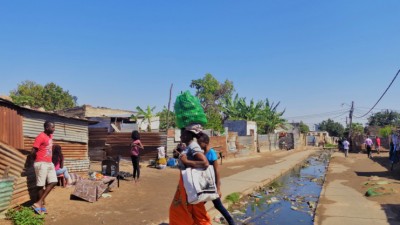
Maputo
A coastal capital where history, mobility, and local realities meet
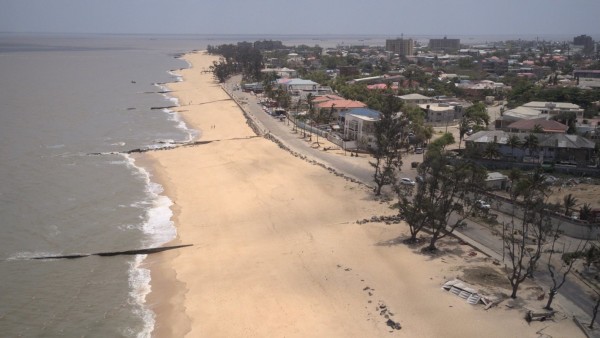
Beira
Explore a coastal gateway where history, resilience, and local culture meet.
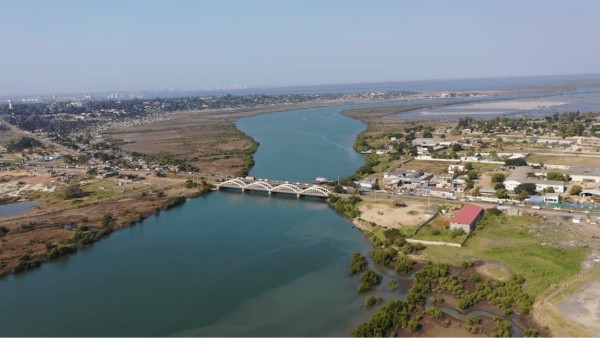
Matola
An industrial gateway with a regional pulse and a quietly evolving social climate.
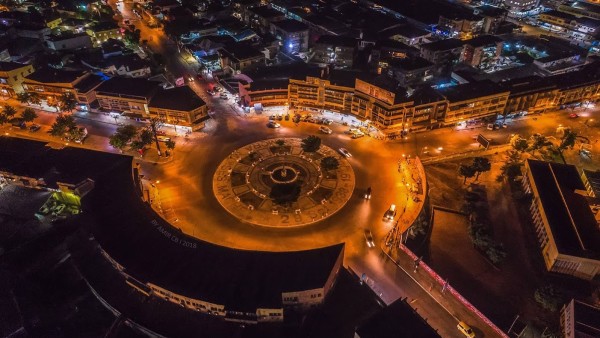
Nampula
Practical travel insight for exploring a city with regional reach and a cautious social landscape.