About Mar del Plata
It is the seat of General Pueyrredón district and the second largest city in Buenos Aires Province, which helps explain its importance as a regional center for culture, mobility, and public life.From an LGBTQ+ point of view, Mar del Plata sits within Argentina’s broader national context, where LGBTQ+ rights are among the most advanced in the world.
Argentina became the first country in Latin America to legalize same-sex marriage in 2010, and that legal framework matters when I consider any destination in the country: it shapes the civic environment in which LGBTQ+ residents and visitors experience public space, travel, and visibility.I would describe the city as significant for LGBTQ+ travelers less because of one single globally famous queer landmark than because of its place inside a country with strong legal protections and a socially significant tourism culture.
Its appeal lies in the combination of a major seaside destination, urban scale, and the broader Argentine context of expanded LGBTQ+ rights.
For travelers seeking a coastal city in Argentina, that makes Mar del Plata a relevant stop for understanding how beach tourism and LGBTQ+ inclusion intersect in contemporary travel.
Our Review
I approach Mar del Plata as one of Argentina’s best-known Atlantic Coast cities: a major fishing port and the country’s largest seaside beach resort, with a role that extends well beyond summer tourism.
It is the seat of General Pueyrredón district and the second largest city in Buenos Aires Province, which helps explain its importance as a regional center for culture, mobility, and public life.
From an LGBTQ+ point of view, Mar del Plata sits within Argentina’s broader national context, where LGBTQ+ rights are among the most advanced in the world.
Argentina became the first country in Latin America to legalize same-sex marriage in 2010, and that legal framework matters when I consider any destination in the country: it shapes the civic environment in which LGBTQ+ residents and visitors experience public space, travel, and visibility.
I would describe the city as significant for LGBTQ+ travelers less because of one single globally famous queer landmark than because of its place inside a country with strong legal protections and a socially significant tourism culture.
Its appeal lies in the combination of a major seaside destination, urban scale, and the broader Argentine context of expanded LGBTQ+ rights.
For travelers seeking a coastal city in Argentina, that makes Mar del Plata a relevant stop for understanding how beach tourism and LGBTQ+ inclusion intersect in contemporary travel.
Social Acceptance and Safety in Mar del Plata
When I look at Mar del Plata from an LGBTQ+ travel perspective, the first thing that matters is context: this is a major Argentine coastal city, and it sits within a country whose legal framework for LGBTQ+ people is among the strongest in the world.
Argentina legalized same-sex marriage in 2010, becoming the first country in Latin America to do so, and public opinion has generally become more inclusive since the return to democracy in 1983.
That national backdrop matters because it shapes the general social environment in cities like Mar del Plata.
LGBTQ rights in Argentina
At the city level, I would describe Mar del Plata as a large, mainstream destination rather than a place defined by a single, clearly documented LGBTQ+ district.
The city is best known as one of Argentina’s major fishing ports and its largest seaside beach resort, and that tourism-driven character usually means a steady flow of domestic and international visitors.
In practical terms, that tends to make central, busy areas feel more comfortable for travelers than isolated streets or poorly lit sections away from the main tourist circuit.
Mar del Plata
Because I do not have verified evidence in the source pack identifying specific LGBTQ+ neighborhoods, I would avoid naming any district as officially “gayborhood” or “unsafe.” What I can say, based on the city’s role as a major resort and urban center, is that the most active and visible parts of the city are generally the areas where visitors are likely to feel most at ease simply because there are more people around and more tourism infrastructure.
For LGBTQ+ travelers, that usually translates into a preference for busy commercial zones, beachfront areas, and central hotels over quieter residential edges.
In terms of general safety, I would approach Mar del Plata the same way I would any large Latin American city: stay aware of surroundings, especially at night; use trusted transport where possible; and keep displays of affection calibrated to the setting.
Even in countries with strong legal protections, social comfort can vary by neighborhood, venue, and time of day.
Same-sex couples and trans travelers may find that public acceptance is strongest in well-trafficked, cosmopolitan spaces, while more conservative reactions are more likely in less urbanized or less frequented areas.
That is not unique to Mar del Plata, but it is a realistic travel consideration.
My practical advice is to choose accommodation in central, established parts of the city, remain cautious after dark, and prioritize busy streets and recognized tourist corridors.
If you are traveling as an LGBTQ+ couple or as a trans or gender-nonconforming traveler, I would recommend using the same common-sense precautions you would use in any unfamiliar destination: keep your plans flexible, avoid walking alone in deserted areas late at night, and rely on reputable transportation.
The city’s resort profile and Argentina’s broader legal protections are encouraging, but they do not replace normal street-level caution.
Overall, my assessment is that Mar del Plata benefits from Argentina’s generally progressive LGBTQ+ legal climate and its status as a major tourist city.
I would not characterize it as a destination with a clearly verified, distinct LGBTQ+ enclave, nor do I have source-supported evidence for identifying specific less welcoming neighborhoods.
What I can responsibly conclude is that the city should feel broadly navigable for LGBTQ+ travelers, especially in its busier and more tourist-oriented areas, provided they follow standard urban safety practices.
Accommodation in Mar del Plata: what I look for as an LGBTQ+ traveler
When I assess accommodation in Mar del Plata from an LGBTQ+ point of view, I start with the broader national context.
Argentina is widely regarded as one of the most progressive countries in the region on LGBTQ+ rights, and it legalized same-sex marriage in 2010, becoming the first country in Latin America to do so.
That matters for travelers because it creates a legal and social framework that is generally more inclusive than in many other parts of the continent.
Mar del Plata itself is best known as Argentina’s major seaside resort on the Atlantic coast and as a major fishing port.
It is also the second-largest city in Buenos Aires Province.
From a practical travel perspective, that means the city has a large and varied accommodation market, with options typical of a major domestic tourism destination.
I would therefore approach the city much as I would any large, mainstream Argentine resort: by prioritizing property policies, guest reviews, and location over any assumption that a hotel is explicitly LGBTQ+-branded.
What “LGBTQ+ friendly” usually means here
Based on the verified information available, I cannot point to specific hotels or guesthouses in Mar del Plata that are formally designated as LGBTQ+ accommodations.
So I would not label any property as queer-focused unless that is clearly stated by the hotel itself and independently verifiable.
In practice, “LGBTQ+ friendly” should mean:
- clear nondiscrimination language in booking terms or house policies,
- professional, respectful treatment at check-in and during the stay,
- visibility in reviews from LGBTQ+ guests, when available,
- and a location that makes it easy to use the city comfortably and safely.
In a city like Mar del Plata, those practical indicators are more reliable than assumptions based on marketing language.
How I would find inclusive accommodation options
I would begin with mainstream international and local booking platforms, then verify the property’s own policies before booking.
The most useful approach is to read recent guest reviews carefully and look for signs of consistent professionalism and respectful service.
I also recommend contacting the property directly with a neutral question if you want to gauge its inclusivity: for example, whether it welcomes all couples equally and whether the staff can accommodate two guests sharing a room without issue.
I would also favor hotels and apartment-style rentals that are used to serving a broad domestic and international clientele.
In a major resort city such as Mar del Plata, that often means properties accustomed to diverse visitors, which can reduce friction and make the stay feel more straightforward.
Neighborhoods and areas: what I can verify
The source pack does not identify specific neighborhoods in Mar del Plata as LGBTQ+ enclaves or officially welcoming districts, so I will not invent one.
What I can say, grounded in the city’s profile as a major resort destination, is that central and coastal areas are likely to offer the broadest choice of accommodation and the easiest access to transport, dining, and public life.
For LGBTQ+ travelers, that usually translates into a more practical stay because busy, central areas tend to have more hotel options and more visibility than isolated locations.
Rather than relying on claims about “gay neighborhoods” that I cannot verify, I would use the same criteria I use in other inclusive-city guides: choose a central area with strong transport connections, a high density of accommodations, and a steady flow of visitors.
In Mar del Plata, that approach makes sense because the city is structured around tourism and the beach economy.
My bottom-line advice
For LGBTQ+ travelers, Mar del Plata is best understood as a large Argentine coastal destination within a country that has strong legal protections and a comparatively inclusive rights framework.
I would not overstate the existence of explicitly LGBTQ+ accommodation without evidence.
Instead, I would recommend booking in well-reviewed, central properties, checking house policies carefully, and confirming that the hotel treats all couples and guests with equal respect.
That approach is realistic, evidence-based, and appropriate for Mar del Plata: a mainstream beach city where the national legal environment is a meaningful advantage, but where the safest guidance is still to verify each property individually.
Travel Tips for LGBTQ+ Visitors to Mar del Plata
When I look at Mar del Plata through an LGBTQ+ travel lens, I see a large, mainstream Argentine coastal city rather than a destination built around a clearly documented queer district or a formally identified network of LGBTQ+ venues.
That means my advice has to stay practical: use the city’s size, tourist infrastructure, and Argentina’s strong national rights framework to your advantage, while avoiding assumptions about local scenes that are not verified.
What I keep in mind before arriving
Argentina is one of the most progressive countries in the region for LGBTQ+ rights.
Same-sex marriage was legalized in 2010, and national protections for LGBTQ+ people are comparatively strong.
That matters in Mar del Plata because it sets the tone for how I expect to be received in mainstream hotels, restaurants, transport, and public spaces.
I still travel with the same common-sense awareness I would use in any major city, but I do not approach the destination as if I need to hide my identity.
Mar del Plata itself is a major city on the Atlantic Coast in Buenos Aires Province, and it is best known as the country’s largest seaside beach resort and one of its major fishing ports.
In practice, that means seasonal tourism, busy public areas, and a service economy accustomed to outside visitors.
For me, those are usually good signs for LGBTQ+ travelers: cities that live on tourism tend to be more accustomed to different kinds of visitors and relationship styles, even when they do not advertise explicitly queer spaces.
Local customs and day-to-day etiquette
My first rule is to follow the same respectful behavior I would use anywhere in Argentina: be polite, greet people directly, and match the formality of the setting.
In restaurants, hotels, and taxis, I would expect standard professional courtesy rather than special LGBTQ+ treatment.
I do not assume every staff member will use inclusive language automatically, but I also do not expect overt hostility in ordinary commercial settings.
Because I have no verified evidence of specific LGBTQ+-run venues or neighborhood hubs in Mar del Plata, I avoid making the city harder than it needs to be by searching for a scene that may not be documented in reliable sources.
Instead, I focus on central, well-reviewed, mainstream places in busy areas.
In my experience as a travel journalist, that is often the safest and least complicated choice in cities where the queer infrastructure is not clearly mapped.
When I am traveling as part of a same-sex couple or with friends, I gauge the setting before being openly affectionate in public.
Argentina is relatively inclusive, but public comfort levels still vary by neighborhood, crowd, and time of day.
A city can be legally progressive and still feel more conservative in some social contexts, especially away from the busiest tourist zones.
I do not treat that as a warning against visibility; I treat it as standard urban awareness.
Dos and don’ts
- Do choose reputable accommodation with clear nondiscrimination language and strong recent reviews from diverse guests.
- Do use mainstream booking platforms and contact properties directly if you want to confirm they welcome same-sex couples equally.
- Do stay in central or high-traffic areas when possible, especially if you want easier access to transport, dining, and services.
- Do carry the usual travel essentials: ID, phone charger, some cash, and the address of your hotel written down.
- Don’t assume a business is LGBTQ+-friendly unless it says so clearly or has reliable feedback from travelers.
- Don’t rely on unofficial claims about queer venues or community spaces without verification.
- Don’t make assumptions about privacy or safety in quieter areas late at night, even in a generally welcoming country.
Safety considerations
I approach Mar del Plata as I would any major Argentine resort city: with standard city safety habits, especially in busy tourist season.
I keep valuables secure, avoid poorly lit streets late at night, and plan my return transport in advance when I am out for dinner or nightlife.
These are not LGBTQ+-specific warnings so much as practical urban precautions.
Because I have no verified evidence of officially designated LGBTQ+ nightlife districts or community centers in the city, I do not recommend trying to “find the scene” by relying on rumor.
If I wanted to connect with the local LGBTQ+ community, I would start with general, visible public life and trusted digital channels rather than with unverified bar lists or speculative online comments.
Argentina’s legal environment gives me confidence, but legality and safety are not identical.
I still use normal street-level judgment: if a neighborhood feels empty, if I am unsure about an area at night, or if I have had too much to drink, I use a taxi or ride service rather than walking alone.
I also keep my phone charged and share my location with someone I trust when I am heading out after dark.
How I would connect with the local LGBTQ+ community
This is where I have to be especially careful and factual.
I cannot verify specific LGBTQ+ community organizations, pride groups, bars, or events in Mar del Plata from the source pack provided.
So I would not invent a scene that I cannot substantiate.
Instead, I would recommend a research-first approach.
My practical method would be:
- check current city or national LGBTQ+ rights resources before the trip;
- look for recent, traveler-generated reports that clearly identify themselves as current and firsthand;
- ask directly and respectfully at accommodation desks or visitor information points whether they know of inclusive spaces;
- use broad, verified Argentine LGBTQ+ rights information as a baseline for expectations.
For context, Argentina’s national reputation is important here.
The country’s LGBTQ+ rights framework is among the strongest in the world, and that shapes the overall climate for community visibility and social acceptance.
Even so, in Mar del Plata I would still verify everything locally before assuming there is a public-facing LGBTQ+ network I can easily plug into on arrival.
Transport and getting around
Mar del Plata is a substantial city and a major coastal destination, so getting around is a normal part of the travel experience rather than a barrier.
If I am arriving by air, I note that Avianca Argentina has been listed by Wikivoyage as connecting Buenos Aires to Mar del Plata, though I would always check current schedules and operators before travel because routes change.
Once in the city, I would rely on standard city transport options and the practical reality of a tourist center: the busiest corridors are usually the easiest to navigate.
For LGBTQ+ travelers, my advice is simple: use the transport option that keeps you comfortable, visible, and in control.
I prefer official or well-reviewed services late at night, especially if I am traveling alone or after an event.
My bottom line
If I were writing the short version for an LGBTQ+ traveler, I would say this: Mar del Plata is best approached as a mainstream Argentine seaside city with a favorable national legal environment, not as a destination with a fully documented queer tourism infrastructure.
That does not make it less worthwhile; it just means I rely on verified information, ordinary city safety habits, and direct confirmation from businesses rather than assumptions.
For me, the key advantage is Argentina itself.
In a country where same-sex marriage has been legal since 2010 and LGBTQ+ rights are comparatively advanced, Mar del Plata is a place where I would expect a generally respectful travel experience.
The most responsible way to travel there is to stay visible, stay informed, and verify locally before treating any venue or community claim as established fact.
From my perspective as a travel journalist focused on LGBTQ+ rights and community visibility, Mar del Plata stands out as a significant Argentine destination because it combines the scale of a major city with the appeal of a premier seaside resort.
As the second-largest city in Buenos Aires Province and one of the country’s major fishing ports and beach destinations, it has the infrastructure and visitor flow that make it a practical place to travel, stay, and explore.
The strongest advantage for LGBTQ+ travelers is not a single branded district or a confirmed roster of queer-specific venues in the source material, but Argentina’s wider legal and social framework.
According to verified sources, Argentina ranks among the highest countries globally for LGBTQ+ rights, and it became the first country in Latin America to legalize same-sex marriage in 2010.
That national context matters: it gives LGBTQ+ visitors a legal baseline of recognition and inclusion that is important when choosing where to travel in the region.
At the same time, I would be careful not to overstate what the evidence supports.
The source pack does not verify specific LGBTQ+ bars, community centers, pride events, or explicitly queer neighborhoods in Mar del Plata, so I cannot present the city as a documented LGBTQ+ hub in the way some larger capitals are.
The city’s strengths are therefore broader and structural: a major urban and tourist environment, part of a country with strong LGBTQ+ rights, and a destination where many travelers can reasonably expect to navigate public life with confidence.
My recommendation for LGBTQ+ travelers is to approach Mar del Plata as a mainstream city with a supportive national backdrop.
I would suggest choosing well-reviewed accommodation, staying in active central or beachfront areas, and using the same practical awareness I would advise anywhere: check recent reviews, confirm policies when booking, and pay attention to how welcoming a venue feels on arrival.
Those are sensible travel habits in any destination, and they are especially useful where verified LGBTQ+ specific information is limited.
Even with that caution, I think Mar del Plata is worth exploring.
Its role as one of Argentina’s best-known coastal cities makes it a compelling destination in its own right, and its place within a country that has made major progress on LGBTQ+ rights adds an important layer of reassurance.
For LGBTQ+ travelers, I see the city as a place to enjoy the beach, the urban energy, and the broader Argentine cultural setting while benefiting from one of the region’s strongest legal frameworks for inclusion.
Verified background sources: Mar del Plata; Argentina; LGBTQ rights in Argentina.
Other Guides in Argentina
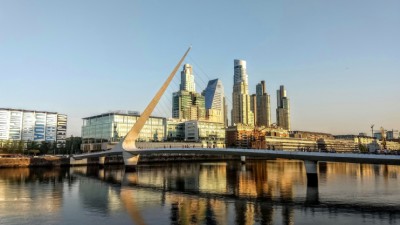
Buenos Aires
Where culture, nightlife, and community meet by the river
San Salvador de Jujuy
Explore the highlands with confidence and curiosity.
Salta
Highland charm, easygoing nights, and a welcoming regional base
San Miguel de Tucumán
Where history meets a welcoming table.
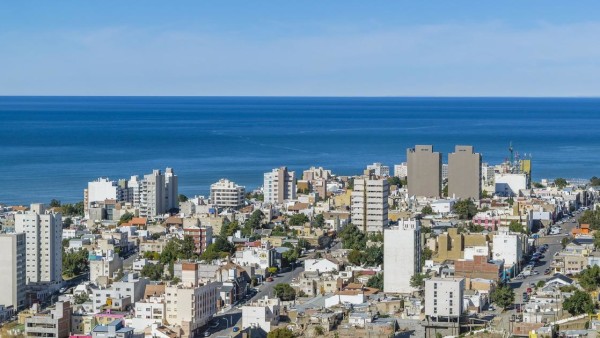
Comodoro Rivadavia
Gulf views, urban energy, and a changing Argentine landscape.
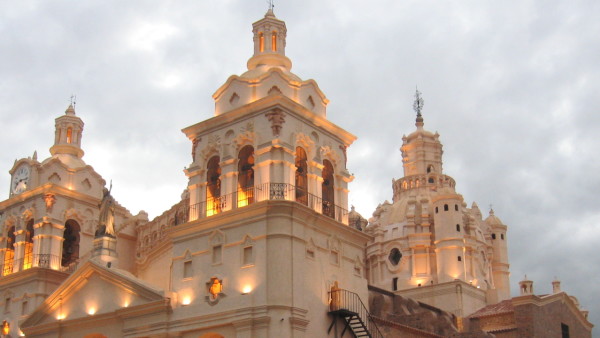
Córdoba
Where heritage, student energy, and inclusive travel meet.
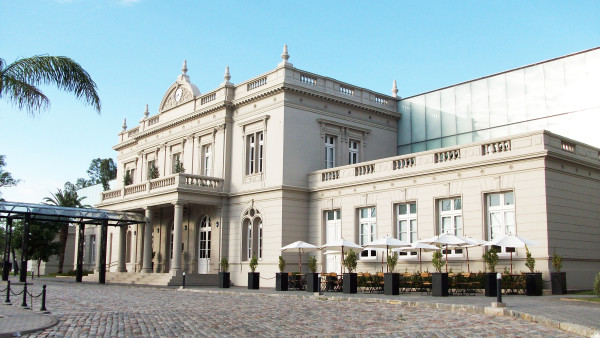
Santiago del Estero
Warm nights, regional culture, and a welcoming country-wide legal framework.
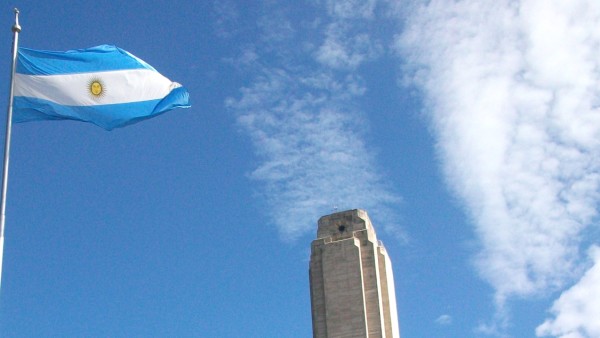
Rosario
Riverside sophistication with a progressive pulse.