- LGBTQ+ Friendly
- 9 City Guides
- 0 Likes
- Leave a comment
About Argentina
Argentina at a glance
Argentina is one of South America’s great long-haul destinations: vast, varied, and easy to shape into very different kinds of trips.
Stretching from subtropical forests and wetlands in the north to subpolar landscapes in the far south, the country combines major cities, dramatic mountain scenery, wine regions, Atlantic coastline, and some of the continent’s most famous natural wonders.
It is the second-largest country in South America and among the largest in the world, so distance and regional diversity are central to the travel experience.
For many travelers, Argentina’s appeal lies in how much it offers in a single country.
You can spend time in cosmopolitan Buenos Aires, then continue to glacier country in Patagonia, the vineyard valleys around Mendoza, the red-rock landscapes of the northwest, or the wildlife-rich Iberá wetlands.
The scale is part of the draw: Argentina rewards slower itineraries and regional travel, and it often feels like several countries in one.
What kind of trip Argentina suits
Argentina works well for travelers who want a mix of culture, food, scenery, and city life.
Buenos Aires is the natural starting point for most first-time visitors, with a strong café culture, broad boulevards, neighborhoods with distinct identities, and a deep arts and nightlife scene.
Beyond the capital, the country is especially appealing for nature-focused travel: the Andes run along the western edge, Patagonia fills the south, and national parks and protected landscapes create some of the most memorable outdoor experiences in the hemisphere.
It is also a strong destination for food and drink travel.
Beef is central to the national culinary identity, and asado is a defining social ritual as much as a meal.
Malbec and other wines from Mendoza and other regions are a major attraction, while maté is an everyday cultural marker that visitors will notice almost immediately.
Argentine cuisine varies by region, but travelers can expect Italian and Spanish influences alongside local traditions, especially in the cities.
Geography and regional character
Argentina’s geography is one of its most distinctive features.
In the north, travelers find humid lowlands, subtropical environments, and broad river systems; in the northwest, there are high-altitude deserts, salt flats, and colorful Andean valleys.
The west is dominated by the Andes, including some of the country’s best trekking, climbing, and wine country.
In the south, Patagonia offers glaciers, windswept steppe, mountain scenery, and a sense of remoteness that many visitors come specifically to experience.
This geographic variety means the country’s travel seasons and practical rhythms can differ sharply by region.
Buenos Aires and the northeast can feel warm and lively through much of the year, while Patagonia is highly seasonal and often best visited in the southern summer.
Because of the distances involved, travelers usually get the most from Argentina by choosing a few regions rather than trying to cover everything in one trip.
Major destinations and highlights
Buenos Aires is the country’s cultural and political center and the destination most travelers spend the most time in.
It is known for European-influenced architecture, wide avenues, neighborhood cafés, theater, museums, tango, and a strong independent design and dining scene.
As a city, it is one of the easiest places in Argentina for an LGBTQ+ traveler to orient themselves, especially in terms of nightlife, social visibility, and a broad urban mix of residents and visitors.
Patagonia is the signature region for dramatic landscapes.
Bariloche is a classic year-round base for lakes and mountains, while El Calafate is the gateway to the Perito Moreno Glacier and other ice-field experiences.
Ushuaia, at the southern tip of the country, has an almost end-of-the-world appeal and is often used as a base for southern adventures.
Farther north, Iguazú Falls is one of Argentina’s biggest natural draws, with a rainforest setting and one of the world’s most famous waterfall systems.
In the west, Mendoza stands out for wine travel, mountain scenery, and access to the Andes.
In the northwest, Salta and Jujuy are known for distinctive landscapes, colonial-era atmosphere, and strong regional identity.
Travelers interested in wildlife and quieter nature experiences may also look to the Iberá wetlands, which are increasingly recognized as a major ecological destination.
Food, drink, and daily life
Food is one of the easiest ways to understand Argentine culture.
Meals are often social and relaxed, and dining can run late by international standards.
Asado is an essential experience, whether at a family gathering, a neighborhood restaurant, or a special occasion meal.
Empanadas, milanesas, pasta, and pastries are also widespread, reflecting the country’s immigrant influences and regional tastes.
Maté is perhaps the most iconic everyday drink in Argentina.
Travelers will see it in homes, parks, offices, and public spaces, often shared among friends and family.
Wine is another key part of the culture, especially in urban dining and in western regions tied to vineyard production.
For visitors, the combination of café culture, late dinners, and social meals gives Argentina a rhythm that can feel both distinctly Latin American and uniquely Argentine.
Why Argentina stands out for LGBTQ+ travelers
Argentina is especially notable in the region for the visibility of its LGBTQ+ life in major cities, above all Buenos Aires.
The country’s larger urban centers tend to offer the broadest range of dining, arts, and nightlife options, along with a travel atmosphere that is generally comfortable for many LGBTQ+ visitors.
For a country guide, it is useful to think of Argentina less as one uniform destination and more as a collection of very different settings: the capital’s urban confidence, Patagonia’s outdoor isolation, the northwest’s cultural specificity, and the wine regions’ slower pace.
That mix is part of Argentina’s enduring appeal.
It offers iconic sights without sacrificing everyday atmosphere, and it has enough regional personality to support repeat visits.
Whether a traveler is drawn by Buenos Aires, the glaciers of the south, the Andes, the wine country, or the waterfall and wetland landscapes of the north, Argentina delivers a trip that feels both expansive and highly distinctive.
LGBTQ+ Overview
LGBTQ+ overview
Argentina is one of the more LGBTQ+-friendly destinations in Latin America and has a long-standing reputation for comparatively strong legal recognition and public visibility. For many travelers, the day-to-day experience in major cities such as Buenos Aires is likely to feel comfortable, especially in central neighborhoods, tourist areas, and within the hospitality and nightlife sectors. That said, experiences can still vary by region, setting, and personal presentation, and travelers should not assume the same level of acceptance everywhere in the country.
Legally, Argentina is among the stronger countries in the region for LGBTQ+ rights. The country is widely recognized for progressive national-level protections, and its legal framework generally supports LGBTQ+ people more robustly than in many neighboring states. This does not eliminate the possibility of discrimination, but it does mean that travelers are entering a country where same-sex relationships are not criminalized and where gender and family recognition have been far more advanced than regional averages. For a broad country context, see Argentina.
Socially, the picture is mixed in a way that is important for travelers to understand. In large urban centers, especially Buenos Aires, visibility is high and many visitors report an easy time moving around openly. Public displays of affection between same-sex couples are generally more feasible in cosmopolitan areas than in smaller towns or more conservative settings. Outside the main cities, social attitudes can be more traditional, and travelers may encounter staring, curiosity, or discomfort rather than direct hostility. Serious incidents are not the norm for most visitors, but discretion can still be useful in settings where you are unsure of local attitudes.
Practical traveler risk is usually more about routine urban safety and situational awareness than targeted anti-LGBTQ+ danger. As in many major destinations, common concerns include petty theft, pickpocketing, transportation scams, and nightlife-related safety issues. LGBTQ+ travelers, especially those meeting people through apps or going out late at night, should use the same caution they would anywhere else: meet in public first, tell someone where you are going, and avoid isolating situations with strangers. If you are traveling as a couple or with gender-nonconforming presentation, you may attract attention in some parts of the country, but this is more likely to be social unease than an immediate threat in the places most international visitors go.
Support resources for travelers are strongest in the major cities, where larger communities, inclusive venues, and experience dealing with international visitors are more likely to exist. In an emergency, travelers should rely on standard local emergency services and their embassy or consulate if they need assistance. It is also wise to save contact details for your accommodation and any local contact before heading out at night, especially if you are unfamiliar with the neighborhood. Because this source pack does not verify specific local organizations or venues, it is best to check current listings from reputable travel and community sources after arrival rather than relying on outdated names from blogs or social media.
Argentina’s trajectory has generally been positive over time, with the country often cited as a regional leader in LGBTQ+ legal recognition and public debate. For travelers, that means the overall direction has been toward greater visibility and stronger rights rather than away from them. Still, “progressive” does not mean uniformly safe or uniformly welcoming. Visitors who are open about their identity will usually find the easiest experience in larger cities and tourist-heavy areas, while more conservative provinces or smaller communities may feel more reserved. As a rule, Argentina is a destination where LGBTQ+ travelers can usually expect a relatively good experience, provided they keep normal travel caution and remain attentive to local context.
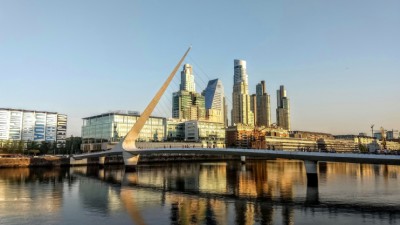
Buenos Aires
Where culture, nightlife, and community meet by the river
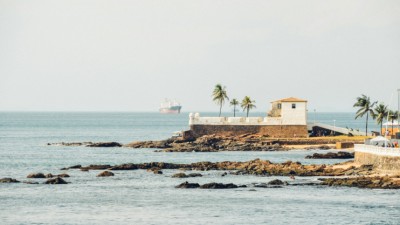
San Salvador de Jujuy
Explore the highlands with confidence and curiosity.
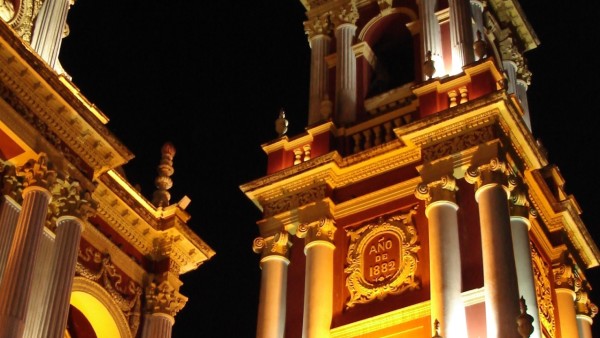
Salta
Highland charm, easygoing nights, and a welcoming regional base
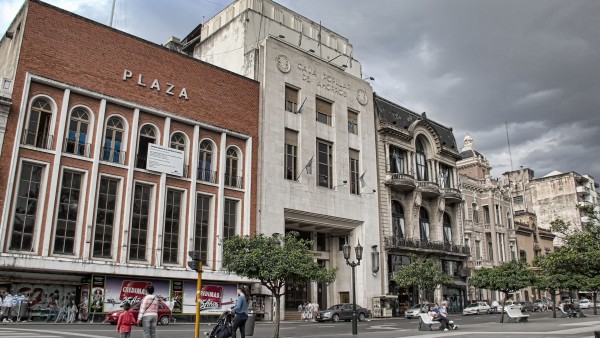
San Miguel de Tucumán
Where history meets a welcoming table.

Mar del Plata
Seaside culture, national pride, and a growing space for queer visibility.
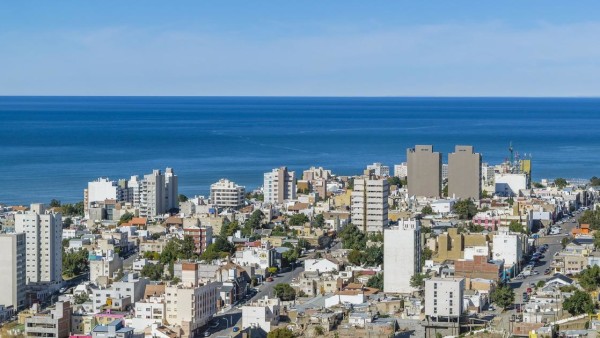
Comodoro Rivadavia
Gulf views, urban energy, and a changing Argentine landscape.
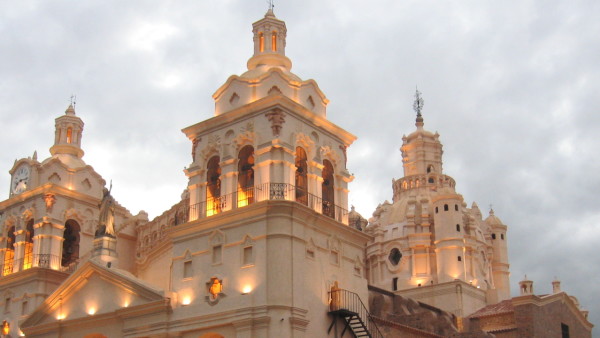
Córdoba
Where heritage, student energy, and inclusive travel meet.
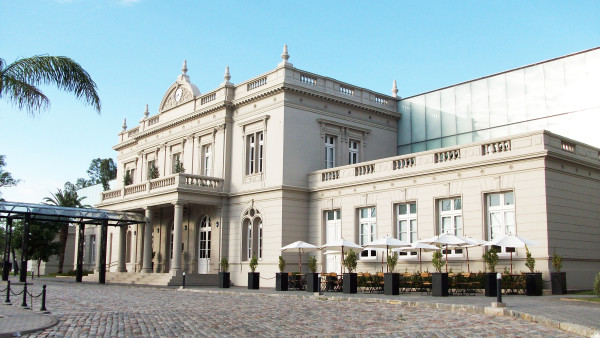
Santiago del Estero
Warm nights, regional culture, and a welcoming country-wide legal framework.
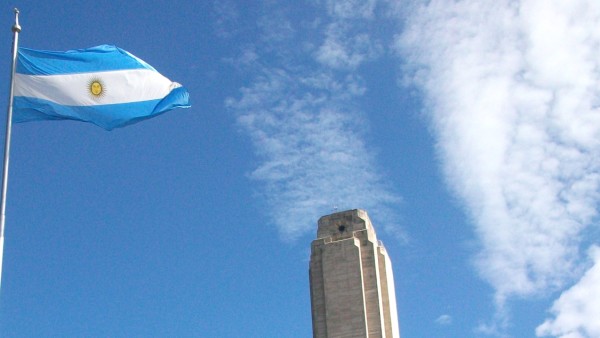
Rosario
Riverside sophistication with a progressive pulse.