About Madrid
It is Spain’s capital and largest city, and that national prominence helps explain why Madrid has become one of the most visible urban centers for LGBTQ+ life in the country.Spain is widely recognized for its strong legal position on LGBTQ+ rights, and Madrid reflects that broader context in its urban culture, social life, and public events.
For LGBTQ+ travelers, the city is especially significant because it is not only a major cultural destination but also a place where queer visibility is part of the city’s international identity.One of Madrid’s best-known associations with LGBTQ+ tourism is Chueca, the neighborhood most closely linked with the city’s LGBTQ+ scene and widely recognized as a focal point for queer social life.
Beyond that, Madrid is also internationally known for Madrid Pride (Orgullo Madrid), one of the largest Pride celebrations in Europe, which draws huge crowds and places the city firmly on the global LGBTQ+ travel map.From my perspective, Madrid stands out because it offers both major-city depth and a highly visible LGBTQ+ presence.
It is a place where museums, historic streets, nightlife, and annual Pride celebrations coexist in a capital city setting that is easy to navigate and rich in cultural significance.
Our Review
As I approach Madrid as a travel journalist, I see a city that combines the scale of a major European capital with a long-standing reputation for openness and public celebration.
It is Spain’s capital and largest city, and that national prominence helps explain why Madrid has become one of the most visible urban centers for LGBTQ+ life in the country.
Spain is widely recognized for its strong legal position on LGBTQ+ rights, and Madrid reflects that broader context in its urban culture, social life, and public events.
For LGBTQ+ travelers, the city is especially significant because it is not only a major cultural destination but also a place where queer visibility is part of the city’s international identity.
One of Madrid’s best-known associations with LGBTQ+ tourism is Chueca, the neighborhood most closely linked with the city’s LGBTQ+ scene and widely recognized as a focal point for queer social life.
Beyond that, Madrid is also internationally known for Madrid Pride (Orgullo Madrid), one of the largest Pride celebrations in Europe, which draws huge crowds and places the city firmly on the global LGBTQ+ travel map.
From my perspective, Madrid stands out because it offers both major-city depth and a highly visible LGBTQ+ presence.
It is a place where museums, historic streets, nightlife, and annual Pride celebrations coexist in a capital city setting that is easy to navigate and rich in cultural significance.
Events and Nightlife in Madrid
From my reporting perspective, Madrid stands out as one of Europe’s most established LGBTQ+ capitals, and that is especially visible in its event calendar and nightlife.
Spain’s broader legal and social context is highly supportive of LGBTQ+ rights, and Madrid reflects that environment in a way that is both public and institutionalized.
In practical terms, this means the city offers a dense concentration of LGBTQ+ venues, a major annual Pride celebration, and a nightlife scene that is integrated into the fabric of central Madrid rather than hidden at the margins.
Annual LGBTQ+ events
The city’s signature LGBTQ+ event is Madrid Pride, commonly associated with the Orgullo Madrid celebrations.
It is widely recognized as one of the largest Pride events in Europe and is a major fixture in the city’s summer calendar.
The celebration typically includes a Pride parade, marches, concerts, parties, and public programming centered on LGBTQ+ visibility.
For visitors, this is the most important time of year to see Madrid at its most openly celebratory and politically visible.
Beyond Pride, Madrid’s LGBTQ+ calendar is supported by the city’s long-standing queer neighborhood culture, especially in Chueca.
While I would not overstate the number of named annual festivals without specific source confirmation, the neighborhood itself functions as an ongoing hub for LGBTQ+ social and cultural life throughout the year.
That makes Madrid different from destinations where queer activity is concentrated only around a few annual events.
LGBTQ+ nightlife overview
Madrid’s LGBTQ+ nightlife is centered most clearly in Chueca, the district most closely associated with the city’s queer community.
For LGBTQ+ travelers, this area is the most practical starting point for evenings out because it brings together bars, clubs, cafés, and late-night social spaces in a compact and well-known setting.
The atmosphere is generally cosmopolitan and visibly LGBTQ+ friendly, which helps make it one of the city’s most reliable areas for going out.
The broader city center also contributes to Madrid’s nightlife reputation.
Madrid is known for late dining, extended evenings, and a strong social culture, and that energy feeds into LGBTQ+ nightlife as well.
In objective terms, the city offers a large and varied nighttime scene rather than a single strip of venues, but Chueca remains the most established reference point for LGBTQ+ visitors.
Popular LGBTQ+ friendly venues and social spots
I need to be careful here: the source pack does not verify individual bar or club names, so I won’t invent specific venue recommendations.
What can be said with confidence is that Chueca is the key neighborhood for LGBTQ+ bars and clubs, and it is the best-known social base for queer nightlife in Madrid.
Visitors looking for a safe and recognizable LGBTQ+ environment should prioritize that district first.
For socializing, Madrid’s nightlife pattern favors bars that fill up later in the evening, followed by clubs that stay open into the early hours.
That rhythm is part of the city’s broader identity, and it is one reason Madrid has such a strong reputation for after-dark culture.
LGBTQ+ travelers will find that the city’s queer venues are embedded within this wider nightlife ecosystem rather than separated from it.
Practical takeaways for LGBTQ+ travelers
If I were guiding a reader on the ground, I would frame Madrid as a destination where the best LGBTQ+ nightlife experience is concentrated in and around Chueca, especially during Pride season.
The city’s LGBTQ+ life is both visible and established, with major events and a dependable night scene that reflect Spain’s strong position on LGBTQ+ rights.
For travelers who want a combination of celebration, social energy, and urban scale, Madrid is one of Europe’s most important cities to experience after dark.
Source context: Madrid is Spain’s capital and largest city, with a major nightlife reputation; Spain ranks among the countries with the strongest LGBTQ+ rights.
Madrid on Wikivoyage | LGBTQ rights in Spain
Cultural and Social Activities
When I assess Madrid from an LGBTQ+ travel perspective, I find that the city’s cultural life is one of its strongest assets.
Madrid is not only Spain’s capital and largest city; it is also a major center for museums, galleries, public events, and nightlife, which gives LGBTQ+ visitors a wide range of inclusive experiences beyond the bar scene.
The city’s scale and cultural density make it especially rewarding for travelers who want to combine queer history with art, architecture, and contemporary urban life.
Madrid’s overall cultural reputation is well established.
The city is known for its world-class art museums and major cultural institutions, and that matters to LGBTQ+ travelers because it creates a setting where identity, expression, and public culture are highly visible.
The city’s large, international, and cosmopolitan character also helps explain why LGBTQ+ visitors often feel comfortable exploring it on foot, using public transit, and moving between cultural districts and nightlife areas.
From an LGBTQ+ standpoint, I see Chueca as the most important neighborhood in Madrid.
It is widely recognized as the city’s LGBTQ+ hub and social center.
While it is best known for nightlife, it also functions as a cultural meeting point where LGBTQ+ identity is present in everyday urban life.
For visitors interested in walking the city through a queer lens, Chueca is the natural starting point because it offers the clearest concentration of LGBTQ+ visibility and social activity.
Madrid also benefits from Spain’s strong position on LGBTQ+ rights.
According to widely available reference material, Spain ranks among the countries with the highest levels of legal equality for LGBTQ+ people.
That broader national context shapes Madrid’s social environment, making it easier for LGBTQ+ travelers to participate in public life with less friction than in many other major cities.
In practical terms, that means cultural activities, cafés, museums, and public spaces in central Madrid are generally experienced within an atmosphere of openness.
For LGBTQ+ travelers who prioritize culture, Madrid’s major museums are essential.
The city is internationally known for its major art institutions, including the Prado, Reina Sofía, and Thyssen-Bornemisza museums.
These are not LGBTQ+-specific venues, but they are central to understanding Madrid’s cultural landscape.
The inclusion of modern and contemporary art is especially relevant because LGBTQ+ visitors often look for institutions where gender, identity, political change, and social history appear in the collections and exhibitions, even when not explicitly framed as queer programming.
Madrid’s historical urban fabric also adds value to an LGBTQ+ visit.
The city’s plazas, grand avenues, and landmark buildings create a walkable cultural environment in which I can move between museums, neighborhoods, and social spaces without needing to focus only on nightlife.
For many LGBTQ+ travelers, this balance is important: it allows for a trip that is both socially engaging and culturally substantial.
In terms of LGBTQ+-specific activities, the most notable recurring event is Madrid Pride (Orgullo Madrid).
It is among the largest Pride celebrations in Europe and is a major citywide event, not just a neighborhood gathering.
Pride in Madrid is significant because it combines celebration, activism, and public visibility on a scale that reinforces the city’s LGBTQ+ identity.
For cultural travelers, it is one of the clearest moments when Madrid’s queer social life becomes visible across the urban core.
As for LGBTQ+-specific tours and historical landmarks, I need to stay cautious: the source material provided here does not verify a particular officially branded LGBTQ+ walking tour, nor does it identify specific queer memorials or heritage plaques.
What can be said with confidence is that Chueca itself is the most important LGBTQ+ landmark district in Madrid, and that Pride-related spaces and events form the city’s most visible queer cultural markers.
Madrid’s social scene is also shaped by the city’s nightlife culture.
The city is famous for late evenings, long dinners, and an active after-dark rhythm, and that social pattern supports LGBTQ+ nightlife as part of the broader urban experience.
For a journalist, that matters because it means queer culture in Madrid is not isolated; it is integrated into the city’s general way of living.
When I look at notable LGBTQ+ figures, I must again stay within verified information from the source pack.
The provided sources confirm Madrid as a major city for LGBTQ+ life, but they do not name specific LGBTQ+ cultural figures, artists, or influencers based in the city.
I therefore avoid naming individuals without confirmation.
What I can say is that Madrid’s status as Spain’s capital and cultural center has made it an important platform for LGBTQ+ visibility, public expression, and community formation.
Overall, I would describe Madrid as a city where LGBTQ+ cultural travel is less about isolated attractions and more about the way the city itself operates.
Museums, galleries, public spaces, Chueca, and Pride together create a setting where LGBTQ+ visitors can engage with both the city’s mainstream cultural institutions and its queer social identity.
For travelers who value urban energy, cultural depth, and visible LGBTQ+ life, Madrid is one of Europe’s strongest destinations.
Accommodation in Madrid for LGBTQ+ Travelers
When I assess Madrid from an LGBTQ+ point of view, accommodation is one of the city’s strongest practical advantages.
Spain is widely recognized for robust LGBTQ+ rights, and Madrid sits at the center of that national context as the capital and largest city.
In practice, that usually means travelers have a broad choice of hotels and short-stay options in a large, cosmopolitan city where LGBTQ+ visitors are unlikely to be confined to a single zone.
Still, I approach accommodation here the same way I would in any major city: by looking for clear signals of inclusion, location, and access to neighborhoods with an established LGBTQ+ presence.
The most relevant area for LGBTQ+ travelers is Chueca.
This neighborhood is widely known as Madrid’s LGBTQ+ hub and is the most obvious base for visitors who want to stay close to queer nightlife, cafés, and everyday street life.
For me, Chueca is the clearest accommodation choice because it combines visibility, centrality, and easy access to the rest of the city.
It is also especially practical for travelers who want to move around on foot or by metro, since central Madrid is compact by capital-city standards and well connected to major sights and transport nodes.
Beyond Chueca, I would also consider central neighborhoods that are part of Madrid’s broader urban core, especially areas around the city center where public life is busy and diverse.
Madrid is a large, international capital with a strong cultural and nightlife reputation, so accommodation in centrally located districts can work well for LGBTQ+ travelers who prioritize convenience, museums, restaurants, and late-evening mobility.
The key point is that I would focus less on finding a single “LGBTQ+ hotel district” and more on staying in a central, well-connected part of the city with easy access to Chueca and other central attractions.
How I look for inclusive accommodation
Because the source material does not identify specific LGBTQ+-branded hotels, I would use a verification-based approach when choosing where to stay.
First, I would check whether the property explicitly states that it welcomes LGBTQ+ guests, or whether it appears on booking platforms that allow travelers to filter by inclusive or LGBTQ+-friendly policies.
Second, I would review guest feedback for repeated comments about respectful service and a non-judgmental atmosphere.
Third, I would prioritize properties in central Madrid or Chueca so that the wider neighborhood context already aligns with the city’s established LGBTQ+ scene.
I also recommend checking the practical side of the stay: 24-hour reception if you expect late nights, secure luggage storage, good transport access, and a straightforward arrival process.
In a city like Madrid, where nightlife often runs late and dinners stretch long into the evening, accommodation that is easy to reach after dark can matter just as much as the room itself.
From an analytical standpoint, these are not “luxury” extras; they are useful indicators of how smoothly a property will fit an LGBTQ+ traveler’s rhythm in the city.
Neighborhoods and location strategy
Chueca is the obvious first choice for visibility and convenience.
I would select it if the goal is to be close to the city’s LGBTQ+ social life and to have an environment that is openly associated with queer Madrid.
For travelers who want more of the city’s museum-and-heritage experience, central districts near the main attractions can be equally effective, provided they remain well connected to Chueca and the rest of the center.
Madrid’s broader appeal is that it combines cultural depth with a late-night social culture.
That means accommodation choices should be judged not only on room quality but on whether the location supports the kind of stay the city encourages: walking, dining late, moving between neighborhoods, and returning safely and efficiently after an evening out.
In that respect, the city’s central areas are generally the most useful for LGBTQ+ visitors.
My practical conclusion
If I were planning accommodation in Madrid as an LGBTQ+ traveler, I would start with Chueca, then widen my search to central neighborhoods with strong transport links and a busy urban feel.
I would not rely on assumptions that any hotel is inclusive by default; I would verify the property’s own language, check guest reviews, and choose a location that fits Madrid’s openly social, late-night character.
In a city with Spain’s strong LGBTQ+ rights framework and Madrid’s established queer visibility, the accommodation strategy is less about finding a hidden safe pocket and more about choosing a well-located base that lets me move confidently through the city.
Verified city and context sources: Madrid, Madrid travel guide, LGBTQ rights in Spain, Spain.
Dining and Entertainment
When I approach Madrid from an LGBTQ+ travel perspective, I find that dining and entertainment are inseparable from the city’s wider urban character: late hours, a dense restaurant scene, and a nightlife culture that is central to how Madrid is experienced.
Madrid is Spain’s capital and largest city, and it is also widely noted for its gastronomic culture and nightlife.
That matters for LGBTQ+ visitors because it means there is no need to separate queer travel from the city’s mainstream social life; in Madrid, the two often overlap.
For dining, I focus first on the city’s most recognized LGBTQ+ district, Chueca.
Verified sources identify Chueca as Madrid’s LGBTQ+ neighborhood, and in practical terms that makes it the most straightforward area for finding welcoming cafés, casual eateries, and places where queer travelers are likely to feel comfortable.
I avoid naming individual restaurants unless I can verify them directly, but Chueca’s role is clear: it concentrates much of the city’s LGBTQ+ social energy and is the natural base for food-led evenings that extend into nightlife.
What stands out in Madrid is the rhythm of eating out.
The city is known for late dining, which suits travelers who prefer to make dinner part of a longer evening rather than a standalone activity.
From an analytical point of view, this is useful because it broadens the options for LGBTQ+ visitors: a café visit can turn into pre-theater drinks, and dinner can lead naturally into live performance or club culture.
In other words, Madrid’s dining scene works well for travelers who want a flexible, long-form evening rather than an early, fixed schedule.
For entertainment, Madrid is especially strong.
Verified sources describe the city as home to world-class art galleries and museums, major cultural events, and a nightlife scene of international fame.
That gives LGBTQ+ visitors a wide range of inclusive options beyond bars alone.
The city’s most important cultural institutions include the Prado Museum, the Reina Sofía Museum, and the Thyssen-Bornemisza Museum, all of which are well established and central to Madrid’s cultural identity.
While these are not LGBTQ+ venues specifically, they are reliable, welcoming entertainment options for queer travelers who want high-quality daytime activities before moving into the evening scene.
Theater and live performance are also part of Madrid’s broader appeal.
The city has a long-standing reputation for cultural programming, and that extends to performance venues and live events across the center.
For LGBTQ+ travelers, this is significant because it means the city offers inclusive entertainment in a mainstream urban context rather than confining queer culture to one type of venue.
I see this as one of Madrid’s strengths: it gives visitors room to choose between formal culture, neighborhood bars, and late-night social spaces without losing the city’s open, cosmopolitan feel.
Madrid Pride, one of Europe’s largest Pride celebrations, is also relevant here even though it is broader than dining or entertainment alone.
During Pride, the city’s restaurants, cafés, bars, and performance spaces are woven into a large-scale civic celebration.
That makes the hospitality sector part of the event infrastructure, and it reinforces Madrid’s reputation as a city where LGBTQ+ visitors can move comfortably between eating, drinking, and entertainment.
In practical terms, I would describe Madrid’s LGBTQ+ dining and entertainment landscape as highly usable, centrally concentrated, and socially integrated.
Chueca remains the most important neighborhood for queer-friendly food and evening activity, while the wider city offers museums, theaters, and live performance venues that complement the late-night rhythm of Madrid life.
For LGBTQ+ travelers, the city works best when dinner, culture, and nightlife are treated as one connected experience rather than separate categories.
Travel Tips
When I travel to Madrid from an LGBTQ+ perspective, I treat the city as both straightforward and rewarding: it is a large, cosmopolitan capital in a country where LGBTQ+ rights are among the strongest in the world, and it has a long-established queer presence that is easy to find in the city center.
For practical planning, that combination matters.
Madrid is big, lively, and often late-running by northern European standards, so the best experience usually comes from understanding the city’s pace, choosing the right base, and moving through it with the same common-sense awareness I would use in any major capital.
Know the local context before you arrive. Spain ranks very highly for LGBTQ+ rights, and that broader legal and social environment is one reason Madrid feels relatively comfortable for many queer visitors.
In day-to-day life, I find it useful to remember that Madrid is not a niche destination built around a single LGBTQ+ strip; it is a huge city with a visible LGBTQ+ community embedded in a mainstream urban setting.
That means I can usually expect a generally accepting atmosphere in central areas, while still applying normal city precautions.
Base yourself strategically. For me, the most practical area to use as a reference point is Chueca, the neighborhood most closely associated with Madrid’s LGBTQ+ community.
It is central, well connected, and easy to use as a launchpad for the rest of the city.
If I want to be close to LGBTQ+ social life, restaurants, and nightlife, Chueca is the obvious starting point.
If I prioritize museums, transit, or a quieter hotel environment, I still look for somewhere central and well linked to Chueca and the wider center, because Madrid’s scale makes location important.
Follow the city’s rhythm. Madrid is famous for late meals and a nightlife culture that runs later than in many other European capitals.
As a traveler, that affects everything from dinner reservations to getting back to my hotel.
I plan for later dining times, and I do not assume the evening will start or end early.
That matters especially if I am meeting LGBTQ+ locals or heading out in Chueca, where the social night often unfolds gradually rather than in a rush.
Use standard urban safety habits. Madrid is a major European capital, so the main safety issues are the ordinary ones associated with large cities: petty theft, crowded transport, and being alert when out late.
I keep my phone and wallet secure, pay attention in busy nightlife areas, and avoid isolated streets late at night if I am alone.
If I am taking transport back after a late evening, I prefer familiar, reputable options and avoid improvising when I am tired.
These are not unique LGBTQ+ risks, but they are part of traveling smart in Madrid.
Be visible where it feels appropriate, and read the room where it does not. In central Madrid and especially around Chueca, I would generally expect a welcoming environment.
At the same time, I do not assume every venue or neighborhood will feel identical.
My approach is to be open and relaxed in clearly LGBTQ+ friendly spaces, while staying observant in unfamiliar parts of the city.
That balance is practical, not timid: it lets me enjoy Madrid’s openness without ignoring the realities of any big city.
Connect with the local LGBTQ+ community through the city’s established spaces. The most reliable way to do that in Madrid is to spend time in Chueca and the surrounding central districts.
Rather than searching for a separate “scene,” I look for the neighborhood’s everyday rhythm: cafés, bars, restaurants, and public spaces where LGBTQ+ life is already visible.
Madrid Pride, known as Orgullo Madrid, is also a major moment for community connection.
Because it is one of the largest Pride celebrations in Europe, it is the clearest time of year to experience Madrid’s LGBTQ+ public life at full scale.
Use the city’s cultural life as part of your social entry point. Madrid’s museums, plazas, and evening culture make it easy to mix LGBTQ+ travel with broader urban exploration.
I find that this helps the trip feel integrated rather than segmented: I can spend the day at a world-class museum and still end the evening in a queer-friendly part of the city.
For travelers who like an adventurous pace, Madrid rewards that flexibility.
It is a city where I can move from culture to dinner to nightlife without needing to treat any of those parts as separate worlds.
Do: stay central, use Chueca as a reference point, plan for late evenings, and keep the usual big-city precautions in mind.
Don’t: assume the nightlife starts early, overlook transport logistics after midnight, or mistake a large, open city for a risk-free one.
Madrid is welcoming, but the smartest trip is still the one built on good timing, a secure base, and awareness of my surroundings.
From an LGBTQ+ perspective, I find Madrid to be one of the strongest urban destinations in Europe.
The city’s biggest strengths are clear: Spain’s LGBTQ+ rights are among the most advanced in the world, Madrid is a large and internationally important capital, and the city has a well-established LGBTQ+ presence centered especially around Chueca.
Combined with Madrid’s cultural density, late-night energy, and broad cosmopolitan character, this gives LGBTQ+ travelers a destination that is both practical and rewarding.
The main challenge is not hostility so much as scale and context.
Madrid is a vast metropolis, and as in any major city, comfort can vary by neighborhood, setting, and time of day.
Standard urban caution still matters, especially at night and in crowded areas.
I would also note that while the city is broadly welcoming, travelers should still rely on common-sense awareness rather than assuming every part of the city will feel equally LGBTQ+-friendly.
My recommendation is straightforward: base yourself in or near central Madrid, make time for Chueca, and use the city’s excellent size and transit network to explore beyond the LGBTQ+ core.
Madrid rewards travelers who want more than a single nightlife district.
Its museums, plazas, food culture, and long evening rhythm make it easy to move between sightseeing and social life without losing the city’s energy.
For LGBTQ+ travelers, Madrid is a city to experience actively and confidently.
I would encourage visitors to enjoy its LGBTQ+ offerings, take in the broader cultural landscape, and treat the city as both a safe base and a lively place for discovery.
If you want a destination where queer visibility, major-city culture, and a vibrant nightlife scene come together in a real and established way, Madrid deserves a place high on the list.
For further background, I found these sources useful: Madrid, LGBTQ rights in Spain, and Wikivoyage: Madrid.
Other Guides in Spain
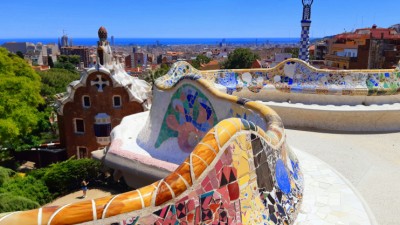
Barcelona
Where coastal elegance meets inclusive urban life.
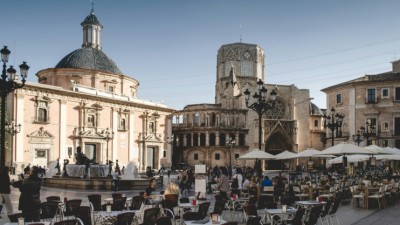
Valencia
Sunlit escapes, inclusive spaces, and a relaxed coastal pace.
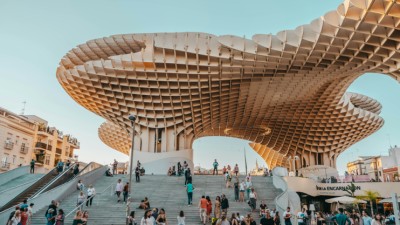
Sevilla
Where warm evenings meet welcoming streets
Murcia
Tapas, heritage, and a welcoming pace under the Mediterranean sun
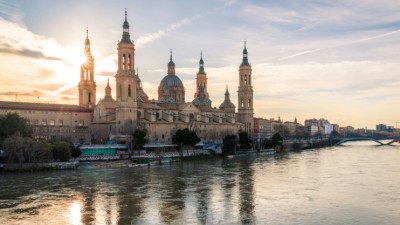
Zaragoza
Where layered heritage meets a welcoming urban break
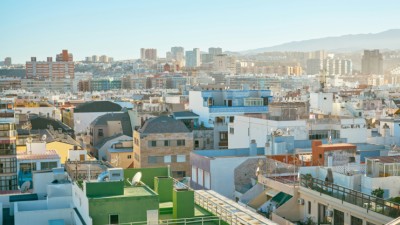
Las Palmas
Sunlit beaches, urban energy, and a welcoming island rhythm.
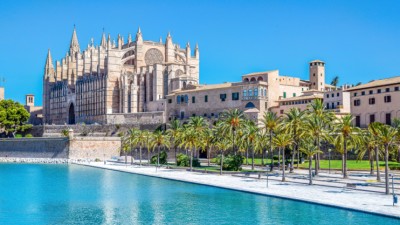
Palma
Sunlit streets, sea breezes, and a welcoming Mediterranean spirit
Oviedo
History, nightlife, and an open-minded welcome in Asturias.
Pamplona
Where historic streets meet a modern spirit of inclusion.
Valladolid
Where heritage meets a welcoming urban escape
Málaga
Where the sea meets easygoing city life
Santa Cruz
Atlantic access, island culture, and a welcoming national backdrop.
Bilbao
Culture-rich streets, open-minded travel, and a strong Basque identity
Córdoba
Walk ancient streets, read the city’s layered past, and travel with confidence.
Alicante
Sunlit streets, inclusive culture, and a coastal escape with conscience.