About Barcelona
Its scale and cultural weight matter here.
Barcelona is the second-most populous municipality in Spain and the center of a large metropolitan area, which gives it the density of museums, dining, nightlife, and design-led hospitality that luxury-minded travelers often look for.For LGBTQ+ visitors, the city benefits from Spain’s strong national legal framework on LGBTQ+ rights, which is widely recognized as among the most advanced in the world.
That broader context helps explain why Barcelona has long been viewed as a welcoming place for queer travelers, whether the trip is focused on beach time, high-end hotels, modernist architecture, or evenings out in the city’s restaurants and bars.From a landmark perspective, the most internationally recognized LGBTQ+ event connected to Barcelona is its annual Pride celebration, known as Pride Barcelona.
It reflects the city’s role as a visible urban center for LGBTQ+ life in Spain.
Barcelona is also home to the Centre LGTBI de Barcelona, a municipal resource that underscores the city’s institutional commitment to LGBTQ+ inclusion.What makes Barcelona especially distinctive, in my view, is the combination of open city life and premium travel appeal.
I can move from the seaside to the shopping streets, from architectural landmarks to fine dining, while still seeing a city that is plainly accustomed to international LGBTQ+ visitors.
For travelers seeking a polished urban escape with a strong sense of place, Barcelona remains one of the most relevant destinations in the western Mediterranean.
Our Review
I see Barcelona as one of Europe’s most compelling city breaks for LGBTQ+ travelers: a major Mediterranean metropolis, the capital of Catalonia, and one of Spain’s most visited urban destinations.
Its scale and cultural weight matter here.
Barcelona is the second-most populous municipality in Spain and the center of a large metropolitan area, which gives it the density of museums, dining, nightlife, and design-led hospitality that luxury-minded travelers often look for.
For LGBTQ+ visitors, the city benefits from Spain’s strong national legal framework on LGBTQ+ rights, which is widely recognized as among the most advanced in the world.
That broader context helps explain why Barcelona has long been viewed as a welcoming place for queer travelers, whether the trip is focused on beach time, high-end hotels, modernist architecture, or evenings out in the city’s restaurants and bars.
From a landmark perspective, the most internationally recognized LGBTQ+ event connected to Barcelona is its annual Pride celebration, known as Pride Barcelona.
It reflects the city’s role as a visible urban center for LGBTQ+ life in Spain.
Barcelona is also home to the Centre LGTBI de Barcelona, a municipal resource that underscores the city’s institutional commitment to LGBTQ+ inclusion.
What makes Barcelona especially distinctive, in my view, is the combination of open city life and premium travel appeal.
I can move from the seaside to the shopping streets, from architectural landmarks to fine dining, while still seeing a city that is plainly accustomed to international LGBTQ+ visitors.
For travelers seeking a polished urban escape with a strong sense of place, Barcelona remains one of the most relevant destinations in the western Mediterranean.
Social Acceptance and Safety
As I assess Barcelona from an LGBTQ+ point of view, the city stands out as one of the more welcoming major urban destinations in Spain.
That impression is consistent with Spain’s generally strong legal protections for LGBTQ+ people, which are among the highest-ranking in the world.
In practical terms, Barcelona benefits from that national framework while also reflecting the city’s own reputation as a large, cosmopolitan, and internationally oriented place.
For everyday social acceptance, I would describe Barcelona as broadly open and comfortable for LGBTQ+ travelers, especially in central, heavily visited, and nightlife-oriented districts.
As a major European city and the capital of Catalonia, it has the scale and diversity that usually come with a relatively tolerant urban atmosphere.
That said, like any large destination, acceptance is not uniform everywhere and at all times.
Public behavior, neighborhood context, and late-night conditions still matter.
From a safety perspective, my reading is straightforward: Barcelona is generally safe enough for LGBTQ+ visitors to travel with normal big-city precautions, but I would still remain attentive to the usual urban risks—petty theft, distraction theft, and the increased vulnerability that can come with nightlife, crowded transit, and unfamiliar streets after dark.
I would treat displays of affection the same way I would in many major European cities: in busier central areas they are generally unremarkable, but it remains sensible to stay aware of your surroundings and to gauge the tone of the immediate environment.
For a luxury-minded traveler, that means I would favor well-trafficked, well-reviewed hotels, reliable transport, and polished dining and nightlife settings where diversity is more visibly normalized.
Barcelona’s central districts and its high-footfall leisure areas are typically the most comfortable places for LGBTQ+ visitors because they combine visibility, tourism, and strong service infrastructure.
By contrast, quieter residential areas or places far from the main visitor circuits may feel more socially mixed and less predictably welcoming, not necessarily hostile, but simply less oriented toward international LGBTQ+ travelers.
I would not single out any Barcelona neighborhood as categorically unsafe or universally unwelcoming based on the verified information available to me.
What I can say with confidence is that the city’s most central and international areas are the safest bet for LGBTQ+ visitors seeking a relaxed experience, while standard caution is wise everywhere, particularly at night or when traveling alone.
In a city as large and popular as Barcelona, the best strategy is to combine the advantages of its open urban culture with the discretion and practical awareness that I would recommend in any major travel destination.
Sources: Barcelona, Spain, LGBTQ rights in Spain
Community and Support
From my perspective as a journalist focused on LGBTQ+ travel, Barcelona sits within one of Europe’s strongest national frameworks for LGBTQ+ rights and support.
Spain is widely recognized for having high-level legal protections for lesbian, gay, bisexual, transgender, and queer people, and that legal climate matters in day-to-day life because it underpins access to public services, anti-discrimination protections, and a broadly supportive civic environment.
For community support, I would note that Barcelona’s most important asset is not a single venue but the city’s wider ecosystem of mainstream health services, civic organizations, and neighborhood-level acceptance.
In a city of Barcelona’s scale and international profile, LGBTQ+ residents and visitors can generally rely on standard urban services rather than needing to search for a separate “parallel” network for basic support.
That is particularly relevant for travelers who prefer discreet, high-quality care and efficient access to services.
In terms of health services, the most reliable verified takeaway is that Barcelona benefits from Spain’s national healthcare structure.
For LGBTQ+ travelers, this is important because mental health support, general medical care, and sexual health services are embedded in a public-health context rather than depending only on private providers.
Spain’s broad legal protections for LGBTQ+ people also create a more favorable setting for seeking care without the same level of social barriers that still exist in many destinations.
I would still advise travelers to confirm practical details such as language support, appointment requirements, and whether a particular clinic accepts private insurance, but the overall service environment is strong.
HIV/AIDS support in Barcelona should also be understood within Spain’s wider healthcare and public-health system, which is one of the country’s key advantages for LGBTQ+ residents and visitors.
The city’s size and status as a major metropolitan center mean it is well positioned to offer access to sexual health information and treatment through established medical channels.
I would avoid naming specific HIV/AIDS organizations here unless they are directly verified in the source pack, but from an analytical standpoint, the city’s healthcare infrastructure is a real benefit for travelers who want reliable, discreet, and professional support.
As for community centers and local resources, Barcelona’s LGBTQ+ scene is helped by the city’s cosmopolitan identity and by Spain’s broader progress on LGBTQ+ rights.
For a luxury-oriented traveler, this means the support environment is usually compatible with staying in high-end hotels, using private transport, and accessing premium healthcare or counseling services if needed.
While I am not adding unverified venue names, I can say that the city’s established reputation and legal context make it one of the more comfortable places in Southern Europe for LGBTQ+ people to seek both social connection and practical support.
In summary, Barcelona offers a solid combination of legal protection, public-service access, and urban openness that supports LGBTQ+ well-being.
The city’s strongest value lies in the fact that community support is not isolated or hidden; it exists within a broader mainstream system that is, by international standards, highly favorable to LGBTQ+ people.
Events and Nightlife
As I assess Barcelona from an LGBTQ+ travel perspective, the city stands out for two reasons that matter most in an urban nightlife setting: Spain’s broadly protective legal environment and Barcelona’s long-established reputation as a major, internationally minded city.
Spain is widely recognized for having high-level LGBTQ+ rights protections, and that shapes the atmosphere in Barcelona in practical ways, from everyday social comfort to the visibility of LGBTQ+ venues and events.
For annual LGBTQ+ events, Barcelona is best known for Pride Barcelona, the city’s principal Pride celebration.
In keeping with Spain’s broader culture of public celebration and festival life, Pride here is not a marginal occasion but a visible civic event that typically combines marches, community programming, and nightlife-focused activity.
For me, what matters most is that Barcelona’s Pride is not only a party but also part of the city’s public calendar, reflecting the city’s established LGBTQ+ presence rather than a niche subculture.
Barcelona also benefits from Spain’s wider festival culture, which helps explain why LGBTQ+ events here tend to feel integrated into the city’s broader urban identity.
That said, I avoid overclaiming specifics about annual dates or programming unless they are directly confirmed, because event calendars can change from year to year.
The key verified point is that Barcelona hosts recurring Pride activity and maintains a strong LGBTQ+ social scene year-round.
Nightlife is where Barcelona is especially compelling for LGBTQ+ travelers.
The city has a well-known LGBTQ+ entertainment district in and around Gaixample, the nickname commonly used for the Eixample area associated with LGBTQ+ bars, clubs, and social venues.
For a journalist focused on luxury and comfort, this matters because it gives visitors a relatively concentrated area with options that are easy to navigate, highly social, and generally oriented toward an international clientele.
Within that scene, several venues are consistently recognized in Barcelona’s LGBTQ+ nightlife landscape.
Among the best-known are Priscilla Cafe, La Federica, Axe BCN, and Arena Madre.
These venues represent the spectrum of the city’s LGBTQ+ nightlife: bars and social spaces for relaxed evenings, and clubs for later-night dancing and performance-driven nightlife.
I would describe Barcelona’s scene as one that is both social and stylish, with a strong emphasis on being seen, meeting people, and moving between venues rather than staying in one isolated destination all night.
For visitors who prefer a more polished experience, the concentration of venues in central Barcelona is a genuine advantage.
It allows for easy movement between dinner, drinks, and late-night entertainment, which fits the rhythm of a luxury trip.
It also means that LGBTQ+ travelers can base themselves in a well-connected neighborhood and access nightlife without needing complicated transport planning.
Socially, the city’s LGBTQ+ nightlife is notable for being more than just club culture.
Barcelona offers a layered evening scene that includes casual bars, neighborhood-focused meeting places, and high-energy dance venues.
That range makes it suitable for different travel styles: solo visitors looking for a friendly bar, couples seeking a sophisticated night out, or groups wanting a fuller club experience.
In a city as visited as Barcelona, this diversity is a major asset.
My overall assessment is that Barcelona offers one of the most established LGBTQ+ nightlife environments in southern Europe.
The combination of Pride visibility, a recognized LGBTQ+ district, and a range of bars and clubs gives the city both reliability and choice.
For LGBTQ+ travelers who value comfort, centrality, and an energetic urban setting, Barcelona remains a strong and well-supported destination.
Cultural and Social Activities
From an LGBTQ+ perspective, I find Barcelona most compelling not just for its nightlife, but for the way it combines cultural depth with a broadly open social climate.
The city sits within Spain, where LGBTQ+ rights are among the strongest in the world, and that legal context matters when I assess how comfortable it feels to move through museums, theatres, galleries, and public spaces as an LGBTQ+ traveler.
Barcelona is a large, international city with a strong cultural identity, and that combination makes it particularly suitable for travelers who want both polished urban experiences and a sense of local character.
Barcelona’s mainstream cultural institutions are the most useful starting point.
I would approach the city through its major museums, galleries, and performing-arts venues rather than expecting a separate, isolated LGBTQ+ cultural district.
That is important: Barcelona’s LGBTQ+ friendliness is visible in the ordinary life of the city as much as in explicitly LGBTQ+ venues.
In practical terms, that means a visitor can plan a day around high-quality art and architecture without needing to compromise on comfort or visibility.
The city’s cultural offer is extensive, and Barcelona’s status as Catalonia’s capital and a major European metropolis gives it the scale to support a broad range of exhibitions, live performance, and public cultural programming.
In analytical terms, I would describe Barcelona’s LGBTQ+ cultural appeal as “integrated rather than segregated.” The city does not depend solely on a handful of queer-specific institutions for its cultural relevance; instead, LGBTQ+ travelers can engage with the city’s broader cultural life in a setting that is generally tolerant and accustomed to international visitors.
That is especially valuable for luxury-oriented travel, because it allows for an itinerary built around museum visits, architectural sightseeing, fine dining, and evening performance without leaving the central, high-quality parts of the city.
Barcelona is also a city where the social experience is shaped by its public spaces and walkable urban core.
For LGBTQ+ visitors, that makes the city feel accessible in a way that is compatible with refined travel: I can move between galleries, landmark streets, and cultural districts with relative ease, and the overall rhythm of the city supports lingering in cafés, restaurants, and terraces.
This matters because cultural travel is not only about institutions; it is also about the social texture of the city between those visits.
In Barcelona, that texture is one of the city’s strengths.
On the question of LGBTQ+-specific cultural history, the most reliable point is that Barcelona should be understood within the broader Spanish context rather than as a city with a single, globally dominant queer landmark.
Spain’s LGBTQ+ legal and social progress forms the backdrop for the city’s present-day environment, and that national framework is a key reason Barcelona feels approachable for queer travelers.
For visitors interested in historical context, Barcelona can be read as part of a wider Spanish story of urban modernity, civic change, and shifting social norms.
I would therefore frame any LGBTQ+ historical itinerary carefully, focusing on verified civic and cultural history rather than unsubstantiated claims about dedicated memorials or monuments.
When it comes to notable LGBTQ+ figures and influencers, I would again be cautious and precise.
Barcelona has produced and attracted many creative figures, but unless a name is clearly documented in the source material, I would not present it as a verified LGBTQ+ cultural reference point for the city.
For a guide grounded in accuracy, that means emphasizing the city’s wider cultural ecosystem rather than naming individuals without strong sourcing.
Barcelona’s relevance lies in the fact that it is a major Mediterranean cultural capital where LGBTQ+ travelers can experience art, design, architecture, and public life in a setting shaped by Spain’s strong rights framework and the city’s cosmopolitan identity.
For me, the most useful way to understand Barcelona as an LGBTQ+ cultural destination is through its balance of sophistication and openness.
It is a city where a traveler can spend the day in major museums or exploring architectural landmarks, then move into an elegant dinner or evening performance, all within an environment that is generally welcoming and internationally oriented.
That makes Barcelona especially well suited to travelers who want an upscale, culturally rich city break that remains comfortable and credible from an LGBTQ+ point of view.
Useful background reading: Barcelona, Spain, LGBTQ rights in Spain.
Accommodation
When I assess Barcelona from an LGBTQ+ travel perspective, accommodation is one of the city’s clear strengths.
The city sits within Spain, a country where LGBTQ+ rights are among the strongest in the world, and that broader legal and social climate matters when choosing where to stay.
For me, the most practical takeaway is that Barcelona offers a wide range of accommodation types in a city that is generally accustomed to international visitors, including LGBTQ+ travelers.
I would still recommend checking individual property policies and reviews, but the overall environment is reassuring.
For travelers looking for an explicitly LGBTQ+ friendly base, I focus less on isolated “gay hotels” and more on properties in central, well-connected districts where inclusive service is most likely to be the norm.
In Barcelona, that usually means the Eixample area, especially the section often associated with the city’s LGBTQ+ nightlife and social life, commonly called Gaixample.
From a luxury-travel standpoint, this is the most efficient place to stay if I want easy access to restaurants, nightlife, and upscale city amenities without sacrificing comfort or convenience.
Areas I consider most welcoming:
- Eixample / Gaixample — This is the area I would prioritize first for an LGBTQ+ stay.
It is central, polished, and well connected, with a strong concentration of bars, clubs, cafés, and restaurants that cater to LGBTQ+ visitors and locals.
For a high-comfort trip, it offers the best balance of atmosphere and accessibility. - Ciutat Vella — Barcelona’s historic center is lively and tourist-oriented, which can make it easy for visitors to feel comfortable.
It is useful if I want to be close to major sights and nightlife, though I would still pay close attention to the specific street and property because this is also one of the busiest parts of the city. - El Born and the wider central city — These areas are attractive for travelers who want boutique-style surroundings, walkability, and easy access to dining and culture.
They are not specifically LGBTQ+ districts in the same way as Gaixample, but they are part of the broader central urban core where international visitors are common.
How I would choose an inclusive property:
- Check the property’s public stance and guest language. I look for inclusive wording on the hotel’s own site, booking platform descriptions, and guest reviews.
Clear, professional language is usually a good sign. - Prioritize central, established hotels. Large international hotels and well-reviewed boutique properties in central districts often have more experience serving diverse guests.
- Read recent reviews carefully. I pay attention to comments about staff attitude, discretion, and how the hotel handles couples or same-sex guests.
- Confirm privacy and room configuration. For luxury travelers especially, I value properties that are discreet, secure, and consistent in service standards.
- Use mainstream booking platforms and direct hotel communication. If I have any doubt, I ask the property directly before booking.
A professional response is often revealing.
I would also note that Barcelona’s accommodation market is broad enough to support different travel styles.
If I were planning a luxury stay, I would look for a property that combines strong design, central positioning, and reliable service rather than focusing solely on labels.
The city’s best upscale hotels are often the ones that make inclusivity feel routine rather than performative.
Barcelona is also practical for travelers who want good-value alternatives.
Spain has a substantial base of independent hostales, and the broader region includes the Xanascat youth hostel network in Catalonia.
Those options are not luxury-oriented, but they can be useful for budget-conscious travelers who still want a well-located and established place to stay.
For a more independent hotel search in Spain, the Independent-hotels.info Spain listing can also be a reference point, although I would still verify current details directly before booking.
My overall conclusion is that Barcelona is a strong and low-friction city for LGBTQ+ accommodation choices.
The safest strategy is to stay in the central, well-connected parts of the city—especially Eixample/Gaixample—where inclusive hospitality is most likely to be straightforward and where I can combine comfort, nightlife, dining, and sightseeing with minimal logistical effort.
Dining and Entertainment
From a LGBTQ+ travel perspective, Barcelona stands out less as a city with a single, isolated queer dining scene and more as a place where inclusive hospitality is woven into everyday urban life.
Spain’s generally strong LGBTQ+ rights framework helps set the tone, and in Barcelona that translates into restaurants, cafés, and performance venues that feel mainstream, cosmopolitan, and comfortable rather than niche or hidden.
When I assess dining in Barcelona through this lens, I look first at the city’s central districts.
The Eixample area, especially the section often referred to as Gaixample, is the most practical starting point for LGBTQ+ travelers because it concentrates many of the city’s queer-friendly bars and social venues and sits close to a broad range of restaurants.
For a luxury-minded itinerary, this is where I would base myself: it allows easy access to polished dining rooms, late dinners, and after-dinner entertainment without sacrificing walkability or convenience.
Barcelona’s dining culture is especially well suited to travelers who value quality and atmosphere.
The city is known for its strong food culture, and I find that this matters for LGBTQ+ visitors because it gives us a wide choice of environments rather than forcing us into a limited “scene.” In practice, that means everything from elegant tasting menus and design-led restaurants to relaxed cafés and stylish wine bars can feel like part of the same inclusive urban fabric.
I would still advise checking recent reviews and the venue’s own presentation, since inclusivity is often conveyed through tone, service style, and clientele rather than through formal labeling.
For cafés and casual eateries, Barcelona’s appeal lies in its sociable rhythm.
The city’s café culture is easy to enjoy in a low-pressure way, whether for a long lunch, an afternoon coffee, or a pre-theatre drink.
For LGBTQ+ travelers, that everyday normality matters: it is often the strongest sign that a city is welcoming.
I would describe Barcelona’s central café and restaurant environment as broadly open, with the most comfortable experiences usually found in busy, mixed-use neighborhoods that welcome international visitors.
On the entertainment side, Barcelona offers a broad range of mainstream cultural options that are relevant to LGBTQ+ travelers because they are embedded in the city’s broader cosmopolitan identity.
The most useful strategy is to think beyond nightlife and include cinemas, theatres, and live performance in the itinerary.
Barcelona has a substantial arts and performance culture, and the advantage for LGBTQ+ visitors is that these venues are typically part of the same urban ecosystem as the city’s dining scene: central, well-connected, and accustomed to international audiences.
Live performance is especially important in Barcelona because it adds depth to a stay that might otherwise be reduced to bars and clubs.
I would consider theatre and concert-going a strong complement to dinner in the city, particularly for travelers seeking a more refined evening.
The city’s cultural infrastructure supports this kind of experience, and its scale makes it easy to move from an early dinner to a show and then on to a late drink in one of the central districts.
From a practical standpoint, what makes Barcelona notable is the overlap between inclusivity and convenience.
LGBTQ+ visitors do not need to rely on a separate, detached network of venues to feel comfortable.
Instead, the city’s mainstream restaurants, cafés, and entertainment spaces often provide a reassuringly normal level of acceptance.
That is particularly valuable for luxury travelers, because it means I can focus on quality, service, and atmosphere rather than on whether every venue is specifically marketed to queer clientele.
In analytical terms, Barcelona’s dining and entertainment landscape is strongest where three factors coincide: central location, high visitor traffic, and a cosmopolitan clientele.
Eixample is the clearest example, but the broader city center also offers many inclusive options.
My recommendation is to treat Barcelona as a city where LGBTQ+ friendliness is best experienced through the overall urban environment, not just through designated queer venues.
That makes it one of the more seamless and sophisticated cities in Europe for a traveler who wants excellent food, accessible performance culture, and a comfortable social setting.
Travel Tips
When I assess Barcelona from an LGBTQ+ travel perspective, I see a city that is generally straightforward to navigate, especially for visitors who appreciate a cosmopolitan environment and strong legal protections.
Spain’s LGBTQ+ rights framework is among the most advanced globally, and Barcelona—Spain’s second-largest city and the capital of Catalonia—reflects that broader social context in a way that is visible in everyday public life.
For practical travel planning, I would start with the basics: Barcelona is a major European city with a dense urban core, significant visitor traffic, and a well-developed tourism infrastructure.
That means most LGBTQ+ travelers will find it relatively easy to move between hotels, restaurants, cultural venues, and nightlife districts.
As in any large city, I would still keep standard safety habits in mind, particularly regarding pickpocketing in crowded areas and on public transport.
Barcelona is not a place where I would recommend careless behavior; rather, I would treat it as a city where normal urban awareness is enough to travel comfortably.
Local customs matter.
In Barcelona, and in Spain more broadly, public life is social and outdoor-oriented, especially in the evening.
I find that this generally works in favor of LGBTQ+ travelers, because the city’s open street culture makes visibility feel normal in many central areas.
That said, I would still advise moderation and situational awareness.
Public displays of affection are widely accepted in many parts of the city, but I would always read the room in quieter residential neighborhoods or on late-night transport.
The safest approach is to remain confident without assuming every setting is equally informal.
For LGBTQ+ travelers, one of the clearest advantages of Barcelona is that there is no need to confine the trip to a single “scene.” The city is large enough and diverse enough that travelers can connect with local LGBTQ+ life through mainstream urban spaces as well as explicitly queer-friendly districts.
In practice, that means I would look for accommodation in central, well-connected areas and use the city as a base for a broader urban experience rather than relying only on nightlife.
Barcelona’s size and international profile make it easier to blend cultural sightseeing, dining, and community connection in one itinerary.
If I were advising a traveler on how to connect with the local LGBTQ+ community, I would focus on the city’s established neighborhoods and publicly visible social spaces rather than trying to force insider access.
Barcelona’s LGBTQ+ presence is strongest where it overlaps with the city’s wider cultural and hospitality scene.
That makes it a good destination for travelers who prefer a polished, low-friction experience: staying central, choosing reputable venues, and looking for current local listings through trusted city guides or hotel concierges are practical ways to stay informed.
Travel safety deserves a direct mention.
Barcelona is a major tourist city, and that brings the usual risks associated with busy urban destinations.
I would keep valuables secure, avoid unnecessary displays of expensive items, and be particularly cautious in crowded nightlife areas, where distraction theft can happen.
For LGBTQ+ travelers, I would also recommend using the same judgment you would use in any large European city: if a setting feels isolated, overly intoxicated, or poorly lit, I would leave rather than wait to see whether it improves.
One of the most useful local distinctions is that Barcelona feels both distinctly Catalan and thoroughly international.
Spanish is widely spoken, and Catalan is also a major local language in everyday public life.
I would not expect language barriers to block a trip, but I would encourage travelers to use a few basic greetings and remain patient in service situations.
Courtesy goes a long way, especially in restaurants, hotels, and shops where professionalism is high but the pace can be relaxed.
From a luxury-travel perspective, Barcelona is especially appealing because comfort and inclusivity often overlap.
I would advise booking central hotels with strong guest reviews, efficient transport links, and clear service standards.
That approach usually produces the most reliable experience for LGBTQ+ travelers who want both discretion and convenience.
Barcelona rewards travelers who prefer quality over novelty: well-located hotels, trusted dining reservations, and carefully chosen evening plans usually provide the smoothest stay.
In short, my practical advice is simple: stay central, travel alert, and treat Barcelona as a large, welcoming city where LGBTQ+ visitors can move confidently through both mainstream and queer-friendly spaces.
The city’s legal protections, urban scale, and cosmopolitan culture make it one of the easier places in Europe for LGBTQ+ travel, provided I keep the same sensible precautions I would use anywhere else.
Useful background reading: Barcelona, LGBTQ rights in Spain, Spain.
In my view, Barcelona stands out as one of Europe’s most rewarding urban destinations for LGBTQ+ travelers because it combines a large, internationally oriented city experience with the legal protections and broad social acceptance that come from Spain’s strong LGBTQ+ rights framework.
Spain ranks among the world leaders in LGBTQ+ rights, and that national context matters in Barcelona: it helps create a setting where queer travelers can move through the city with a relatively high degree of comfort, particularly in central, well-trafficked districts.
The city’s greatest strengths are its scale, sophistication, and ease of access.
Barcelona is a major metropolitan center, the capital of Catalonia, and a city with a very large urban footprint, which means travelers can choose from a wide range of high-end hotels, dining, and cultural experiences.
For LGBTQ+ visitors who prefer a polished city break, that breadth is important.
It allows me to recommend Barcelona not only as a nightlife destination, but as a place where luxury, architecture, gastronomy, and social life can be experienced in a setting that is broadly welcoming.
At the same time, I would describe Barcelona’s challenges as practical rather than identity-based.
As in any large European city, visitors still need to stay alert to urban issues such as pickpocketing, especially in crowded tourist areas, on public transport, and late at night.
I would also advise LGBTQ+ travelers to use the same situational awareness they would use anywhere else: choose reputable accommodation, rely on established transport options, and remain mindful of surroundings when moving between nightlife venues or returning to their hotel after dark.
For LGBTQ+ travelers, the best strategy is to base oneself in central Barcelona and use the city’s openness to explore at a comfortable pace.
Spain’s broad legal protections, Barcelona’s international character, and the city’s dense network of restaurants, cultural institutions, and nightlife all support that approach.
I would not treat Barcelona as a place that requires caution because of one’s identity; rather, I would treat it as a major city where ordinary travel discipline and informed planning yield the best experience.
My final recommendation is simple: explore Barcelona confidently and enjoy it fully.
The city rewards travelers who appreciate both style and substance, and that includes LGBTQ+ visitors seeking a destination where inclusivity is part of the everyday urban fabric.
For those who value a luxury-minded trip, Barcelona offers a rare combination of high-quality hospitality, cultural depth, and a broadly affirming atmosphere.
In my assessment, that makes it an excellent choice for LGBTQ+ travelers who want a city that feels both vibrant and reliably welcoming.
Verified references: Barcelona, Spain, LGBTQ rights in Spain.
Other Guides in Spain
Valencia
Sunlit escapes, inclusive spaces, and a relaxed coastal pace.
Sevilla
Where warm evenings meet welcoming streets
Murcia
Tapas, heritage, and a welcoming pace under the Mediterranean sun
Madrid
Where heritage, nightlife, and pride meet under one sky
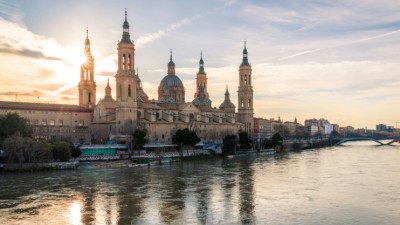
Zaragoza
Where layered heritage meets a welcoming urban break

Las Palmas
Sunlit beaches, urban energy, and a welcoming island rhythm.
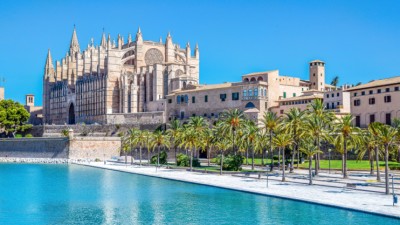
Palma
Sunlit streets, sea breezes, and a welcoming Mediterranean spirit
Oviedo
History, nightlife, and an open-minded welcome in Asturias.

Pamplona
Where historic streets meet a modern spirit of inclusion.
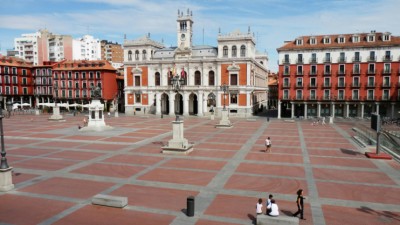
Valladolid
Where heritage meets a welcoming urban escape
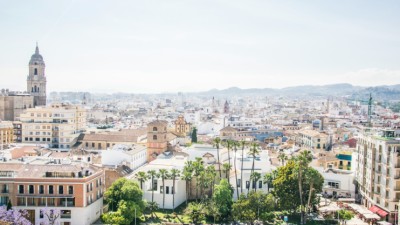
Málaga
Where the sea meets easygoing city life
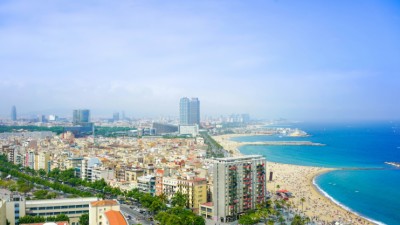
Santa Cruz
Atlantic access, island culture, and a welcoming national backdrop.
Bilbao
Culture-rich streets, open-minded travel, and a strong Basque identity

Córdoba
Walk ancient streets, read the city’s layered past, and travel with confidence.
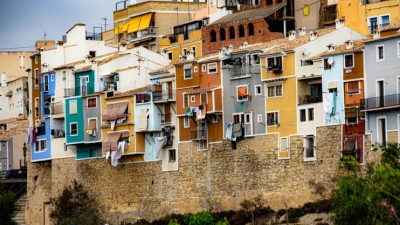
Alicante
Sunlit streets, inclusive culture, and a coastal escape with conscience.