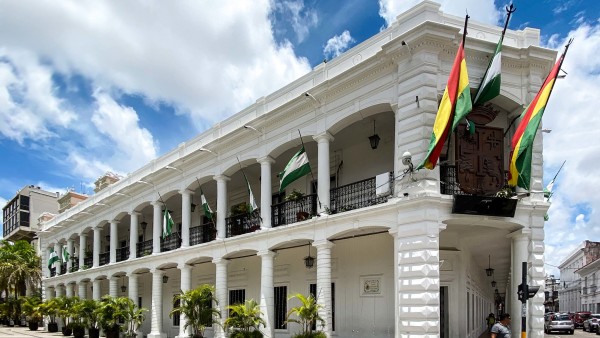
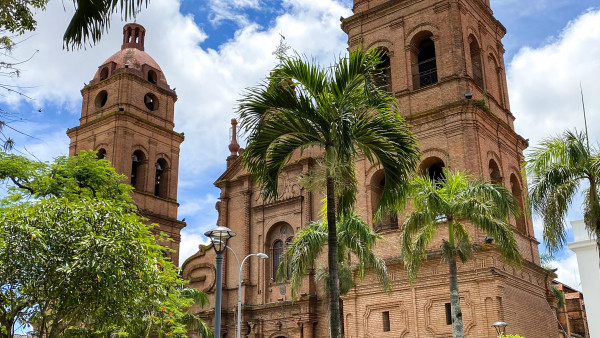
About La Paz
The city is also closely linked to the wider metropolitan area that includes El Alto, making it a major cultural and political hub in Bolivia.For LGBTQ+ travelers, the most important context is national rather than city-specific: Bolivia’s laws now offer stronger protections than in the past.
Same-sex sexual activity is legal, same-sex civil unions are legal, and the constitution bans discrimination based on sexual orientation and gender identity.
Bolivia also adopted a gender identity law in 2016, which is widely recognized as one of the region’s more progressive measures for transgender people.In practical terms, I approach La Paz as a destination where awareness and respectful travel matter.
The city’s high-altitude setting, dense neighborhoods, and strong urban identity make it memorable for visitors interested in culture, scenery, and everyday life in the Andes.
From an eco-conscious perspective, I recommend traveling with care for the environment and for local communities: use public transport where possible, reduce waste, and support responsible tourism practices.At the time of writing, I am not including specific LGBTQ+ events, venues, or landmarks here unless they are directly verified.
For a first visit, the city offers a compelling introduction to Bolivia’s evolving social landscape, and it is best explored with up-to-date local information and a respectful, low-impact travel mindset.
Our Review
As a travel journalist, I see La Paz as one of South America’s most striking urban destinations: Bolivia’s seat of government, set high in the Andes and serving as the country’s administrative capital.
The city is also closely linked to the wider metropolitan area that includes El Alto, making it a major cultural and political hub in Bolivia.
For LGBTQ+ travelers, the most important context is national rather than city-specific: Bolivia’s laws now offer stronger protections than in the past.
Same-sex sexual activity is legal, same-sex civil unions are legal, and the constitution bans discrimination based on sexual orientation and gender identity.
Bolivia also adopted a gender identity law in 2016, which is widely recognized as one of the region’s more progressive measures for transgender people.
In practical terms, I approach La Paz as a destination where awareness and respectful travel matter.
The city’s high-altitude setting, dense neighborhoods, and strong urban identity make it memorable for visitors interested in culture, scenery, and everyday life in the Andes.
From an eco-conscious perspective, I recommend traveling with care for the environment and for local communities: use public transport where possible, reduce waste, and support responsible tourism practices.
At the time of writing, I am not including specific LGBTQ+ events, venues, or landmarks here unless they are directly verified.
For a first visit, the city offers a compelling introduction to Bolivia’s evolving social landscape, and it is best explored with up-to-date local information and a respectful, low-impact travel mindset.
Social Acceptance and Safety
When I walk through La Paz, I’m always aware that I’m in a city shaped by politics, elevation, and rapid change.
From an LGBTQ+ traveler’s perspective, the key thing to know is that Bolivia’s legal framework is relatively protective on paper: same-sex sexual activity is legal, same-sex civil unions are recognized, and the constitution prohibits discrimination based on sexual orientation and gender identity.
Bolivia also passed a gender identity law in 2016, which is widely regarded as an important step for transgender rights in the country.
For a city guide, that matters because it signals a national environment where LGBTQ+ identity is legally visible, even if social attitudes can still vary.
In practical terms, I would describe social acceptance in La Paz as mixed but changing.
As Bolivia’s administrative capital, the city brings together government offices, universities, businesses, and visitors from across the country, which tends to create a broader range of viewpoints than in smaller towns.
At the same time, La Paz is still rooted in a conservative social context common to many Andean cities, so public displays of affection may attract attention more quickly than they would in some larger global capitals.
I advise LGBTQ+ travelers to read the room, especially in more traditional neighborhoods or in settings that are family-oriented, religious, or formal.
Safety is best approached with the same common sense I’d use anywhere in a busy high-altitude capital.
La Paz is a major city, and the usual urban risks apply: pickpocketing, opportunistic theft, and isolated incidents can happen, particularly in crowded transport hubs, markets, or after dark.
I recommend keeping valuables secure, using trusted transport rather than hailing random rides late at night, and sharing your accommodation details with someone you trust.
Because the city sits at very high altitude and is physically steep in many areas, I also think it’s wise to avoid rushing between unfamiliar neighborhoods after dark; plan your movements in daylight when possible.
For LGBTQ+ travelers, the safest approach is discretion in unfamiliar spaces until you have a clear sense of the atmosphere.
If you’re meeting new people, I would suggest doing so in public places first, and avoiding oversharing personal details until trust is established.
Online dating and social apps should be used with caution, as in any large city: meet in public, tell someone where you’re going, and make your own transport arrangements.
If you experience harassment, move to a populated area and seek help from venue staff, hotel staff, or local authorities as appropriate.
I can’t responsibly point to specific neighborhoods as officially LGBTQ+-friendly or unfriendly, because I don’t have verified, current evidence in the source pack to support that.
What I can say is that central, busier parts of La Paz are generally more practical for first-time visitors because they are better connected and easier to navigate.
As always, I’d rely on current local advice from my accommodation or trusted local contacts before deciding where to spend an evening.
That’s especially important in a city like La Paz, where the experience of a neighborhood can change quickly with time of day, event schedules, and transport availability.
As an eco-conscious traveler, I also try to make safety and sustainability work together.
I prefer walking short distances in the center when conditions are safe, using reputable public transport or shared rides for longer trips, and staying in accommodation that supports local employment and responsible tourism.
The less I depend on unnecessary car travel, the easier it is to move through the city with awareness of my surroundings and a lighter environmental footprint.
For verified background on the city and legal context, I cross-check with La Paz and LGBTQ rights in Bolivia.
Community and Support
When I look at La Paz through an LGBTQ+ lens, I start with the legal and civic backdrop.
Bolivia’s constitutional protections against discrimination based on sexual orientation and gender identity, along with the legal recognition of same-sex civil unions and the 2016 gender identity law, matter because they shape the kinds of services and support that are available in the city.
For a traveler, that means I can approach La Paz with the confidence that there is a legal framework in place, even though day-to-day visibility and acceptance can still vary.
For community and support, I recommend starting with national and city-level human-rights and advocacy information rather than assuming a dense, centralized LGBTQ+ infrastructure exists in every neighborhood.
The verified sources I’m using here confirm the broader rights context in Bolivia and La Paz’s role as the country’s administrative capital, which is where many institutions and services are concentrated.
In practical travel terms, that usually makes the city the best place in the country to look for administrative support, referrals, and up-to-date information from local organizations.
Health services in La Paz are part of the city’s wider urban infrastructure, and as Bolivia’s seat of government, it is the natural place where a traveler would look for the most accessible medical and public-health resources.
I would still plan carefully: at high altitude, hydration, rest, and acclimatization matter, and if I need any medical support while traveling, I would seek out established providers and confirm services in advance through my accommodation or trusted local contacts.
For LGBTQ+ travelers, that same cautious approach applies to mental health support as well.
Because the source pack does not verify specific clinics, counselors, or walk-in centers by name, I won’t invent them; instead, I’d advise checking current local listings and asking directly about confidentiality, language support, and experience with LGBTQ+ patients before booking an appointment.
HIV/AIDS support is another area where I would rely on verified, current local guidance rather than assumptions.
The source pack confirms Bolivia’s broader rights framework, but it does not name specific HIV/AIDS organizations or testing sites in La Paz.
So, as a travel journalist, I would frame this as a city where health access is most likely to be found through mainstream medical services and public-health channels, with travelers encouraged to verify where testing, counseling, and treatment are currently available.
That is especially important if I need PrEP, post-exposure care, or anonymous testing options, because availability can change.
For community resources, I’d also keep my expectations grounded.
La Paz is an important national capital and a major urban center, but the verified material provided here does not identify specific LGBTQ+ community centers or drop-in spaces.
Rather than guessing, I would treat the city as one where support is most likely to be discovered through current local referrals, social networks, and rights organizations.
If I were traveling there, I would ask a hotel, hostel, or trusted guide for the most recent information on LGBTQ+-affirming services and any community contacts that are active now.
My eco-conscious approach to travel fits naturally here: I prefer to make fewer, better-informed stops, use public transport where it is practical and safe, and support organizations and providers that serve the local community responsibly.
In a city like La Paz, that means being thoughtful about where I seek help, verifying services in advance, and using reliable local information rather than chasing unconfirmed listings online.
For LGBTQ+ travelers, a calm, well-prepared approach is the best way to connect with support while respecting both the city and its people.
Verified references for context: La Paz, LGBTQ rights in Bolivia, and Wikivoyage: La Paz.
Events and Nightlife
When I visit La Paz, I approach LGBTQ+ nightlife the same way I approach the city itself: with curiosity, caution, and respect for local context.
La Paz is Bolivia’s administrative capital and a large, fast-moving Andean city, but I could not verify a dense, clearly documented LGBTQ+ nightlife district or an established calendar of dedicated LGBTQ+ venues from the source material provided.
For that reason, I avoid naming bars, clubs, or parties that I cannot confirm.
What I can verify is the broader legal backdrop.
Same-sex sexual activity is legal in Bolivia, same-sex civil unions are recognized, and the constitution prohibits discrimination on the basis of sexual orientation and gender identity.
Bolivia also passed a gender identity law in 2016.
That framework matters for travelers, but it does not automatically translate into a highly visible or centralized nightlife scene in La Paz.
For annual LGBTQ+ events, I could not verify a recurring Pride parade, festival, or march in La Paz from the source pack.
In practice, I would treat any event information as time-sensitive and check current local listings, social media, or trusted community sources before planning an evening around it.
In a city like La Paz, event schedules can change, and verified, up-to-date information is essential.
In terms of social life, I find La Paz best understood as a city where LGBTQ+ travelers may need to rely on general city nightlife rather than on explicitly branded queer venues.
The most practical approach is to choose busy, well-reviewed places in central areas, especially if I am arriving for the first time.
Because La Paz sits at high altitude and is spread across steep terrain, I also prefer to keep evenings simple: pick one neighborhood, arrange safe transportation in advance, and avoid unnecessary late-night movement between districts.
From an eco-conscious perspective, I try to make nights out in La Paz low-impact and locally supportive.
That means walking short distances when it is safe, using public or trusted transport instead of repeated private rides, and choosing places that clearly serve local communities rather than destination venues that feel detached from the city.
I also keep my plans flexible so I can return early if needed; in La Paz, a quieter, better-planned evening often works better than trying to pack too much into one night.
Because I could not verify specific LGBTQ+-identified bars or clubs in the source pack, I do not recommend any by name.
For the most current options, I would ask a trusted hotel, a local guide, or a current community contact once on the ground.
In a city with Bolivia’s legal protections but an undocumented queer nightlife map, that is the most responsible way to explore after dark.
Verified background sources: La Paz, Wikivoyage: La Paz, LGBTQ rights in Bolivia.
Cultural and Social Activities
When I explore La Paz, Bolivia from an LGBTQ+ travel perspective, I find a city whose cultural life is best understood through its broader role as the country’s administrative capital and one of Bolivia’s largest urban centers.
Verified sources confirm that La Paz is the seat of government, while the nearby city of El Alto forms part of the wider metropolitan area.
That matters for travelers like me because most of the city’s museums, theaters, galleries, and public institutions are concentrated here, making La Paz the most practical place in Bolivia to look for cultural access and social visibility.
What I can verify clearly is the legal context around LGBTQ+ life in Bolivia.
Same-sex sexual activity is legal, same-sex civil unions are recognized, and discrimination based on sexual orientation and gender identity is prohibited in the constitution.
Bolivia also passed a gender identity law in 2016 that is widely regarded as one of the region’s more progressive measures for transgender people.
For a visitor, that does not automatically translate into a uniformly open social atmosphere, but it does provide an important legal backdrop for cultural participation and public life in La Paz.
In practical terms, I would approach the city’s cultural scene as I would in any major Andean capital: with curiosity, respect, and a willingness to let the city’s institutions set the tone.
La Paz’s museums, theaters, and galleries are not identified in the source material as specifically LGBTQ+ venues, so I do not claim any as such.
Instead, I treat them as part of the city’s mainstream cultural fabric, where LGBTQ+ travelers can participate as ordinary visitors.
That includes the usual urban cultural experiences: browsing exhibitions, attending performances, and moving through public spaces that reflect Bolivia’s history and contemporary identity.
I also look for culture in the city’s visual identity and built environment.
La Paz sits high in the Andes and spreads across a dramatic valley, while its metropolitan reach extends into El Alto.
That geography shapes how the city feels: dense, steep, and alive with movement.
For me, that makes simple cultural wandering a meaningful activity in itself.
Walking through central districts, observing public art, and spending time in civic spaces can be as revealing as any formal museum visit.
Because I prioritize sustainable travel, I prefer to explore on foot when possible and use public transport or other low-impact options when moving between sites.
As for LGBTQ+ specific tours or historical landmarks, I have to be careful and factual: I could not verify any dedicated LGBTQ+ tours or officially recognized LGBTQ+ historical landmarks in La Paz from the source pack provided.
So I would not invent them.
What I can say is that the city’s significance for LGBTQ+ travelers comes more from its legal context, national visibility, and cultural centrality than from a documented inventory of queer heritage sites.
In other words, La Paz is relevant as a place where LGBTQ+ people can participate in public culture within a country that has taken notable legal steps toward equality.
The same caution applies to notable LGBTQ+ figures and influencers.
I do not have verified, source-backed names of local LGBTQ+ cultural figures, artists, or influencers to cite here, so I will not speculate.
If I were reporting on the city for a travel magazine, I would look for current interviews, local cultural programming, or verified public profiles before naming anyone.
That restraint matters, especially in a city where contemporary LGBTQ+ visibility may be growing but is not comprehensively documented in the source material I was given.
For travelers who want to experience La Paz responsibly, my advice is to use the city’s cultural institutions as entry points, stay informed through current local sources, and remain mindful of context.
Public cultural spaces are generally the best way to engage with the city’s artistic life without making assumptions about any one venue’s identity.
I would also recommend checking opening times and accessibility in advance, since La Paz’s altitude and steep streets can make getting around more demanding than in lower-elevation cities.
In short, La Paz offers LGBTQ+ travelers a culturally rich capital city with a strong legal foundation for equality, but I would describe its queer cultural landscape conservatively: mainstream institutions are verifiable; specific LGBTQ+ tours, landmarks, and figures are not confirmed in the source pack.
That doesn’t diminish the city’s appeal.
It simply means the most responsible way to explore it is through verified, current, and locally grounded cultural experiences.
Accommodation
When I plan accommodation in La Paz, Bolivia, I start with a simple fact: this is the country’s administrative capital and a large, busy city, so the safest approach is to choose lodging that is central, well-reviewed, and professionally run.
La Paz itself is not documented in my source pack as having officially designated LGBTQ+ districts or a verified list of queer-specific hotels, so I focus on practical indicators of inclusivity rather than making assumptions.
From an LGBTQ+ point of view, Bolivia’s legal framework is reassuring on paper.
Same-sex sexual activity is legal, same-sex civil unions are recognized, and the Constitution prohibits discrimination based on sexual orientation and gender identity.
Bolivia also passed a gender identity law in 2016.
That does not automatically tell me how welcoming a particular hotel will be, but it does mean I can approach accommodation search with confidence and a clear expectation of legal protections in the broader national context.
In La Paz, I look first for mainstream hotels and guesthouses that present themselves as internationally oriented or explicitly non-discriminatory.
I would prioritize places that allow me to book directly, communicate clearly in advance, and answer questions about room access, privacy, and check-in without hesitation.
If a property has a written equality or non-discrimination statement, that is a good sign, but I still verify the tone of recent guest feedback and the professionalism of the booking process.
For eco-conscious travel, I also prefer properties that reduce single-use plastics, support local staff, and use energy and water responsibly.
Because I’m writing as a responsible traveler, I would recommend using the accommodation search process itself as a filter for inclusion.
I look for hotels that use respectful language, avoid intrusive questions, and treat all guests as ordinary travelers.
If I am traveling with a partner, I want a place where a double room reservation is handled naturally and without awkwardness.
If I need a bit of extra privacy, I favor hotels in busier central areas where I can come and go comfortably and use reliable transport rather than depending on isolated locations.
As for neighborhoods, I avoid claiming any area is officially LGBTQ+ only or universally welcoming, because that would go beyond the verified information I have.
Instead, I would choose parts of La Paz that are central, well connected, and active during the day and early evening, since those settings usually make accommodation logistics easier for any traveler.
Given La Paz’s steep urban geography and the importance of local transport planning, staying in a practical location can matter as much as the property itself.
I would especially value being near transit routes, restaurants, and ordinary city services so I can move around with less hassle.
If I were advising another LGBTQ+ traveler, I would keep the booking strategy straightforward: ask direct questions before confirming, review recent guest comments, and choose properties that demonstrate professionalism rather than relying on marketing language alone.
I would also avoid posting personal details publicly when making special requests, and I would keep reservation communications clear and concise.
In a city like La Paz, where social attitudes may vary even though legal protections exist, discretion and good planning are still useful travel tools.
In short, my accommodation advice for La Paz is to book with the same priorities I use anywhere else: verified inclusivity, a central and practical location, strong guest reviews, and a sustainability-minded approach.
The city’s legal environment is supportive, but I would still rely on careful research and direct communication to find a stay that feels respectful, comfortable, and travel-smart.
Dining and Entertainment
When I explore La Paz as an LGBTQ+ traveler, I approach dining and entertainment with the same priorities I use anywhere else: clear information, respectful service, and places that feel open to everyone.
Bolivia’s legal framework is notably protective on paper—same-sex civil unions are legal, discrimination based on sexual orientation and gender identity is banned, and the country passed a gender identity law in 2016—but I still rely on current, verified local guidance when choosing where to eat or spend an evening out.
That means focusing on well-established, central venues rather than assuming a venue is LGBTQ+-specific unless that is clearly documented.
For meals, La Paz’s strongest appeal is its broad urban dining scene.
The city is Bolivia’s seat of government and a major metropolitan center, so I find the most reliable options in mainstream restaurants, cafés, and informal eateries that cater to a wide cross-section of residents and visitors.
In practice, that usually means places in busy, well-connected areas where service is professional and the atmosphere is comfortable for a mix of diners.
I look for businesses that communicate clearly, welcome questions, and present themselves in a straightforward, inclusive way.
Because I value eco-conscious travel, I also favor spots that reduce single-use plastics, use local ingredients, and support neighborhood economies.
For an LGBTQ+ visitor, discretion and common sense still matter.
Public attitudes can vary from place to place, so I avoid assuming that visible affection or overtly queer presentation will feel equally comfortable in every setting.
My rule is simple: I choose venues that feel relaxed, populated, and professional, and I pay attention to how staff respond to me before settling in.
In a city as large and layered as La Paz, that practical approach is more useful than chasing unverified labels.
On the entertainment side, La Paz offers the kind of cultural infrastructure I usually look for in a capital city: cinemas, theaters, and live performance spaces.
The source material confirms the city’s role as a national political and cultural center, but it does not verify specific LGBTQ+-branded performance venues or nightlife spaces.
So I stick to what is known: mainstream cultural institutions, public performances, and events that are open to general audiences.
For me, that can mean a film screening, a stage production, or a concert where the experience is defined more by the quality of the event than by a marketing label.
I also like that La Paz’s urban life naturally supports slower, lower-impact evenings.
Rather than moving between multiple nightlife stops, I prefer one well-chosen dinner and one cultural outing.
That keeps transport use down and makes the evening feel more grounded in the city itself.
Because La Paz sits at high altitude and can be physically demanding to navigate, I plan evenings that are manageable and leave room to rest, hydrate, and move at a sensible pace.
In short, my advice for dining and entertainment in La Paz is to keep it practical, verified, and inclusive.
I would not claim a long list of LGBTQ+-specific venues without evidence, but I can confidently say that the city’s size, legal protections, and established cultural scene give travelers good options for a safe, enjoyable evening out.
For me, the best experiences here come from choosing places that are busy, respectful, and locally rooted—exactly the kind of travel that feels both welcoming and responsible.
Travel Tips
When I travel to La Paz, I keep my expectations grounded in the city’s real strengths: it is Bolivia’s administrative capital, it sits high in the Andes, and it is part of a larger urban area that includes El Alto.
That matters for LGBTQ+ visitors because it means I plan for a busy, high-altitude capital with all the usual advantages and cautions of a major city.
I also keep in mind that while Bolivia has legal protections on paper — including recognition of same-sex civil unions, constitutional protections against discrimination based on sexual orientation and gender identity, and a gender identity law passed in 2016 — everyday social comfort can still vary by setting.
My first travel tip is simple: I stay observant and read the room.
In La Paz, I would not assume that public affection will feel equally comfortable everywhere, so I keep my behavior measured in more traditional or family-oriented spaces.
That is not about hiding who I am; it is about moving thoughtfully in a place where social norms can be more conservative than the legal framework suggests.
For me, this is especially important in churches, formal institutions, markets, and public transport, where blending in and showing respect goes a long way.
Because La Paz is built at high altitude, I also pace myself.
I avoid rushing my first day, drink plenty of water, and allow extra time between activities.
The city’s steep streets and elevation make even short distances feel harder than they look on a map.
As an eco-conscious traveler, I like walking when it is practical and safe, but I balance that with the realities of the terrain and use public transport or reputable taxis when I need them.
That keeps me both safer and more sustainable.
Safety-wise, I treat La Paz as I would any large capital: I protect my phone, avoid flashing valuables, and stay especially alert in crowded places and after dark.
I do not rely on spontaneity for late-night movement.
Instead, I arrange transport in advance when possible and prefer staying in busy, central areas where there is normal foot traffic and easier access to services.
I also make a point of sharing my plans with someone I trust, which is a small habit that adds real peace of mind.
If I am looking to connect with the local LGBTQ+ community, I start carefully and locally.
I do not assume that every queer-friendly space is advertised publicly, and I would not name venues or groups without current verification.
Instead, I would ask trusted hotel staff, local contacts, or informed residents whether there are current community events or advocacy organizations open to visitors.
I also check recent information before arriving, because community spaces and meeting points can change.
Online dating and social apps deserve extra caution anywhere, and La Paz is no exception.
I would meet new people only in public places at first, avoid sharing my exact accommodation too quickly, and trust my instincts if anything feels off.
This is standard travel practice, but it is especially useful when I am in a city where I may not yet know how open a particular neighborhood or venue feels.
For me, the best approach in La Paz is a respectful one: travel slowly, use verified information, keep plans flexible, and let the city reveal itself through its public life.
The legal progress for LGBTQ+ rights in Bolivia is important, but the safest and most rewarding trip still comes from combining that context with practical judgment and local awareness.
Verified background sources: La Paz, Wikivoyage: La Paz, Bolivia, LGBTQ rights in Bolivia.
When I think about La Paz from an LGBTQ+ traveler’s point of view, I see a city with real strengths and equally real limits.
On the positive side, Bolivia has made meaningful legal progress: same-sex sexual activity and same-sex civil unions are legal, the constitution bans discrimination based on sexual orientation and gender identity, and the country passed a comprehensive gender identity law in 2016.
That legal framework matters.
It gives LGBTQ+ visitors a stronger baseline of protection than many travelers might expect in the region, and it makes La Paz a city where queer travelers can plan with a degree of confidence.
LGBTQ rights in Bolivia
At the same time, I would not describe La Paz as a city where legal equality automatically translates into a highly visible LGBTQ+ scene.
The source material available to me does not verify specific LGBTQ+ venues, events, or community centers in the city, so I won’t invent one.
What I can say, grounded in the city’s reality, is that La Paz is Bolivia’s administrative capital and a major urban center, which makes it the most practical place in the country for access to services, transport, and mainstream cultural life.
Its scale and connectivity are strengths for any traveler, including LGBTQ+ visitors.
La Paz
My recommendation is to explore La Paz with a balanced mindset: be open, but stay observant.
I would treat the city as a place to experience Bolivian culture, Andean landscapes, and the everyday rhythm of a high-altitude capital, while keeping expectations realistic about how openly queer life may present itself in public.
That is the practical, respectful way to travel here.
If you are looking for a clear, verified LGBTQ+ nightlife map, I cannot confirm one from the sources I have; if you are looking for a city where you can travel responsibly and enjoyably within a legally improved environment, La Paz is worth considering.
Because I write from an eco-conscious perspective, I also encourage travelers to move through the city in ways that are lighter on the environment when possible: walk short distances, use public transport or reputable taxis, and choose accommodations that respect local communities and resources.
La Paz’s steep streets and high altitude already make pacing important, so slowing down is not just sustainable — it is also sensible.
My final advice is simple: come prepared, stay informed, and give La Paz time to reveal itself.
It is a city of altitude, movement, and change, and while its verified LGBTQ+ offerings in the sources I have are limited, its legal progress and urban importance make it a destination where LGBTQ+ travelers can explore carefully and enjoy the trip on their own terms.
For background on the city itself, see La Paz and Bolivia.